Finca Matalian

In the course of tasting the Pitijopos the first time around the most expressive mosto at the first time of asking was one from way down in Chiclana, to the South of Jerez, and a specific pago called Finca Matalian, only 7km from the sea, owned by Primitivo Collantes.

It made such an impression that I have since felt compelled to taste, or retaste, all of the wines I could find from that little patch of land:

I would recommend anyone to do the same.  These are beautifully made, under-rated wines and an excellent opportunity to taste the finos and amontillado alongside the related white wine. It is fascinating to see the difference the flor makes, eating away all that fruit and glycerine and exposing an extremely mineral frame, and equally intriguing to see how the oxidation of the amontillado (probably my favourite and one of the most drinkable wines around) creates the illusion of bringing the fruit back.

And there is more to come. This isn’t the full list – there is another sweet sherry and another Moscatel that I haven’t got to yet, and while theViña Matalian was fermented in Inox but there is also now a related white wine – the Socaire – that has been fermented and aged 12 months in an old sherry cask. I will report back on that shortly and the others in due course. It is also said that Don Primitivo has planted a couple of hectares of “Uva Rey”.

(Photo of Finca Matalian earlier this week, courtesy of Primitivo Collantes.)


Ramiro Ibañez and Willy Perez

Since he will be coming to Madrid soon I thought I would revisit and update this post from last October about Ramiro Ibañez and (although Willy is not coming to Madrid as far as I know) give some recognition to his Jerez based partner in crime while I am at it.

Last October I shared a cracking piece by Spanish Wine Lover about Ramiro Ibañez, the maverick winemaker behind exciting projects such as EncrucijadoPitijopos, PandorgaUBE, and Manzanilla de Añada, as well as many other more traditional, but top class wines (including, in particular, El Cerro and La Maruja). In the eight months since then though he and Willy Perez have been up to all sorts.

First, they have been writing. The so called Sobrinos de Haurie are writing a new history of the wines of the region, of which the first section is already available. Churchill once famously said that history was going to treat him kindly because he was going to “write it himself” (and he did) but these guys are driven by higher motives. In fact it is one of the things that most impresses about them: maverick as they may appear, they are not just experimenting for the sake of it. Rather, they evidently venerate the history of the region, feel the responsibility of continuing its traditions and want to restore the region’s past greatness.

Second, they have been revitalizing the local tourist industry. I was fortunate enough to be invited down for a visit by Ramiro and Willy in March and it was quite remarkable. Not just the visit to the pagos and the explanation of the ideas but the demonstration of how those pagos and those ideas translate into wines. Different class. And I was not alone: they seem to have spent most of their weekends this spring putting their case to bloggers and writers of every fur and feather – including proper writers such as Victor de la Serna and Andrew Jefford, amongst others. They are also happy to share their knowledge and photos with bloggers (thanks guys), spend days commenting on articles at all hours of day and night and frankly do whatever is necessary to get the message out.

Third, they have been involved in some pretty interesting debates and initiatives – including high profile catas at Vinoble and elsewhere, and the lower profile but even more interesting Manifesto 119, aimed at encouraging local winemakers to recover forgotten varieties.

Most importantly, they continue to win their arguments the best way possible: by banging out cracking wines. The next volume of the Pitijopos could well be the most important lesson you could learn about terroir in Sanlucar – breath is bated. Volume II of the Manzanilla de Añada was announced ready today, UBE 2014 was as good as expected, and Willy’s Fino la Barajuela 2013 exceeded even my fanboy expectations.

Technical excellence, respect for tradition, hard work, generosity, imagination and energy, and top class wines. If these guys didn’t exist, we would have to invent them.


Manzanilla pasada Blanquito


I frankly am always surprised by manzanilla pasadas – every time I come back to them I am struck by something different. It may be the effect of time in bottle or maybe I just don’t have a very good memory.

This is the superb little manzanilla pasada from Callejuela – where Ramiro Ibañez consults making an excellent range of wines (and some historic ones). This is a gem I have tried more times than I have reviewed (here and here).

Today I am struck by the acetaldehide nose and spicey, saltiness of this wine. Could be my excessive recent partaking of fruitier wines with less time under flor I suppose but it is really striking. On the nose the apples are there underneath the hay bales, as if stored away or something, and the acetaldehide is tempered by the salty minerals – a sort of apple stash in a haystack at the seaside. On the palate too that appley fruit is there at the beginning but then it is zingy to the point of scorching and the finish is decidedly spicey.

A really serious wine (this time). 

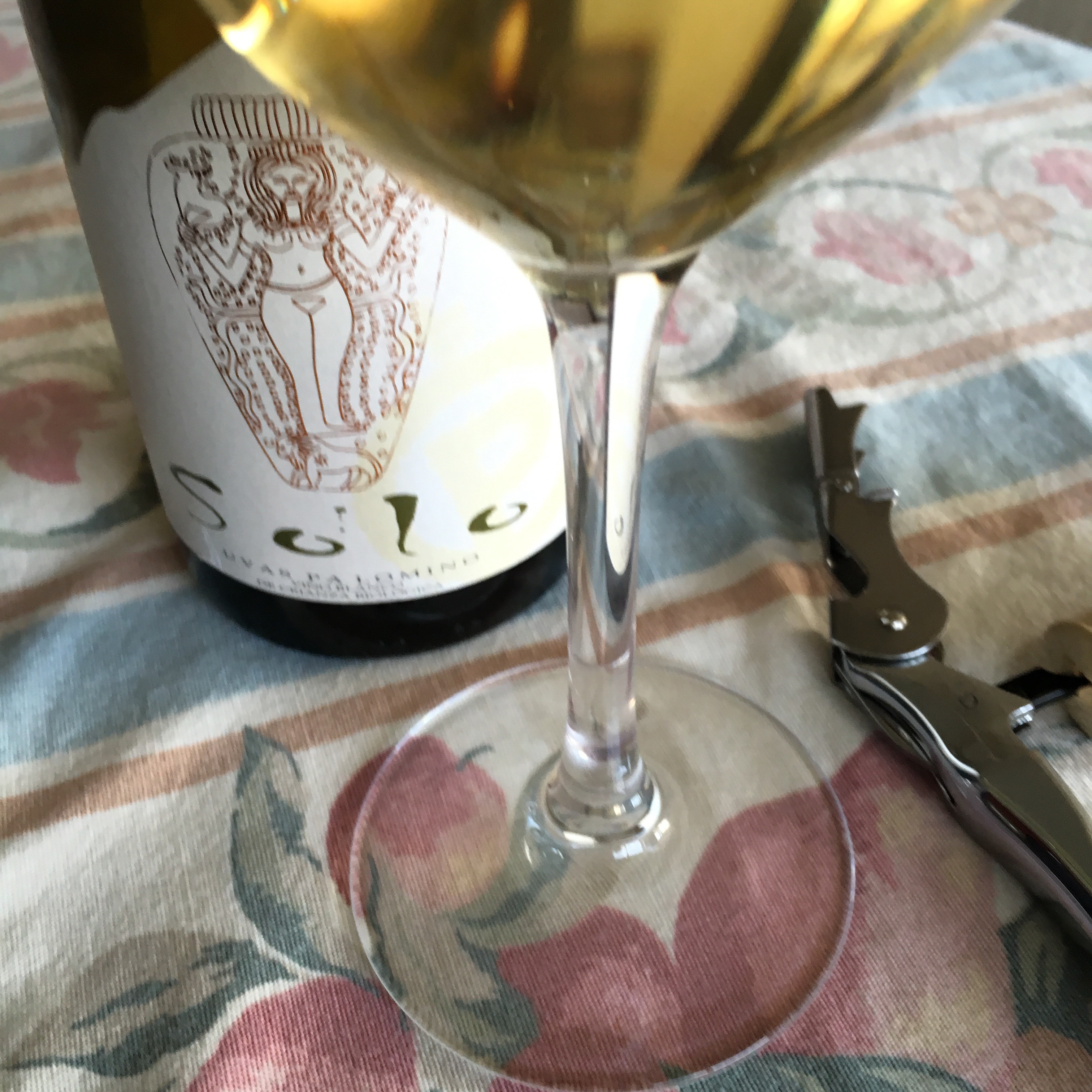
Solo 2013

Here we have the latest new kid on the block, a wine I picked up from Enoteca Barolo and about which I have seen a lot of on twitter and the like lately.

It is from Lebrija, a town to the North of Jerez on the banks of the Guadalquivir and in Seville province, by Bodegas Gonzalez Palacio – a bodega founded and has a pretty good ficha  and a pretty good website with descriptions of the vineyard – Viña Abuelo Curro and the Lagar as well as the Bodegas – gives you the sense that they fall into the “winemaking” category.   As does this wine – it is an unfortified 100% palomino aged under flor in bota for 12 months (a 2013 so it has had a bit of time in the bottle too). So old school it is new school – fans of the history of the region will know that this sort of thing  was extremely popular in the 17th and 18th Centuries before the soleras came along (and in case you missed it it also says so on the back label).

It is nice colour – a slightly dark gold/straw with touches of green, and has the pungent aroma of a mosto. Smells like it is going to be full of fruit – baked, cidery apples and maybe just a touch bready. Then on the palate it has that little bit of biologically aged class – fresh and saline to balance the fruit. On the website they say pineapple and I would agree (not a ripe, sugary one, a slightly tough one), with a bit of bitterness and a fresh finish.

Another promising edition to a burgeoning new category of wines that some hope will be the new “entry level” for the wines of the region. Interesting stuff.


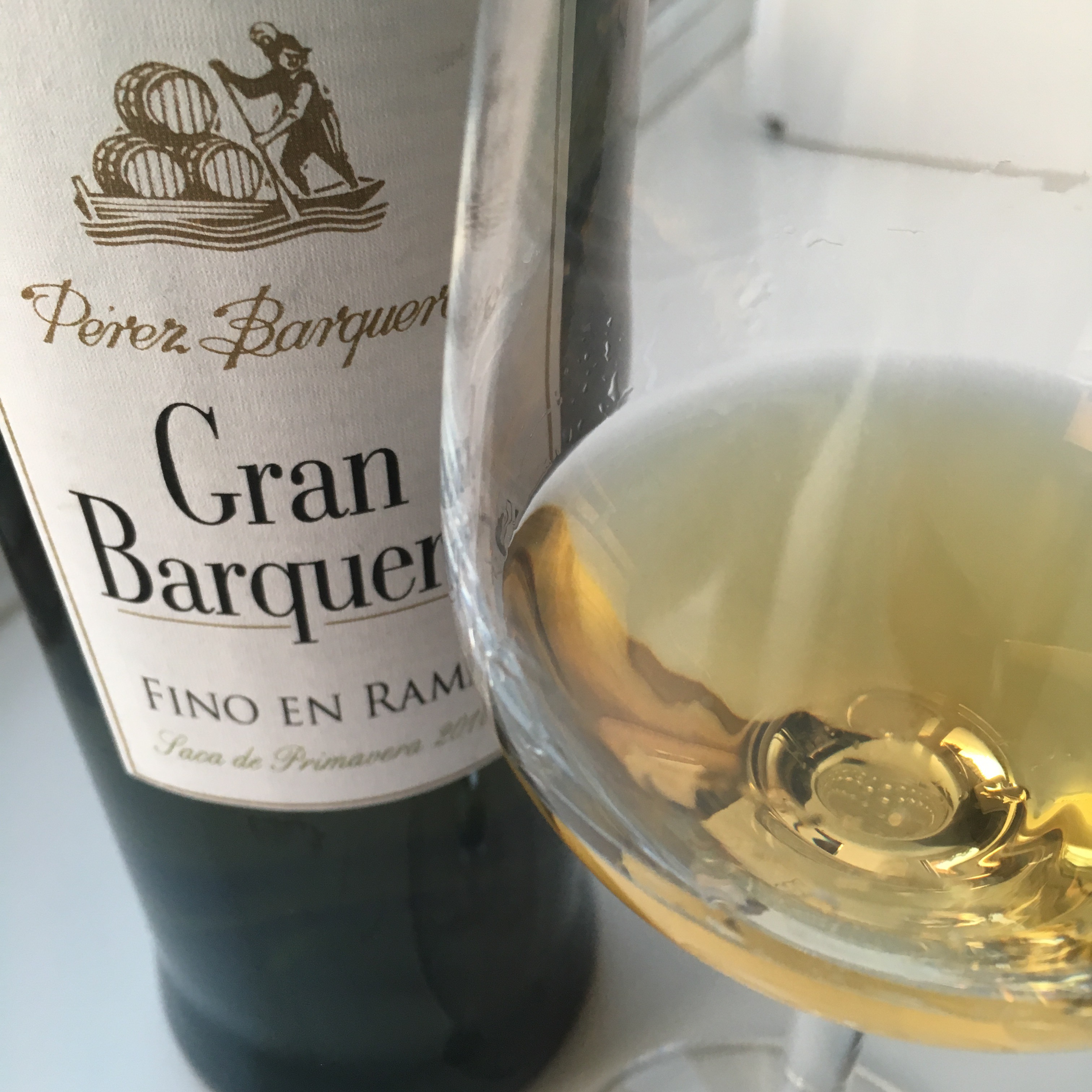
Fino en rama Gran Barquero

The en rama version of the classic 8-10 year old Montilla Moriles fino (TN here) by Perez Barquero and this is possibly even better.

Lovely old gold colour and big on aromas of haybales and yeast but also a bit of chamomile tea and some grapefruity citrus. Quite solid on the palate but not flabby at all, and the flavours are punchy, spicey and zingy. It really follows through on those hay bales with a salty, yeasty, intense palate.

A really top class fino.

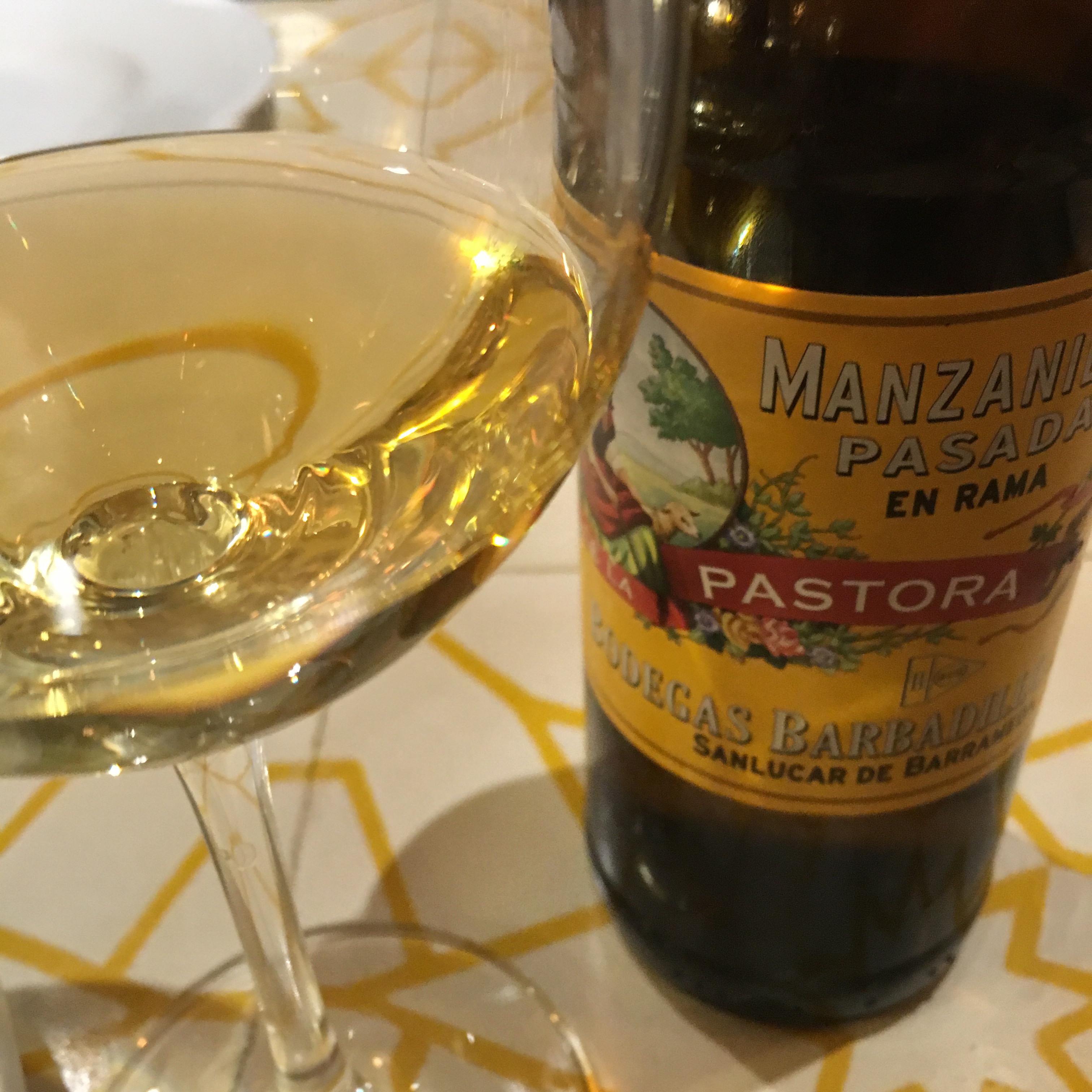
Manzanilla pasada la Pastora


An unexpected treat last night while out at dinner with friends, this is the brilliant little manzanilla pasada by Barbadillo that I first tried and wrote about back in March. Really nice green apples to it – lovely stuff.

Unfortunately it wasn’t popular with my friends last night though – I ended up with most of the bottle to myself. Not a big wine drinking crowd, admittedly, but more proof that these lighter wines are more of a challenge for those new to the sherry experience. 

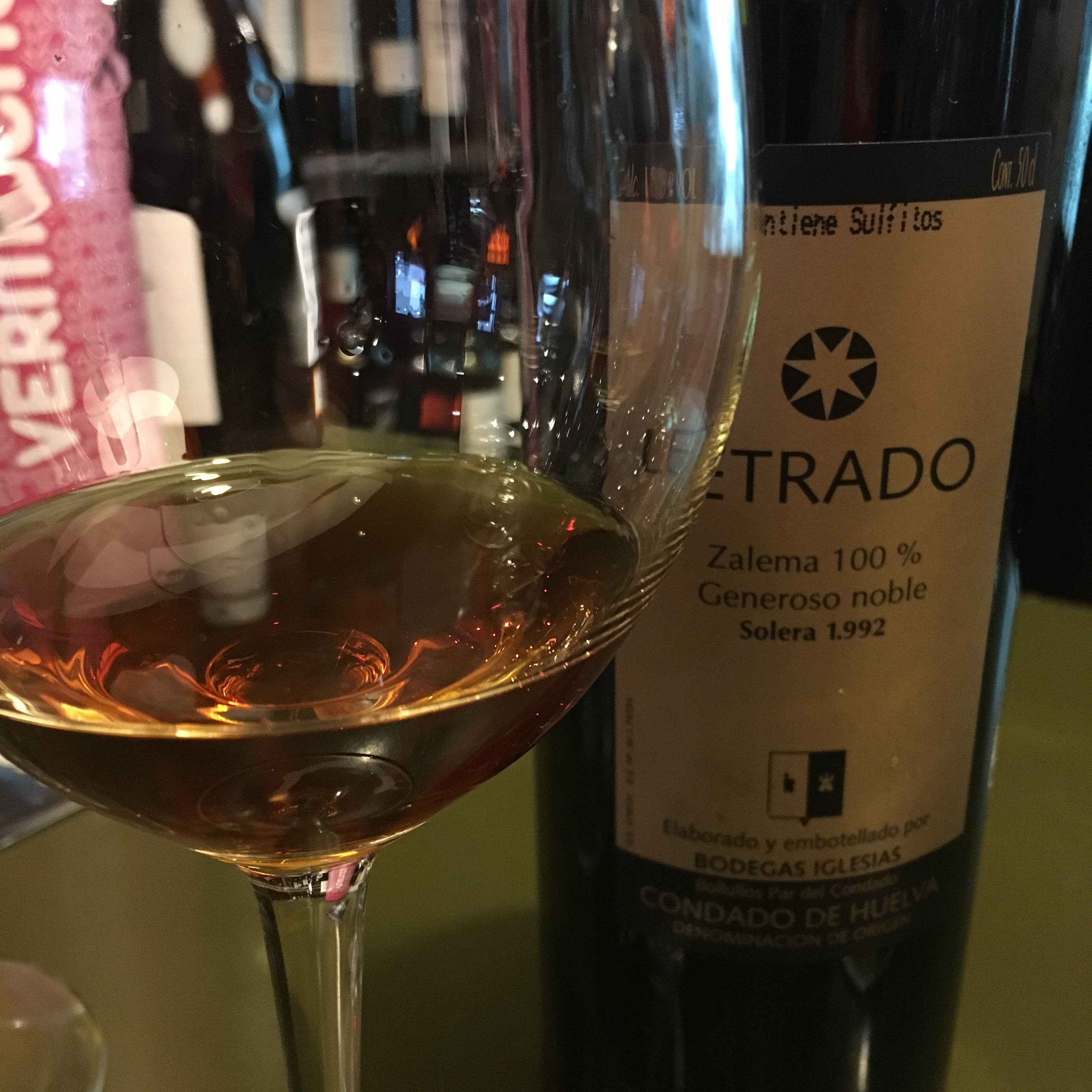
Letrado Generoso Noble 

Another one of the oddities I was able to try at Reserva y Cata the other week, this is something along the lines of an oloroso from Bodegas Iglesias in Condado de Huelva. It is 100% Zalema, the white wine grape of choice in Huelva, and according to this ficha had 8 years in a solera system of 650 litre bocoys. I am guessing from the label that the solera was founded in 1992. Has a spirity nose similar to a medium sherry – maybe just a touch more fruit and sweet hazelnuts rather than almonds. Then on the palate it is similarly flighty – juicy and enjoyable but not a lot of mineral here so it comes across as a bit insubstantial. 

Pleasant, uncomplicated stuff.


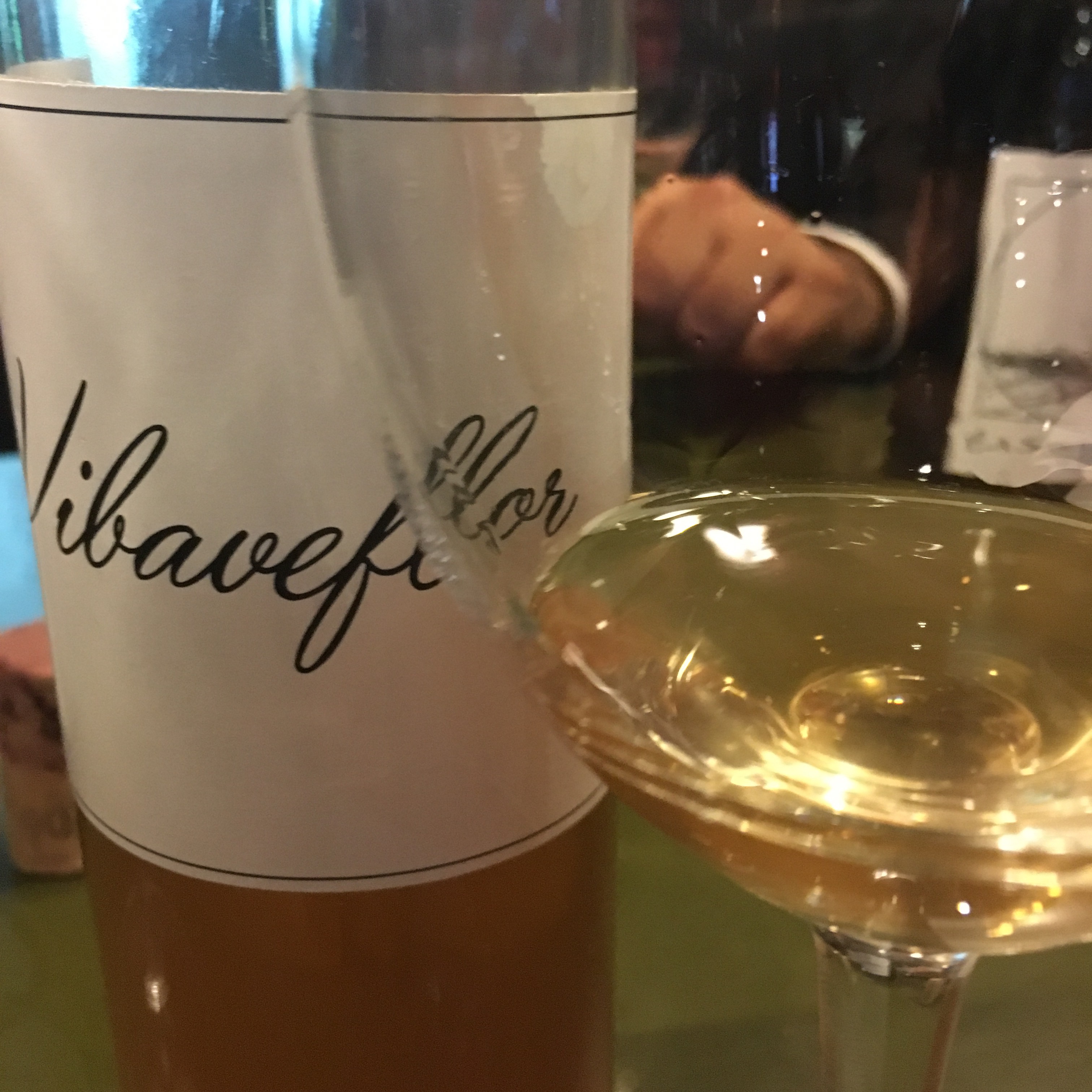
Vibaveflor

Had a chance to try something a bit different last week in Reserva y Cata  – a viura from Rioja that had had some time under “flor” (not clear whether we are talking about the genuine saccharomyces though – when I first tasted it I thought it was closer to a rancio).

Really interesting – in particular tasting it next to a viura with no biological ageing from the same producer. There was a clear difference in profile and volume. (The caramel and vanilla of the straight viura came across as candy floss or a spongecake in the Vibaveflor.) There was also a big difference in appearance – while the straight viura was clean and golden this was slightly cloudy like a cider and had a touch of orange. 

In sherry terms it lacked muscle and minerals, but very nice nonetheless. In general it is curious the way that biologically aged wines appear to be popping up around Spain – none that I have tried have seemed a serious threat to the boys down in Jerez and Sanlucar but it is great to be able to observe the effect of biological ageing on different kinds of wines. 

As you can see, this is very much an experimental wine and I do not think it is commercially available. I didn’t even make a note of the maker’s name – let’s hope I get another chance some day. 

Post script – More recently I had a 2011 Montbourgeau that seemed a better, and fairer, comparison – would be good to try the Vibaveflor side by side with one (if I ever see it again).


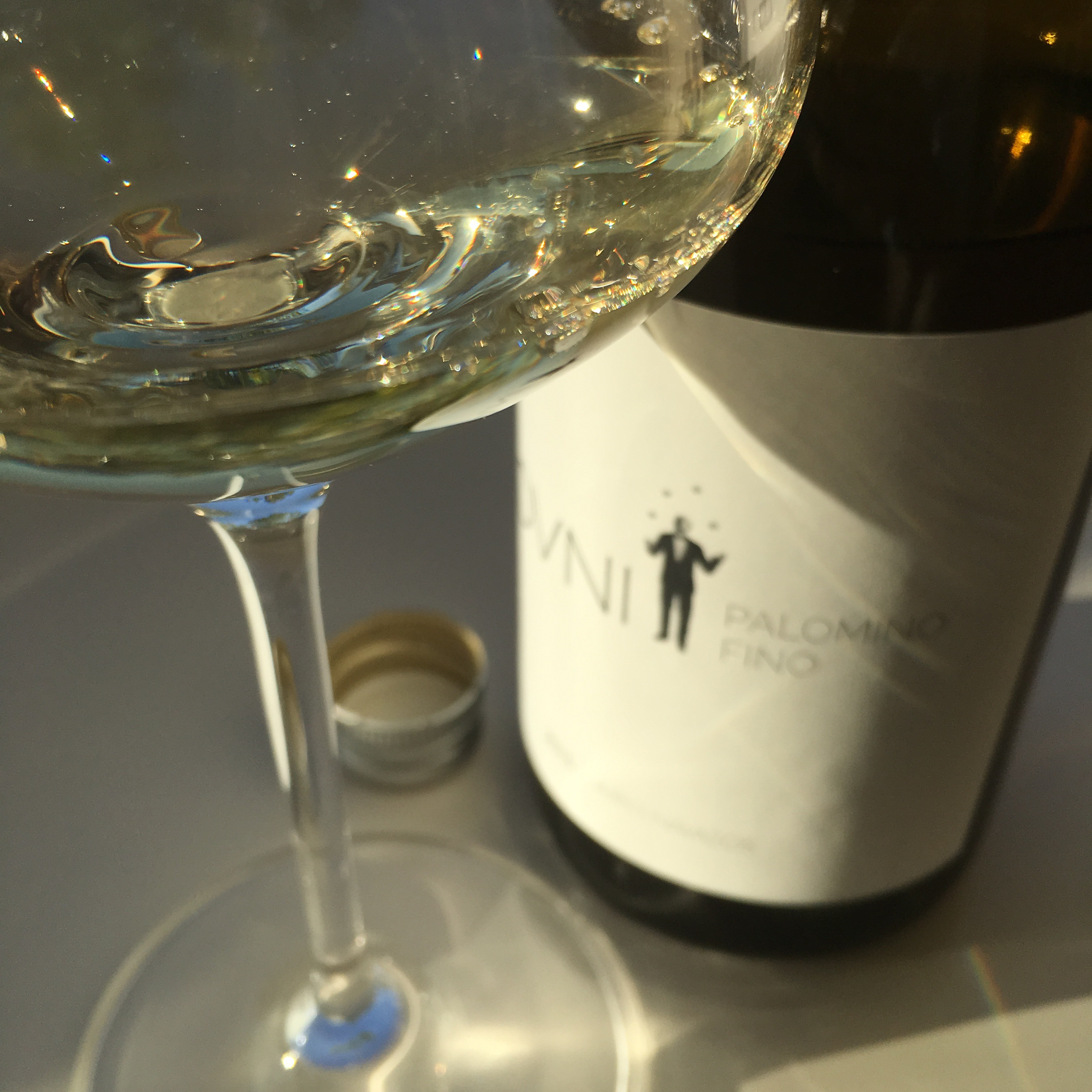
Ovni Palomino Fino 2015 

This was a very pleasant surprise I must say – the generous chaps at Coalla Gourmet threw this (and its twin) in with the last case of sherries I bought from their brilliant online store and, although it took me a while to realize what had happened (said case was stored while I was not around to supervise) it was a doubly pleasant surprise to find it in the cabinet when the time came.

Not the first time I have tried it and I refer to that first review for the background. It is a sobretabla with six months under flor – so an example of a palomino white wine with just a little biological ageing. Very pale as you can see, it has a lot of the aromas of a “mosto” in the nose (think farmyard!), as you would imagine, but has a little bit of mineral bite to it.

I think it could do with being a little cooler than the 12 degrees of my wine cabinet so it has gone into the fridge, but that is no bad thing as the summer starts to warm up.

Many thanks guys and don’t mind if I do!

Oloroso Pata de Gallina

All day thinking about the 3 en rama but don’t have any at home. This will certainly do. Absolutely delicious.

The most appetising colour imaginable and toffee almonds on the nose – burnt butter and just a bit of smokiness. Nice, glycerine rich consistency – from whence it gets its name – and a really tasty mouthful.  Has a nice zingy buzz to it, then those crisp, burnt butter flavours, nice caramel centre and spicey and racey rather than bitter.

Love it – juicy, tasty and balanced.