Manzanilla de añada 2012 – 2/11 – May 2016

The visit of some good friends gave me an excuse to open this special manzanilla and see how it was getting on in the bottle after nearly a year. It is a vintage or “de añada” manzanilla from palomino fino harvested in 2012, fermented and fortified to around 15% and set aside for “static ageing” in individual botas instead of in a solera. There were 11 botas in total and this is the second bota to be bottled (hence the 2/11), on this occasion with around three and a half years under flor.

It is a lovely crystal clear gold colour with just a hint of green to it – exuding fresh green apple, and it did indeed have a sweetness to the nose and at the beginning of the palate, but more like the slight sweetness of fresh almonds, but then some spicey and bitter grapefruit notes that I associate with the time in the bottle (at least I don’t remember it quite as bitter). An exuberantly zingy mouthful and also quite full bodied, maybe even a touch heavy at the back end.

My feeling, looking back at my notes from July, October and November last year is that I enjoyed it a little more back then, particularly in November, and that this may be a touch quieter even only four months later. Unfortunately only two bottles left and one is being saved for the great vertical of 2026, but if I happen upon a stash in the next few months I may need to have another dip.
 

Manzanilla Sacristia AB – 1a saca de 2011 

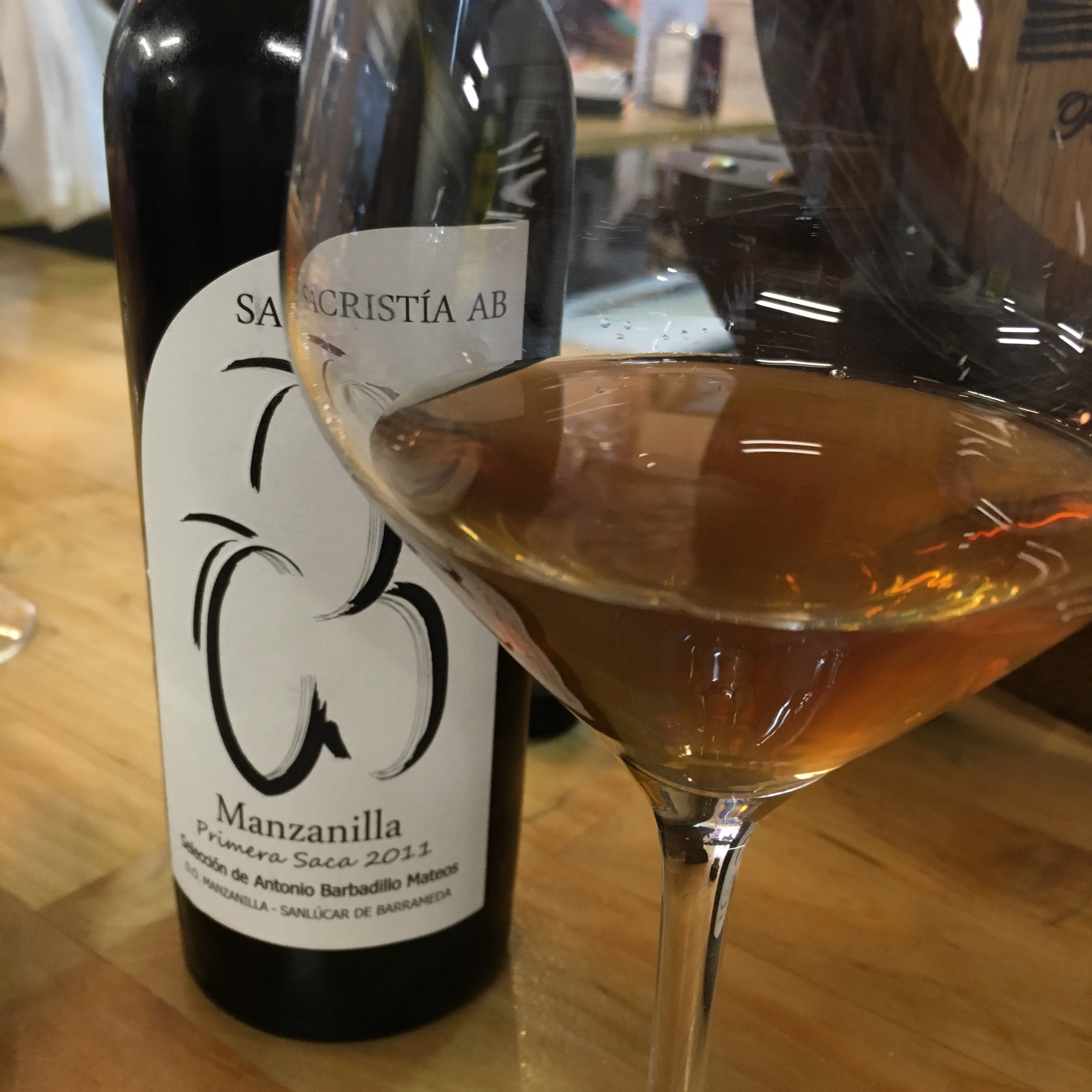
Once again, just look at the colour of that. I write often about what a special place Territorio Era is and this sort of thing is one of the (many) reasons: the chance to try a special six year old manzanilla like this one.

Antonio Barbadillo started selecting and bottling limited releases of manzanillas in 2010 and so this is one of the very first, selected from Bodegas Sanchez Ayala of Gabriela, Gabriela Oro and Galeon fame. It is a bodega that has also been a happy hunting ground for the guys at Equipo Navazos and in general has a bit of a cult following (at least on this blog). The wines tend to be very incisive, but with a relatively pronounced and quite distinctive esparto grass character – like a stilleto in a velvet glove (note: not sure about this simile will try and think of something better). I still remember Antonio’s selection from the end of 2012 – my favourite of the series so far – so was really keen to try this.

As you can see, the colour is extraordinary. These wines tend to evolve relatively quickly – they are absolutely unfiltered and untreated – and after only six years this is a rich brown colour. (I say “only” six years – I have had en rama finos that were ten years old and had not got half as far as this.) The nose is also evolved, a lovely sweetness to it, esparto grass aroma but sweetened as if it had been wet and was just starting to rot.

On the palate it is smooth and full in flavour, baked apple and nuts and mellow salinity – waters the mouth and lasts and lasts. Unlike some wines with time in the bottle I didn’t notice added bitterness.  I must admit, though, that I was left hankering for a bit more vertical punch and incision (so much so that I had glass of the 2016 to compare) and ultimately felt that it had maybe gone a little past its absolute peak (which I reckon is around three to four years, if you can wait that long).

A lovely old wine though, and the mellowing of the years has only made it more drinkable.


Manzanilla Entusiastico 

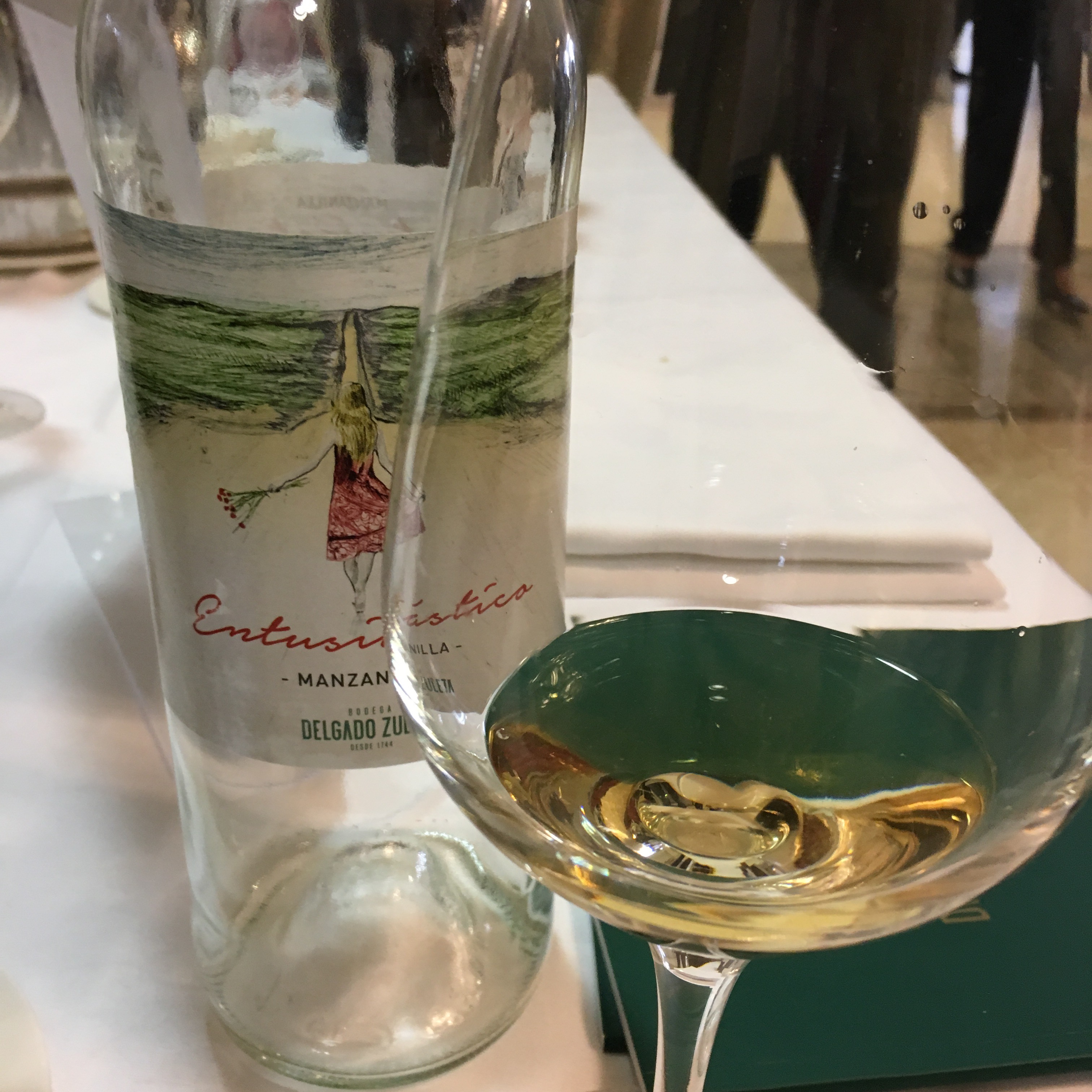
One of the more interesting projects around is the Entusiastico manzanilla by Delgado Zuleta – which aside from being “bio” and all the rest is one of the only examples I can think of of a brand new solera. You have to say that the label has improved out of sight. 

My impression was that the second saca seems to hold together a touch better than the first while maintaining a little bit of that softer-than-apple fruit on nose and palate. On the other hand, still a bit short of zing and real profile.

A work in progress, but a fascinating work in progress. 

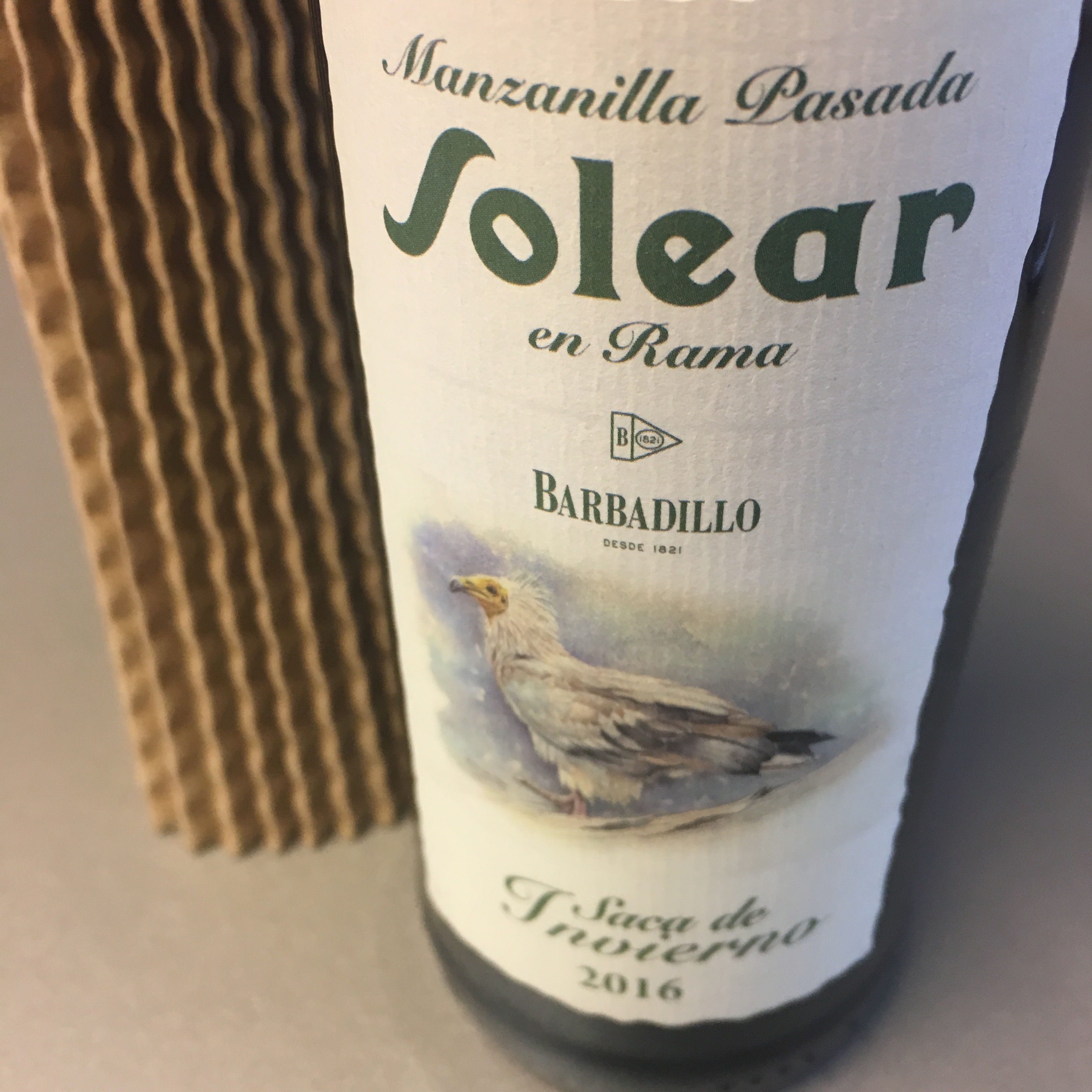
Manzanilla Solear en rama Winter 2016 – the Egyptian Vulture 

The Egyptian vulture has landed – been looking out for this for a while and now two halves of Europe’s smallest vulture are in my possession. 

Am intrigued that it is now labelled “manzanilla pasada” (was also the case in the Autumn but I didn’t notice). May be more accurate but I am not sure I fully agree with that. These marvellous wines have been manzanillas since 1999 and have surely earned the right to the name. They also don’t quite have the full, oxidated richness I associate with the best pasadas.

It certainly has all the flavour and character of the very best manzanillas. One of the most biological of wines, it has a sea air, wet reeds and rockpool nose, and the definition of zingy salinity – it is searing. Then spicey salad flavours that this time Inam finding slightly sweet. 

Vultures are already in grave danger in my apartment and I expect a dramatic fall in the population generally – get them while you can.  

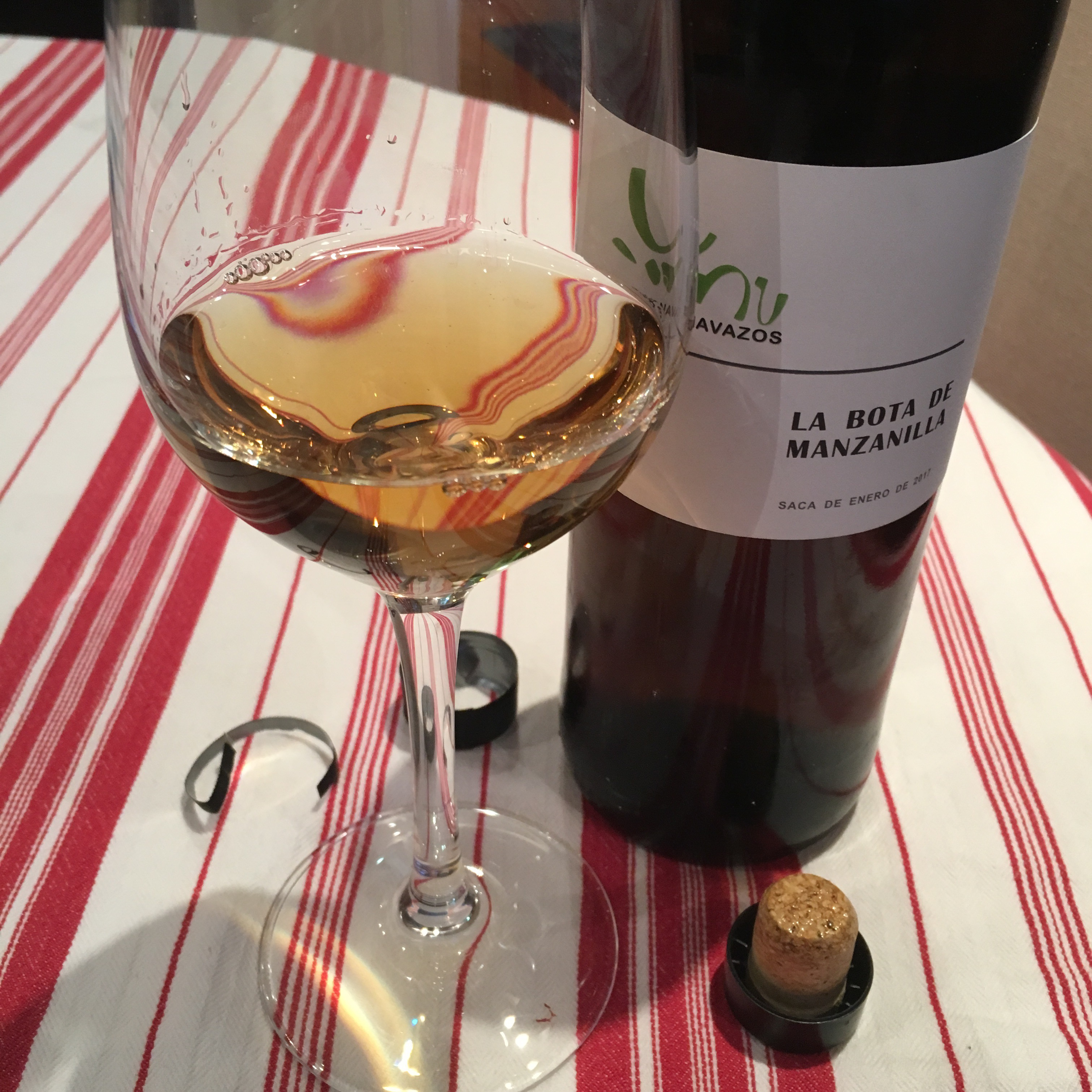
La Bota de Manzanilla 71 

The latest manzanilla from Equipo Navazos (see their ficha here) and once again from the solera of Hijos de Rainera Pérez Marín. 

At least to my mind it seems a shade darker than the last release, but with the same aromatic nose of esparto grass and salty sea air. Then silky in the mouth – light when compared to the manzanilla of course –  very elegant salinity and tasty herb flavours. 

Crying out for some fish and chips! (Or is that me?)

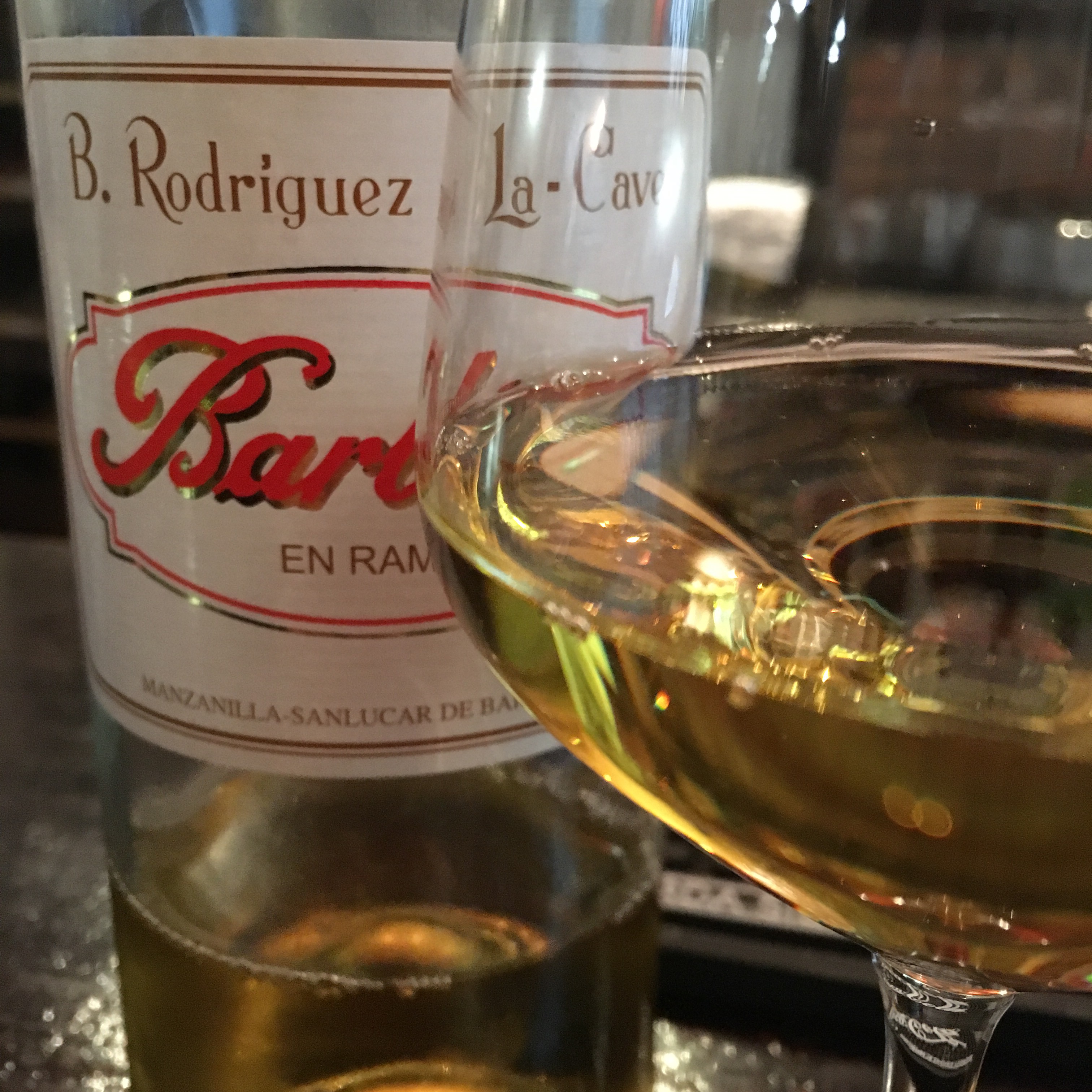
Manzanilla en Rama Barbiana

This is a class manzanilla, one that I have had frequently over the years and could not believe I had never written a note about it this (evidently incomplete, shambolic and half arsed) blog. I had this last evening at the bar of la Malaje where it is part of a pretty cracking list of sherries by the glass: no longer just a haven for fans of Montilla Moriles. On the contrary this is a classic manzanilla from Delgado Zuleta in Sanlucar (they acquired B Rodriguez de la Cave in 1978 ).

The colour is slightly darker/blacker gold than most, and it has a salty/herbal/citric nose to it – brings to mind the wild plants on sand dunes by the sea. On the palate it is compact, with a sharp entry, a tasty, nutty and herby middle and a long, mouth watering finish.

A classic manzanilla with a bit of character to it (and a shocking omission from the blog up to now).

Manzanilla Velo Flor 

This is one of the wines of the moment and one I have seen in countless instagram, twitter and facebook photos lately. Even worse, on more than one occasion I have rocked up to find a group of friends and acquaintances with a recently finished bottle. If not actual mental anguish it has been mildy vexing.

It has been worth the wait though. I finally caught up with this in Territorio Era and was most impressed. Beautiful label for starters (although points away for the vinoteca defying non-standard bottle shape), then a luscious old gold colour in the glass. Has a nose of yeasty haybales, roast almonds and above all a big dose of sea air, with iodine and sea salt, verging on rock pools. Then on the palate it is zingy and intense, full of bitter almond, curry and spice flavours. Long, spicey finish.

This is a manzanilla from Bodegas Alonso, one of the more exciting projects in Sanlucar at the moment. You can read all about it here in this excellent piece by Paula Maclean, but for many the words “Pedro Romero”, “Gaspar Florido” and “Ansar Real” sum it up  since these guys have managed to get hold of some of the most coveted botas in the region.

And happily, they are also producing an excellent manzanilla. A really excellent manzanilla in fact, and one worth chasing after.

Manzanilla Callejuela – Madura vs En Rama

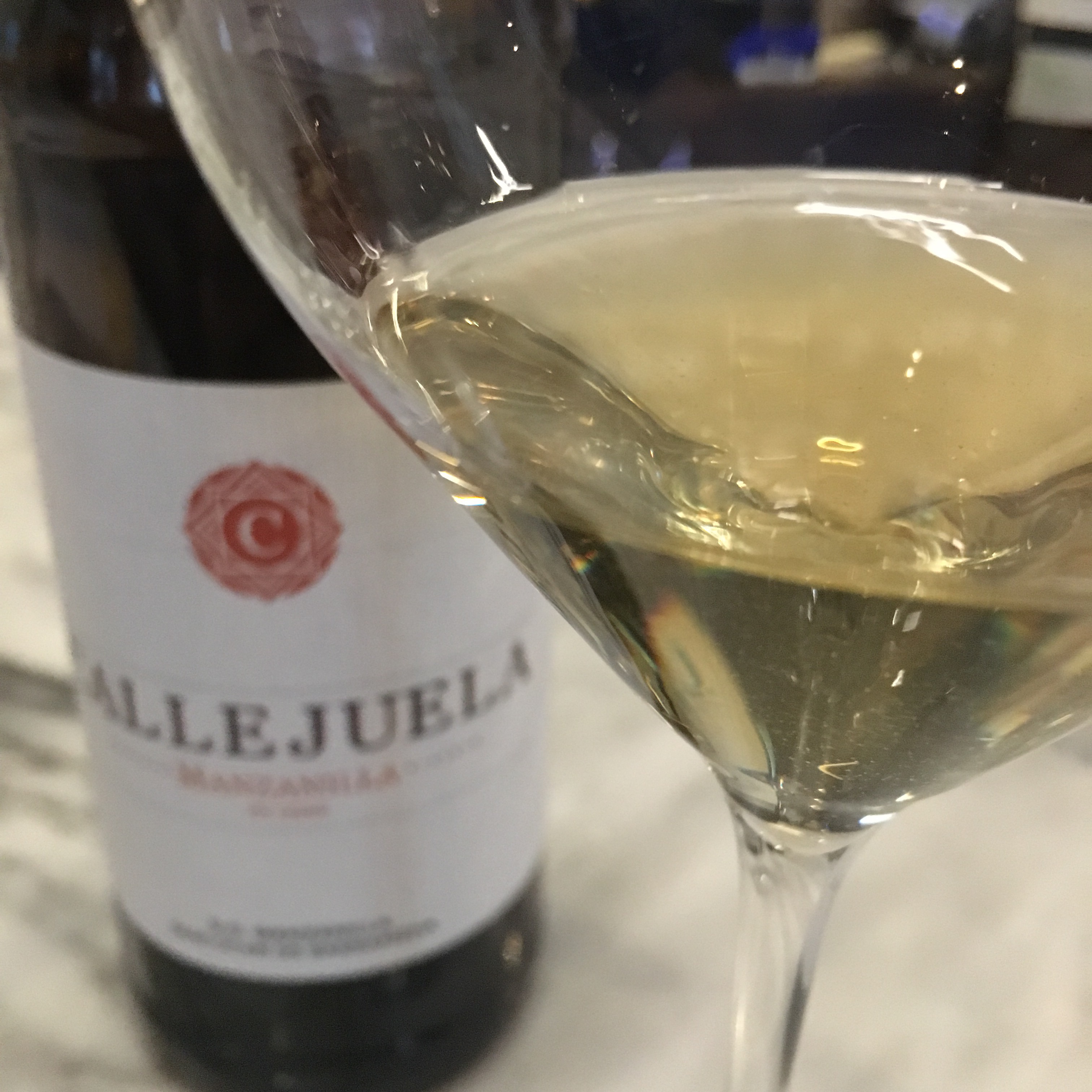
I said I would come back to it and I did. Two of Callejuela’s manzanillas: on the right, the  manzanilla en rama, and on the left the manzanilla madura. These two have had a similar time under flor in the same bodega and although it is not a massive contrast it is an interesting one. 

The difference in colour is a slight increase in depth rather than shade. The difference on nose and palate is a little more marked. The madura has a bit more green apple freshness, the en rama a bit more underbranches and brackish water. 

On the palate: ever since I tasted palulu (liquorice root) I find it everywhere I look and here it is again in both, but much more potent in the en rama. Overall a similar story to the noses – a touch more apple freshness in the madura and a touch more heavy metal in the en rama. 

Overall the comparison tends to confirm the idea that en rama wines are more complex or have more character, but both of these are cracking. 

Manzanilla en rama Callejuela – saca de 2016

Was looking forward to tasting this wine. Callejuela is one of the new forces in Sanlucar, the bodega behind the exceptional Manzanilla de Añada and a top class range of manzanilla fina, manzanilla madura, and of course manzanilla pasada (Blanquito). As luck would have it, they had some at Angelita (as you may have realized from the distinctive marble bar top.)

I only had a glass and may need to come back and study this further (apart from anything else, I took no note whatsoever of any information on the label and can’t find any now, so don’t ask me about ages, saca, classes etc). My first impressions are of a heavier, punchier, more rustic style of wine, with more farmyard and aniseed notes in aroma and palate and less sharpness and verticality of profile than the other manzanillas of the bodega. Really characteristic, in fact, of a “river influence” manzanilla.

Vive la différence.