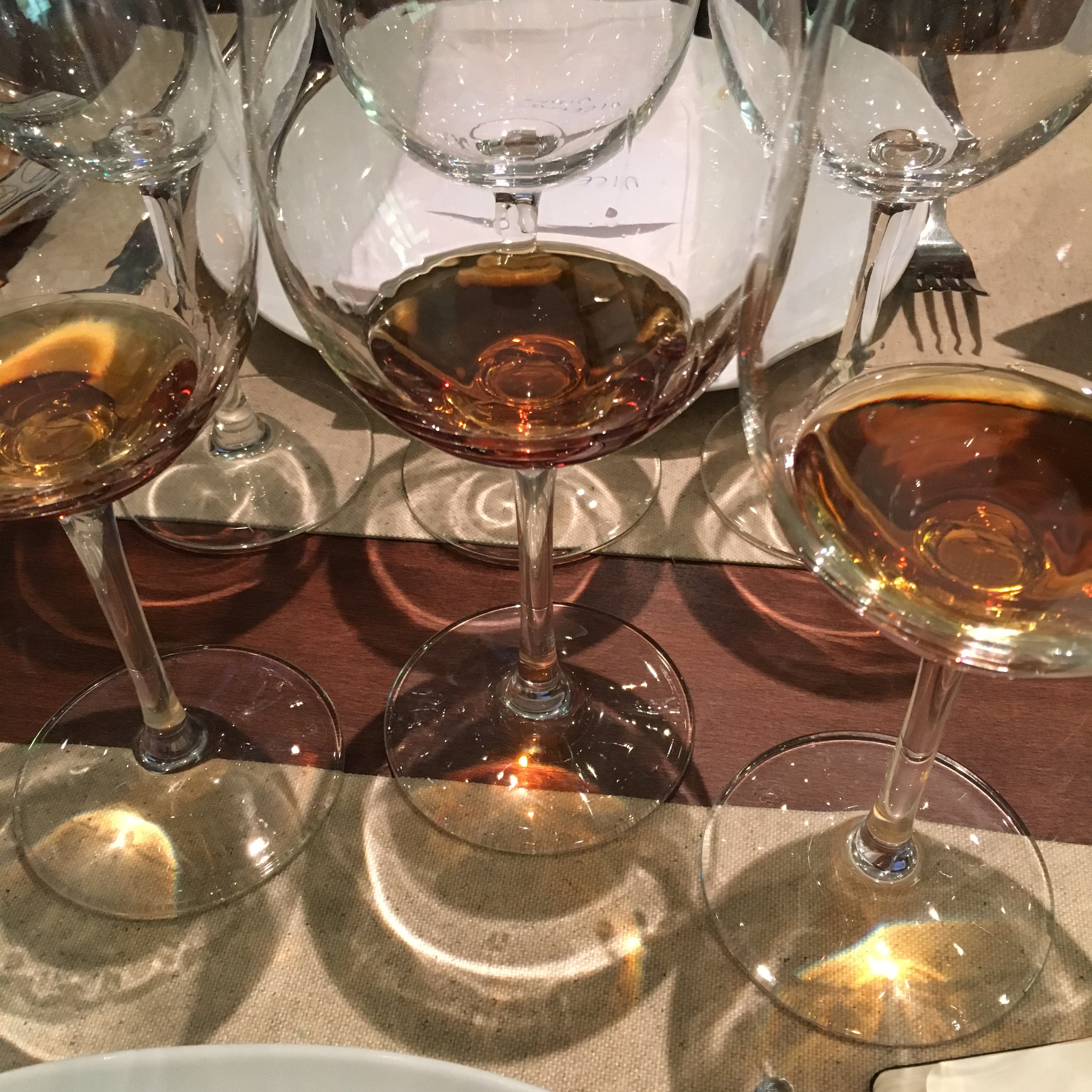
Mons Urium in Taberna Palo Cortado

Another great night yesterday in Taberna Palo Cortado, this time to taste the wines of Bodegas Urium, a small, family run bodega that is one of the newest faces in Jerez but to judge from last night one of the most passionate.

The bodega has been around for “centuries”, formerly, as an almacenista (one of the “faceless”  winemakers of Jerez, as one of the guys put it last night) and is located on Calle Muro, aka “Wall Street”. The bodega is run by Alonso and Rocio Ruiz, a father and daughter team from a family from the town of Moguer, in Huelva (known to the Romans as “Mons Urium”, from whence the name). Alonso fulfilled a lifelong dream – learnt in turn from his own father – when they acquired the bodega in 2009, acquiring not only a historic bodega but, more importantly, its contents. In total around 500 botas of wines, many of them very old and, to judge by last night, very fine.

Last night we had five wines: a very nice fino en rama – fruitful, yeasty and juicy – with around eight years under flor, and four VORS wines with an average age of 45 years – the amontillado, oloroso and palo cortado, pictured above, and a very youthful tasting 45 year old Pedro Ximenez.  Five excellent wines – I particularly liked the fino and the punchy, saline oloroso, but the amontillado was elegant and smokey and the palo cortado had a bit of spirit to it.

More importantly, we also had the chance to meet Rocio and one got a clear impression of a project that was moving in the right direction. Having trained with none other than Luis Perez she has a very uncluttered, balanced approach to winemaking that was as free from blarney as it was from unnecessary formalism: wine making with wine at its center, with the goal of making wine that people can drink. It was fascinating to hear her talk about the gradual progress in tasting, assessing and classifying mostos and wines, and the efforts to imprint their own style on the old “jewels” they had inherited. It all sounded like hard work, but despite that there was a lot of laughter and enthusiasm that was captivating.

All in all, another terrific evening in Taberna Palo Cortado and a real pleasure to meet one of the young winemakers pushing the region forward.


Fino en rama Tio Pepe 2016


Not my first glass of this but my first chance to have a good look at this 2016 edition (here at the bar of Taberna Verdejo) and I like it.

Has a very nice apple/apple sorbet nose and a fine, delicate almond profile – fresh almonds rather than bitter or toasted – tingling salinity in the background that comes through at the end for a fresh finish. Not overpowering, but elegant, and that apple is very attractive.

A fresh, zesty edition of this classic wine.

Fino Especial La Panesa 

Been a while since I had a bottle of this open but it has been on my mind this week.

This is probably my favourite bottle of sherry – a wine suitable for any occasion and the one I would take to a desert island. It comes from a solera where the flor survives – in a layer that can only be microns thick –  on wine with an average age of fifteen years. It has a lovely volume, richness and, at the same time, definition that I find enthralling.

This is a bottle from 2013 and it just has a hint of reduction that almost adds complexity to the nose – from sea air to wet seaweed. Hazelnuts, almonds, salinity and zing, and peppery spices. A long long finish with those warming spices.

A truly world class wine.

Fino Capataz Solera de la Casa 

Once again at the bar of Angelita and these guys never fail with their wines by the glass. It really is fun coming here.

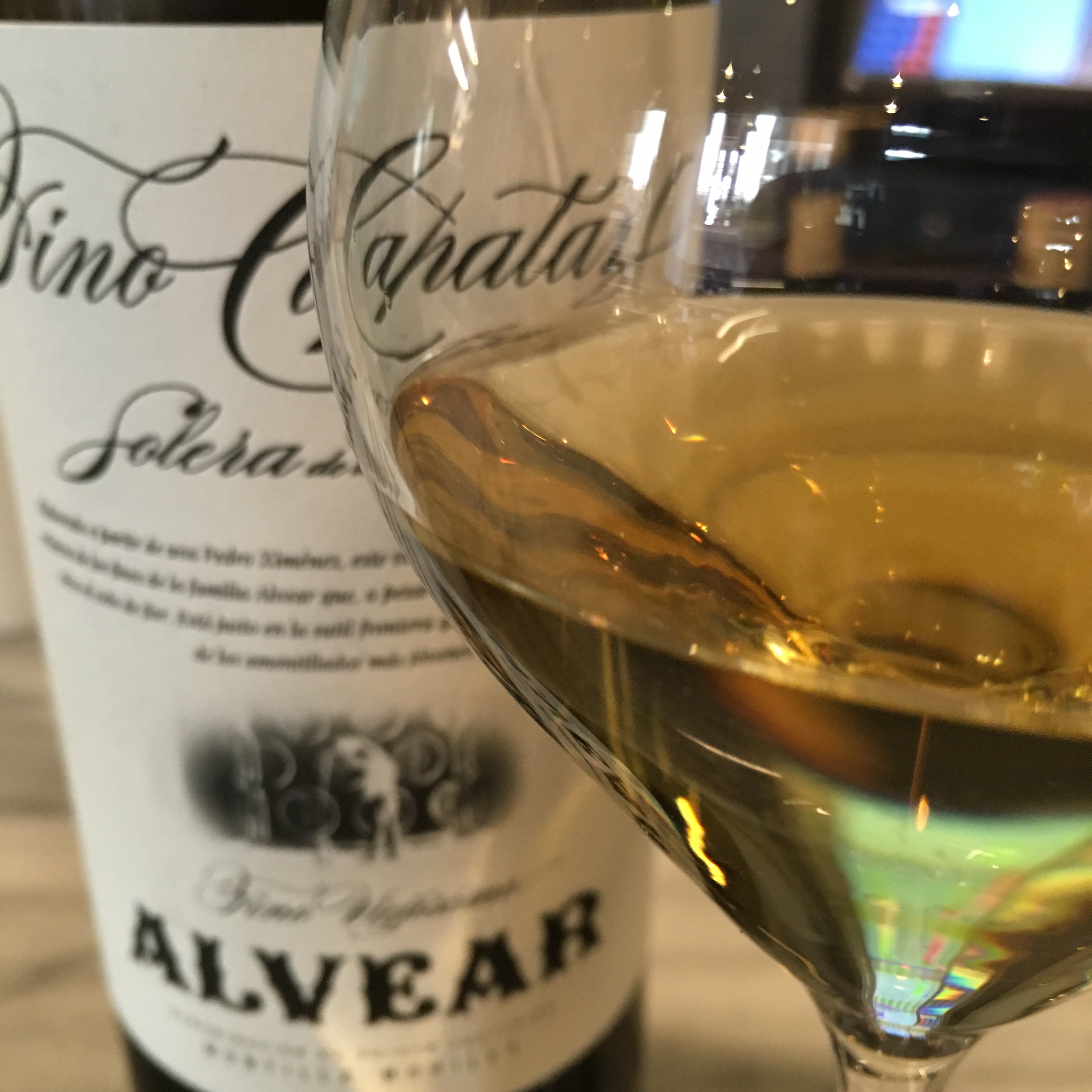
This is a fino by Alvear, in Montilla Moriles, that is 100% pedro ximenez and has had a long long time under flor – if the original Capataz had over 6 years this has had at least a couple more. (I was told once but I had already had a few at the time.) I am predisposed to like this wine since I learned I shared a surname with the great great grandmother of the current owners, but even without that whiff of nepotism it is a cracker.

The colour is not quite as dark as the picture suggests – it is a straw-coloured gold with a suggestion of black to it. On the nose it is punchy, nutty with hay bales and sweet and herbal tea touches – very nice nose with plenty in it. On the palate it is an intense old liquid: very saline and a real burn on the edges of the tongue, full bodied and oily, and with bitter almond intensity. Long, long salty and bitter finish to it.

Intense but balanced and with plenty in it – a really top class fino worthy of Great Great Grandma Ward.

(And followed with a 2002 late harvest Trimbach – absolutely brilliant contrast, see comment above re coming here.)

Fino en rama Arroyuelo, saca de marzo 2015

This wine for me is defined by its minerals, even compared to other finos. Some sacas are exhilaratingly saline, so zingy that they are like the famous “salty knives” of Sanlucar, others are less piercing but still structured, and you get more of the apple juice fruit as a result. (It is, of course, from Finca Matalian.)

The saca from last September was of the latter school, and I remember at the time I tried it that I would like to see the comparison with this one from March last year. Several weeks have gone by since then so I am not able to compare faithfully but this certainly seems to have a more mineral feel – real zing and structure, and also big volume, and instead of apples more along the lines of celery and green leafy vegetables, just a hint of that salad-like spiciness.

Really good stuff yet again.


Fino 3 en rama de Jerez de la Frontera 

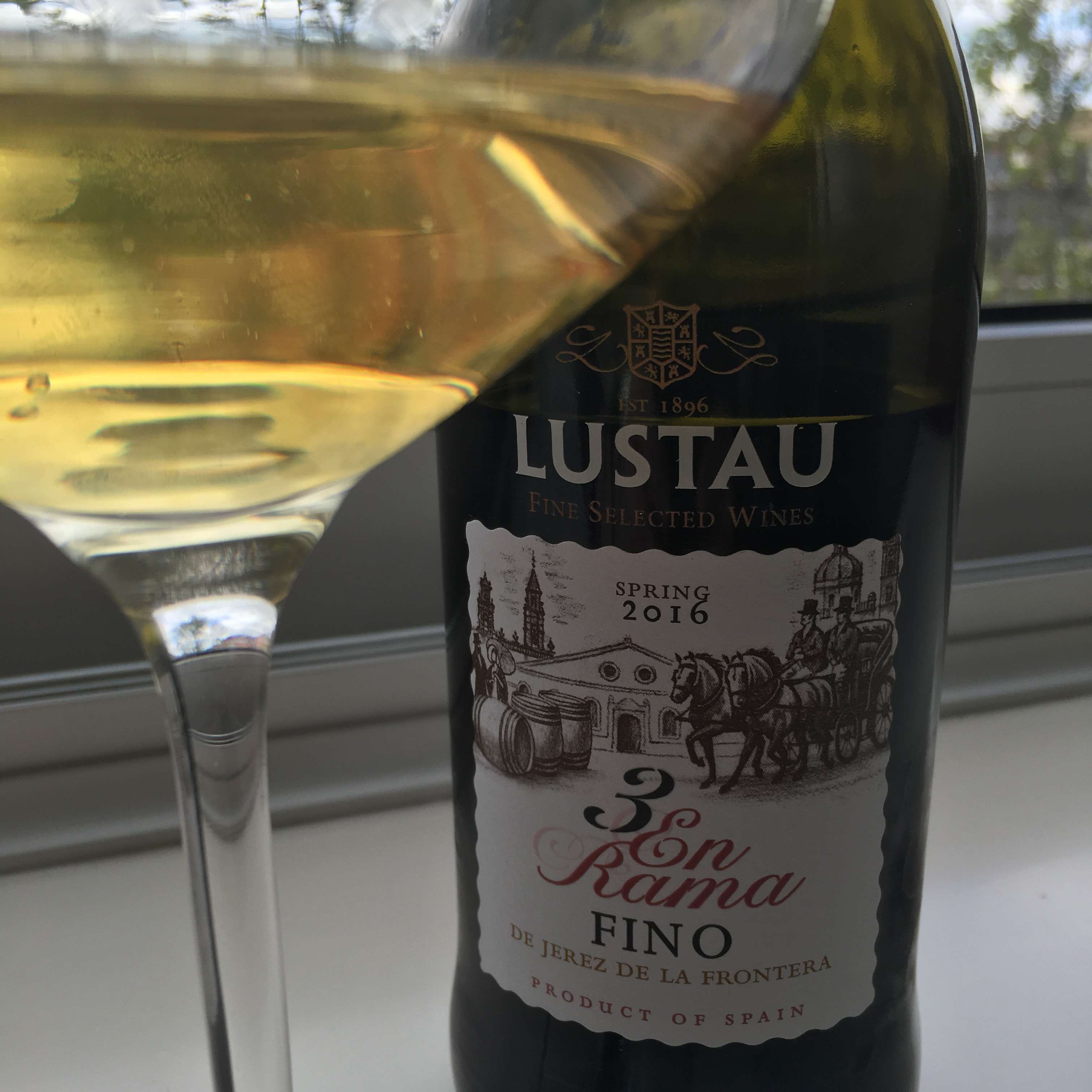
Not a great day outside but always a good moment for a spot of fino and the second leg of the Spring 2016 3 en rama. In fact, a bit of controversy over the order – Carlos from Lustau here in Madrid would go Manzanilla, Fino del Puerto, Fino (which does makes sense in that the Manzanilla and Fino del Puerto share those seaside influences), whereas I prefer the Manzanilla, Fino, Fino del Puerto order because I think the flavours of the latter are a touch more intense than those of the Fino. Anyway whoever is right, this is what I am drinking right now.

This is another selection from a solera – this time in Jerez de la Frontera – and the wine has spent an average of five years under flor (compared to four for the Manzanilla and five for the Fino del Puerto).

In colour it is a pale goldish yellow – maybe a little less of the green tinge that the manzanilla had. On the nose, there are again some notes of green apple but less grass and more yeast and undergrowth. Then on the palate you get that yeasty flavour with a suggestion of apple at first, followed by punchy undergrowth and salinity, and then quite a long yeasty and sapid finish – maybe a little longer than the manzanilla.

A very pleasant fino -compared to the manzanilla it doesn’t scream freshness at you but it is certainly at the lighter, fresher end of the scale, with just a little heft to it.


Y not


Have learned a lot over the last few days and it will take a while to digest some of it.

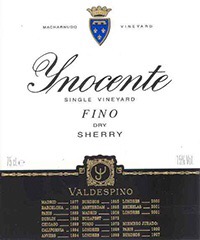
I can share one item immediately, however: the chaps at Valdespino confirm that the first letter above is a fancy “I” and not, as many people seem to think, a “Y”. Looking at that label you can certainly understand y, so it is an innocent mistake etc.

Lustau 3 en rama – Spring 2016

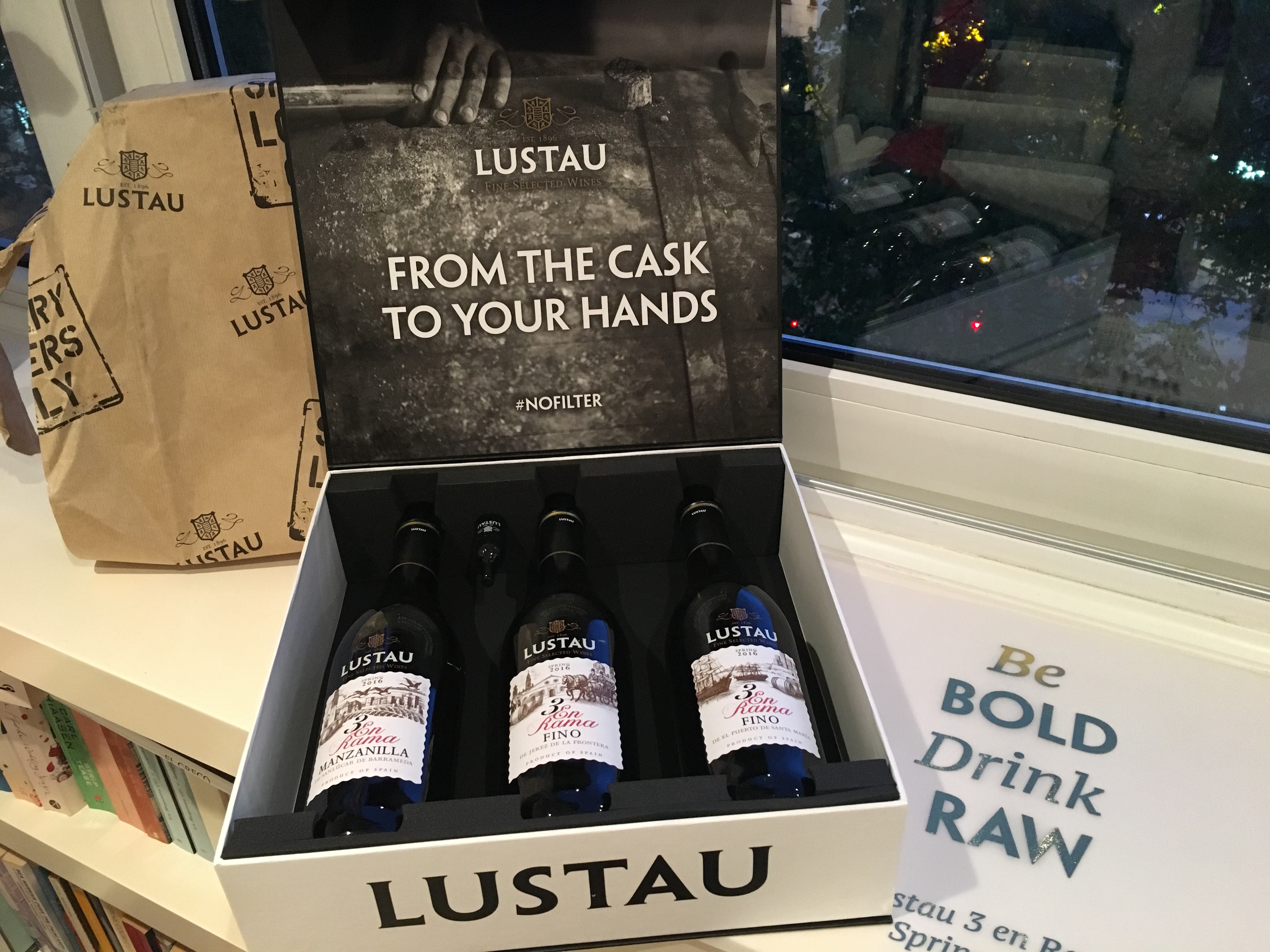
You have to say that is a fantastic presentation – and there is a little bottle shaped memory stick in there with promotional videos, tasting notes, press release, photos and pamphlet – a proper blogger could go to town with all this stuff. All I can try to do is express my gratitude to the chaps at Lustau who very generously sent this to me and congratulate them once again on three cracking wines.

The 3 en rama collection is, like the Almacenista collection, another great idea by Lustau and a concept with a lot of personality. They are selected en rama wines that have been aged in bodegas located in each of the three centres of el marco: Sanlucar (manzanilla), Jerez de la Frontera (Fino), and El Puerto de Santa Maria (Fino del Puerto). The wines are distinct and, in my limited experience, a good example of the characteristics of the three centres. As such they are a great introduction to the concept of the “other terroir”.

I couldn’t wait to get at them and they didn’t disappoint. All three are clean, fresh and defined. However good these wines may get with time in the bottle they certainly sing in these first few weeks (these were only bottled and released in April so we are a maximum of five weeks from the saca) and they all seem to have a brilliant curve of sweet notes to spicey saltiness.

  • The Manzanilla de Sanlucar de Barremeda starts highest and sweetest – the freshness of the green apples on the nose and at the beginning are really quite something, then there is a real zing and almost drying saltiness in the middle and at the end a fresh, tasty sweet finish with a residual tang of that green apple.
  • The Fino de Jerez de la Frontera has more of a vegetable, fresh celery semi-sweetness and a more intense, peppery zing. It seems to have more umami, more volume and a lower register, with an earthier nose and finish.
  • The Fino del Puerto de Santa Maria was my favourite of the three last year and yet again it stands out. It has a fascinating ozone, sea weed and sweet herb nose and is just as complex on the palate – with sweetness, herbal menace and a really salty bite at the end, but then the freshest finish. Really a top, top class fino.

In summary three cracking good wines – and covering all bases. A light approachable manzanilla, a heftier but still elegant fino and a really top class fino del puerto.

The wines are also a poignant testament to the great skill of the late, lamented Manuel Lozano. He was some winemaker and will be greatly missed.

Fino de añada 2009, Williams Colección Añadas

These Williams Colección Añadas are really fascinating. These are “vintage” sherries that have been statically aged – the year’s mostos put in botas and left to get on with it rather than forming part of a solera. As a result there is a bigger scope for variation in the resulting wine due to the different characteristics of the fruit and mosto used and the formation and development of the flor in the botas, meaning a bigger variation in what comes out of the barrel compared to the solera wines. This is a case in point: it is so utterly different to the 2006 Vintage Fino and the Pando it is remarkable.

This one is from palomino from old vines (between 60 and 20 years of age) in albariza vineyards in Añina and Carrascal (Jerez) and has been statically ageing for seven years in botas of american oak of 500 and 600L before the saca in february of this year, classification as a fino and en rama bottling.

The first time I had this I didn’t really have the time to study it in detail but I am quite pleased with the tasting note I came up with. The colour is indeed evolved, it has a fruitful, sweet and oxidized or “sherryfied” nose. On the palate it is rich and full bodied – a sensation of glycerin- and a resulting impression of fruity sweetness. It is as if the flor hasn’t really got to work on this. Having said that you can still taste the minerals in the background – a sensation almost like a mineral red. Finally there is also a touch of age in the finish – as if it was already heading down the woody path.

(Due to agenda issues I am still working on the horizontal/vertical/diagonal of the full set that I picked up weeks ago from Coalla Gourmet – in the meantime I have picked up a few bottles from  Reserva y Cata in Madrid so at least have some bottles to keep me going. Kudos to both for stocking these fascinating wines.)


Fino Arroyuelo en rama – saca de septiembre 2015 


Bite of lunch at Angelita Madrid and at the risk of repetition wanted to have another glass of this – the fino en rama from Finca Matalian – I had it at dinner here a week ago and it really sang. Today’s is from a freshly opened bottle and is also in great form.

I always think of the minerals with this wine – really zingy – and this is no exception on that score but this also seems to have more green apple aromas and apple juice up front on the palate. Maybe a difference due to the September saca? Will have try the March 15 I have at home to check.