Las añadas en el Marco de Jerez

Los Sobrinos
Required reading (in Spanish) from Ramiro Ibañez and Luis “Willy” Perez via the following link – lossobrinosdehaurie.com
These two guys need no introduction – they are two of the most exciting wine makers working in the region (or anywhere) today – and this is the first section of a work they have been preparing for some time .
The title, literally “Vintages in the Jerez area”,  is intriguing and suggestive of where I think the region needs to go (witness my cabinet reshuffle and views on vintage chic) and early on you get a flavour that the authors (both of them involved in making vintage wines as we speak) are of a mind when they remind us that “the last two centuries in which the dynamic [solera] system has predominated over the static, represent only 7% of the 3000 years of viticulture in the province of Cadiz”.
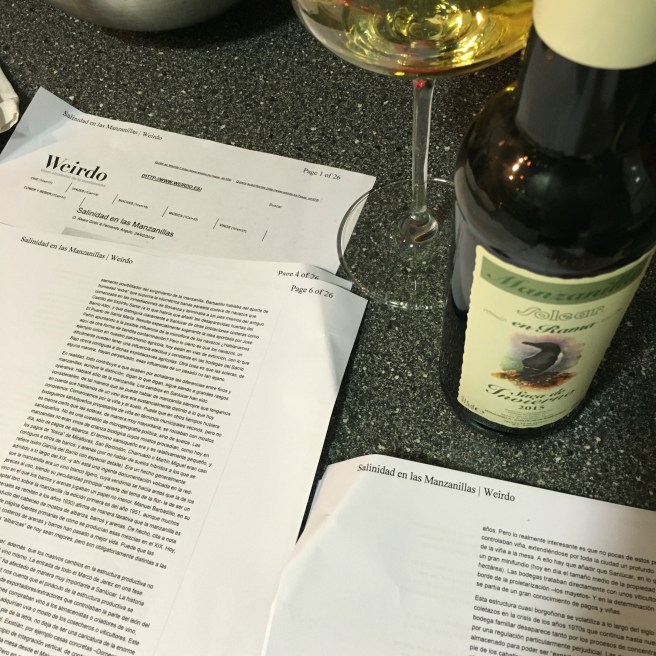
This first section certainly lays down a solid base. 52 pages of cracking documents, photos (including the above shot) and explanations setting out the early history of the area from the point of view of the winemaking and the wines:
  • The first chapter describes the wines and winemaking in the area “before the generalized storing of wine” (i.e., before it became customary to age the wines in origin, at the end of the 18th Century) including the introduction of biological ageing in Sanlucar, probably during the 18th Century;
  • The second chapter then covers the period 1788-1830/40, which it terms the “centralization of Jerez”, covering issues such as the increased use of palomino fino; and
  • The third chapter covers the period 1840-1870 (the “refinement of Jerez before the precipice”), including the birth of the classifications and symbols and the refinement of the solera process.
It is fascinating stuff that repays study.

Minerality, history, terroir, and winemaking: Angulo, Giron, Perez and Ibañez

I included a link to this exchange a couple of weeks ago as part of a general post on writings about Terroir and the wines of Jerez and Sanlucar but having had time to read it in full I really think it deserves a post to itself. (In fact it deserves to be widely read in full, but all I can do is encourage etc.).

The original post sets out a conversation reflecting on the probable causes of the minerality that many perceive in manzanillas between Fernando Angulo (of Champagne Sherry and Alba Viticultores) and Alvaro Giron Sierra (well known to readers of this blog and the source for the link).

The conversation was from 2010 but was posted in December 2013. In it, Fernando Angulo sets the ball rolling attributing the minerality of the manzanillas to the observable characteristics of the terroir (in both senses – land and bodega), the sea air and mineral soils, themselves the relic of the jurassic past, and their impact on the vine, the fruit and, even more importantly, the flor. In response, Alvaro Giron points out the lack of scientific evidence and the conventional theory that the perception of salinity is a result of the flor having consumed the glycerine from the wine, leaving the mineral element “naked” to the tastebuds, and warns against the difficulty of comparing given the use of palominos from jerez in the production of manzanilla.

What follows, however, is an absolutely enthralling below the line debate between the two authors, Willy Perez and Ramiro Ibañez which ranges far wider than the title suggests. The debate takes place over 5 days and 23 hours, and the exchanges are of a very high quality indeed – well reasoned and dense with facts and technical detail – and when you look at the times of the posts, you can see that the guys were consumed by it for a few days there (some of the posts are comfortably past midnight). There are 43 comments in total over 30+ pages and even if you look just at the more substantive entries there are no fewer than 21 – four by Fernando Angulo, eight by Alvaro Giron, five by Willy Perez and four by Ramiro Ibañez.

You quite literally get everything you could ask for, including (from memory and not necesarrily in order):

  • Descriptions of the chemistry and its effects on perceptions of flavour
  • Changes in the structure of the industry in Sanlucar through history
  • The former use of blends of fruit grown on albariza and clay (clay and sandy clay)
  • The tactile sensations produced by the wines
  • The topography and geology of the region, characteristics of different pagos, relevance of altitude
  • Impact of the disappearance of the “navazos”(the coastal gardens and meadows, not the winemakers who have taken that name)
  • Strains of palomino
  • The average ages of the vines
  • Fermentation in bota vs inox
  • Fermentation in lagares vs bodegas
  • Relevance of foliage and pruning
  • The historic relevance of and views regarding fortification
  • Willy Perez’s 16.3º mosto and unfortified fino
  • Relevance of the “aserpio”
  • The relative merits of terroir, fruit, solera and maker
  • Strains of flor and their effects on biological ageing
  • The impact of the acetaldehides for the flavour and aroma profiles of the wines
  • Comparisons with burgundy and other regions, particularly the great manzanillas of the 50s
  • Biodynamics
  • The harikiri of the progressive loss of genetic stock
  • The experience of the champagne region
  • The wisdom of el Bolli, el “Seneca de la viña”

It makes for a fascinating and entertaining read, largely due to the different perspective that each of the authors brings: Alvaro Giron’s knowledge of the region’s history and his inquisitive, scientific approach; Fernando Angulo’s interest in comparison with wines from regions worldwide; and Willy Perez and Ramiro Ibañez from the point of view of winemakers with a common enthusiasm but some intriguingly different perspectives.

For this reader, the absolute highlights are the posts by the winemakers: the technical knowledge and passion that shines in those posts is brilliant, and in their interventions you can see some of the thinking behind some of the most exciting projects going on in Jerez and Sanlucar today. (It is also frankly encouraging to see how much thought is involved.)

Really one of the best collections of thoughts I have read to date and one I can see myself re-reading many times.

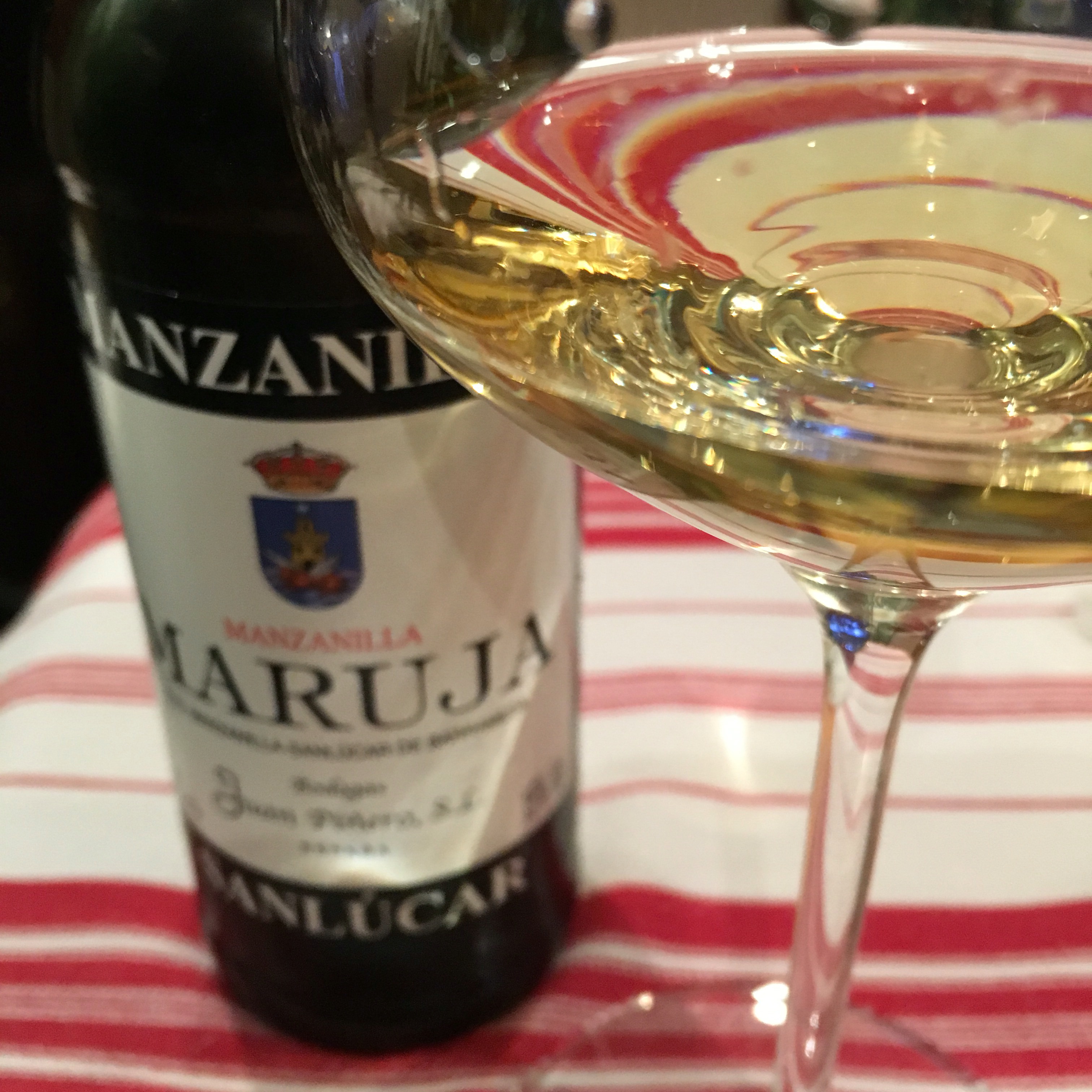
Manzanilla Sacristia AB 2a saca de 2014 

The Sacristia AB series are wines that have been selected by Antonio Barbadillo Mateos (a scion of the Barbadillo family but independent from the Barbadillo group). The Sacristia AB website surprisingly doesn’t have much technical information on the wines but I gather that these manzanillas, like some other illustrious bottlings, are sourced from Sanchez Ayala. In addition, there has been at least one amontillado and the current release is an oloroso.

I have been undecided about these in the past and looking back at my notes I can see a pattern: whereas I found the 1a Saca de 2013 (preblog) zesty and full flavoured, I found the 2a Saca de 20131a Saca de 2014 and Primera Saca de 2015 variously “shy”, “restrained” and “refined”. On the other hand, I also note that they improved once open – something I find can happen with wines that spend a little longer under flor.

In any event I like this one a lot and it is certainly not shy. Crystal clear (glass above had been in heavy use) and the colour of straw with a hint of orange. A nice acetaldehyde aroma profile with citrus and undergrowth, and on the palate zingy sapidity, sides of the tongue gently ablaze and savoury/citrus flavours. Interesting sensation of bitterness and drying on the top of the tongue and in the corners of the mouth, and the mouth keeps watering, keeping the nutty, bready flavours going.

Brilliant.

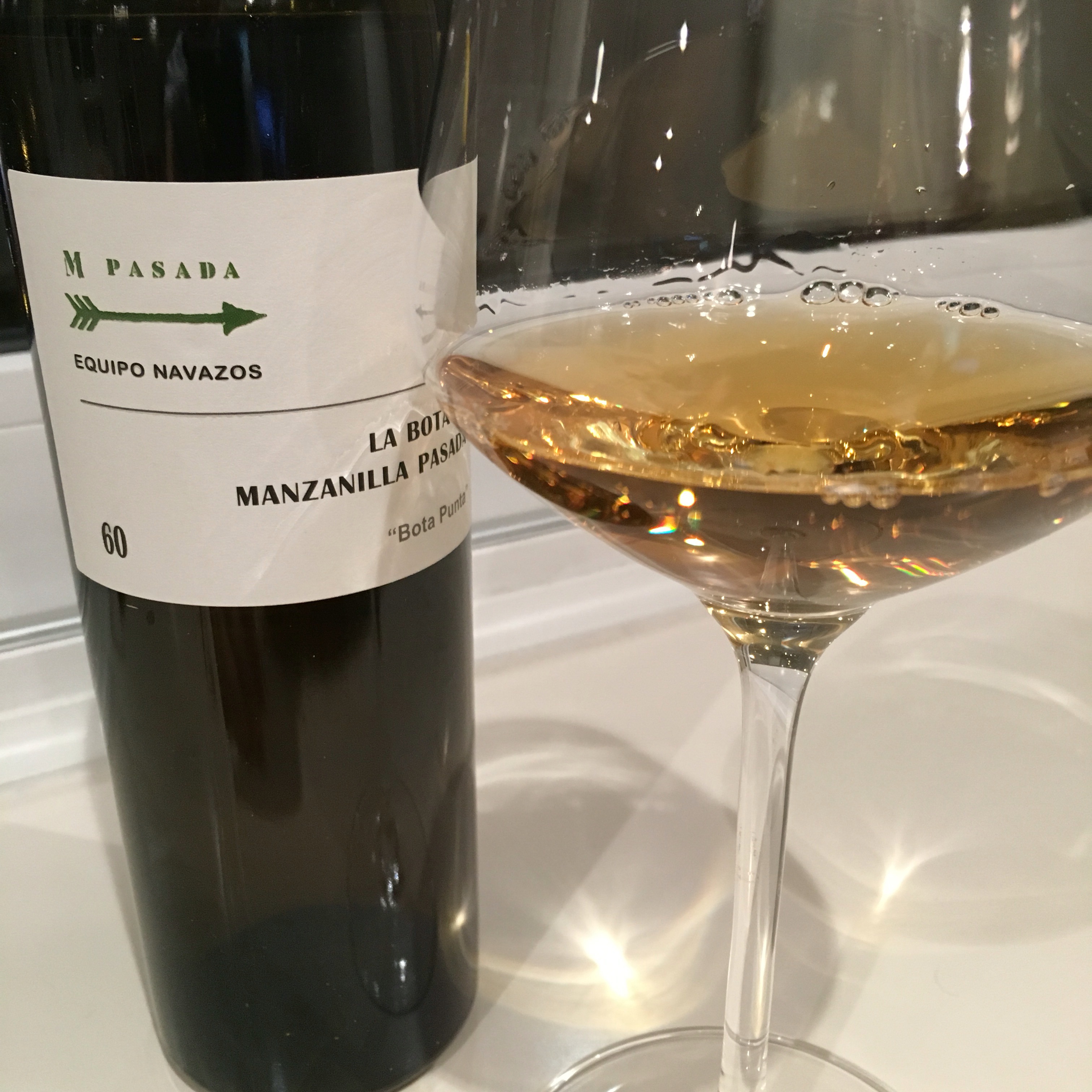
La Bota de Manzanilla Pasada 60 – Bota Punta

  
Another manzanilla pasada by Equipo Navazos – acquired from Coalla Gourmet  (as one of their wines of the week no less).

This has a dark gold colour – black and gold rather than orangey – and a nose that is briney with just a suggestion of baked fruit in there. 

On the palate it is very refined and smooth, very faint fruit notes at first, then the refined, laid back salinity – zingy but almost as an afterthought – then there are those baked fruit flavours, which get taken over by the salinity in the finish. 

Very refined and elegant all over.

Fino los Amigos 

  
At a work conference far from home but among friends with this very decent 100% pedro ximenez fino from Perez Barquero. It is 3-4 years under flor and very pleasant. 

Yellow-green in colour, rich colour too. Nice punchy almond nose, slightly heavy bodied but nice nutty, herbal flavours.

Not bad at all. 

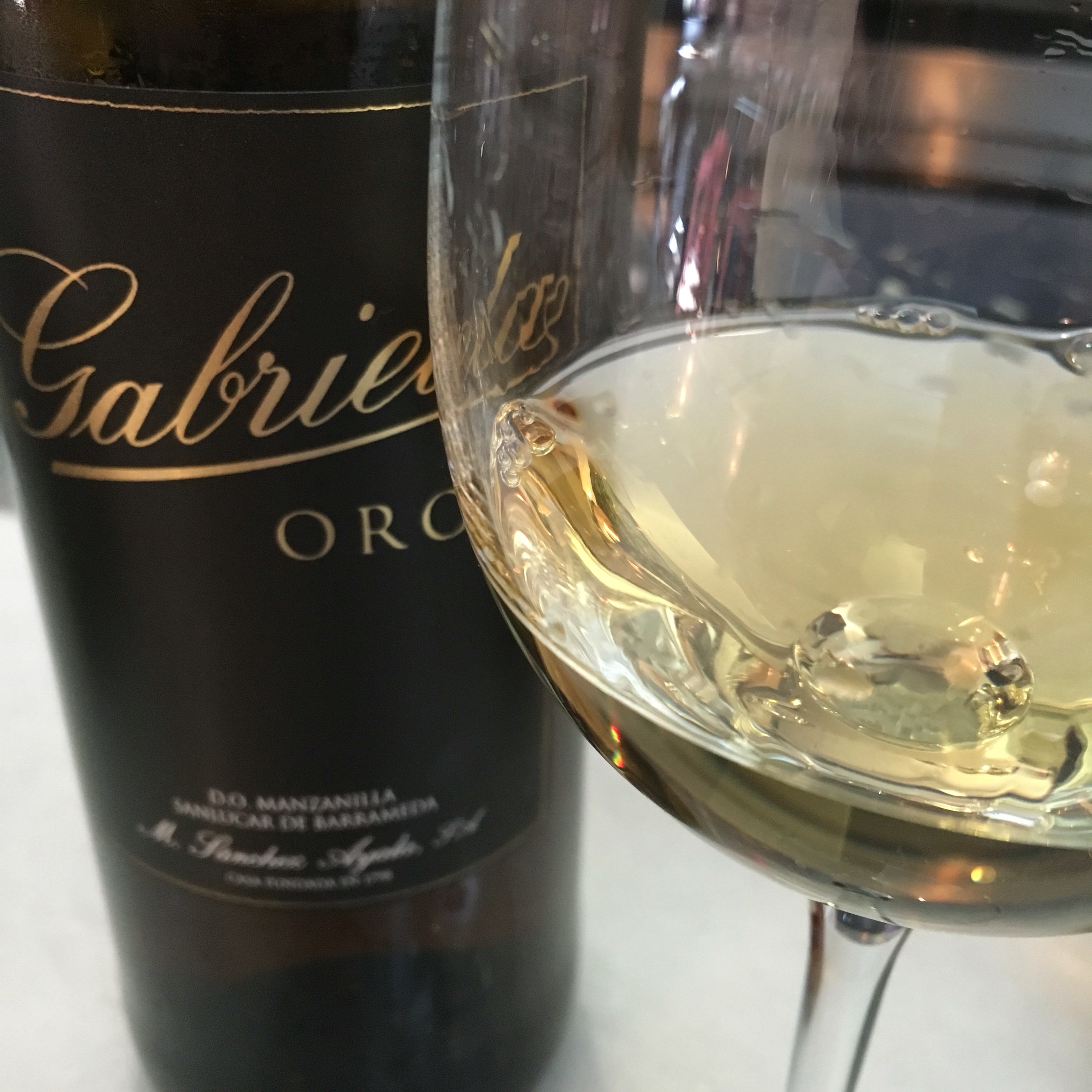
Manzanilla Gabriela Oro

  
Like this very much – slightly dull, pale gold colour, wonderful refined yeasty aromas – citrus and undergrowth – and a very pleasant silkiness on the palate. Salinity is there giving it volume and sapidity but it is cool on the tongue and there is no zing to it. Salty, mouthwatering finish. 
This is by Sanchez Ayala and has a Little brother

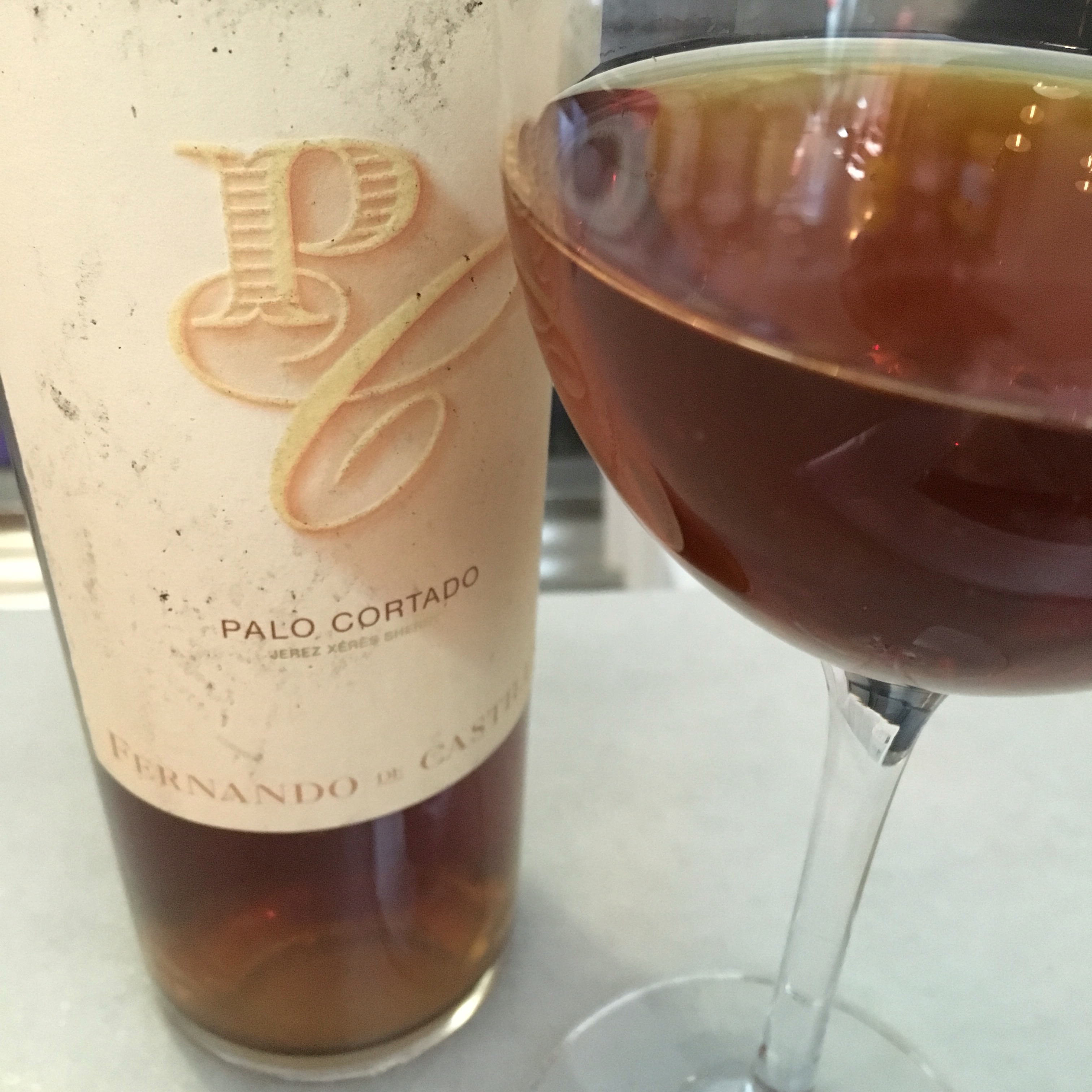
Palo Cortado Antique 

I really admire Bodegas Rey Fernando de Castilla and I enjoy the wines – I once had an opportunity to taste them all together and couldn’t help noticing the mosto in the background, the way the mosto shone differently through the different wines like light through lenses. They have two ranges – the classic and the antique – and I bet you can guess the difference between the two. Anyway, this is the palo cortado Antique, which I once mistook for an amontillado, and tasting it again I can understand why.

It is slightly cloudy in appearance – but a lovely reddish auburn colour. On the nose it is sweet, honeyed, sweetly spiced, nutty nose. Same first up on the palate – really nice sweet entry – then that spicyness and the woody flavours, then spice again. Not as heavy hitting as some but no astringency to it – I really like how light and elegant it is.

Age before beauty?

Not long ago I was lamenting the fact that the most expensive sherry I could find on a top class wine list was only the 345th most expensive wine on there. As if on cue, Barbadillo have just released a monstrously old, rare wine, with a wonderful back story (and name) and a strictly limited production amontillado called the Versos 1891 and have slapped on it the eye watering price of £8,000 – just over €10.000. (A look back at that same list puts this wine much higher up the pecking order – in the top 20 indeed.)

600x300versos

Now you don’t need me to tell you that this blogger won’t be getting within a mile of this nectar (although I would be happy to have a crack) but, knowing the exceptional talent of enologa Montse Molina and the fabulous wines they have down there, I am prepared to bet it is absolutely top class. I am also prepared to bet, however, that it is somewhat challenging, to use my favourite euphemism. Indeed, in this entertaining post by Victoria Moore in the Telegraph she notes that: “The wine itself is insanely intense.”

It worries me. Is “insanely intense” the definition of excellence for the wines of Sanlucar? Not for me. I must admit when I started taking a serious interest in sherry I was fascinated by these really old, big beasts, but the more sherry I drink the more disconcerted I am by the concentration in them. These very old soleras definitely gain in character as the years go by, but with a few exceptions I find a lot of the very old wines difficult. Not just the concentration either. I find the flavours can turn a corner – from chocolate, pine forests and fresh pipe tobacco to dusty leather and stale cigarettes. (Recently I find the super aged wines easier to deal with in the sweeter styles – the very old PXs and moscatels can be absolutely outstanding.)

It brought to mind a comment by Pitu Roca in the Mystery of the Palo Cortado where he talks about the possibility that Jerez gives you of drinking “history”. I wouldn’t dispute that, but by choosing to make a bottle of “history” the most expensive bottle of sherry ever, is there a risk of sending the wrong message? I for one would rather hear that it was the most exceptional bota of all the many thousands the Montse has tasted during her illustrious career – and that is not something I have read so far.

It is just a minor worry – I for one hope that Barbadillo sell all 100 bottles and that their purchasers treasure them. In fact when discussing this issue recently someone made a comment that made me giggle. They reckoned that the way to approach these concentrated wines is to give them a good spell of bottle conditioning to soften the effect – say twenty or thirty years!

Oloroso Pata de Gallina Juan Garcia Jarana


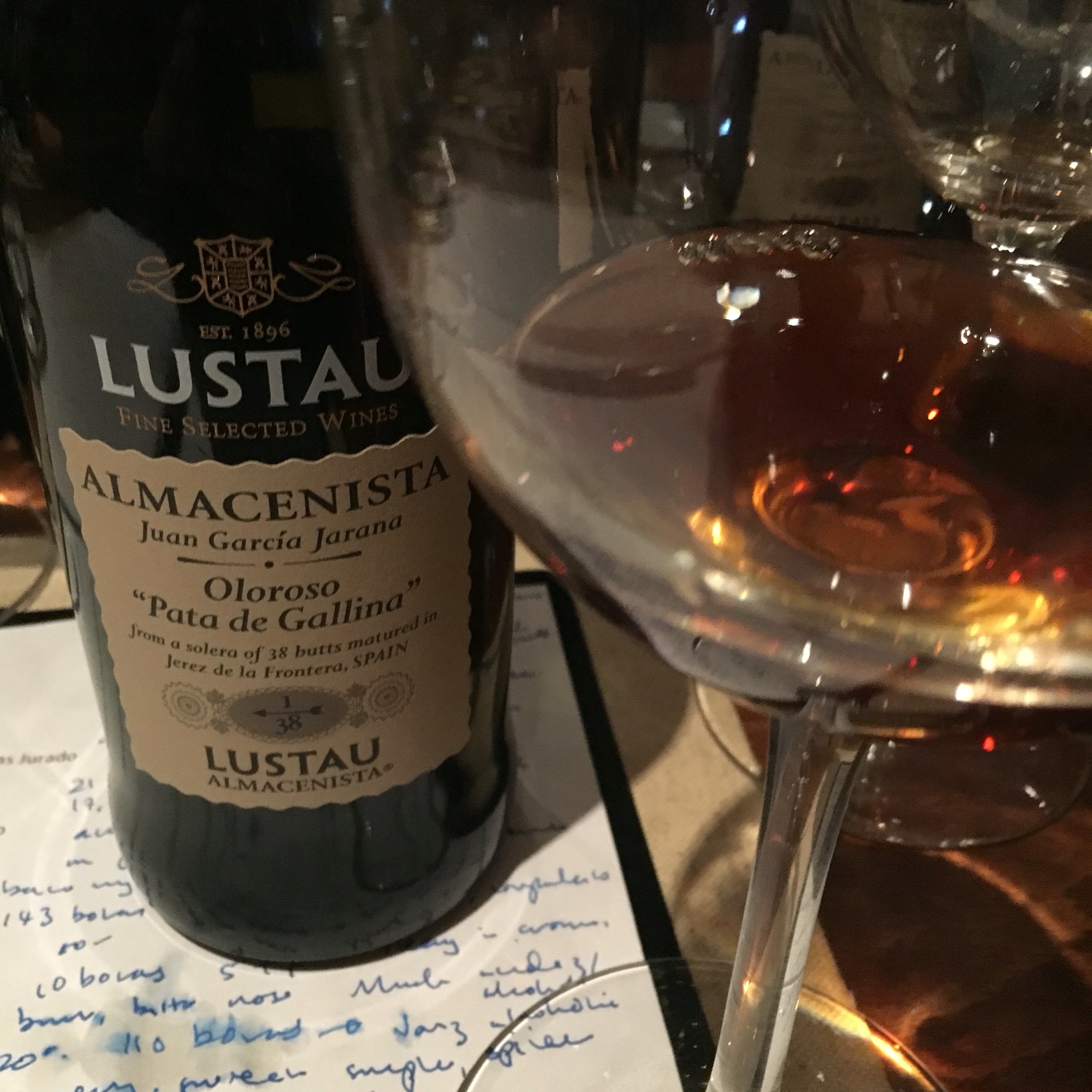
The last wine of the Almacenistas tasting was this lovely Oloroso by Juan García Jarana. It was the only wine of the cata that I knew of beforehand and one I was looking forward to seeing again and learning more about.

It has been aged for an average of 15 years, is about 20º proof and comes from a solera of 38 butts. Apparently the name “pata de gallina” is a distinction given to wine that has a higher than average amount of glycerol – making the wine seem rounder and fuller than it might otherwise be. Whatever the reason, this is a little gem.

It is a crystal clear chestnut colour with a little more red and a touch less brown than its predecessors (this would have been a good cata for a side by side photo of all seven, had it occurred to me at the time). Almonds were a bit of a theme in this cata and here again there were almonds on the nose with sweet notes too and mineral smokiness underneath. Then on the palate it is full of flavour – zingy buzz to it and nice caramel, almond flavours, but spicey rather than bitter or astringent – very nice harmonious shape to it.

A really beautiful little wine – and my favourite of a very strong lineup.