Viña Matalian 2013

Was fortunate enough this week to meet Primitivo Collantes, the man behind one of my favourite wineries in the sherry triangle and the best piece of real estate in Chiclana: Finca Matalian. Given the occasion I thought it was time to see how this palomino fino from that little plot in 2013 had developed in bottle and it wasn’t at all bad.

Quite a dark colour, with clear signs of a little bit of bottle oxidation, but on the nose it still had nice aromas of some fruit and some sweet herbs – maybe more herbs than fruit compared to when it was young. Similarly on the palate it had jammy fruit and it seemed to us to have gained a bit of spice and saline intensity.

A nice wine ageing gracefully (still have another bottle somewhere too).


Campeonisimo 2014

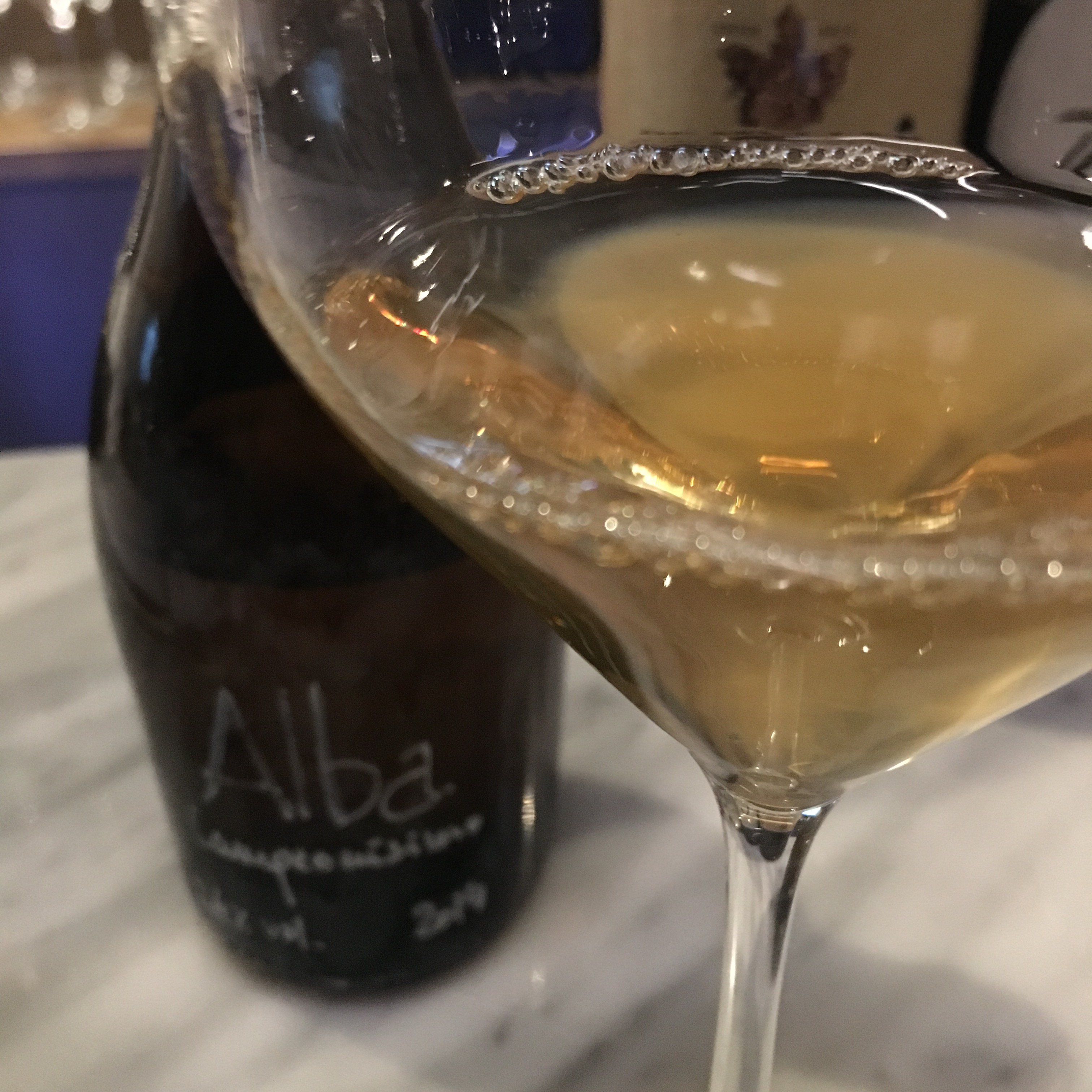
Had a cracking late supper at Angelita last night and tried a few interesting things, none more so than this. It is yet another of the many wines by Alba Viticultores (by my count it is the 11th different wine I have tried). It is a 100% listán sanluqueño (palomino fino) from a vine called “Campeonisimo” or “superchampion” in Pago Miraflores. This is the 2014, which spent 10 months in tinaja – apparently four of them under flor – and is 12.4% with no sulfites etc.

It is dark in colour for an unfortified palomino, looks for all the world like a manzanilla pasada. On the nose it had a sharp edge and pungency. On the palate it had relatively good acidity and while it wasn’t full bodied as such it was tasty  – ripe apples and savoury, herbal touches – and with a nice sizzling chalk effect at the tail end of it.

Another little gem.

Alba Brut Nature – and some superb champagnes 

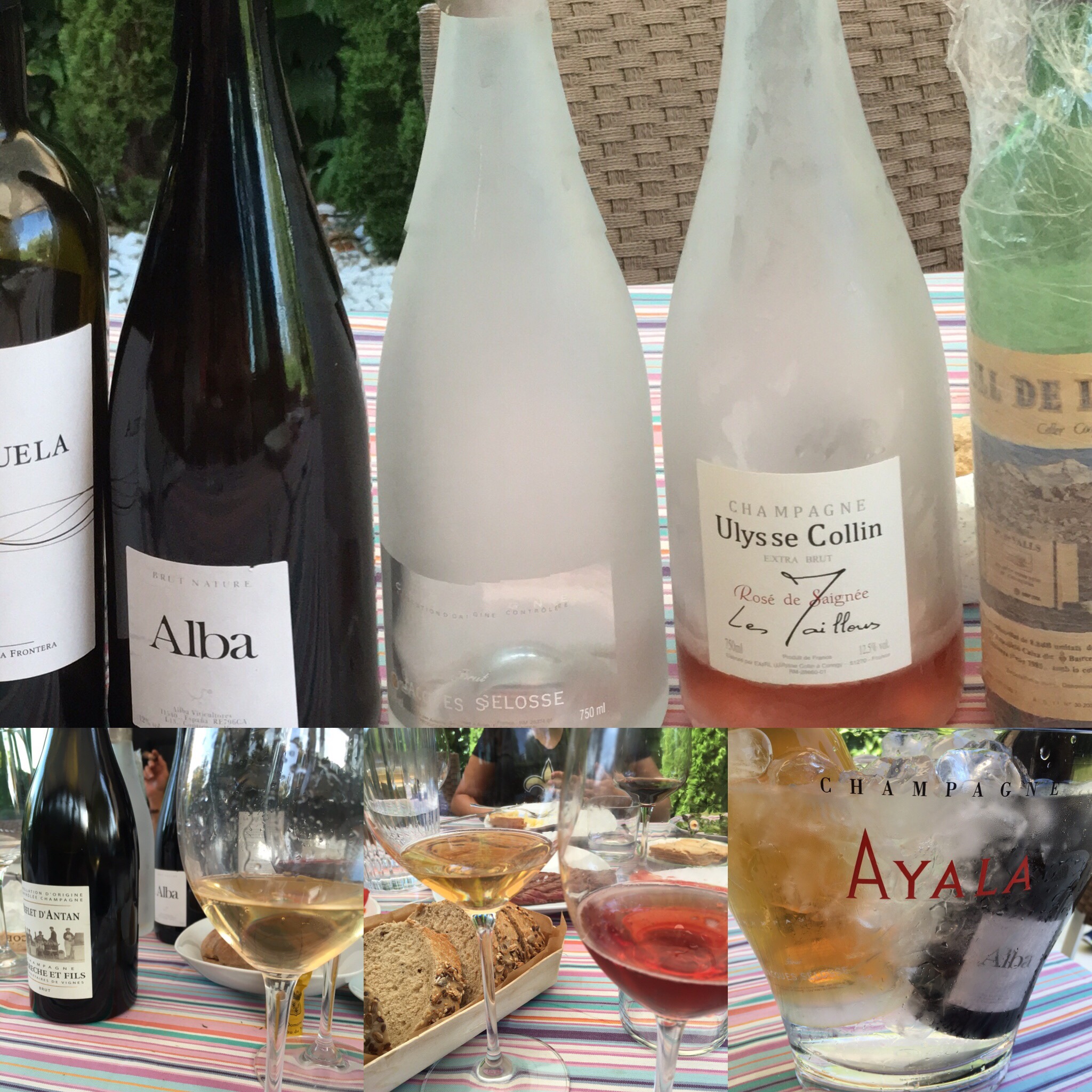
I wrote about a really fun tasting of the wines of Alba back in the spring and since then have picked off another couple of bottles individually – most recently at a champagne heavy barbecue this weekend. It wasn’t an occasion for much note taking but it was still a good opportunity to see how these palomino bubbles from Sanlucar fared alongside some more classic bottles from further North (and not just anything either, a Brut Rose by Jacques Selosse, a Rose de Saignée by Ulysse Collin and Reflet d’Antan by Bereche, no less).

The champagnes were absolutely sensational – particularly the Selosse and the Ulysse Collin – just superbly elegant, stylish bubble. They were wines from a different league altogether but even so the Alba didn’t fare too badly at all. As we said in April it came across as a proper sparkling wine – nice bite and  crispness – even a bit of class to it. A touch more herbal on the nose and lighter in profile than the other wines, and it didn’t have the same level of structure and definition, but it had a nice biscuity and herb body and a very fresh finish. Not bad at all.

Not strictly speaking comparable wines, another really unfair comparison, and to be honest not really a comparison as such, but the Alba came through a pretty high level lunch very nicely. Bravo!

Mirabras 2014 

I first tried this a while ago but fleetingly and, although a palomino purchasing moratorium is currently in place, I couldn’t resist picking up a bottle this week in Reserva y Cata.

Small production – just 2000 bottles, from a single vintage of a named vineyard  (Cerro de Leyes) – which the web describes as home to the oldest vines on the Santa Lucia pago. The grapes were left to dry in the sun a little, then the wine was fermented in an old sherry bota, was a few months on its lees, a few months in bota and then in inox.

It is a rich gold colour and on the nose has the distinctive sweet herb aromas of palomino. Then on the palate there is no mistaking where this comes from. It has nice acidity the sweetish fruit of the palomino but then there is zingy salinity and celery-like spices, salt and pepper. A real chip off the Solear en rama block.

Really distinctive and very tasty.

Navazos Niepoort 2014


For me this is now a classic in its category – the first unfortified palomino I read about and tried (and didn’t understand at the time, to be quite honest). Now there are plenty such wines around – I took it to dinner a week ago to be tasted blind and it was remarkable how many other wines people mistook it for. I enjoyed it that night and am lucky enough to have another crack thanks to the marvellous wine list at Taberna Averias.

Very nicely integrated, mineral but juicy palomino fino – this one is a deeper colour than I expected and the bottle may have been open a while. On the nose it has a slight metallic aroma and sweet herbal notes – bit of white fruit maybe.  Then on the palate there is just a suggestion of herbal sweetness turning to bitterness and gentle, nicely integrated minerals – not zingy or salty but earthy and pebbly – with a touch more cool metal at the end.

Really good stuff – you can’t beat the classics. 

UBE 2014 

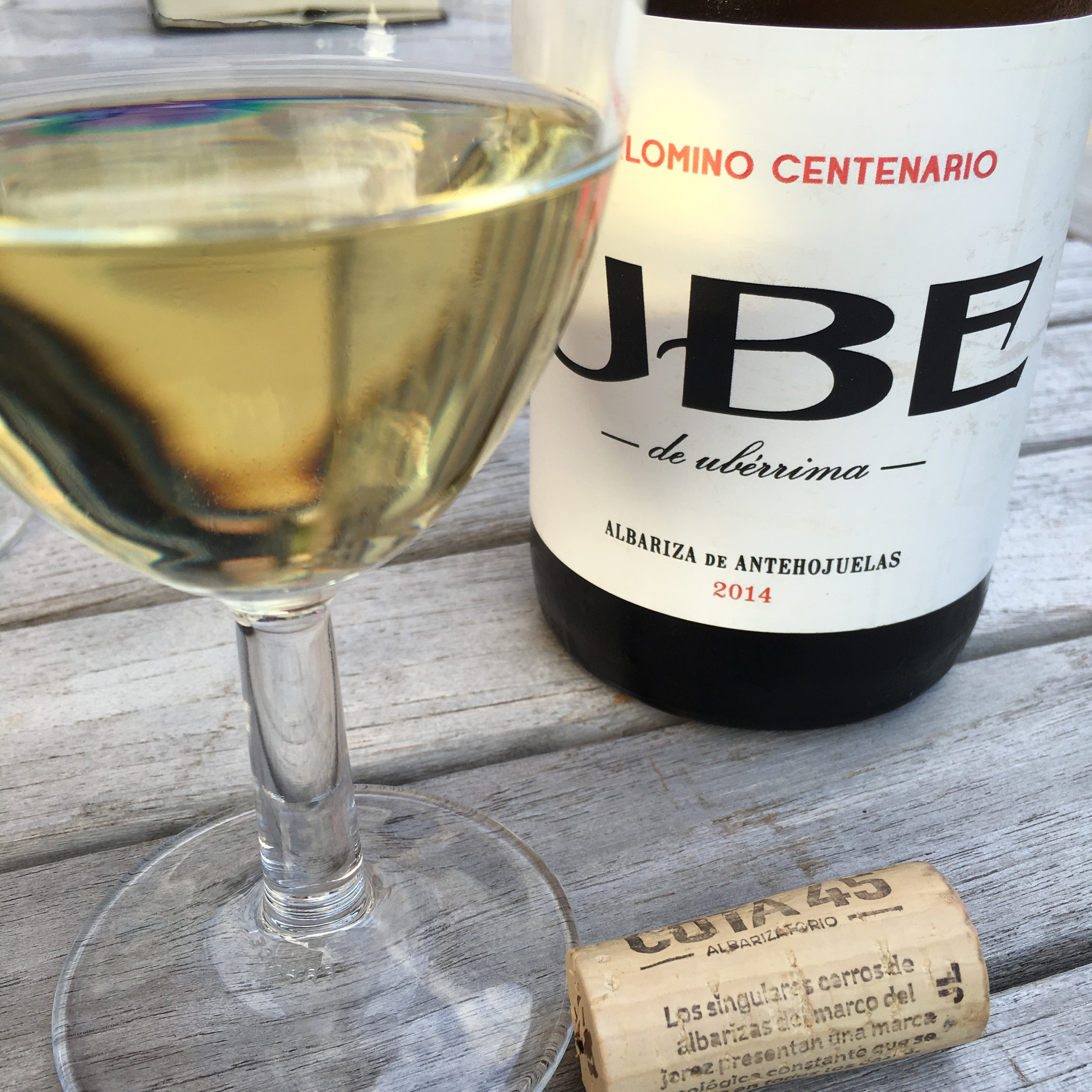
A really fine bottle of wine from Cota 45 – this is a little ball of flavour. One of a number of cracking bottles of wine opened on a sunny terrace what stood out about this was the savoury, herbal quality of the flavours. Not acidic but a nice freshness to it. A class wine. 

The young flor and the old bota 

Interesting contrast here between two wines that are both 100% palomino fino and have both spent time in bota but with and without flor, respectively. (They are also from opposite ends of the Marco de Jerez.) What I find interesting is the fact that what I recognize as the wood influence of the barrel is much more marked in the Socaire – which has spent two years in an old fino bota – than in the Manzanilla de Añada – which has spent nearly four.

I am no expert here but I am guessing that this lack of wood effect may be a function of the flor at work, or that the barrel influence is balanced by the lack of glycerine and sugar in the wine. Or it maybe that what I am attributing to the wood is really the effect of the wine impregnated into the barrels. On a completely different level, it reminded me of one of the more extraordinary wines that we tasted by Alba a while back: Alba Pago Carrascal Las Alegrías 2014. That wine was un unfortified palomino fino from Pago Carrascal (de Sanlucar) that aged for 18 months in a 650 litre chestnut bocoy that had held oloroso for over 80 years – and as a result had gained a fascinating, fine character and profile. It also brought to mind Mirando al Sur, a fascinating 100% viura from Rioja by Oliviere Riviere that had spent 18 months in a sherry bota.  (Indeed although I am even less of an expert this kind of thing has been de rigueur in the whisky business for donkeys years.)

It is something that has intrigued me ever since I started thinking about these wines: trying to get a handle on the importance of the barrels used. One of the first things a winemaker will tell you about their wines is how much oak it has had, where the oak was from and whether it was old or new. This conversation just never happens in relation to sherry. Maybe because of the historic nature of many soleras and the very limited number of vintage wines: even the new soleras that appear tendo to inherit barrels from old ones, while the vintage wines I know of, from memory, appear to be aged in old botas.

It would be fascinating to try something made in a new barrel, or maybe to make some wine in new american and french oak and give them a run against the oldies. Who knows maybe there is a stack of literature out there that I am not aware of – if so give me a shout.


Socaire 2014 


I firat had this last week at Surtopia but having received an emergency aid package from the Cuatrogatos I wanted to give it a proper run out in its own right.

It is a 100% palomino by Primitivo Collantes that I have been looking forward to ever aince I tried its little brother, the Viña Matalian. It is unfortified and has not spent time under flor but was fermented and aged for two years in botas that had formerly held Fino Arroyuelo. 

The result has a beautiful gold colouring and a lush nose with fruit, almonds and sweet herbs as it opens up. It has a chalky touch and is very slightly saline without being zingy – minerals like a chablis as we said the other night. Like its brethren it is long rather than wide – tastier for that time in the barrel but elegant and fresh.

Really good, another Chiclana classic. 

Ramiro Ibañez in Surtopia – Day 1 

I have a total of 25 pages of notes from the two days that Ramiro Ibañez was doing the butling at Surtopia. It was not just interesting, it was fascinating. Will take me a good while to write them all up but no time like the present etc.

The first night involved five wines chosen to accompany some fatty, meaty tuna dishes (at this stage the so-called “blogger” realizes that none of the 25 pages of notes refer to the food and hopes noone will notice the lack of detail). In fact I only have three pictures even …
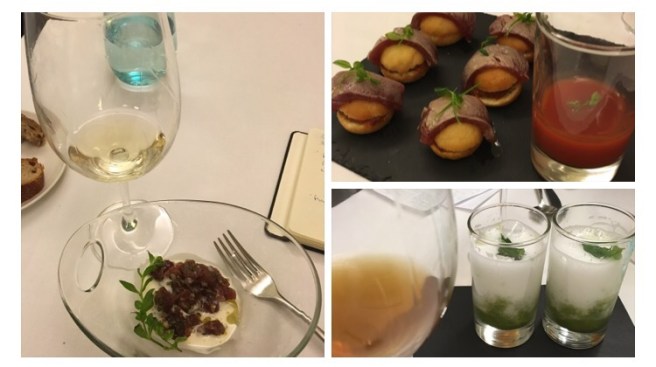

At least I have some notes of the wines:

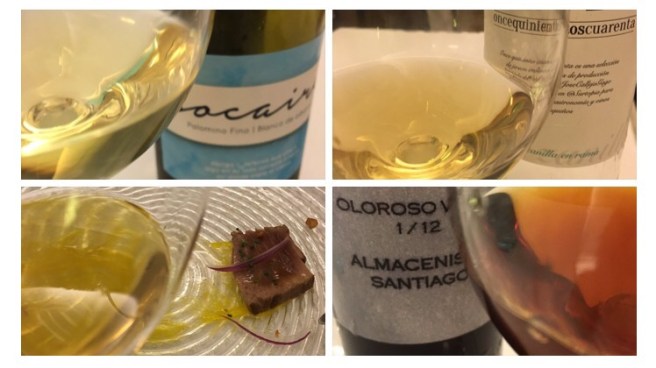
Wine #1 was Socaire 2014, a 100% palomino by Primitivo Collantes that I have been after for a while (in fact my first bottles were delived the same afternoon I went to dinner). 100% palomino from Finca Matalian, it is unfortified and has not spent time under flor but was fermented and aged for two years in botas that had formerly held Fino Arroyuelo. They were two years very well spent. The result is a beautiful dark gold colour and has a fantastic, lush nose that is blanc des blancs champagne first up, and gets more and more herbal – sweet herbs like rosemary or oregano – as it opens up. On the palate it is chalky and slightly saline without being zingy – austere minerals like a chablis. Long rather than wide, but wider than its little brother the Viña Matalian and a really interesting wine.

Wine #2 was the new edition of the 11540 Manzanilla. Whereas previous editions were selected from Barbadillo’s Solear, this fella is from legendary Sanlucar bodega Sanchez Ayala – from  1/46 of the original Gabriela Oro solera to be precise. Sanchez Ayala has been a happy hunting ground for exclusive bottlings in the past and the wines have a high acetaldehide style that is extremely attractive (and fashionable). This one has an average age of about five years and has been through 7 classes. It is a shade darker than the Socaire, a dark straw colour, and has a massive nose of hay bales, salty brine, roasted apples and spices. On the palate it is zingy, salty, with a suggestion of that baked apple but then a long, nutty finish. Really excellent again.

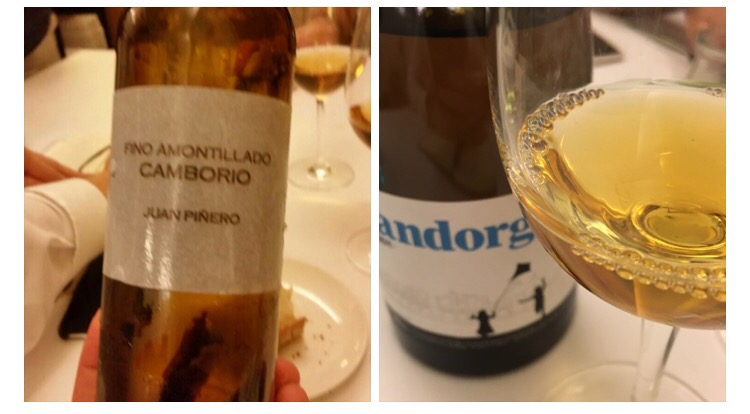
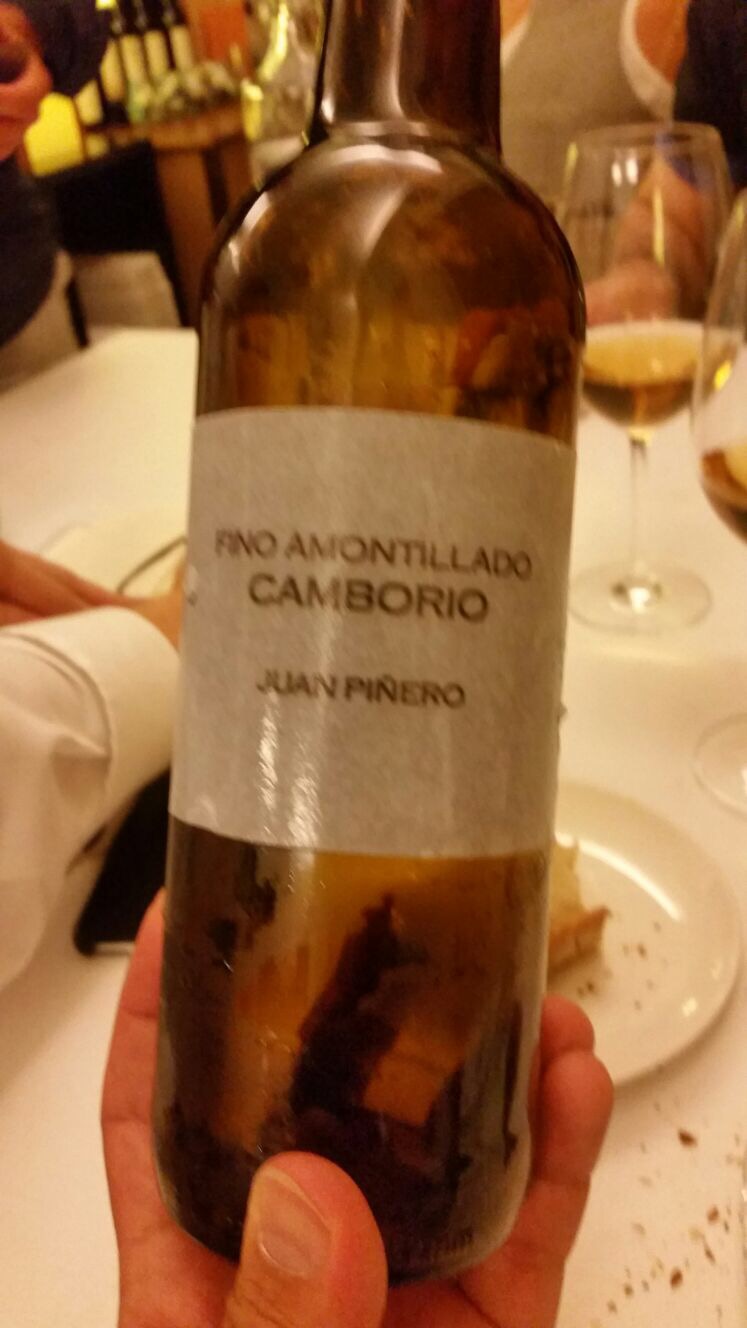
Wine #3 was the wine of the night for me: a Fino Amontillado Camborio. Fino from the legendary Camborio solera with those 10/11 years of biological ageing and that mineral structure that has been given a year of oxidation and has gained in character. Again a big acetaldehide profile of green apple over the sea air minerals of the fino but also touches of lemon on the nose. On the palate there is a suggestion of that green apple, then spices and herbs and a long, mouthwatering bitter almond finish. Really rich in feel and flavour but elegant too. Really superb.

Wine #4 was the only wine of the night that I had tried before – the Pandorga 2014, the stunning fruit bomb pedro ximenez  from la Panesa vineyard in Carrascal de Jerez. After a relatively cool growing season the grapes and 11 days of asoleo before fermentation in bota without any kind of temperature control. Fermentation lasted six weeks producing a wine that is 12º, has 270g of sugar, and more importantly has bags of fruit flavours and aromas including olives, apricots and orange marmalade. A delicious expression of year, terroir and fruit that has already become a classic.

Wine #5  was the “big dog” of the night, an old old Oloroso 1/12 from Almacenista Santiago. Really powerful, rustic, old school almacenista oloroso. It is a dark reddish brown in colour, with a cigar box woody nose and a really powerful, bitter palate. Real acidity and concentration and although it didn’t have any noticeable juicy sweetness neither was it astringent or dusty. Good salinity too but not over powering. No doubt about it: a fighting wine.
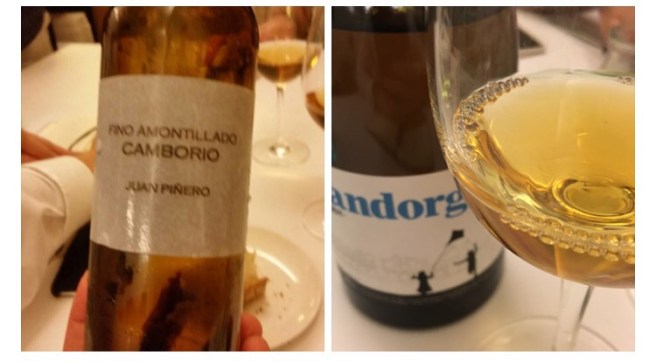

And that, as they say, was that for the first night (but not for my notes thereof – the remaining five pages of increasingly illiterate scrawl need much more work and reflection). Five really unique wines and a privilege to have been there.

 

Solo 2013

Here we have the latest new kid on the block, a wine I picked up from Enoteca Barolo and about which I have seen a lot of on twitter and the like lately.

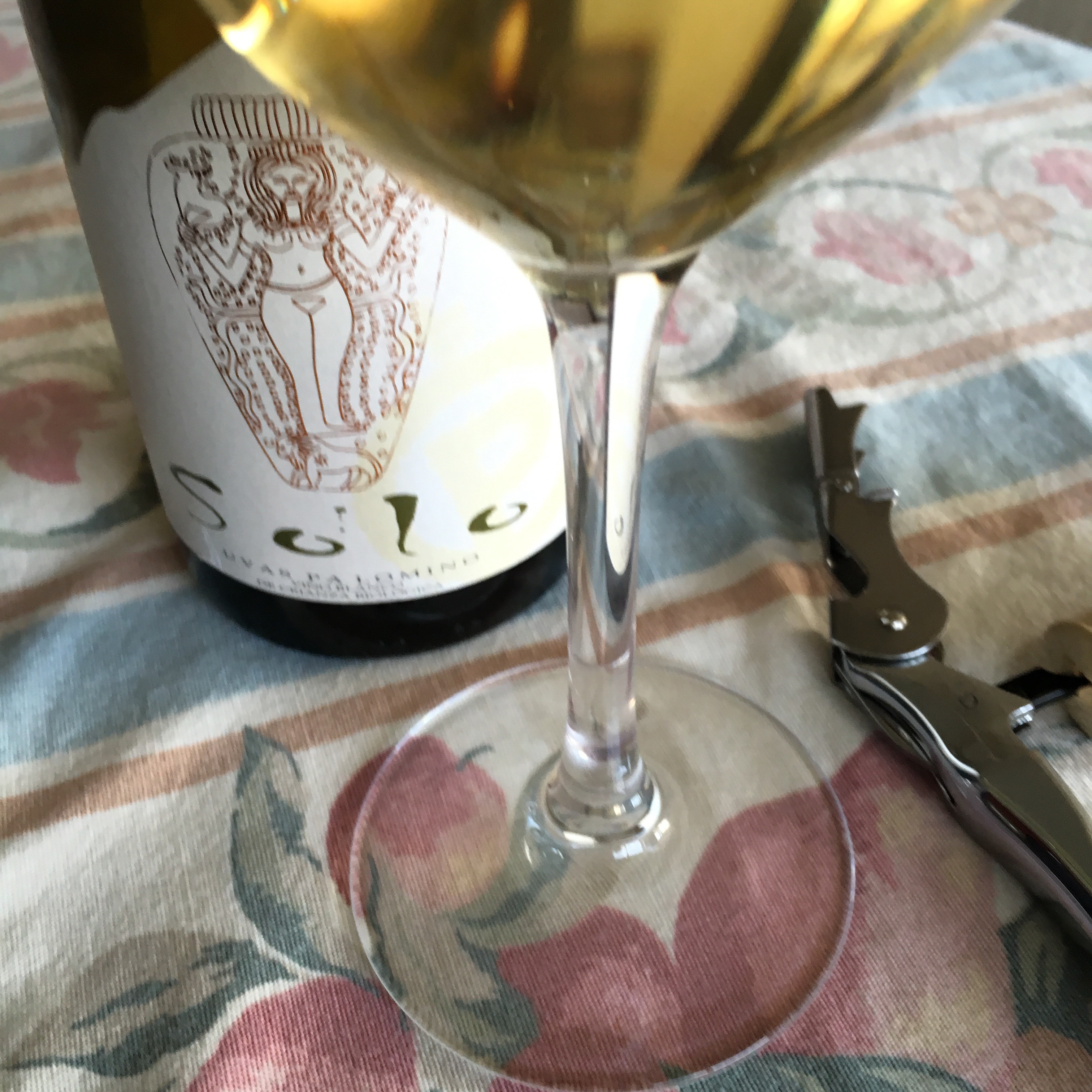
It is from Lebrija, a town to the North of Jerez on the banks of the Guadalquivir and in Seville province, by Bodegas Gonzalez Palacio – a bodega founded and has a pretty good ficha  and a pretty good website with descriptions of the vineyard – Viña Abuelo Curro and the Lagar as well as the Bodegas – gives you the sense that they fall into the “winemaking” category.   As does this wine – it is an unfortified 100% palomino aged under flor in bota for 12 months (a 2013 so it has had a bit of time in the bottle too). So old school it is new school – fans of the history of the region will know that this sort of thing  was extremely popular in the 17th and 18th Centuries before the soleras came along (and in case you missed it it also says so on the back label).

It is nice colour – a slightly dark gold/straw with touches of green, and has the pungent aroma of a mosto. Smells like it is going to be full of fruit – baked, cidery apples and maybe just a touch bready. Then on the palate it has that little bit of biologically aged class – fresh and saline to balance the fruit. On the website they say pineapple and I would agree (not a ripe, sugary one, a slightly tough one), with a bit of bitterness and a fresh finish.

Another promising edition to a burgeoning new category of wines that some hope will be the new “entry level” for the wines of the region. Interesting stuff.