Jesus Barquin: Fortification vs asoleo

Wanted to make sure I posted the link to this cracking piece by Jesus Barquin on elmundovino.

In it he analyzes the reason why finos and manzanillas in Jerez and Sanlucar are generally fortified to 15%, describes the alternative methods of getting to that level, and in particular asoleo (leaving the grapes in the sun as is common in Montilla Moriles) and explains his view that modest fortification is preferable to asoleo in terms of preserving the fine character and qualities of finos and, by allowing fruit to be harvested at the perfect ripeness, the expression of terroir.

To say it has kicked off a debate is an understatement, the author has some choice words for many in the twittersphere but it is fair to say there is disagreement even between the real experts in the sector.

My own thoughts? The suggestion that the best way of allowing the wines of Jerez and Sanlucar to express terroir is by adding alcohol is counterintuitive to say the least. Nevertheless, to be honest I think I am a Barquinista, at least until proved otherwise.

  • First, there is no question at all that mostos express terroir and fruit characteristics. I refer here to the Pitijopos and numerous other examples. No doubt.
  • Neither do I have any doubt that finos and manzanillas express terroir and fruit characteristics. The biological process makes dramatic changes to the wine, but there is no mistaking the features and character of the underlying mosto (when visiting any bodega I would always recommend tasting the mosto whenever possible).
  • From my own limited experience he is also dead right to say that the pedro ximenez dry sherries from Montilla Moriles have a chunkier, woollier structure than their counterparts further South and tend, in my experience, to be just slightly less expressive. We are talking fine margins here, these are excellent wines but I feel they just don’t develop the same range of flavours. (Now is that a product of the asoleo or the different fruit involved? I am not expert enough to know.)
  • As for the effect of adding alcohol, I have been looking back through my notes and I have only found a handful of instances where I found the alcohol became noticeable – and generally in olorosos or palos: almost never in a fino or manzanilla of any quality.

In summary, my view would be that the fortified finos have a fine, expressive quality that is just slightly out of the reach of their cousins in Montilla Moriles, that the characteristics being expressed reflect, at least in part, terroir, and that the fortification with alcohol does not seem to interfere with the profile of the wines.

On the other hand, I am very thankful that I don’t have to make these wines because the more I learn about them the more I realize how little I know. As Jesus Barquin points out, we will soon have a chance to find out if he is right, since certain small producers (frequent readers of this blog can probably guess who) are exploring asoleo in Jerez and Sanlucar at this very moment.

In the meantime, it is fascinating stuff to follow (I am technically incapable of linking to the twitter discussion but if you look on @undertheflor you will find a couple of interesting retweets allowing you to follow streams up or down).
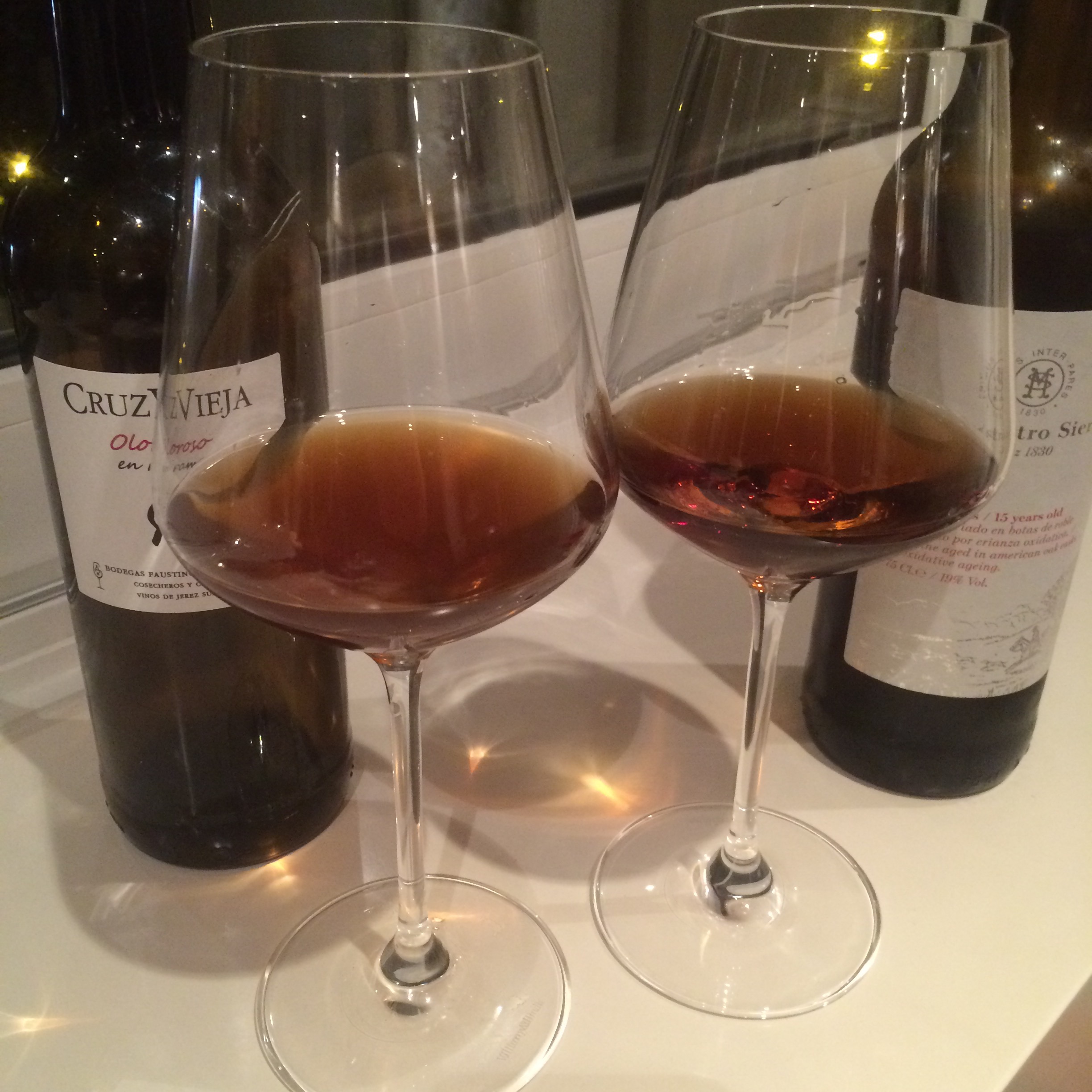
Oloroso Maestro Sierra 


Tasted this next to the last glass of the Cruz Vieja “oloroso en rama” and as you can see there is quite a difference in colour and clarity.

To be honest I prefer the cleaner look to the Maestro Sierra – a nice chestnut red-brown. On the nose it is nice and bright, a sweet woody oxidated aroma (maybe overripe fruit) with a touch of polish and alcohol.

On the palate it has some acidic, alcoholic buzz and then intense fruity (again, there is a flavour of raisiny, oxidated fruit that reminds me a bit of an over-ripe Chateauneuf or a big jammy Douro red), woody, caramel flavours – medicinal and slightly bitter.  Not too astringent or drying, but although it lasts in the mouth the sweeter tastier notes seem to fade quickly.

A bright, sharp oloroso – this would be great with a spicey stew.

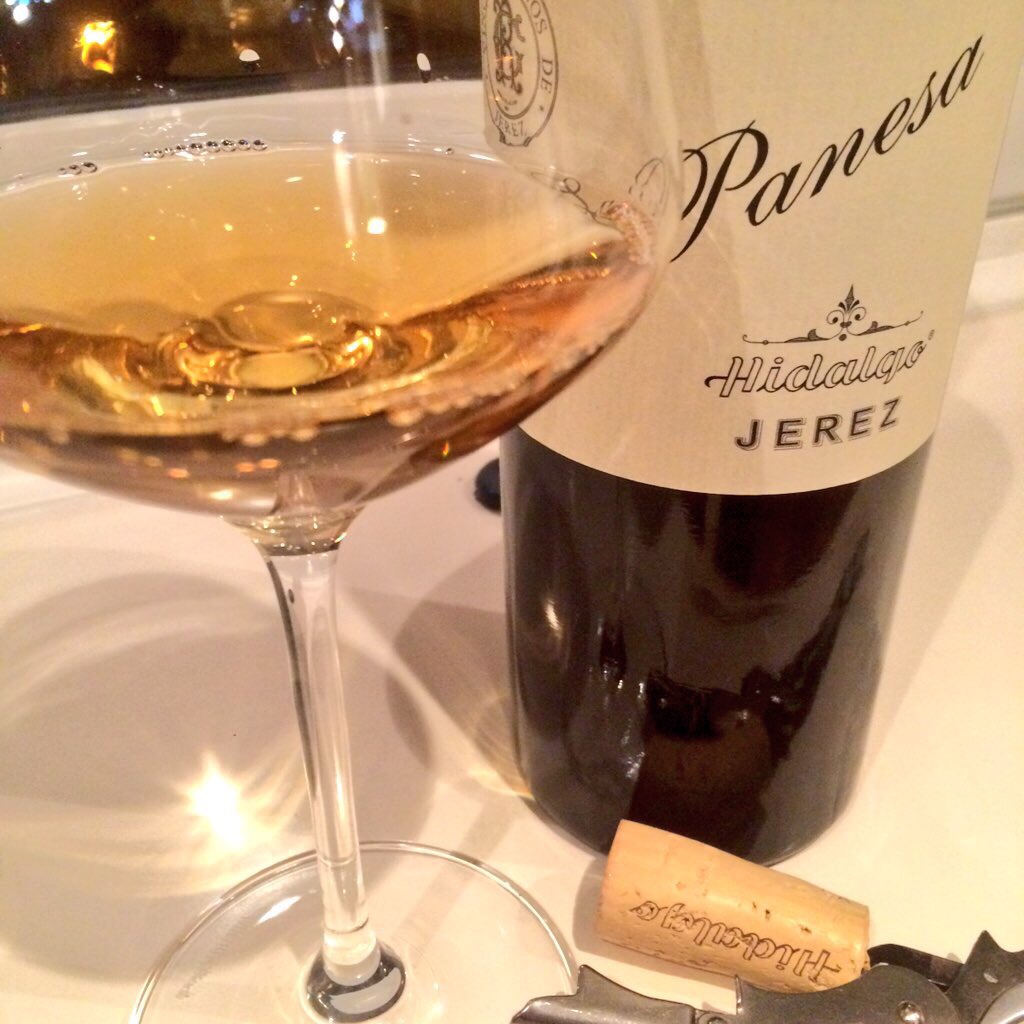
Fino La Panesa 


I have had a moratorium due to overflowing wine storage but after some good discipline it came to an end today. One of the first wines in was this – a favourite and a great wine by any standards.

I have written about this so many times already (in March, again in June, in July, in September, and most recently in November) it feels like there should be nothing new to say but I still feel compelled.

It just seems to channel all the qualities I love about these wines: a nose full of yeasty bread, haystacks and almonds; a rich juicy texture; and a salty, intense, integrated roast almond and yeast flavour which lasts and lasts without getting bitter.

Sensational, yet again.

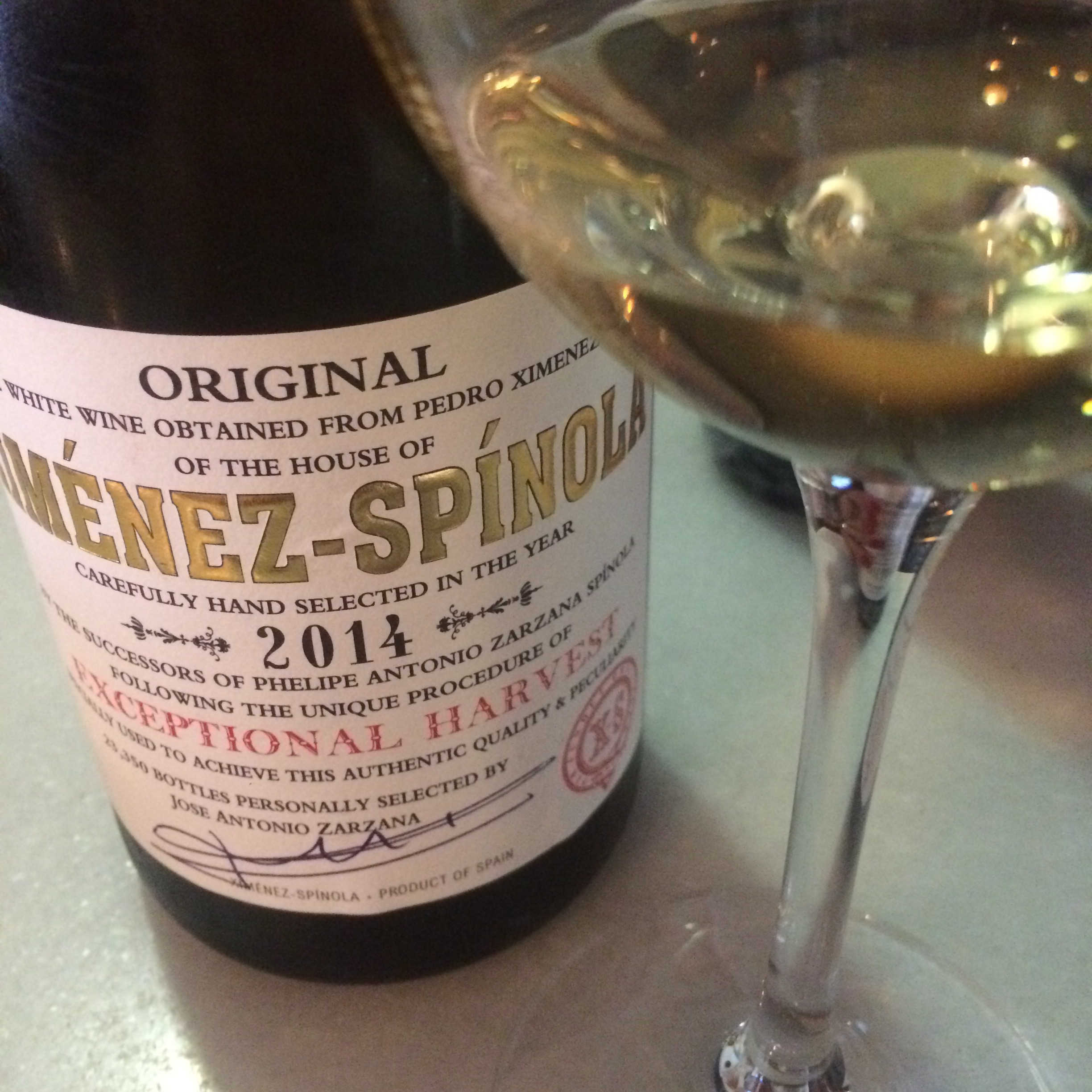
Ximenez Spinola Vintage 2014


Wine number three in the PX Party and this is a lovely thing. No mixtures here, a single añada pedro ximenez that is as fresh as a daisy. 

It seems to me that so many of the PX wines that you get are aged and transmit so much barrel (and don’t get me wrong, I love it) that it is really refreshing to have one so full of young life. This reminded me of a lovely Donnhoff that I had once – pure juice. In this case raisin juice. 

You can see the colour, light and fine for a PX, and the nose is a fresh box of California raisins. It is sweet and fruity, syrupy in the mouth, with just a little spicey alcohol kick at the back – enough so that it doesn’t seem sticky.

Really different than the other PX wines so far but a lovely wine. 

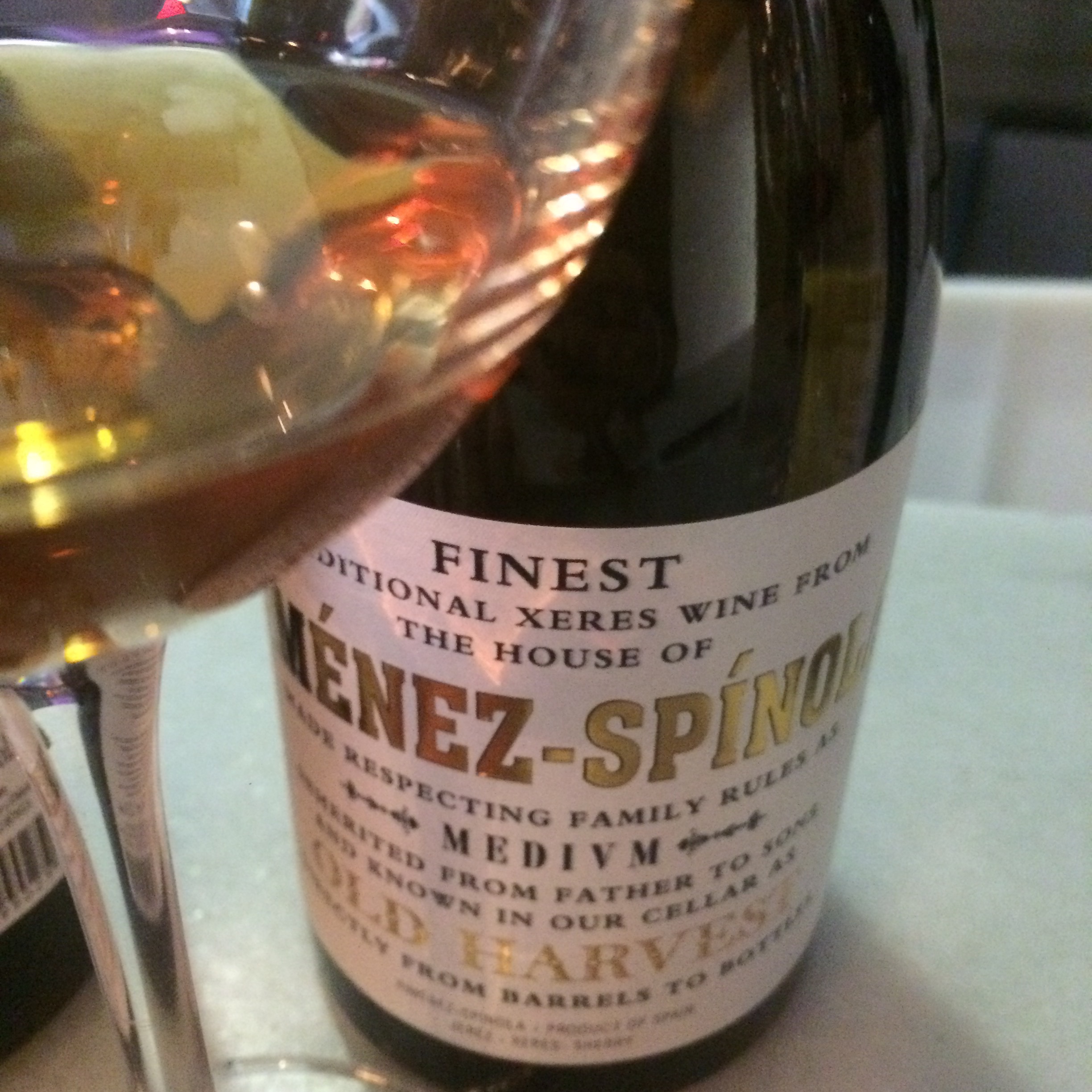
Ximenez Spinola Old Harvest 


Second in the lineup in yesterday’s Ximenez Spinola party in the Chula, this is a “Medium” this one didn’t have quite as much info on the label. Apparently a blend of mainly dry pedro ximenez oloroso with some proportion of the really seeet stuff – probably all really old if the name is anything to go by.

The colour is a nice toffee – looks for all the world like an amontillado fino or so. The nose is very interesting – a sweet smell of dried figs, nuts and noticeable alcohol, in fact it reminded me of Malibu or a piña colada or something.

On the palate it has that big volume of a pedro ximenez and, again, a sweet figgy fruit flavour at the front and alcohol at the back. Nice length and very nice overall but as with many blends I found it a bit disjointed. 

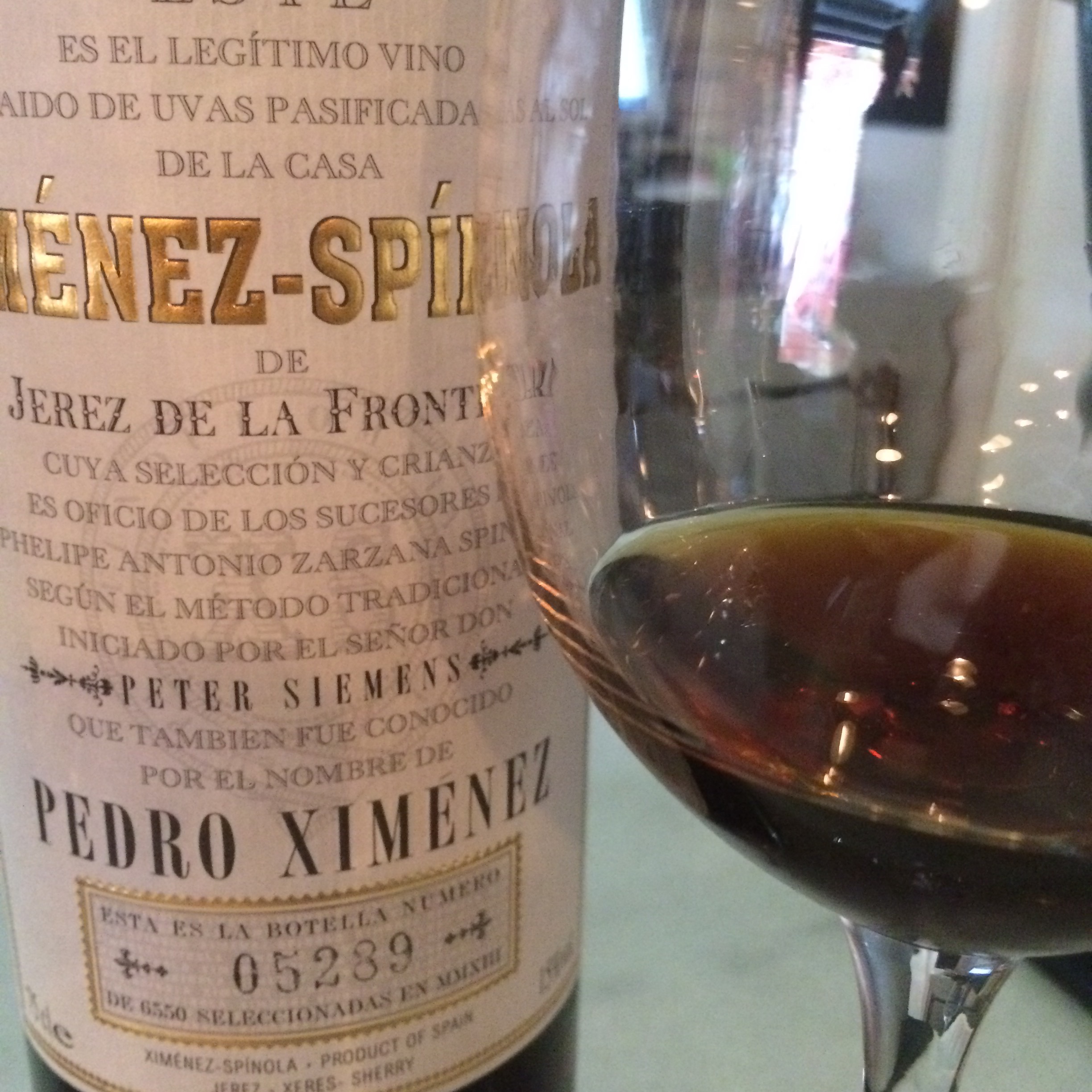
Ximenez Spinola Pedro Ximenez 

Final wine from the PXalooza – now the old Pedro Ximenez. Love the label above, which explains that this wine “whose selection and ageing is the work of the successors of Don Phelipe Antonio Zarzana Spinola according to the traditional method initiated by the right Don “Peter Siemens” whowas also known by the name “Pedro Ximenez””. This is either a new high watermark on the blarney scale or a fantastic little factoid – who knows.

Anyway, the wine itself is a nice, appetising, rich brown in colour (but not the coalpit black brown of some). The nose is full of raisins but has a much more pronounced brown sugar, golden syrup to it – takes it clear of the figgyness of the earlier wines.

The texture in the mouth is semi-syrupy but despite all the sugar it is very fresh and light up front, grows to a massive mouthful of raisins in the middle, and then there is a nice spicey bite back – concentrated raisin skin maybe – albeit not quite the dark chocolate of black coffee of some of the real old PXs. I am a little surprised because I had associated that style with Jerez and this is the Jerez PX par excellence, but this is more in keeping with the fruity fresh vintage than some of the old dogs I have tasted.

A very nice example of a PX and very drinkable.

Ximenez Spinola Exceptional Harvest

This was the first of the lineup in today’s Ximenez Spinola in the Chula. Having tried so much unfortified palomino lately (the Tosca Cerrada, the Pitijopos, the Viña Matalian) I was really interest to try this unfortified pedro ximenez. I have to say I enjoyed it greatly.

It is a late harvest white table wine – the PX left on the vine for 21 days after it was ready – it is then macerated and fermented with its skins and aged on its lees for four months with light batonnage in old oak barrels (all this info off the impressive labels). It was a brainchild of sherry maverick Ramiro Ibañez (who pretty soon is going to need his own category on here) although I gather he is no longer involved.

It has a sweet nose but not raisin like, more grapey and soft fruit and nice bitter herbs. On the palate it is grapey, honeyed and herbal, nice and compact and the serious, herby bitterness almost balances the residual sweetness. Not as long as you expect but even that seems right in context. A nice, full bodied and full flavoured wine.

I really like it. Would be fascinating to try this against the Viña Matalian that is on the way.

Ximenez Spinola in La Chula

Going to take a while to write up the notes but couldn’t resist blogging the moment as it were – a whole lot of Jerez Pedro Ximenez here. Four wines from Ximénez Spinola, a really interesting family owned bodega in Jerez that focuses only on PX  wines (you should check this fantastic profile by Sherry Notes). They make four such wines: these four. They also make some pretty dangerous brandies: sweet and juicy enough to swig down when you really ought not to.

You have to admit that the packaging is fantastic, the labels have that new-old shtick, there is a lot of information and some nice looking stamps, signatures etc., numbered bottles of limited releases. A slight gripe would be the bottle shapes: all different shapes, perfect for anyone with four different racks for them but not great for anyone else. Another odd feature is the cork: agglomerated, which I didn’t expect in such high end bottles, but literally covered in information, which I haven’t seen before. Just check this out (perfect in case you leave them too long in the ice bucket so the labels come off, and you have already had too many to remember them by bottle shape).


As for the tasting, it was a tricky one – these wines got sweeter as I went along the line, making it near impossible to go back and forth. Nevertheless, it was really interesting to have a look at the different styles made from the PX.

La Casilla and El Cerro: Elegant and more elegant even


Cracking dinner last night with a great friend, followed by some pretty poor snooker and some excellent wine.

As you can see, two pairs of related wines. First a formidable double from Saint Julien – a Leoville Poyferré 2000 and a Leoville Barton 2003. They were fantastic – incredibly fresh, full flavoured and elegant wines. Hard to choose between them but if pressed maybe I would just about pick the Poyferré by the merest whisker. (Newsflash: they make nice wines in Bordeaux.)

Next, two bottles from Callejuela: amontillado La Casilla and oloroso El Cerro. Although I have had both before I was particularly interested in tasting (drinking) them again after seeing a comment on twitter a few days ago. It was said that they were at opposite poles: concentration (the oloroso) vs elegance (the monty). At the time I said it struck me as dubious to cast them as opposites in those terms and after tasting them again last night I am certain I would not.

There is no doubt that the amontillado has a fresh, dryness that distinguishes it from the oloroso and makes it elegant in the nose, but on the palate it also has a good bit of structure, concentration, and alcohol. Elegant maybe, but rugged too.

More importantly, I find it incredibly unfair on this particular oloroso to talk about its concentration and suggest it lacks elegance. Yes, it has a powerful nose, a big structure, and intense flavours, but what I really like about this wine (and I really like it – one of my favourite olorosos to date) is the lack of apparent abrasiveness or astringency. For me it has wonderful integration and balance, alcohol and acidity are in there but the whole is nicely bound together. That, rather than any particular flavour profile, is my definition of elegance, and on that basis I would put the El Cerro on a higher plane even than its sibling.

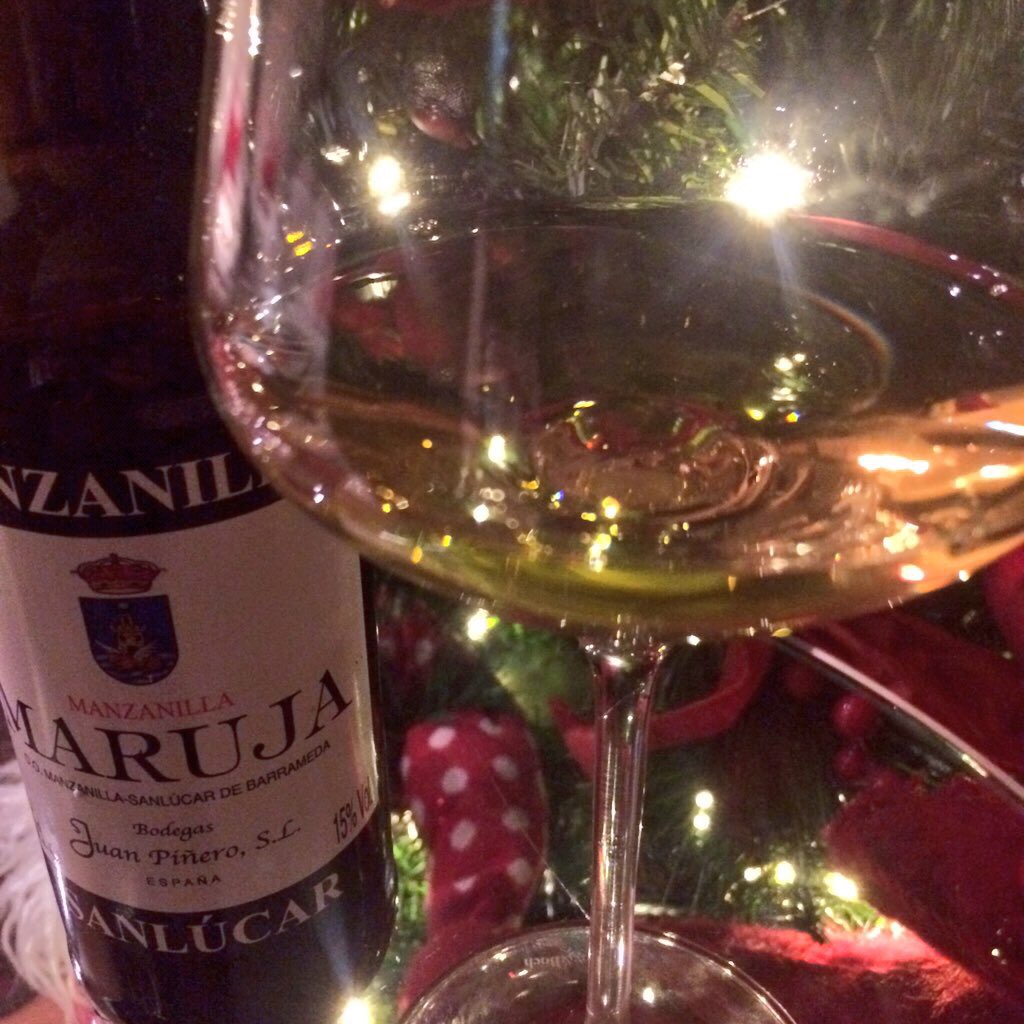
Manzanilla Maruja 


Tree up and a fella deserves a cooling glass. Here we have the Manzanilla Maruja from Bodegas Juan Piñero, where the enologo is none other than Ramiro Ibañez.

This is from a solera originally used for fino by Terry (you may recall I happened upon a venerable bottle of fino Maruja). The fruit is from El Hornillo and was fermented in the “lagar” at the vine itself using naturally occurring yeasts. It is then aged in a solera with no fewer than 8 criaderas and has spent an average of around 8-9 years under flor.

The wine is a really serious creation.  Has a solid, slightly dark gold colour to it and a big nose that just shouts sea air – lots of salty ozone – yeasty hay bales and, at least at first, a little apple.

Very salty on the palate – really zingy on the tongue and quite full bodied in texture. Massive power and length but very mineral – I don’t get quite as much juice or fruit out of it as I expected. (It suggests a serving temperature of 12-15ºC but second time around I have tried it in the 10-12ºC range and I think it expresses a little better by just muting that salinity a touch).

A serious, salty and mineral manzanilla – just maybe lacking some fruit and aromatics for my taste.