Manzanilla 3 en rama – spring 2015  


I have been after these 3 en rama for a while – a set of a manzanilla (Sanlucar de Barremeda, obviously) and two finos (from Jerez and el Puerto de Santa Maria respectively) all en rama by Lustau and their star enologist, Manuel Lozano. He picked a very small number of botas for this bottling.  I picked them up this week and here we go.

First up is the manzanilla. It is a rich gold with a note of green. The nose is mineral, ozone/sea air, and a fresh, raw yeastiness – more bales of green grass than bales of hay.

It is full of flavour, again zingy minerals, nice salty water texture and a full mouthful of yeasty, herbal flavours. Minteral on the finish – a nice smokey finish in fact.

Very nice wine indeed. Good start to the evening.

Fino Camborio

Due to a virus (microbial, not computer related) this is the first sherry I have had in a while and it is one I picked up yesterday in Chamartin market. The Fino Camborio, from Bodegas Juan Piñero (a winery where Ramiro Ibañez consults on the winemaking),  a brother to the Manzanilla Maruja and Manzanilla Pasada Maruja.  Like Maruja, it used to be a brand owned by Terry before being acquired and revived by the Piñero.

It has an interesting ficha (in fact, a great ficha – a lesson in transparency). The palomino is sourced from Macharnudo and Añina (I guess we are talking Pitijopos numbers 4 and 5 (wish I had another box)). The wine has been aged for 9-10 years in a solera with only three criaderas, with one saca per year. (The manzanilla Maruja, by comparison, is 8-9 years but from a solera with eight criaderas and 8-10 sacas each year.)

It has a nice light gold colour with maybe the merest touch of green but it has a really mineral nose – salty sea air and olive juice – a very spikey aroma indeed with just a little macadamia nut umami in the background. It is also piercing on the palate: really mineral, with zingy salinity and, again, green olive flavours. The salinity gives it a nice volume and there is again, just that hint of underlying umami, like very salty almonds. Long with the zingy olive flavours prevailing then fading.

Punchy stuff but I like it more and more.

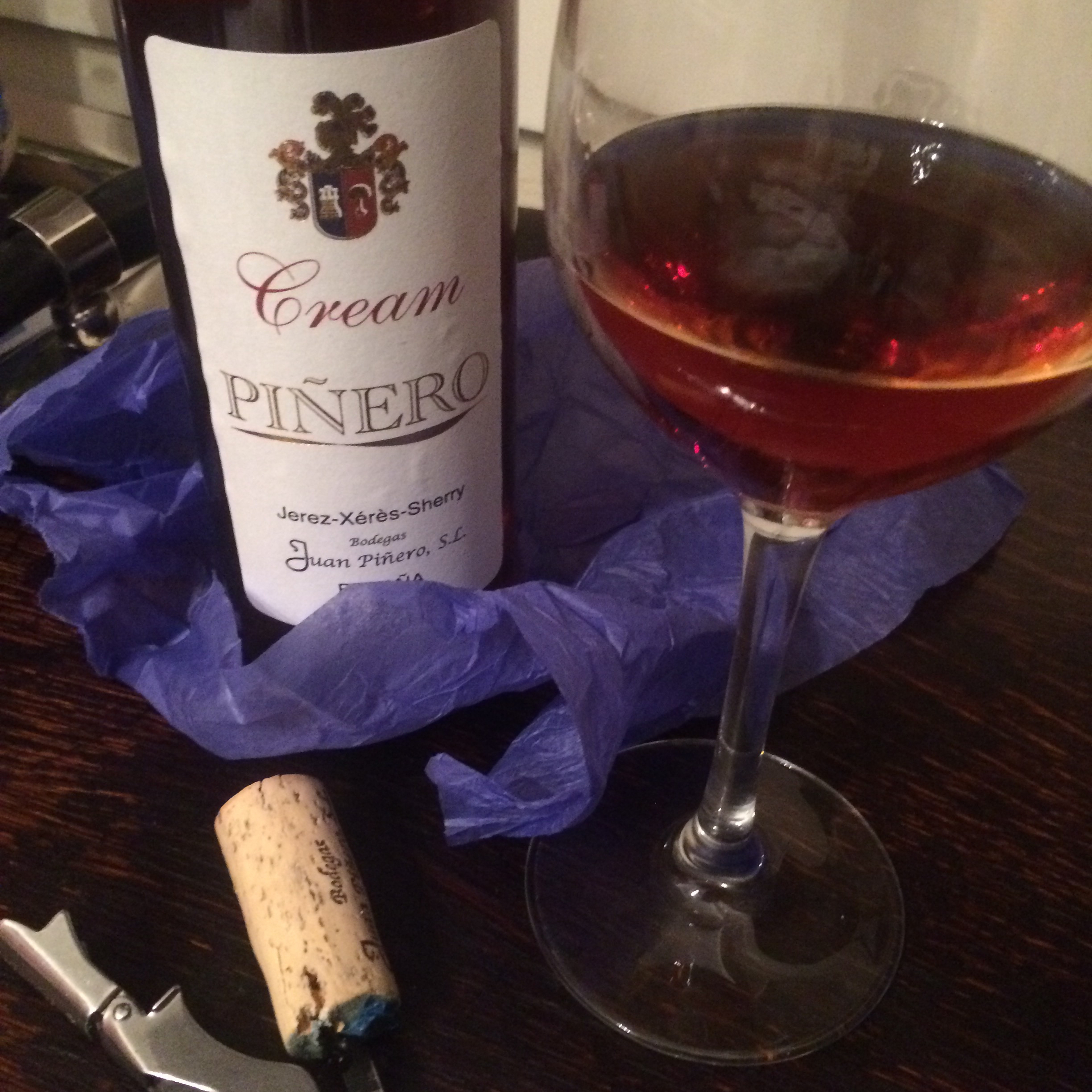
Piñero Cream 


This is one of the wines that came too late to catch up with my faculties in the night of the Pitijopos and I really wanted to give it another shot. I have commented before on my predisposition against sweetened, blended wines – maybe a reaction to the sherry I get back home. but I had hopes for this one – it is 75% palomino (an old oloroso), 25% pedro ximenez (old again). It has been aged 15-20 years in botas of american oak.

The colour is a dark, reddish amber, clear but not fully crystalline – a little thick looking. I don’t find it particularly intense in the nose, but there are definite nuts, toffee, citrus, wood, and wood polish/alcohol – the oloroso really makes its presence felt – and maybe just a bit of raisin in the background from the PX.

On the palate there is more raisiny sweetness upfront, some dusty oloroso acidity then a long tail of black treacle/molasses. It reminds me a little of the Matusalem although less acidic, concentrated and astringent around the edges. More balanced, but still maybe a bit sweet for my tastes: the overall effect is black treacle or molasses, with maybe a bit of cedar.

Very nice stuff – would be cracking with a cheesecake.

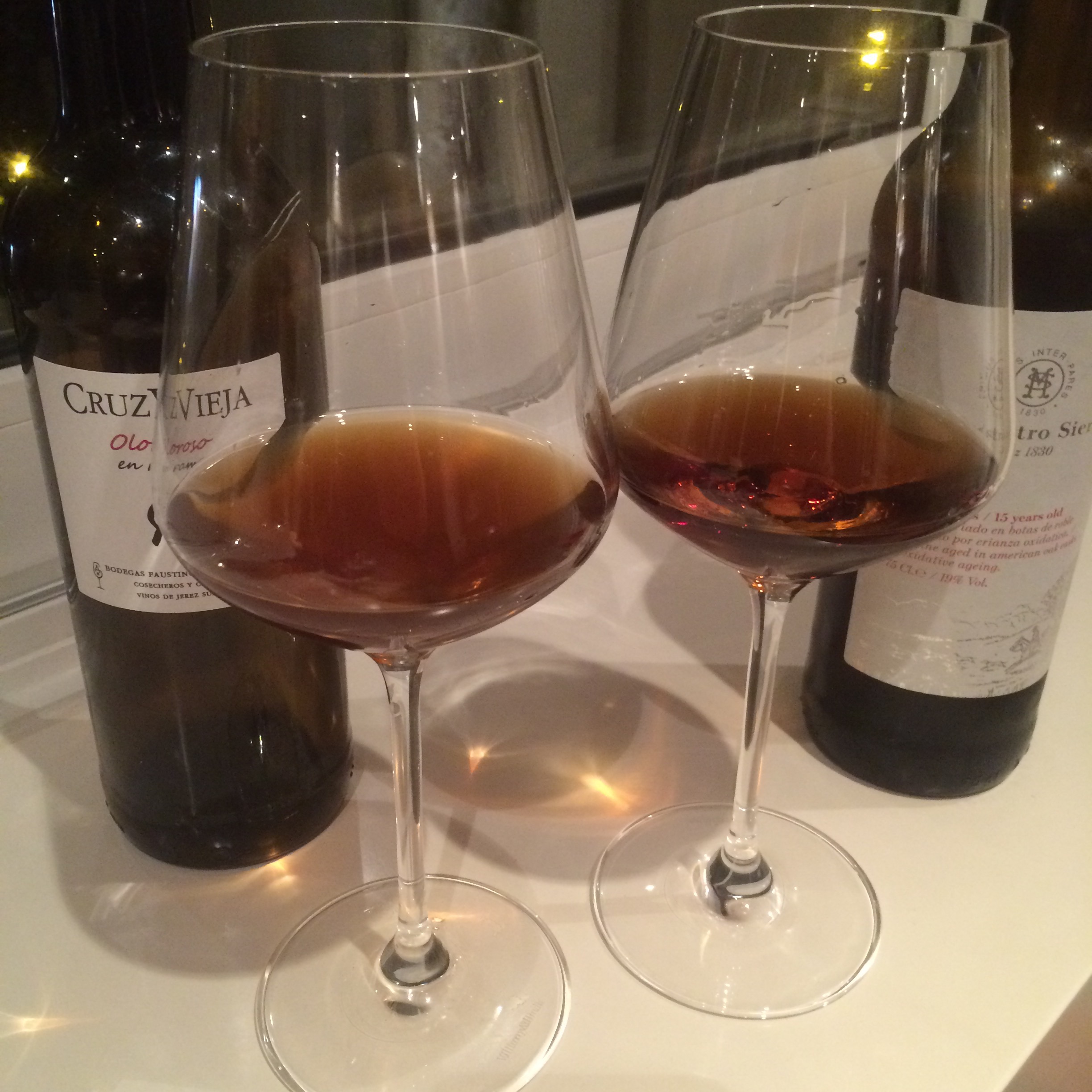
Oloroso Maestro Sierra 


Tasted this next to the last glass of the Cruz Vieja “oloroso en rama” and as you can see there is quite a difference in colour and clarity.

To be honest I prefer the cleaner look to the Maestro Sierra – a nice chestnut red-brown. On the nose it is nice and bright, a sweet woody oxidated aroma (maybe overripe fruit) with a touch of polish and alcohol.

On the palate it has some acidic, alcoholic buzz and then intense fruity (again, there is a flavour of raisiny, oxidated fruit that reminds me a bit of an over-ripe Chateauneuf or a big jammy Douro red), woody, caramel flavours – medicinal and slightly bitter.  Not too astringent or drying, but although it lasts in the mouth the sweeter tastier notes seem to fade quickly.

A bright, sharp oloroso – this would be great with a spicey stew.

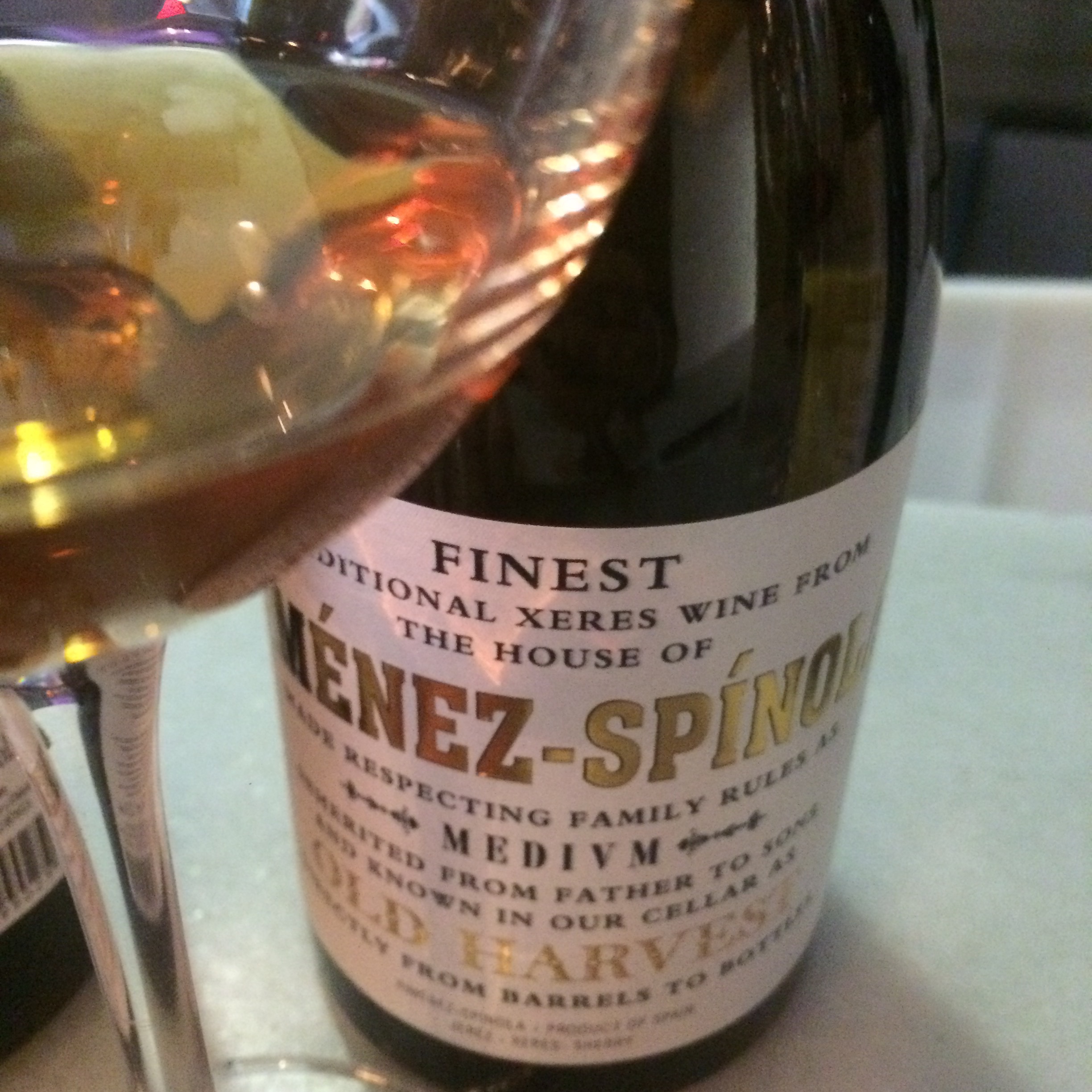
Ximenez Spinola Old Harvest 


Second in the lineup in yesterday’s Ximenez Spinola party in the Chula, this is a “Medium” this one didn’t have quite as much info on the label. Apparently a blend of mainly dry pedro ximenez oloroso with some proportion of the really seeet stuff – probably all really old if the name is anything to go by.

The colour is a nice toffee – looks for all the world like an amontillado fino or so. The nose is very interesting – a sweet smell of dried figs, nuts and noticeable alcohol, in fact it reminded me of Malibu or a piña colada or something.

On the palate it has that big volume of a pedro ximenez and, again, a sweet figgy fruit flavour at the front and alcohol at the back. Nice length and very nice overall but as with many blends I found it a bit disjointed. 

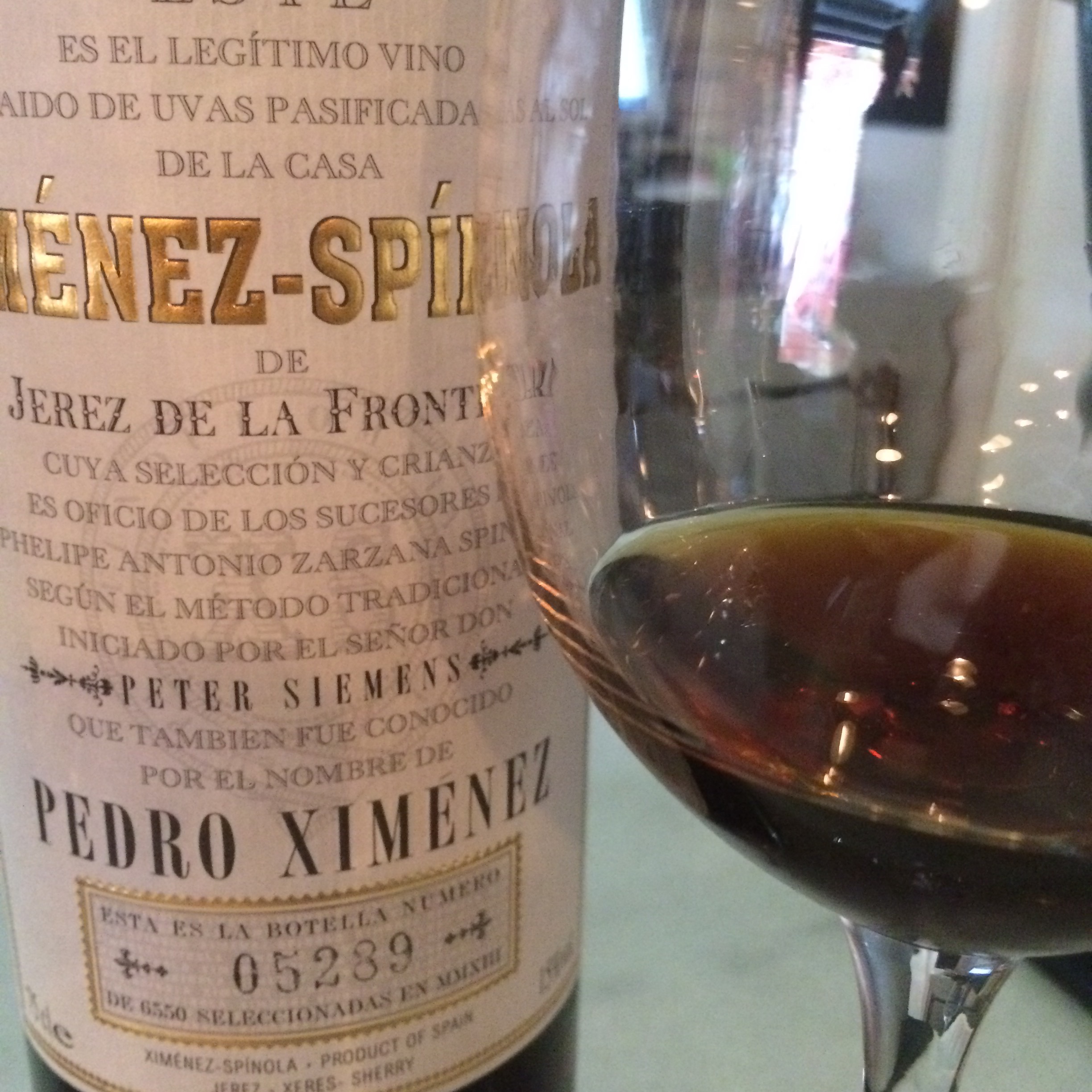
Ximenez Spinola Pedro Ximenez 

Final wine from the PXalooza – now the old Pedro Ximenez. Love the label above, which explains that this wine “whose selection and ageing is the work of the successors of Don Phelipe Antonio Zarzana Spinola according to the traditional method initiated by the right Don “Peter Siemens” whowas also known by the name “Pedro Ximenez””. This is either a new high watermark on the blarney scale or a fantastic little factoid – who knows.

Anyway, the wine itself is a nice, appetising, rich brown in colour (but not the coalpit black brown of some). The nose is full of raisins but has a much more pronounced brown sugar, golden syrup to it – takes it clear of the figgyness of the earlier wines.

The texture in the mouth is semi-syrupy but despite all the sugar it is very fresh and light up front, grows to a massive mouthful of raisins in the middle, and then there is a nice spicey bite back – concentrated raisin skin maybe – albeit not quite the dark chocolate of black coffee of some of the real old PXs. I am a little surprised because I had associated that style with Jerez and this is the Jerez PX par excellence, but this is more in keeping with the fruity fresh vintage than some of the old dogs I have tasted.

A very nice example of a PX and very drinkable.

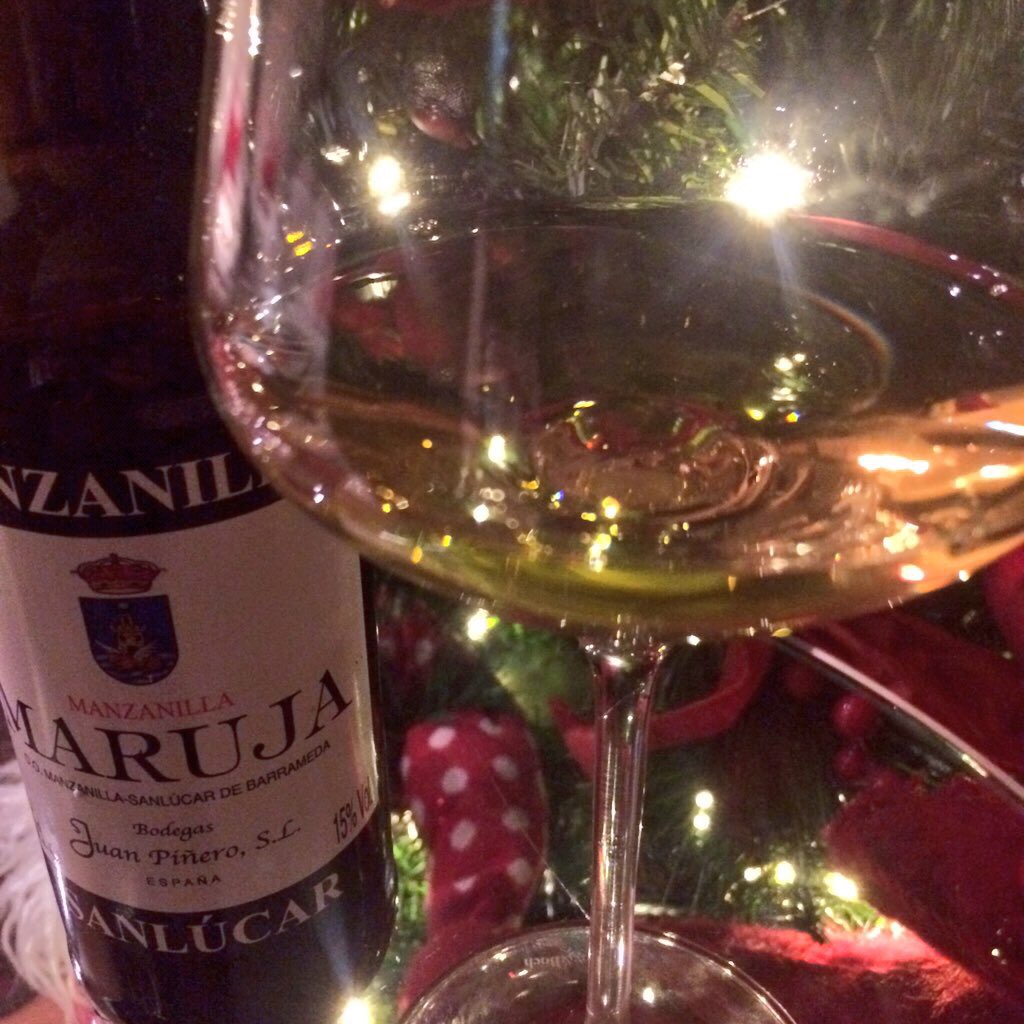
Manzanilla Maruja 


Tree up and a fella deserves a cooling glass. Here we have the Manzanilla Maruja from Bodegas Juan Piñero, where the enologo is none other than Ramiro Ibañez.

This is from a solera originally used for fino by Terry (you may recall I happened upon a venerable bottle of fino Maruja). The fruit is from El Hornillo and was fermented in the “lagar” at the vine itself using naturally occurring yeasts. It is then aged in a solera with no fewer than 8 criaderas and has spent an average of around 8-9 years under flor.

The wine is a really serious creation.  Has a solid, slightly dark gold colour to it and a big nose that just shouts sea air – lots of salty ozone – yeasty hay bales and, at least at first, a little apple.

Very salty on the palate – really zingy on the tongue and quite full bodied in texture. Massive power and length but very mineral – I don’t get quite as much juice or fruit out of it as I expected. (It suggests a serving temperature of 12-15ºC but second time around I have tried it in the 10-12ºC range and I think it expresses a little better by just muting that salinity a touch).

A serious, salty and mineral manzanilla – just maybe lacking some fruit and aromatics for my taste.

Fino Maestro Sierra 

A light, elegant fino from Maestro Sierra for a bright, sunny end of November Sunday in Madrid. To start with the bottle is elegant and has this new-traditional shtick.

It is light in colour – an extremely clear, pale straw colour, and has a nice delicate nose of haybales, almonds, baked bread or even fried breadcrumbs.

It is also yeasty in the mouth –  not too saline but punchy in flavour and greasy in texture, with almonds and sweet herbs. Not overlong by sherry standards but dry, fresh and tasty.

Really nice all around – this is why they call these “fine” wines.

Viña Matalian 2013

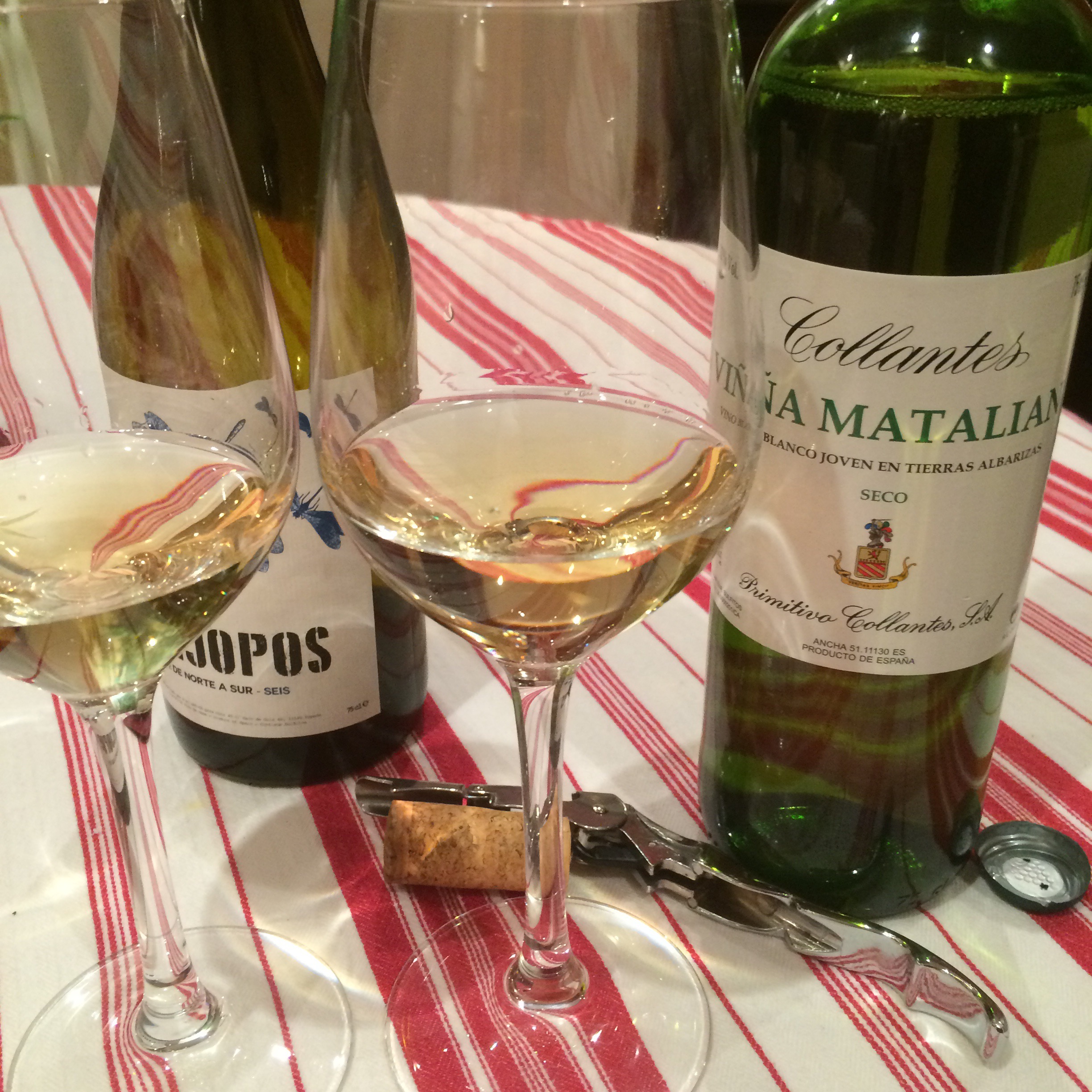
This dry 100% palomino young white wine is excellent, really good.

Here it is pictured next to its wood-reared little brother, Pitijopo #6. They are both from palomino grown by Primitivo Collantes on Finca Matalian, but whereas the Viña was fermented in temperature controlled inox (and has been a while in the bottle) the Pitijopo was fermented (by Ramiro Ibañez) in bota without any temperature control. The Pitijopo was excellent (so much so that I have spent the last few days hunting out examples of wines from the same fruit) and it turns out the Viña Matalian is a twin (not an identical twin but close enough).

As you can see above, it has a touch less green colour – it is a lovely clear gold. The nose is aromatic and fruity, full of sweet herbs and mature grapes.

On the palate it isn’t quite as lush as its brother – a little more mineral and refined, but fresh and tasty, full of fruit and maybe more character.

Really cracking wine. Apparently they are looking more seriously at making a white wine and when they do I would really recommend snapping it up.

Amontillado “Fossi”


Another repeat customer and another from the Finca Matalian of Primitivo Collantes– like a Victorian era explorer I an following the stream up/down as far  as I can. (Unlike the aforesaid, from the comfort of a stool at the bar of Taberna Verdejo.)

In colour it is an appetising dark gold – yellow brown rather than the orange or red notes of an older amontillado. After the fino and the en rama it is no surprise to find minerals, ozone, sea air in the nose, but the sweet caramel fruit aromas envelope and balance them in this and make it a less aggressive nose overall.

In the mouth there is that same zing, those salty minerals, although for me the texture is slightly finer (maybe it is more in keeping with this fuller flavoured wine), and there are sweet caramel, fruit flavours that again balance the saltiness, fill the palate and, it may be my imagination but seem to me to get back to the fruitiness of the mosto.

A really enjoyable wine with a nice edge of mineral complexity.