Esparto Grass

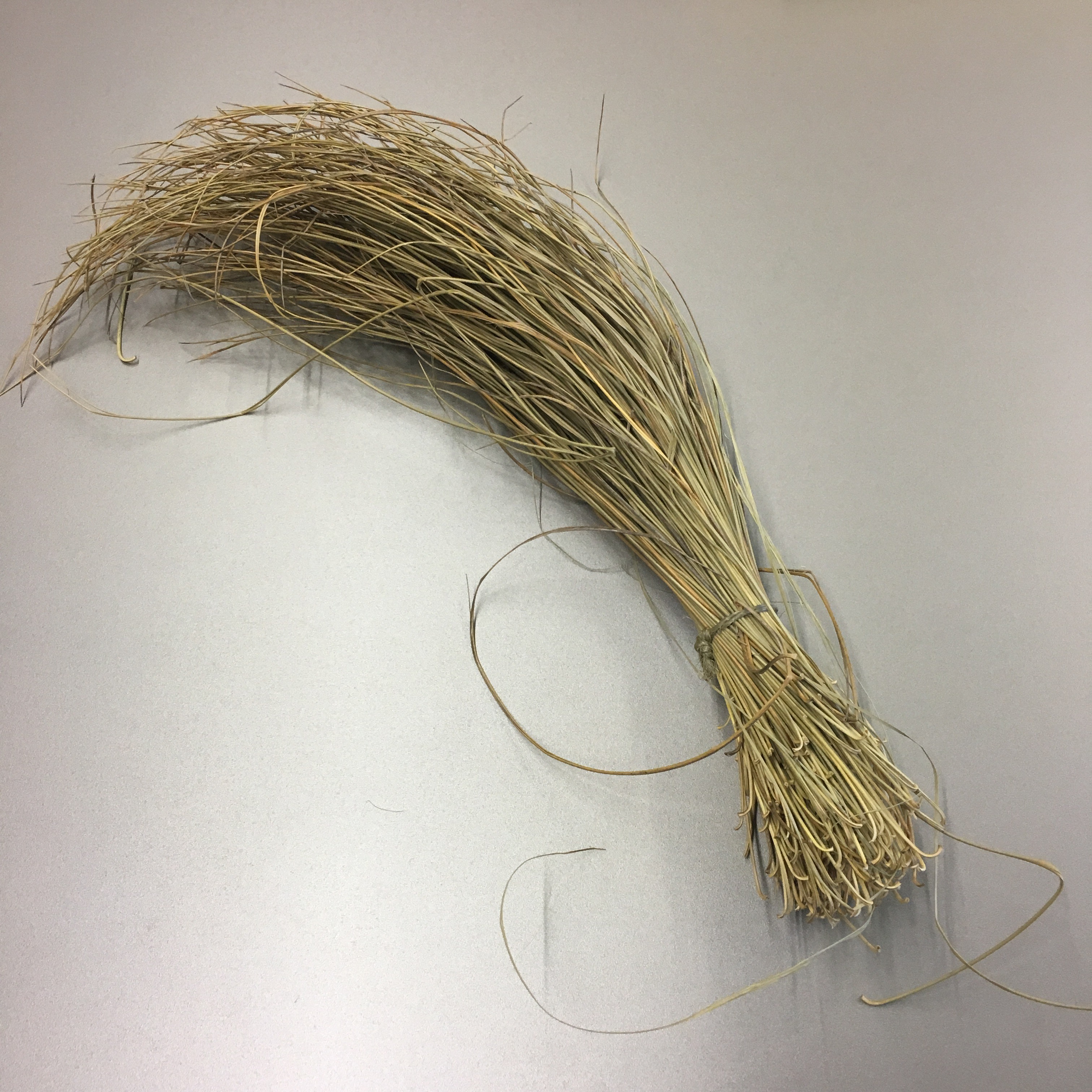
Behold, a bunch of esparto grass. A gift from the great Guillermo Ocampo, it is a thing of joy and a learning tool of enormous value. Makes me want to hit the fino in a big way. 

Vibaveflor, saca of January 2017

My second dip at this fascinating wine – this time in Wine Attack, a funky new natural wine winebar. It is a viura from La Rioja which has been in a bota with flor since 2015. I am occasionally criticized for only tasting hyper-specialized wines with very limited releases but this is an exception: it is an experiment at this stage and isn’t on sale anywhere.

The first saca was January 2016 – and I happened upon a bottle last June in Reserva y Cata. This second saca was from January this year and while still very young it seemed to have a bit more oxidation than further flor effects. A very straightforward profile and a very pleasant drop.

Not big by any means – and no comparison to the true flor wines from the South – but a nice nose of butterscotch tending to wood glue, and more of that slightly toffee flavour on the palate. Compact in the extreme – a short straight blob of flavour – and not very expressive, but quite a long and pleasant, only very slightly saline aftertaste.

Interesting stuff – looking forward to next year’s saca already.

Blanco de Hornillos 2015 

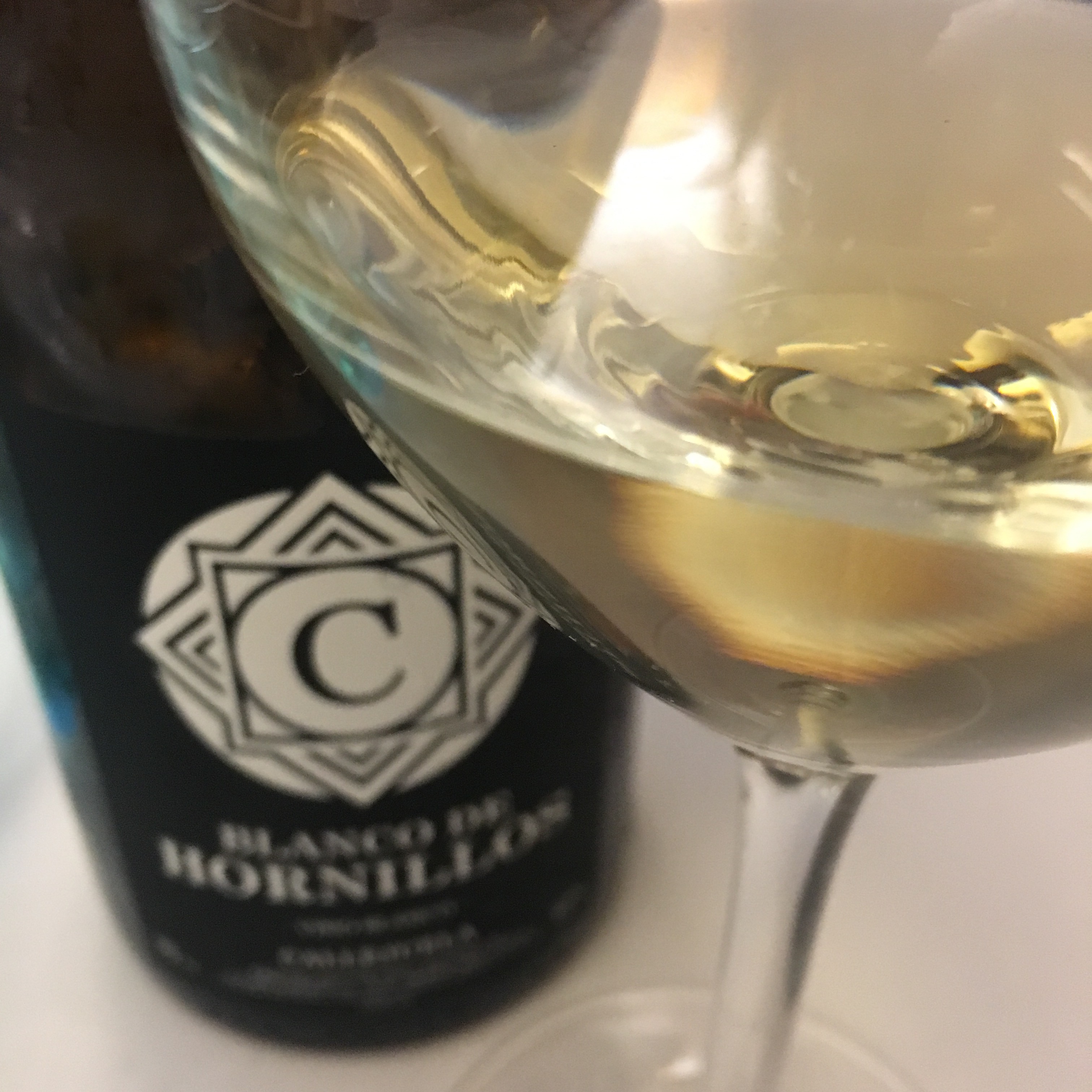
Enjoyed this very much at lunch today at Surtopia and was surprised to find that I had not posted about it before. It is by Callejuela, one of the most active bodegas in Sanlucar and fast becoming a new big name.

It is a fatty, citrussy, raw almond mouthful of unfortified palomino. Very mellow vibe to it, very low acidity and none of the palulu (liquorice root) bitterness of the manzanilla en rama. Neither is there a big mineral edge – just a big, mellow, refreshing mouthful with a dry finish. Very easy to drink.

Chiclana power: Primitivo Collantes in Enoteca Barolo

1f3cf748-4c9e-4bee-ae62-724f82689e97

I can’t believe over a month has gone by since the magnificent cata by Primitivo Collantes in Enoteca Barolo. As I said back then he is one of the unsung heroes of the so called sherry revolution and I got the feeling at the time that a lot of people were taken by surprise at just how good the wines – and his presentation of them – were.

One of the most impressive aspects of the night was the emphasis on terroir and viticulture. A first class description of Finca Matalian, its elevation and exposure to the elements (between two “mares” – a joke that is frankly untranslatable and even in Spanish doesn’t work unless you have the accent of the guys in Cadiz) that was followed by explanations of the pruning, the benefits of hand harvesting, the impact on the vine and the effects of a vine under stress, the prohibition on irrigation and importance of the absorbency of the soil. We also had some geology and some talk of abundant diatomeas and then emphasis on the relevance of the location so close (8km) to the sea but high (96m-114m up) – the advantage of the breeze and winds but with the quality albariza. A really top class setting of the scene.

When a winemaker brings two different soil samples you know he cares about terroir. It was fascinating to see these two: from Matalian itself and his other finca, Pozo Galvan. From far away Matalian looked chalky white and Pozo Galvan mottled, but from close to it wasn’t anywhere near as marked. I could try and convince you that they seemed to crumble in different ways but to be honest both were granular: maybe just a slightly finer dust to the Matalian. I did the old TV cop “cocaine” test with the tip of the finger and the diatomeas in the Matalian were immediately apparent. In fact it was clear to me that they were cold water diatomeas* (* these are alternative facts, as far as I could tell they also smelled and tasted the same (and I wouldn’t know a cold water diatomea if I sat on it in the bath)).

Then back to the vine and the yields, and the timing of the harvest in several passes, but thankfully during a lot of this time we were also tasting the wines (which is important, because there is only so much chat you can listen to dry). Specifically, we were supping away at sobretablas from Pozo Galvan and Matalian. A sobretablas is not a mosto – these are fortified and have spent time in a deposit with the occasional little island of flor – but they seem all the more raw for it, and these were spikey and punchy on the nose, with the Matalian slightly more piercing, the Pozo Galvan slightly rounder. On the palate that difference was more evident – the Matalian was that bit sharper and seemed much more direct, straight line, and longer.

After the sobretablas we moved on to two unfortified wines and specifically the Socaire 2014, which in itself is one of those fantastic flavourful palomino wines that stand out, saline but full of herbal, almond, almost-fruit, and then a chance to try a Socaire 2014 Oxidativo, with a touch of further oxidation from an additional 8 months bota ageing. You will have to believe me when I say you could bank those 8 months – I had the two together and the wine is only getting stronger. (Socaire itself means “shelter from the wind” and is a reference to the meteorological conditions on Finca Matalian – again showing how this wine has a clear sense of place.)

After the Socaires, we moved on to two biological wines, the Arroyuelo Fino en Rama and Amontillado Fossi. Now I have had these wines many times but at this tasting they absolutely sang. I had always found the Arroyuelo en Rama exemplary in terms of labelling but I never realized that they were bottled and labelled as the orders came in – with your man to select them. And what a wine it was on the night – a clear inheritor of the beautiful direct line of the sobretablas, but next to the sobretablas (I cunningly kept some from earlier) you could see the progression in verticality, saline edge and vegetable power. A superb example. And the Fossi was at its best too, with direct salinity and honeyed caramel flavour in bags. It is apparently around 18 years old on average already, and Primitivo told us that soon he hoped the average age to bump above 20 years into VOS category. I must say I find that really remarkable for a wine that is as elegant as this one. One of the most underrated wines around.

But however good those wines were there was no doubt about the star of the night: the mother of all moscatels. A frankly beautiful, elegant, light and spritely fifty year old from the “sacristia”. This wine – the grandaddy of the already very good Moscatel Oro Los Cuartillos -was a Fred Astaire of wine, incredibly agile for its content. It had a fantastic menthol quality and lightness and a seriousness of business – like a pianist playing hard with both hands. What a wine it was.

And since then the name of Primitivo Collantes has rung out in Madrid, no doubt. I have never seen the locals so enthused after a tasting – and with good reason. It was top drawer.

The temples of Jerez in Madrid


Felt I had to share this post by Paz Ivison with a list of drinking holes of all shapes and sizes in Madrid where you can feed your sherry addiction. Was lucky enough to meet Paz recently (in fact two ladies called Paz – the first of which was a bit bemused when I told her I was a big fan and had read all her posts about Jerez) and she is not only a proper journalist but also a good egg and maybe even a good laugh.

Being hyper critical there are a few places on here that for my money would need to work a bit harder to get on my own list, but the key point – how easy it is to get hold of the true, the blushful hypocrene – is the right one. Madrid is where it is happening in sherry terms, no doubt about it.

CGWF17: Part 7 – The winemakers

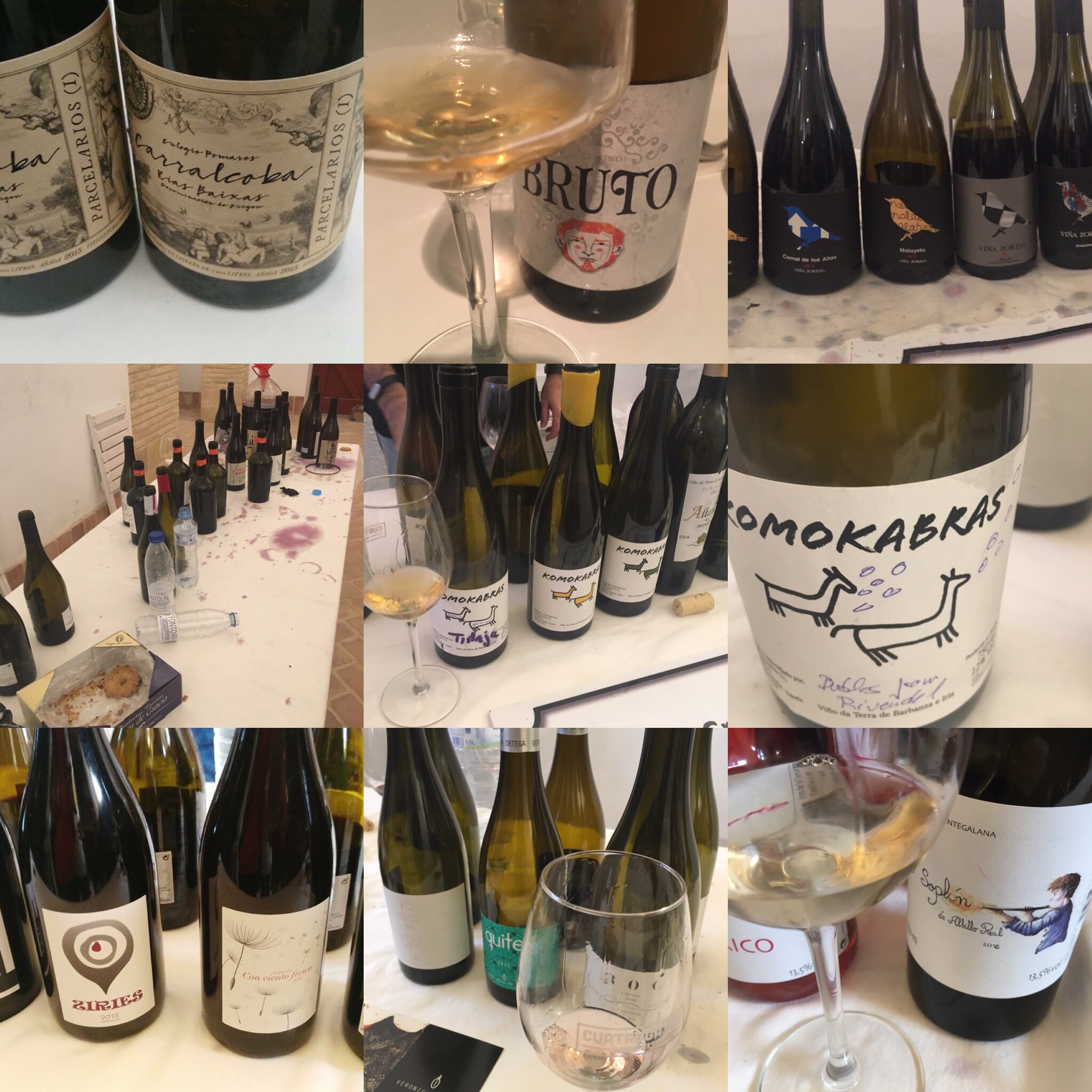
Some final great memories from the Cuatrogatos Wine Fest in Puerto de Santa Maria. Hard to believe that it is already a couple of weeks ago (a fine testament to the velocity with which I write up my posts). It was billed as wine and laughter and vice versa and delivered on both promises.

For a start, some absolutely cracking wines you can drink by the gallon from makers like:

  • Jose Crusat (Entre os Ríos) and his fantastic range of wild and woolly whites including the leesy and buzzy Altares de Postmarcos, the super sharp Vulpes Vulpes, his two wild albariños Komokabras Yellow and Green, an even wilder one with time in a tinaja and a funky ancestral called “Bubbles from Rivendell” (which I missed out on on the day);
  • German R. Blanco and his range of reds from across the North, including juicy fresh Quinta Milú and La Cometa, increasingly refined mencias from Altos de San Esteban the fascinating range of parcel specific wines from Casa Aurora, and his new Rioja, La Bicicleta Voladora (which I again missed out on on the day – you snooze, you looze);
  • Javier Castro and Sonia López (Bodega Ziríes) and their garnachas from Toledo – four wines that were in turns mineral, fresh, aromatic, concentrated and expressive;
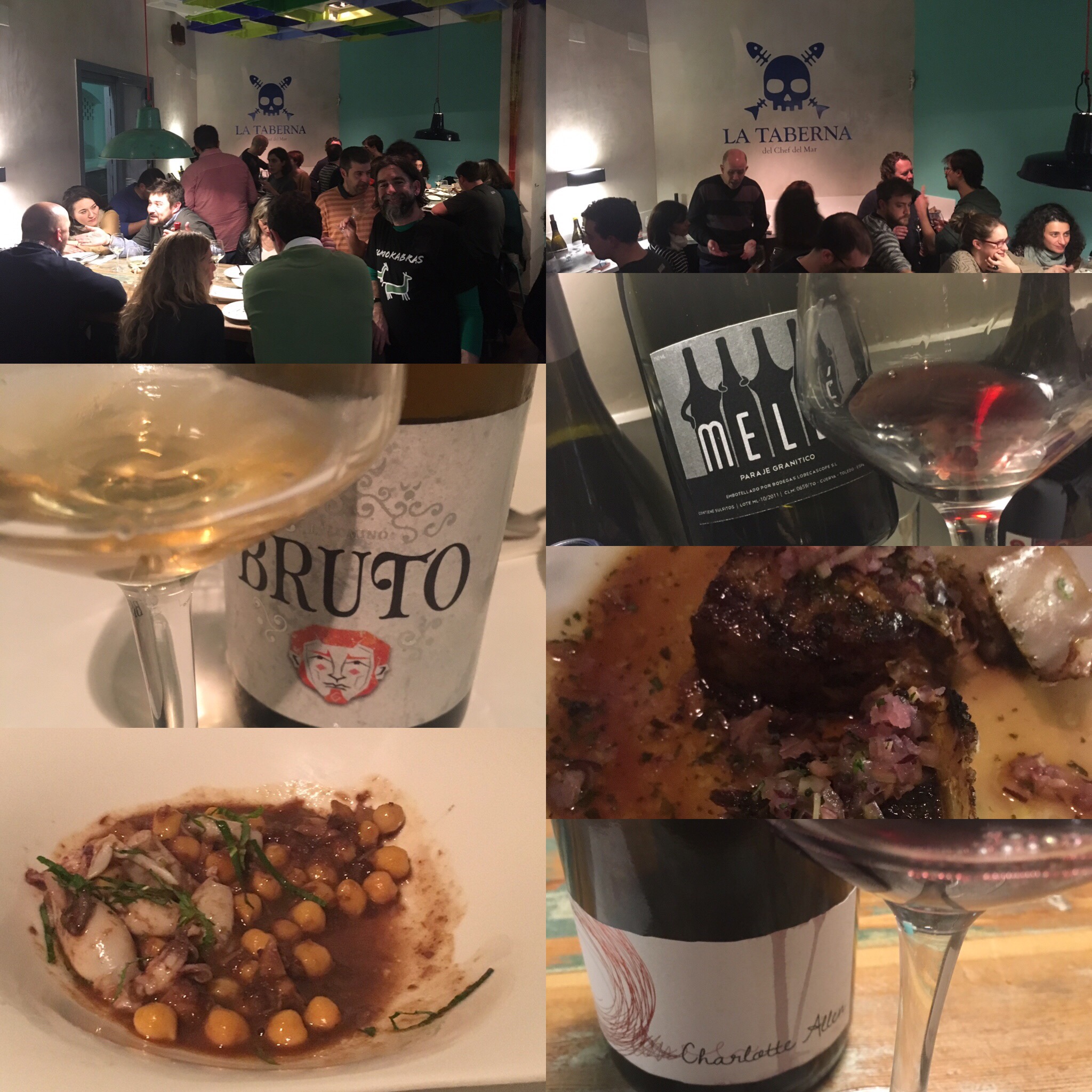
  • Beatriz Herranz, the “Verdejusticiera” (Verdejo law maker) from Barco del Corneta with what are probably the best wines being made in Rueda, mineral and rich, serious stuff, and also a really interesting palomino (Bruto);
  • Cristina Carrillo (Bodega Finca Fuentegalana), whose stand seemed to be mobbed every time I stepped near it (to the point where I could only try one wine at a time) had a really interesting stuff range of wines from albillo to shiraz; and
  • many other cracking bodegas (I would write them all up if I was a half decent blogger/had time), including Xabier Sanz and his fantastic feathered friends from Navarra (Viña Zorzal), Eulogio Pomares and Rebeca Montero, Miguel Montoto and Inma Pazos (Vinos de Miguel: Coto de Gomariz, Ailalá y Vinos de Encostas); Xurxo Alba (Albamar); Charlotte Allen (Almaroja); Verónica Ortega (Verónica Ortega); Cuatro Ojos Wines, Clos Lentiscus, Casa Castillo – the list could go on and on.

There was plenty of laughter too. Shouldn’t really have been a surprise given that we were all there thanks to the genial Federico but in addition to it was genuinely a fun place to spend the day.

And for me it was a fascinating and inspiring day. When you think about it wine making is miraculous – and I refer to all winemaking, not just the water into wine at wedding stuff – and to me there is something not quite canny about winemakers – people that can look at a vine and consider how to prune it, how many leaves and bunches it can support, when to harvest the fruit etc,  let alone all the decisions and judgments needed thereafter in terms of cepage, batonnage, barrel age, and other words ending in age. It requires a lot of knowledge, skill and, frankly, hard work and I find it extraordinarily inspiring to chat to really good winemakers and let the technical knowledge wave over me. When they are as friendly and generous as this bunch were it makes for a really uplifting and educational experience.

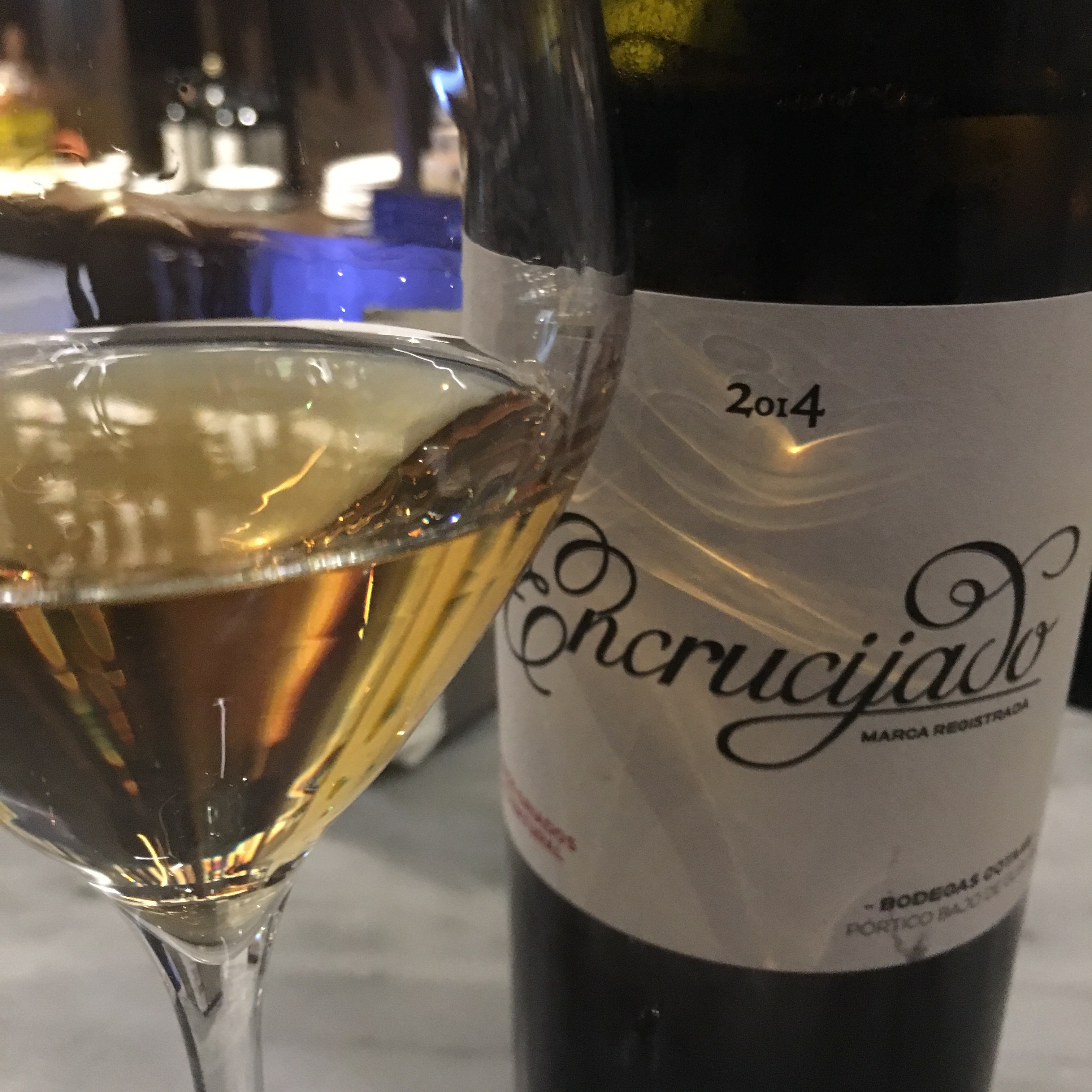
Encrucijado 2014 

Another taste of this – currently available by the glass at Angelita – and it seems to be improving by the day. I enjoyed it the first time I was able to try it a couple of months ago, but really enjoyed it in Palo Cortado at last week’s tasting and am loving this too. Seems a sharper, more defined entry and then that elegant, butterscotch structure. 

Really worth trying if you get the chance so get down to Angelita! (On the other hand, looks like it is getting better in the bottle so mine is staying buried in the minibar.) 

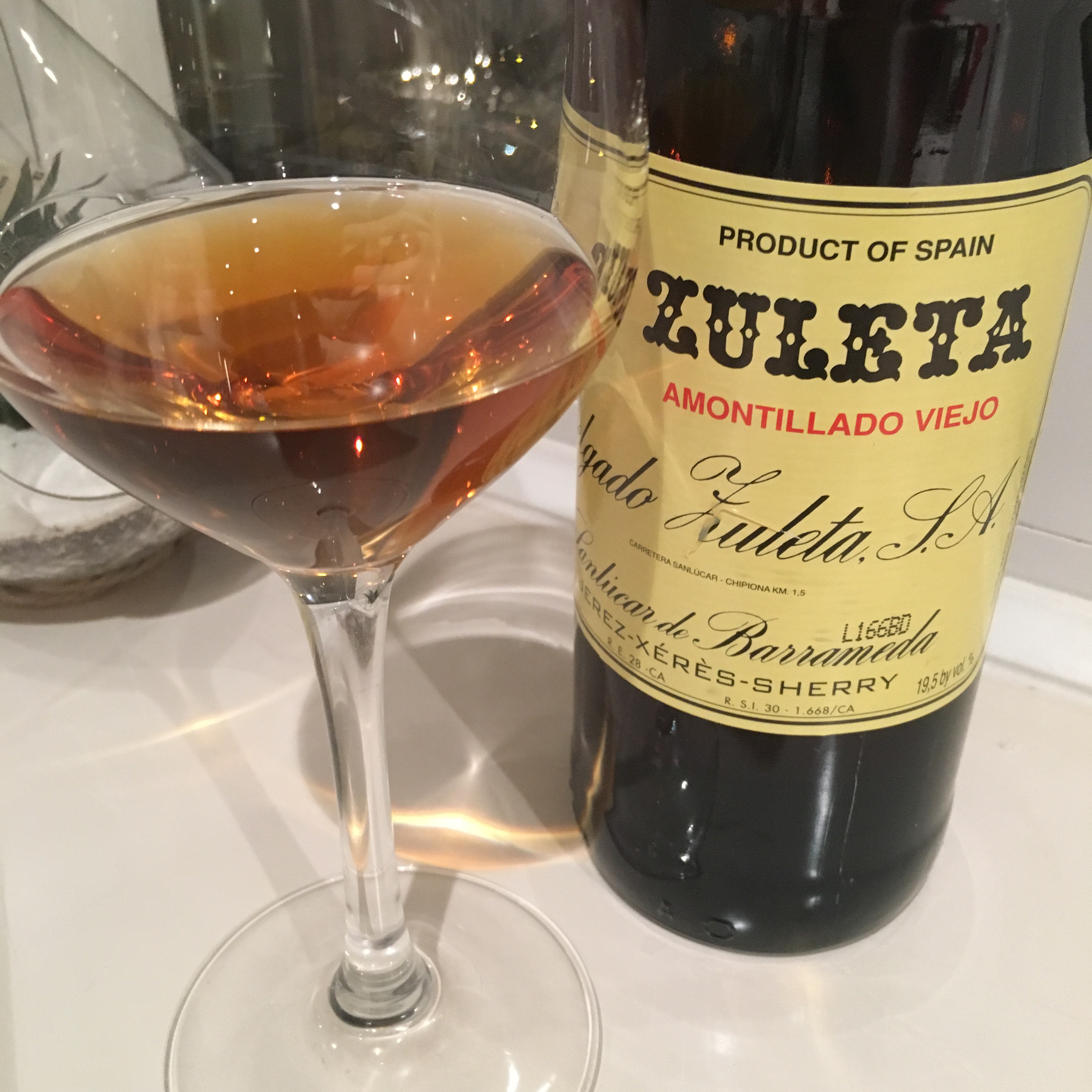
Zuleta Amontillado Viejo 

Hunting around in my little minibar last night for something nice to sup and happened upon this old classic. The second of two bottles I picked up from the Cuatrogatos wine club a year or so ago and probably the last of its kind to be seen around here.

It is a lovely tipple. A great example of a Sanlucar amontillado – elegant and sharp – but relatively fruitful too. As you can see, it is as clear as a bell and a lovely red-brown amber. On the nose it has seasalt and burnt hazelnut caramel, nice inviting sweetness to the nose. On the palate it has a nice clarity of flavour and shape. A lovely spine of salinity through it, starts razor sharp and finishes long with the mouth watering, and a mellow sweet-sour caramel flavour with waspish acidity at the end. 

Am I glad I had a second bottle of this. Lovely drop: enjoyable but serious too.