Oloroso Tradicion 

This is a 2014 saca from this magnificent bodega’s oloroso and it is brilliant. Seen here in action at a lunch where we were partaking of a few callos and it absolutely excelled.

In colour it is orange/yellow/brown and a lovely shine to it. On the nose a very nice caramel and a touch of citrus – maybe the contrast with the callos we had on the table but it just had a touch of freshness to it.

Then on the palate I find it really excellent – lively and zingy, nice caramel flavour and enough punch. I remember more baked citrus notes in this but this one is neither sour nor astringent – really elegant in fact. Ever since I recommended the pairing so heavily I worry about whether these wines may be like pouring water on a fat fire where callos are concerned but this had that acidic effect of cutting through the fattiness and enough overall structure, even if at the end it does seem to leave a burning tingle. (Today’s callos were particularly spicey.)

A brilliant, elegant wine (and let’s face it, a cracking lunch).


La Bota de Amontillado 61 – “Bota NO”

Acquired this little beauty from Coalla Gourmet and have been enjoying it little by little (started at Easter and finishing at the final round of the Masters).

No ficha for this one but based on the information on the Coalla site this is from one of a number of soleras in the La Guita bodega that have been untouched since the 1980s – Manzanilla Pasada, Manzanilla Pasada Vieja and Manzanilla Pasada Viejísima. Specifically, this is from the Solera 1/10 of Manzanilla Pasada Vieja but is in reality a very old amontillado. It is the second time they have released a wine from this solera – the first one being Number 31.

Don´t be deceived by the photo above – this is a lovely crystal clear dark orange amber. On the nose there are quite remarkable cigar box, tobacco, and woody aromas, some honey and burnt butter, and curry type flavours.

On the palate it has a beautiful zingy feel. The woody, cigar box flavours are there but so are those sweet flavours that hold them together and it doesn’t seem acidic or astringent. There is a tobacco like singe at the back end and it leaves you with those woody flavours for a long time.

Another really unique wine from Equipo Navazos – they really are remarkable.


Manzanilla la Kika

This was new to me when I tried it yesterday at the Feria de Vinos organized by Lavinia and is a very attractive manzanilla from Bodegas Yuste.

La Kika (pictured on the label) is or was the mother of the owner of bodega and the grandmother of the young lad who served it to me and the wine and everything about it is apparently a homage to her. In the circumstances, I feel a bit of a curmudgeon for complaining, but this is yet another case of a unique bottle shape that plays havoc with a fella’s storage arrangements (you can see why better on the ficha). In fact the bottle is an Italian olive oil bottle – even has a small lip – and just look at the cahoba stopper on that cork. As it happens I don’t have any bottles of this but if I did I don’t know where I would put them.

Anyway, the more important thing here is the wine in the bottle. This is a manzanilla (from palomino all sourced in Balbaina – or at least is now all sourced in Balbaina) that has passed through nine classes located in three different bodegas –  the first three in Miraflores, then three in Los Angeles, then the last three in Santa Ana. At the end the average age under flor is about 10 years. It is apparently unfiltered and bottled by hand – real artisanship.

The colour is a nice rich gold – a touch of brown gives a hint of its age. On the nose first up it is creamy and I detected Jura-like cheese aromas, seaside aromas like a puerto fino, yeasty green grass and unsalted almonds. Then similar richness on the palate – creamy texture and buttery flavour at first, then really punchy yeastiness and a long slightly bitter, nutty, mineral finish: really zingy and fresh, almost drying.

Really good, expressive and full of character. A fitting tribute to anyone’s grandmother.

Oloroso en rama 2009, saca de febrero 2016, Williams Colección Añadas


This is a vintage, en rama oloroso from the 2009 harvest which I was lucky enough to try at lunch yesterday in Verdejo Taberna Artesana. It is from a fantastic release by Williams & Humbert – the Williams Colleción Añadas – a case of six different añada wines including finos, olorosos and an amontillado. (I actually have one of these boxes – acquired via Coalla Gourmet – but am hoping to find an opportunity to open all six.) I haven’t seen a ficha for this but am told by a reliable source that the wine is from the pago Añina, on tosca cerrada.

As you can see it is a dark gold in fino terms but a light honey colour for an oloroso – six and a half years of oxidative ageing. It really looks good in fact. The nose is equally promising:  dry but has aromas of fruit, alcohol, cake and maybe just a bit of seaair – I even felt like there was a burnt, campfire edge to it. 

On the palate it is fully dry but has a plump, rounded profile and is full of flavour – delicious in fact. Rich, acidic, alcoholic, fruity and with an edge of minerals before a long almost sweet finish. 

A really top class wine – looking forward to opening the box!

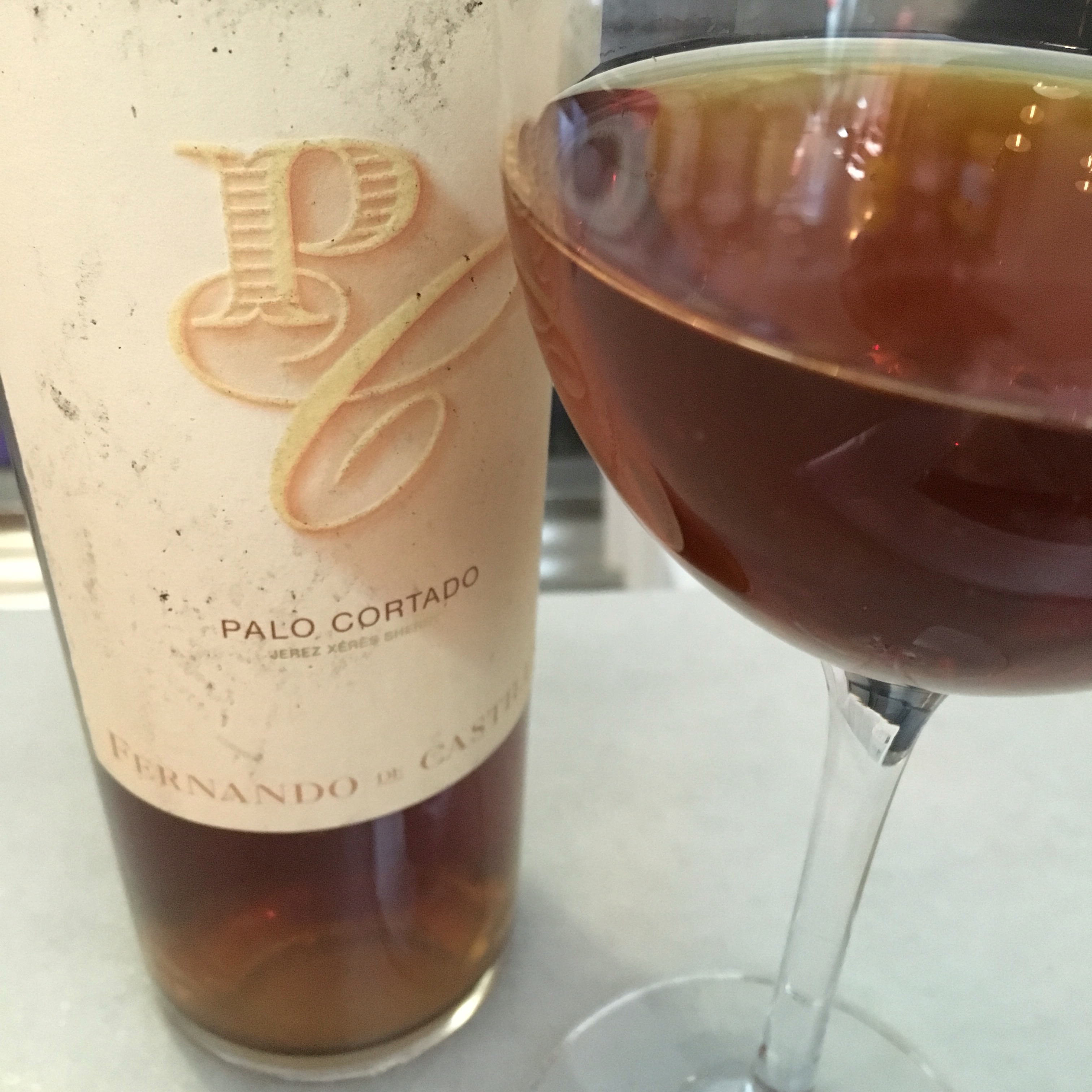
Palo Cortado Antique 

I really admire Bodegas Rey Fernando de Castilla and I enjoy the wines – I once had an opportunity to taste them all together and couldn’t help noticing the mosto in the background, the way the mosto shone differently through the different wines like light through lenses. They have two ranges – the classic and the antique – and I bet you can guess the difference between the two. Anyway, this is the palo cortado Antique, which I once mistook for an amontillado, and tasting it again I can understand why.

It is slightly cloudy in appearance – but a lovely reddish auburn colour. On the nose it is sweet, honeyed, sweetly spiced, nutty nose. Same first up on the palate – really nice sweet entry – then that spicyness and the woody flavours, then spice again. Not as heavy hitting as some but no astringency to it – I really like how light and elegant it is.

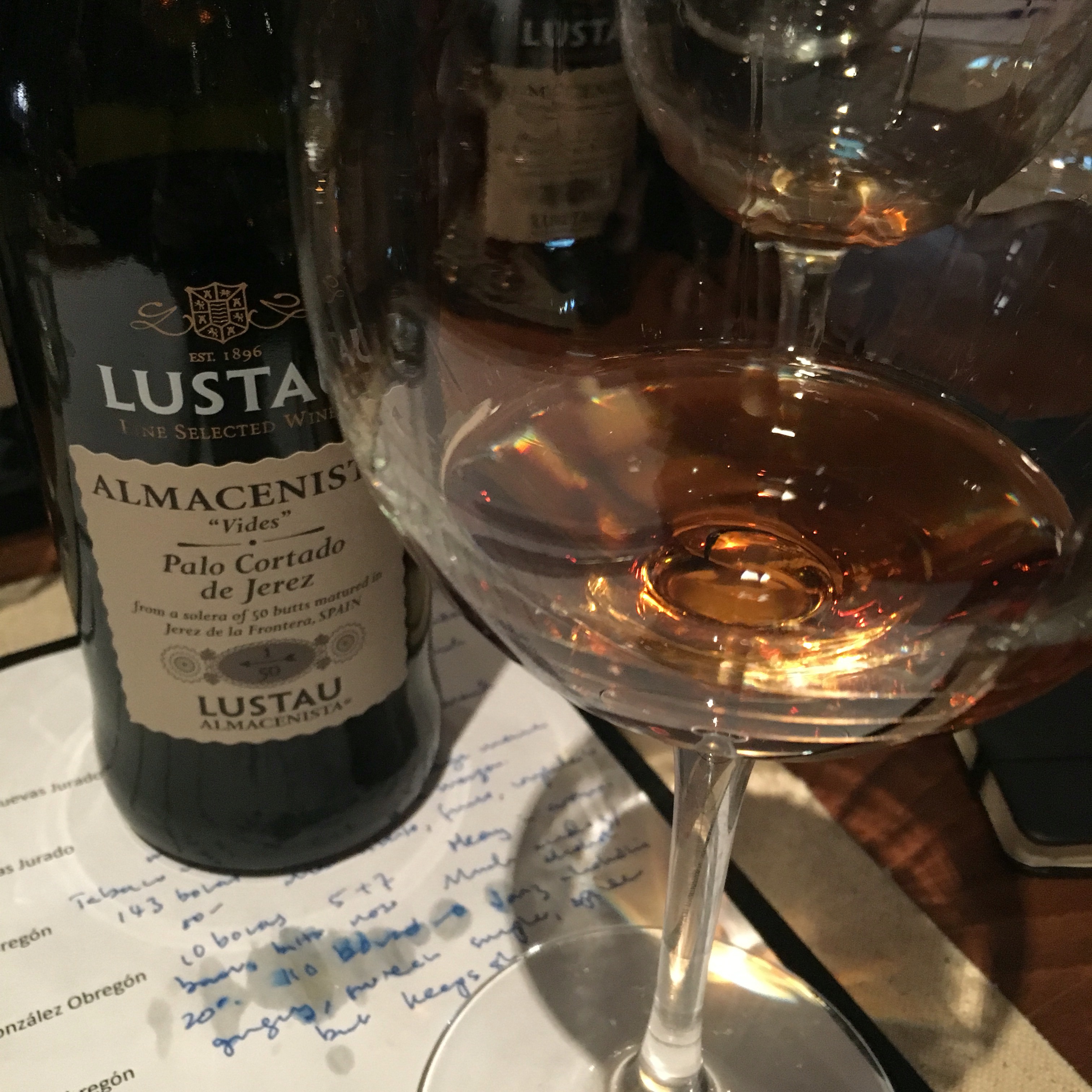
Palo cortado Vides


The penultimate wine of our Almacenistas tasting was this Palo Cortado from Jerez de la Frontera, a 15 year old (of which one under flor), 19º palo cortado from a solera of 50 botas.

I clearly remember the spiciness of this one. Looks and smells really enticing: a dark, reddish horsechestnut colour and a nutty, slightly fruity nose. Then on the palate it is a racy style of wine, acid attack, a wider range of flavours, minerals and alcoholic heat and a nice crisp finish.

Not over long or full bodied but a really good example of what palo cortados are all about.

Fino del Puerto Jose Luis Gonzalez Obregon 

One of the great things about this Almacenistas range is the variety of styles – Lustau famously have bodegas in all three centres of the marco, and after two from Sanlucar it was time for a fino.

I don’t need my notes to tell you this is a cracker. The yeast in the nose, raw macadamias and seaside aromas of low tide/rockpools. After the elegance that preceded it came across as a muscular nose, and big and full on the palate too. I remember getting back to it much later in the evening and noting it was one of those finos that you can drink after dinner.

Brilliant stuff.

Amontillado del Puerto JL González Obregón 


Next up in the tasting of Lustau Almacenistas was the amontillado from the Almacenista José Luis González Obregón in el Puerto. From a small solera of only 10 botas this, likes it’s Sanlucar cousin, is a 12 year old amontillado with five years under flor and seven years of traditional ageing.

This was slightly deeper and richer in colour, a touch of reddish horsechestnut to it. Comparing the noses, this was slightly more honeyed and nutty, and had that hint of burnt butter that I associate with amontillados (ever since it was pointed out to me by Tom Gauterin – thanks Tom).  On the palate it had more muscle too, nuts and caramel, a big explosioon of zingy salinity and alcoholic heat and then long, fine finish.

A bigger, tastier, more muscular wine.


La Bota de Manzanilla Pasada 59 – Capataz Rivas 

I continue to follow the river manzanilla pasada hoping to find the source. My third bottle in as many nights, this is a classic by Equipo Navazos that I picked up from Coalla Gourmet (as a wine of the week, no less). Had a first bottle of it back in October but after the excellent Blanquito and Maruja from this week was intrigued to try it again.

This has a lovely gold colour and again a fruity nose: in these manzanilla pasadas I am beginning to expect  fruit rather than the caramel of a palo cortado or amontillado. This has a nose of old apples and ozone. On the palate it has a nice structure, a soft beginning, then mineral zing, then a salty fruit aftertaste – the most mineral of the three this week, but it has a nice balance.

Really excellent. I am going to dream about waterfalls of this stuff …


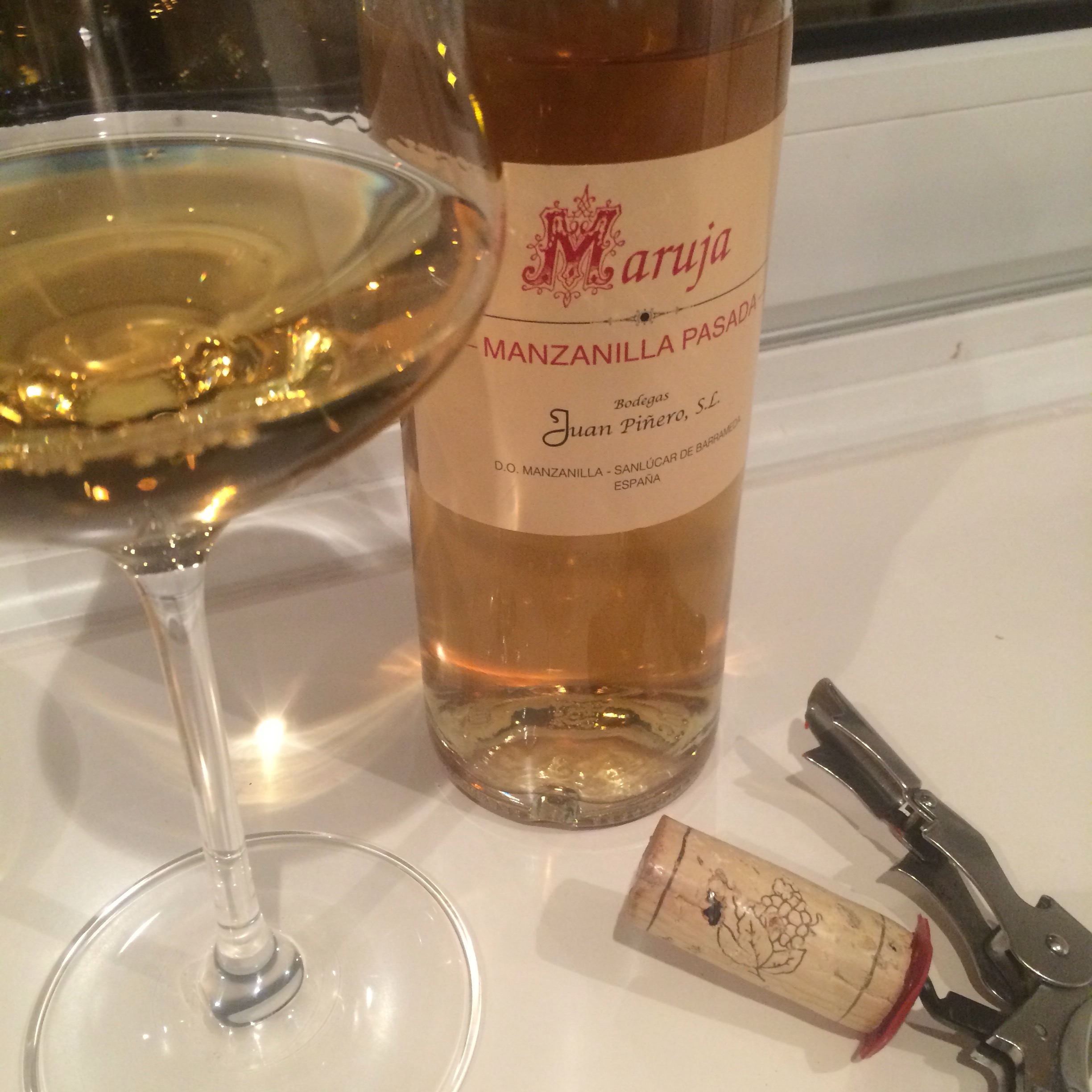
Manzanilla pasada Maruja


After the Blanquito yesterday I thought I would try this again because I had a memory of it being quite a contrast (a more organized blogger would, of course, have opened them together, but there we go, you get what you pay for, etc.).

The memory didn’t fail me though: this is a fish of a different kidney. Slightly darker in tone and fuller in flavours, and while the Blanquito made me think of apples and blossoms, this is all herbs, minerals and hay bales on the nose, and really suggests (a dry version of) jammy fruit on the palate. Quite full bodied feel to it too.

This wine also reminds me of one of the most bizarre and controversial tasting notes I have read. I still think it was harshly treated on that day – I love the fruity profile of this and would (and do) recommend it to anyone.