Manzanilla and Fino Las Botas 

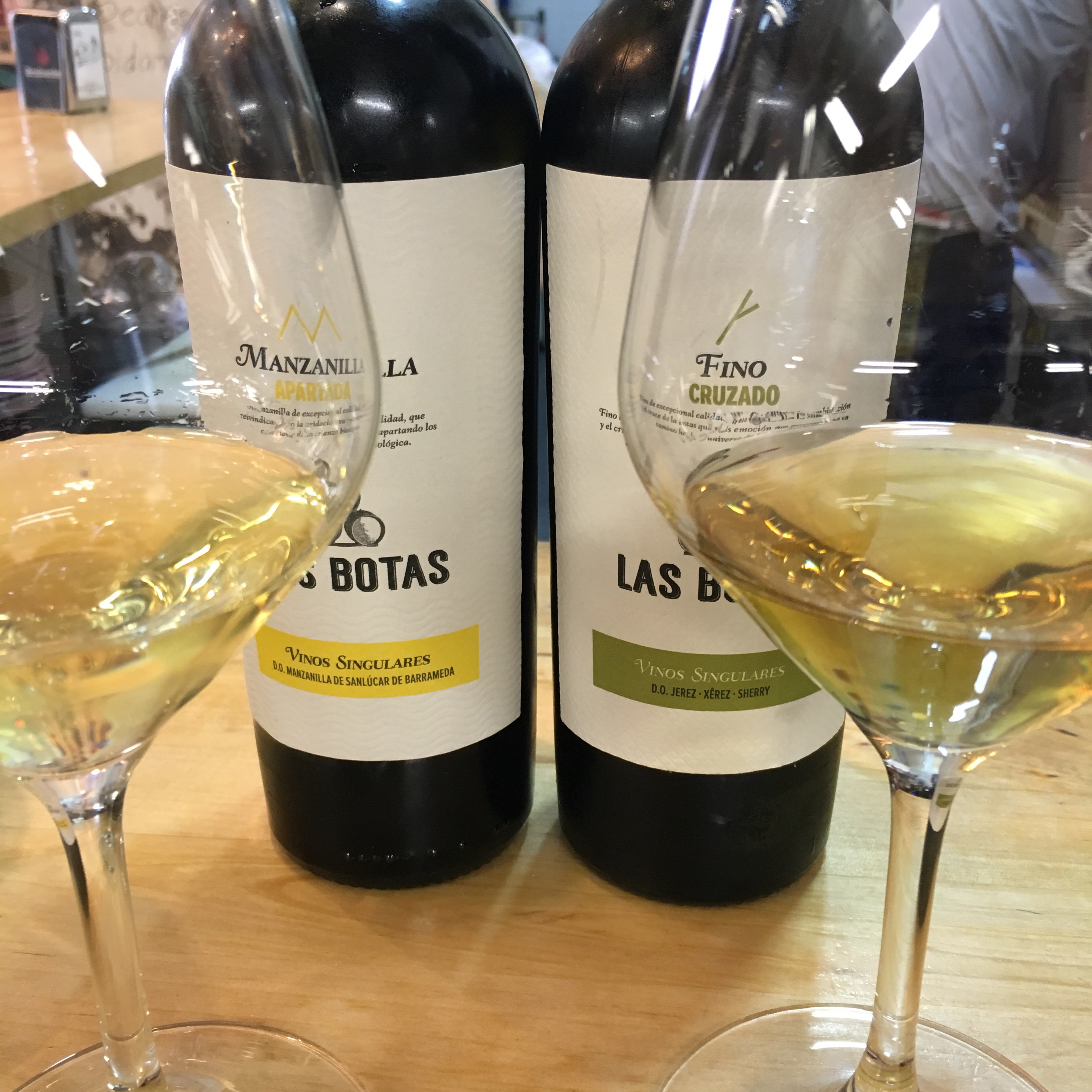
Once again in Territorio Era, where else, and trying yet more new wines. This time the wines labelled as “Las Botas”. A barrel selected manzanilla and fino chosen from two distinguished soleras – San Leon Reserva Familiar and Camborio – and bottled en rama by Raul Villabrille, sommelier at the legendary El Campero in Barbate.

Two excellent wines, no doubt. The manzanilla has the benefit of a good age in solera, is aromatic with haybales and herbs but not over the top, then full bodied and full flavoured on the palate but fresh and elegant, with a nice compact profile overall.  The fino too is a cracker. Maybe not quite as aromatic as the manzanilla but has a sharper salinity and that horizontal muscle. Again a full bodied and full flavoured wine with a nice shape to it – a sharp entry, sharp fresh finish and a nice package in between.

A great example of the value of barrel selections – and en rama bottlings of familiar wines.

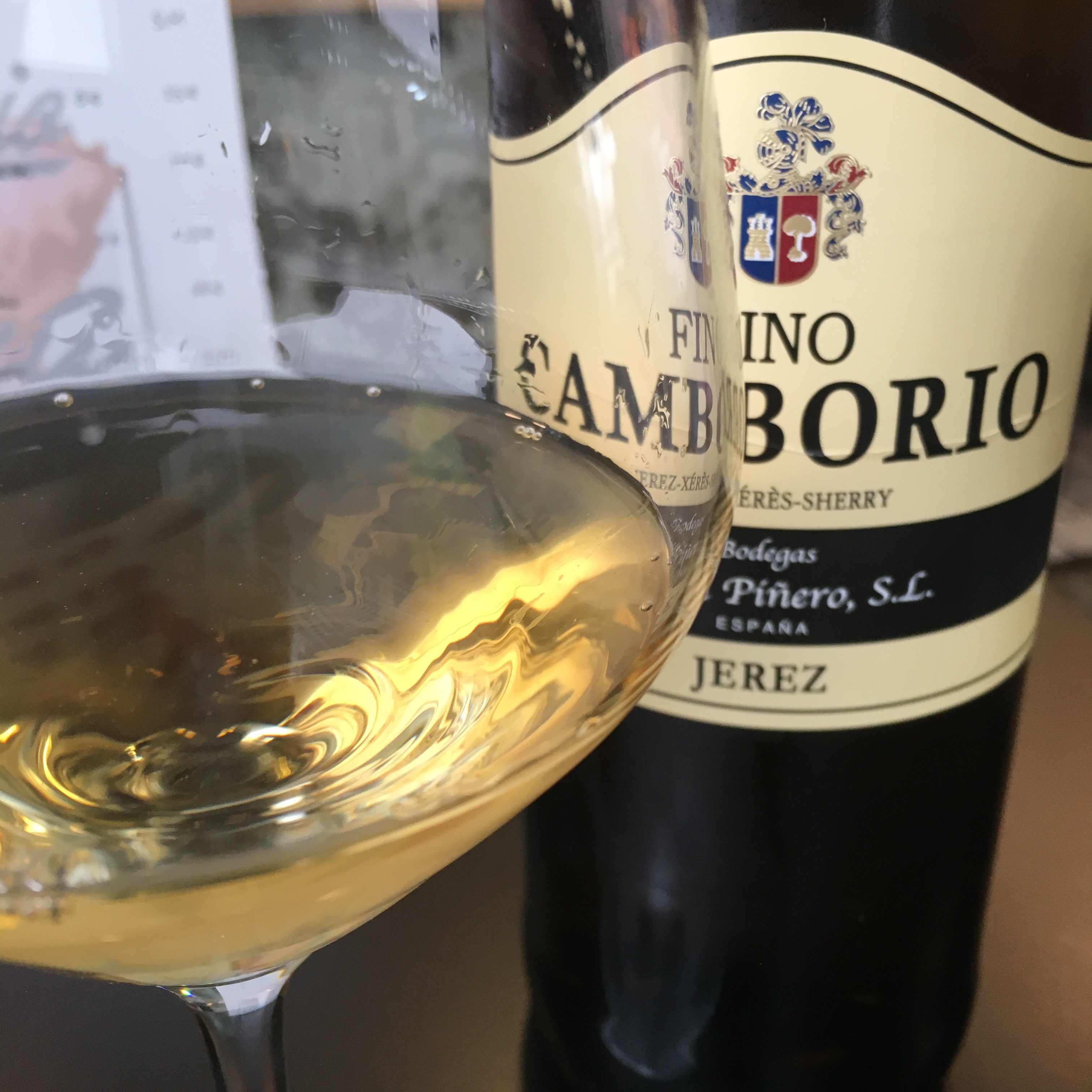
Fino Camborio

Not a great day today.  There were still some laughs (as there always are around David and Diego at Territorio Era) but in general my lunchtime mood was pretty sombre, despite an excellent lunch, the perfect company and this beautiful, full flavoured fino, which is sharp on the edges, zingy at the start and mineral in the finish and has a big, wide palate. Mood restorer indeed!


An old bottle of La Ina


One of the classics, and here in a classic form, a bottle that must be ten years or so old, with the famous name of Domecq across the top. I tried this one at the bar of Territorio Era (a top spot if you want to try bottle aged and other rare sherries).

As you can see, the colour has certainly evolved in that time. It is beautifully clear but has taken on a hue halfway between yellow and orange amber.  On the nose it is nutty and baked applet but just a little bit flat – not a big aromatic profile. Then on the palate it is dry and saline and, again, almond and baked apple flavours, with a bitter finish.

Very interesting – although maybe short on exuberance.

Fino Williams Colección Añadas 2009 – Saca de February 2017

They are back, the Williams Coleccion Añadas by Williams & Humbert, probably the leading champions of añada wines in el marco. Here by the glass (or two) at Territorio Era.

And this new saca is even more like the old one – maybe even better. The gorgeous colour, the sweet hazelnut nose and the sweet/salty combination in the palate – incredible hazelnut sweetness tempered with a mineral saltiness – and a zingy finish,  which again leaves a long nutty sweetness in its wake.

Not comparable to other finos, or even amontillados, that I can think of (except the ones in its own family of course). A unique wine and a fantastic advert for finos de añada.

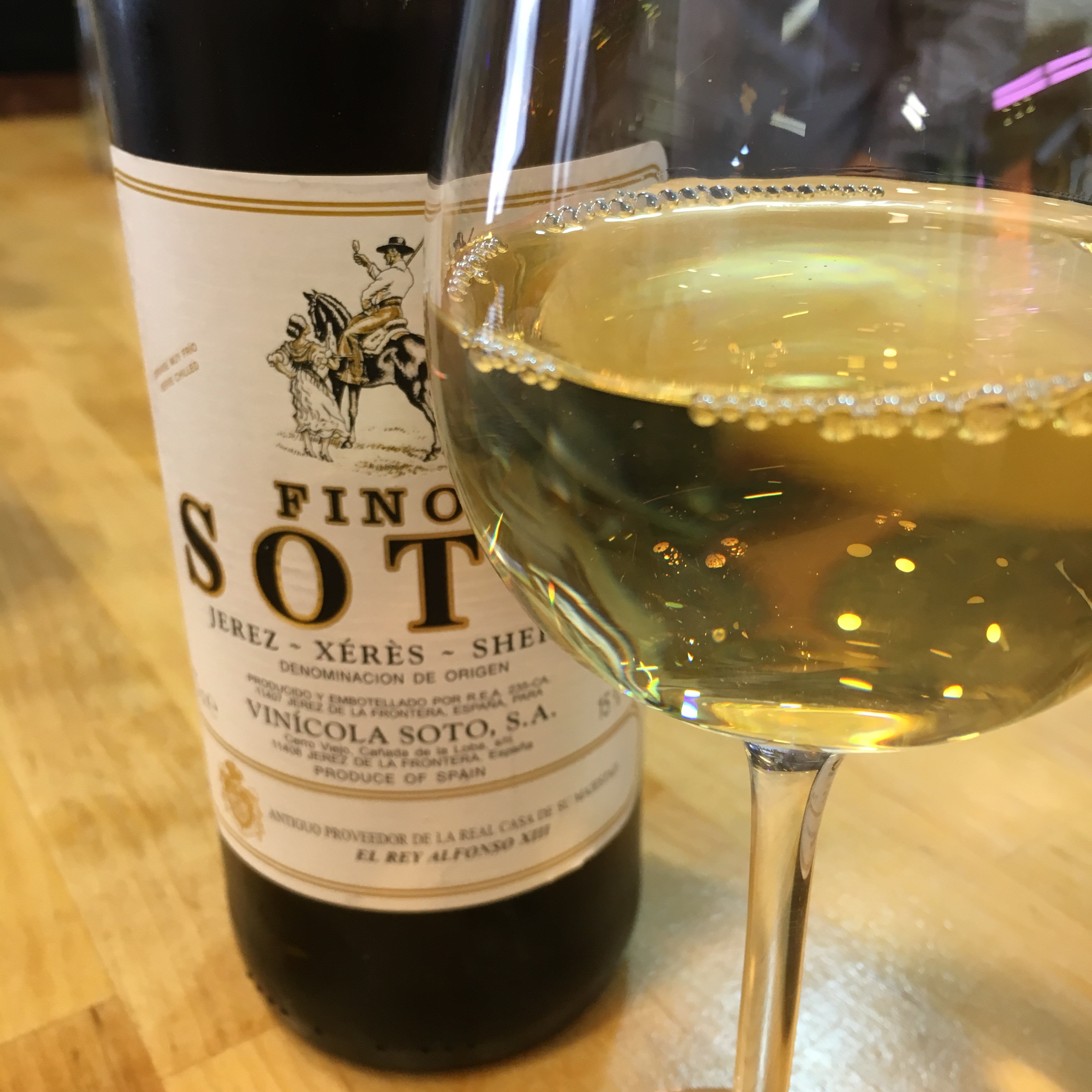
Fino Soto 

This has been a fair time in the bottle and it shows, at least at the beginning, with a pretty flat nose and a lot of liquorice on the palate. Improves after a little air and loses those more jarring notes on the nose. Had a serious palate with good salinity – even heat – but still a little too liquorice heavy for my tastes. 

Not really my bag but worth tasting – the bodega has quite a history or so I am told. One of the 105 (!!!!) generosos now available by the glass at Territorio Era

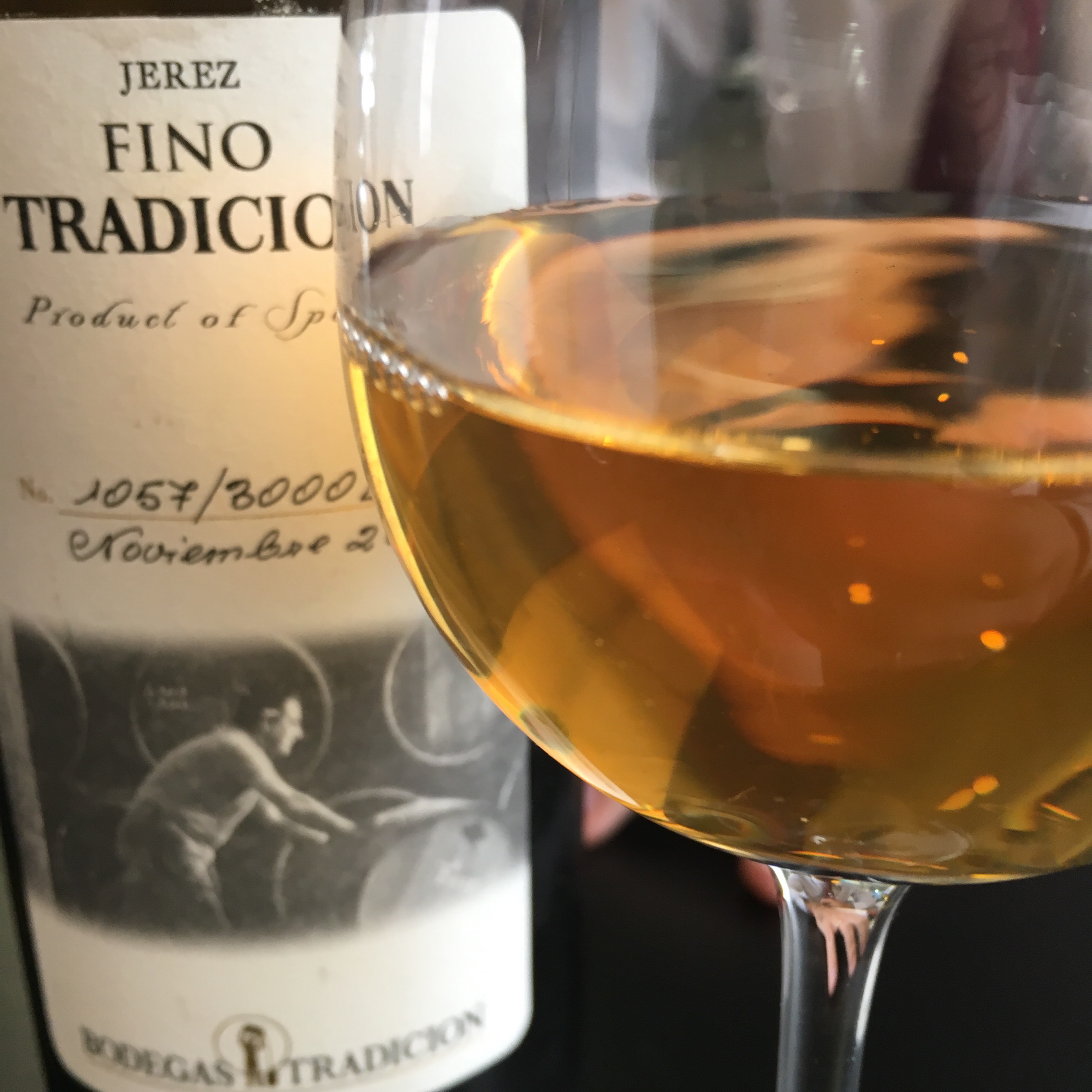
Fino Tradicion, Saca de Noviembre 2016

The latest saca from this excellent and improving series of wines, fresh in at Territorio Era. These winter sacas (they produce two a year in May and November respectively) tend to have more volume, punch and toasted, oxidated notes and this is no exception.

A pure beautiful crystaline brass of gold colour, it has a big punchy nose of salty sea air and esparto grass (natch) with a mix of older yeast, citrus and over-roasted almonds. On the palate it has real zing – a lot of saline action from start to finish – with again nice layers of flavours of nuts/burnt nuts and citrus/bitter citrus. Dry but flavourful and it lasts and lasts, with that sharp, crisp saline edge all the while.

Really excellent. I generally like the May sacas even more so look forward to that one!

Chiclana power: Primitivo Collantes in Enoteca Barolo

1f3cf748-4c9e-4bee-ae62-724f82689e97

I can’t believe over a month has gone by since the magnificent cata by Primitivo Collantes in Enoteca Barolo. As I said back then he is one of the unsung heroes of the so called sherry revolution and I got the feeling at the time that a lot of people were taken by surprise at just how good the wines – and his presentation of them – were.

One of the most impressive aspects of the night was the emphasis on terroir and viticulture. A first class description of Finca Matalian, its elevation and exposure to the elements (between two “mares” – a joke that is frankly untranslatable and even in Spanish doesn’t work unless you have the accent of the guys in Cadiz) that was followed by explanations of the pruning, the benefits of hand harvesting, the impact on the vine and the effects of a vine under stress, the prohibition on irrigation and importance of the absorbency of the soil. We also had some geology and some talk of abundant diatomeas and then emphasis on the relevance of the location so close (8km) to the sea but high (96m-114m up) – the advantage of the breeze and winds but with the quality albariza. A really top class setting of the scene.

When a winemaker brings two different soil samples you know he cares about terroir. It was fascinating to see these two: from Matalian itself and his other finca, Pozo Galvan. From far away Matalian looked chalky white and Pozo Galvan mottled, but from close to it wasn’t anywhere near as marked. I could try and convince you that they seemed to crumble in different ways but to be honest both were granular: maybe just a slightly finer dust to the Matalian. I did the old TV cop “cocaine” test with the tip of the finger and the diatomeas in the Matalian were immediately apparent. In fact it was clear to me that they were cold water diatomeas* (* these are alternative facts, as far as I could tell they also smelled and tasted the same (and I wouldn’t know a cold water diatomea if I sat on it in the bath)).

Then back to the vine and the yields, and the timing of the harvest in several passes, but thankfully during a lot of this time we were also tasting the wines (which is important, because there is only so much chat you can listen to dry). Specifically, we were supping away at sobretablas from Pozo Galvan and Matalian. A sobretablas is not a mosto – these are fortified and have spent time in a deposit with the occasional little island of flor – but they seem all the more raw for it, and these were spikey and punchy on the nose, with the Matalian slightly more piercing, the Pozo Galvan slightly rounder. On the palate that difference was more evident – the Matalian was that bit sharper and seemed much more direct, straight line, and longer.

After the sobretablas we moved on to two unfortified wines and specifically the Socaire 2014, which in itself is one of those fantastic flavourful palomino wines that stand out, saline but full of herbal, almond, almost-fruit, and then a chance to try a Socaire 2014 Oxidativo, with a touch of further oxidation from an additional 8 months bota ageing. You will have to believe me when I say you could bank those 8 months – I had the two together and the wine is only getting stronger. (Socaire itself means “shelter from the wind” and is a reference to the meteorological conditions on Finca Matalian – again showing how this wine has a clear sense of place.)

After the Socaires, we moved on to two biological wines, the Arroyuelo Fino en Rama and Amontillado Fossi. Now I have had these wines many times but at this tasting they absolutely sang. I had always found the Arroyuelo en Rama exemplary in terms of labelling but I never realized that they were bottled and labelled as the orders came in – with your man to select them. And what a wine it was on the night – a clear inheritor of the beautiful direct line of the sobretablas, but next to the sobretablas (I cunningly kept some from earlier) you could see the progression in verticality, saline edge and vegetable power. A superb example. And the Fossi was at its best too, with direct salinity and honeyed caramel flavour in bags. It is apparently around 18 years old on average already, and Primitivo told us that soon he hoped the average age to bump above 20 years into VOS category. I must say I find that really remarkable for a wine that is as elegant as this one. One of the most underrated wines around.

But however good those wines were there was no doubt about the star of the night: the mother of all moscatels. A frankly beautiful, elegant, light and spritely fifty year old from the “sacristia”. This wine – the grandaddy of the already very good Moscatel Oro Los Cuartillos -was a Fred Astaire of wine, incredibly agile for its content. It had a fantastic menthol quality and lightness and a seriousness of business – like a pianist playing hard with both hands. What a wine it was.

And since then the name of Primitivo Collantes has rung out in Madrid, no doubt. I have never seen the locals so enthused after a tasting – and with good reason. It was top drawer.
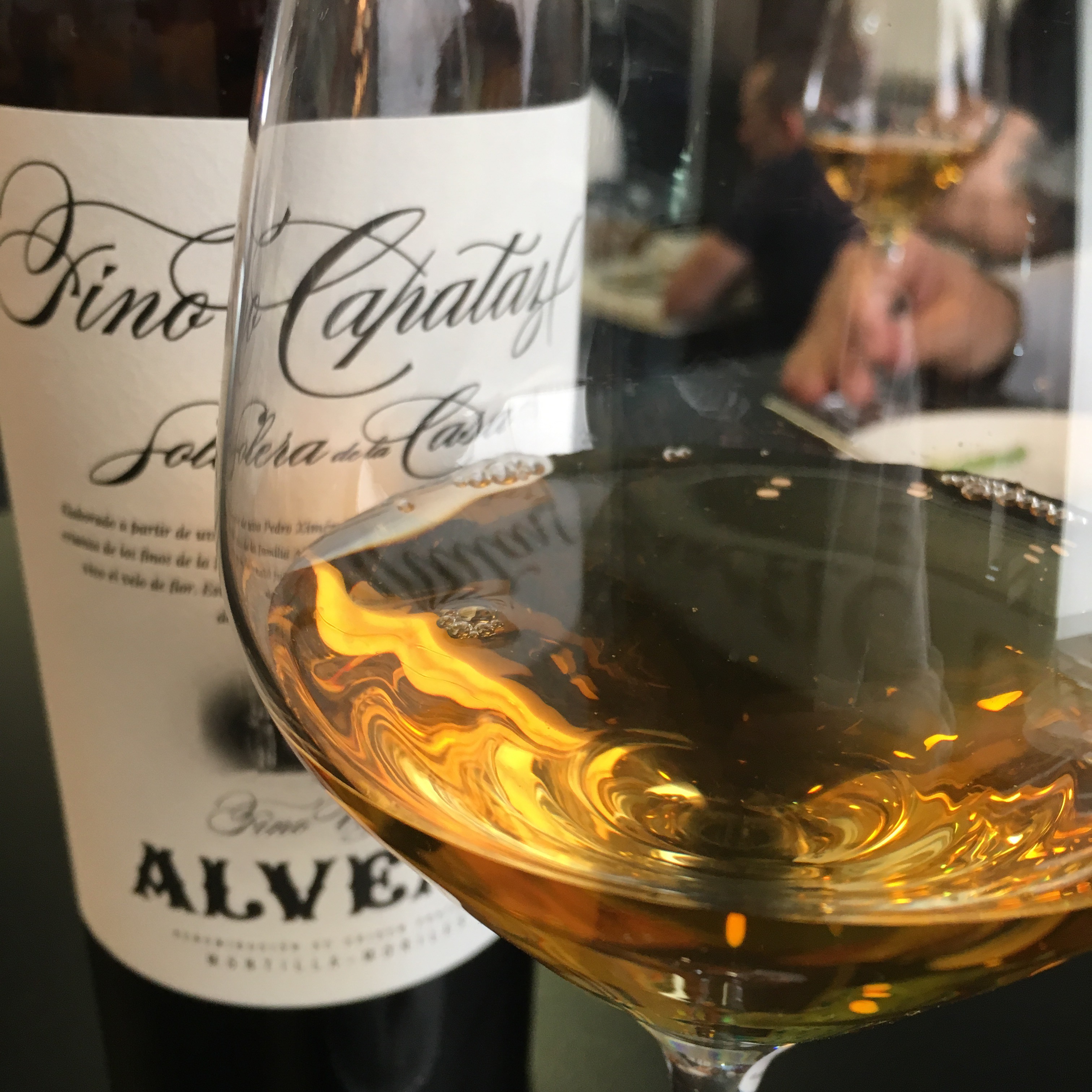
Fino Capataz Solera de la Casa 

At lunch in Territorio Era I had just enjoyed a glass of the Tradición Fino and thought it would be a shame not to compare it to this big boned fino from Montilla Moriles. Two 10-12 year old finos from high quality bodegas, the big difference being the grape involved – here we have pedro ximenez compared to the palomino.

You have to say it is a fantastic wine – real intense roast almond aromas and flavour, and volume but elegance too, with a nice zingy start and a long mouthwatering finish. Doesn’t have the bitter notes of the Tradición fino (although this is a year younger in the bottle) and in fact has a nice little caramel effect as the nuts give way to the minerals that makes the contrast even greater.

One of the outstanding finos. .

Fino Tradicion, Noviembre 2015

I have a general sense that these finos from Tradicion are getting steadily better (although at a majestic tasting at Reserva y Cata last year it became clear that the story is a little more nuanced). I also think they benefit from a little bit of time in the bottle.

Whatever the case, this one – which I should reveal was bought for me at the bar of Territorio Era – really hit the spot. A yeasty, dry unroasted-nut fino with nice elegant shape, some bitter almond notes and a fresh finish.

Really excellent stuff.

CGWF17: Part 4 – the Barajuelas 

I have written about these wines before but would never miss the opportunity to have another dig, so when I heard the capsule coming off from across the room – even early doors – my feet seemed to move by themselves.

First the Fino 2013, a wine with a massive range from low to high, with a yeasty fruity nose, big intense concentrated fruit, sharp, deep salinity and a crisp finish. A fruit full fino, or a superpotent white wine with added mineral kick. Absolute belter whatever you call it.

Second, the as yet unreleased Oloroso 2013 – here the minerals are turned down a touch but if the fino was full bodied this is immense. That oxidation is still getting to grips with the wine – not caramel juice here just concentrated fruit with a bit of burn to it. Above all there is an impression of solidity about this wine. Love it and hope it will be released soon.

Not a bad breakfast by any standards.