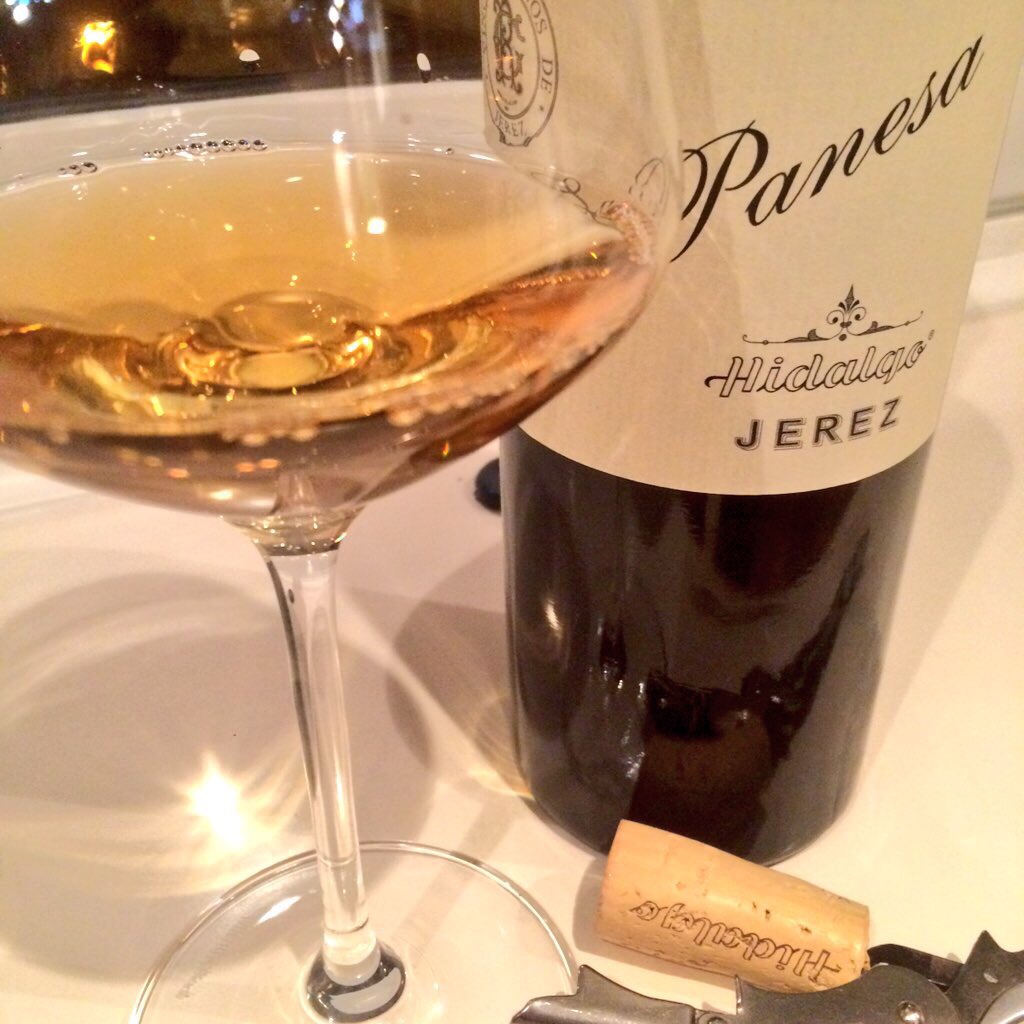
Fino La Panesa 


I have had a moratorium due to overflowing wine storage but after some good discipline it came to an end today. One of the first wines in was this – a favourite and a great wine by any standards.

I have written about this so many times already (in March, again in June, in July, in September, and most recently in November) it feels like there should be nothing new to say but I still feel compelled.

It just seems to channel all the qualities I love about these wines: a nose full of yeasty bread, haystacks and almonds; a rich juicy texture; and a salty, intense, integrated roast almond and yeast flavour which lasts and lasts without getting bitter.

Sensational, yet again.

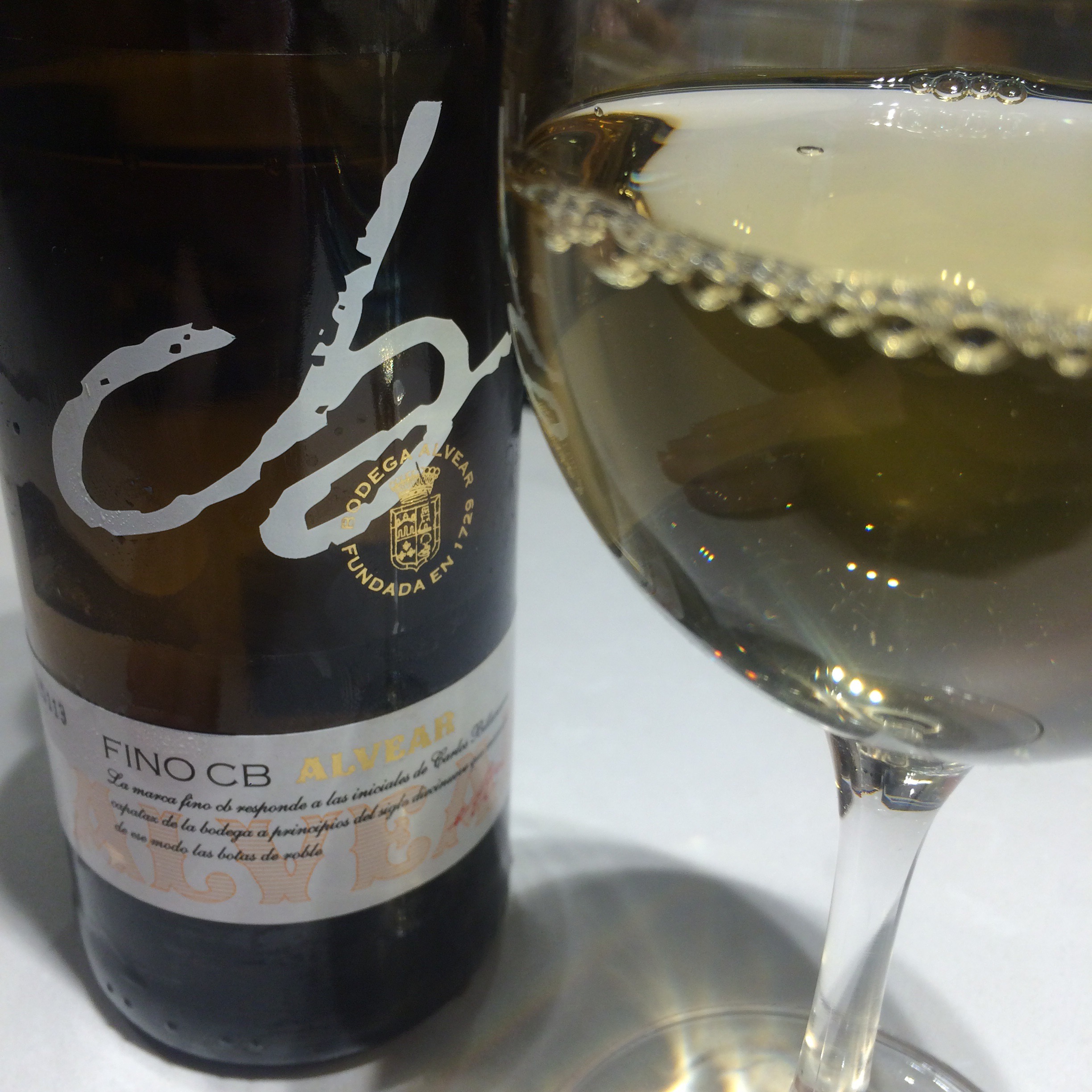
Fino CB 

  
This is a 100% pedro ximenez fino from Alvear in Montilla Moriles.

Pale and clear in colour and not the liveliest nose – faint hay bales, maybe some unsalted nuts. 

Smooth and salty. Very “fine” in texture for a 100% px and again not overly expressive. Nice punch to it but not zing or real intensity in sherry terms. For flavours: salty with a bit of nut you would say.

Another very elegant fino – this one a bit meek for my tastes. 

Fino Maestro Sierra 

A light, elegant fino from Maestro Sierra for a bright, sunny end of November Sunday in Madrid. To start with the bottle is elegant and has this new-traditional shtick.

It is light in colour – an extremely clear, pale straw colour, and has a nice delicate nose of haybales, almonds, baked bread or even fried breadcrumbs.

It is also yeasty in the mouth –  not too saline but punchy in flavour and greasy in texture, with almonds and sweet herbs. Not overlong by sherry standards but dry, fresh and tasty.

Really nice all around – this is why they call these “fine” wines.

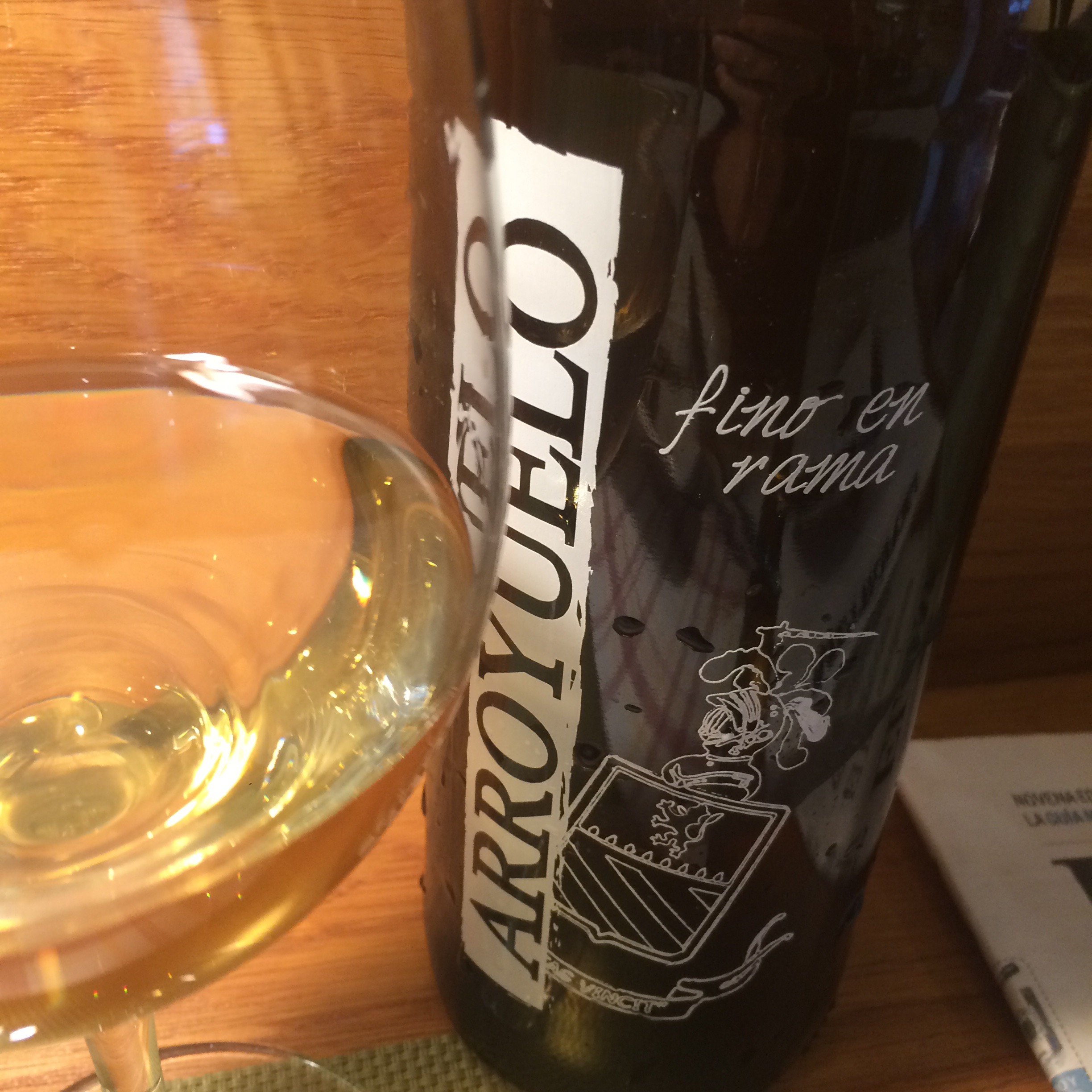
Fino arroyuelo en rama – strikes back


Here we go again with more of the descendants of the magnificent mosto from Primitivo Collantes’ Finca Matalian – raising the stakes on last night’s Fino with the Fino en Rama. First time I had this I found it too vigorous – and then was stupified when I saw it described in one professional tasting as “flat”. Really wanted to try again so have come for a sneaky Friday cata/lunch at Taberna Verdejo, one of the best places for sherry (and, sweetbreads, and indeed eating) in Madrid.

Second time around is interesting. Frankly I am better prepared mentally – this is an intense, mineral fino, and the first time it took me by surprise. After the learnings of recent days the elephant of surprise has vanished.

So, the colour is indeed darker than the fino, has greenish brown notes. The nose is also still massively mineral with ozone/sea air, but again there are some green herbs in the background.

In the mouth too there are similarities: more minerals, zing on the tongue and a salty water texture. However those herbs crop up again – dry herbs like thyme or rosemary, slightly bitter in the finish. Still no sign of that big fruit but a slightly fuller flavoured wine.

I like it more than the first time – maybe I am better placed to appreciate it – but is still vigourous and maybe a bit front-heavy. (Flat though? Really?)

Fino Arroyuelo

After all these mostos and manzanillas I really felt like a fino tonight and I had a particular reason to choose this one by Primitivo Collantes.

The reason? Well, when I tried the  Fino en rama I found it if anything too lively, bulky and vigorous. However, the mosto from this same vineyard was for me (and many others) the standout wine of the Pitijopos, big and juicy but compact and elegant fruitful mouthfull with real personality.

This is a fino from fruit grown on that same Finca Matalian vineyard. The vines are only 8km from the sea and the harvest in this area is the latest of anywhere in the sherry triangle, starting in around the first week of september. These grapes have been manually harvested and separated, and while the pitijopo was fermented in wood this was fermented in inox then raised under the flor in criaderas/soleras for 5 years.

It is a lovely light, clear gold colour – less of a yellow green than the en rama, certainly – and the nose is immense. It has real sea air/ozone saltiness, yeast and nuttiness behind, and although you wouldn’t compare it to the mosto in terms of fruit there may be just a trace of apricot jam at the back.

It is big in the mouth too, but while the mosto was syrupy this has massive salinity and minerals. The salinity gives it both intensity and zing on the tongue and the bulky volume of seawater. Maybe if anything it is a little too intense and overwhelming – a little too much minerality and volume and not enough fruit.

Overall, it would be really difficult to join the dots between this fino and the mosto blind. Although they are both big on the palate and there is clearly salinity under all that fruit of the mosto, the massive minerals and intensity of the fino transform it into something else entirely. In fact it really makes me wonder what this wine would be like with a shorter period under flor – say 18 months or two years. Would be fascinated to find out …

(In other news. fans of Pitijopo 6 will be pleased to hear that these guys are brewing something up. It would be wise to follow Primitivo Collantes’ releases closely in coming months.)
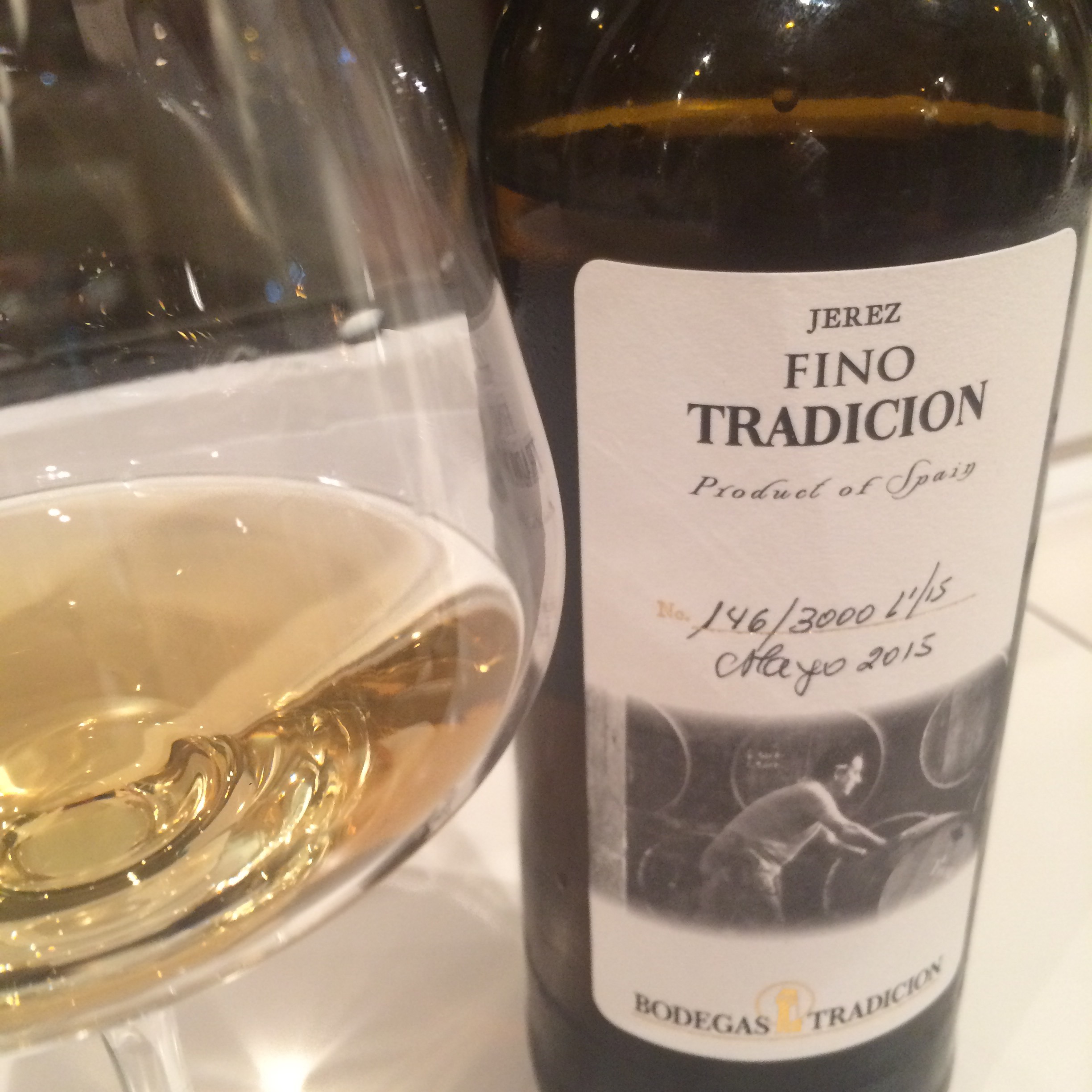
Fino Tradicion may 2015 


This is a sensational wine, really good and seems like it is better every time I try it. Admittedly today a fella has had a very good lunch already and is in one of his happy places but even so.

The brown of gold colour, big yeasty nose, oily mouthfeel and intense salty olive flavours – almost a prototype of the kind of wine I love. I would maybe ask for just a bit more nuts but hey.

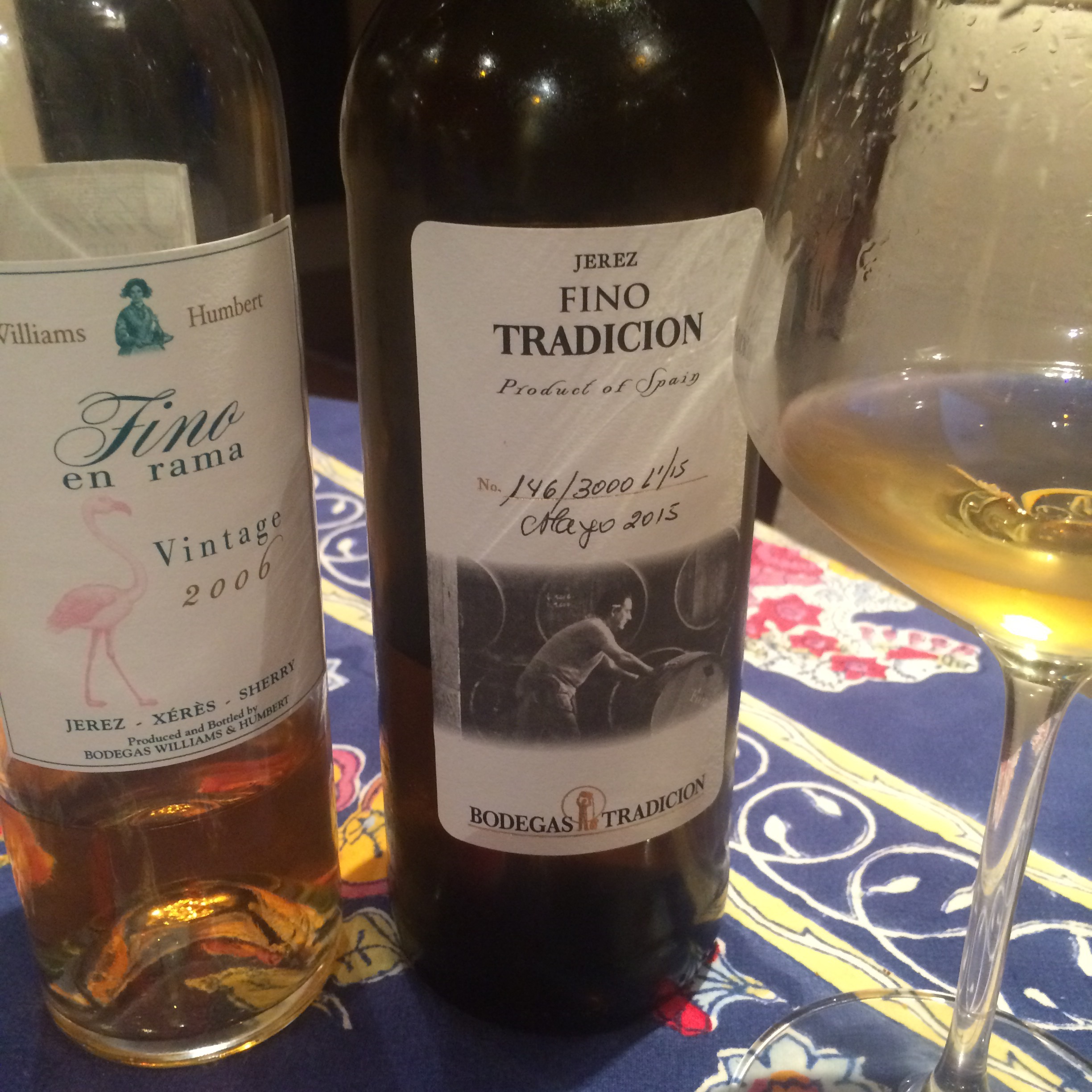
Vintage vs Solera 

This was a fascinating comparison – have tasted both of these wines separately recently and the notes are below. Liked them both too.

The 2006 Vintage has more zing and is a little more intense, and has a slightly range of flavours – including buttery notes. On the other hand, there are more rounded, bread and nutty flavours in the solera-bred Tradicion fino. My first impression of the Vintage was that it had a big shape but was a little hollow and this umami is probably what I was missing.

Hard to choose between these two – I love fino and maybe prefer the flavour profile of the Tradicion, but the Vintage undisputably has a more precise structure and more discernible features. As they say around here – it is “mas vino” (more wine) and it probably wins by an elegant whisker.

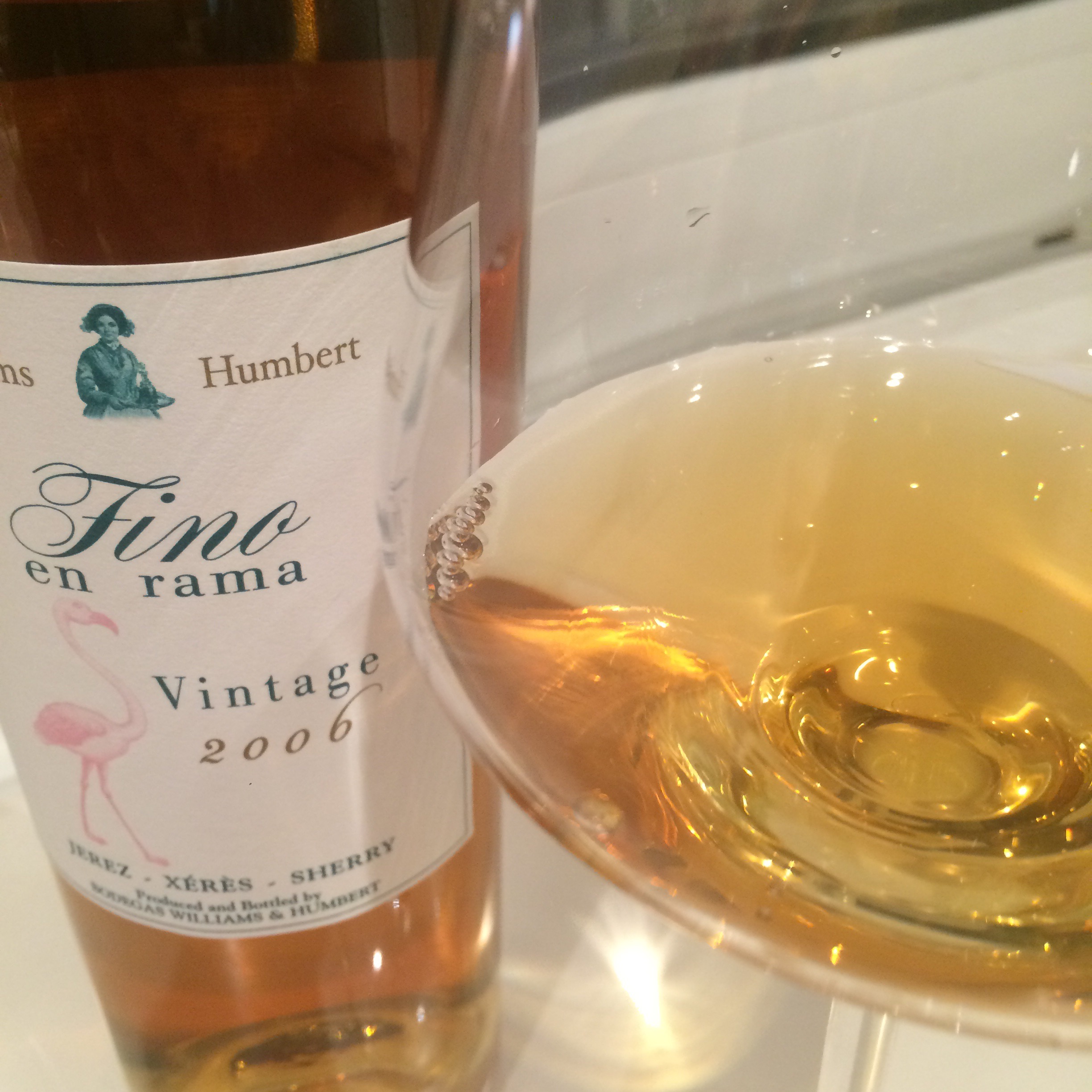
Williams and Humbert 2006 Vintage fino en rama

  
Coming back to this after three days open for some second thoughts. 

May be my imagination but it seems a touch darker than I remembered – a gorgeous old gold. The nose is intensely yeasty – ripe hay bales with a little bit of cream cheese and citrus like a cheesecake. 

Really nice zing to it – leaves the tongue buzzing – then salinity, broadens into a buttery toffee, before a long yeasty hay bale tail. 

I like it even better today. This wine needs some time open.

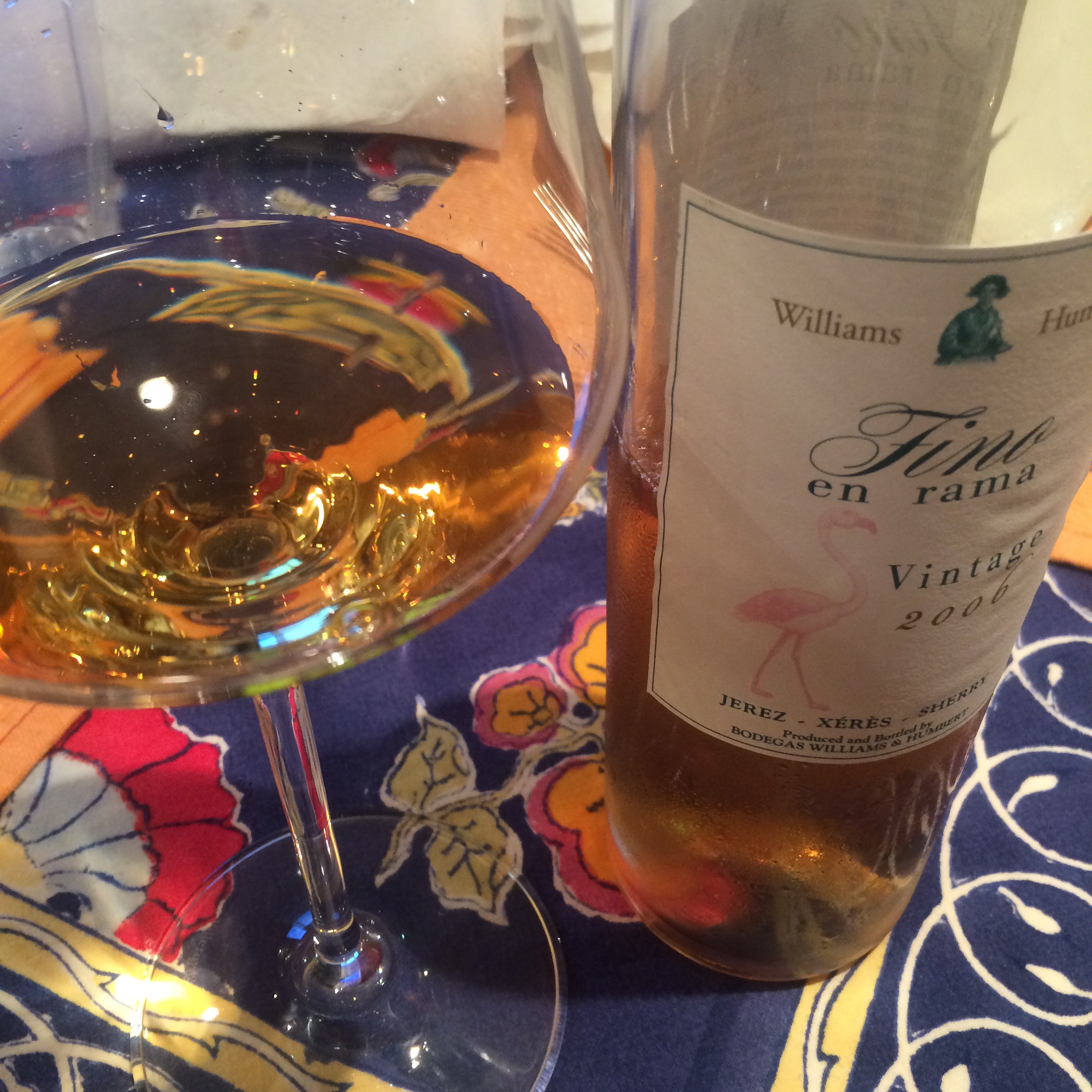
Williams and Humbert 2006 Vintage Fino en rama 

Flamingopower! Had my first bottle of this just over six months ago – just before, in fact, I started writing this blog, and I thought it was sufficiently interesting to pick up another and write something. It is from Williams & Humbert, a classic old label whose Walnut Brown and Canasta cream sherries were favourites at our house when I was a kid.

This one, of course, is not a cream. It is a vintage fino – statically aged in botas that were put aside in 2006 and bottled unfiltered in 2014. (For a fuller description check out the post on the excellent Sherry Notes.) Pretty unique stuff and very interesting, although I am not 100% convinced that these wines are better than their dynamically aged counterparts.

The colour is a bit darker than straw and clear as a bell. The nose first up was frankly amazing: lots of yeast, even by sherry standards, a bit of alcohol, really herbal and pungent and hints of baked milk. On coming back to it a day later the differences were interesting – definite toasty, honey notes.

It is smooth and potent on the palate. It is buttery in texture and has a buttery, yeasty flavour, with zingy salinity and alcohol. As big as it is, though, I find it a little hollow in structure, not as full bodied as it might be, and although it has a long yeasty tail even that seems a little thin.

Overall a very interesting mouthful, just not as rounded and full bodied as it could be.

Fino Tradicion may 2015 

Yum and indeed, yum. This is absolutely spot on – a big yeast bomb. Nice gold straw colour. Fresh hay bales on the nose, intense saline citric juiciness on the tongue. Long, but a touch bitter on the finish.

Really good – I am more and more of the view that these Tradicion Finos are better taken in the first few months.