UBE Carrascal 2015 

The third vintage (at least that I have tried) of this imperious white wine from Sanlucar. (You can see my notes from the 2013 here and here and the 2014 here, here and here.) It comes from some very special vines and vineyards in Carrascal (Sanlucar) and although it is simple enough to explain (it is an unfortified white wine) it is nevertheless one of the more challenging wines you will come across. It is made by Ramiro Ibañez’s Cota 45 and a total of 1,000 bottles were made. 

These are elegant, mineral wines, and I associate them with aromas and flavours of citrus and mountain herbs. By comparison to previous years, the 2015 has a greater concentration of citrus fruit, surprising acidity and a nice buzz first up – a chalky tingle on the gums and tongue. Then the flavours grow in intensity and are herbal and savoury. The citrus flavours persist and turn slightly bitter like gooseberries. 

As I was drinking this – minding my own business at the bar of Territorio Era, a passing genius chose to come and explain to me that there was no point drinking palomino, that it lacked expression and was  only good as solera fodder. I just smiled and looked around for the hidden camera. I have said it before, if there is any argument about palomino and expression, UBE is the answer. 

Manzanilla La Guita en rama, Octubre 2015

Have been meaning to have another crack at this since a memorable dinner with its maker, Eduardo Ojeda, a little while ago in Lavinia. Although I had really enjoyed it last January and again in March, for one reason or another I hadn’t come across it for ages until that dinner.

It is a wine with a lot of personality, no doubt. A rich brass colour and a very aromatic nose of citrus, minerals (rusty metal), nuts, chamomile and herbs, then again on the palate fresh, sweet seeming citrus to baked citrus, a zesty orange sponge kind of flavour, almonds to roast almonds, and sweet herbs, and the citrus lasts a long time giving a really pleasant, sweet feel to the finish.

An excellent wine. I can’t wait for this year’s saca.


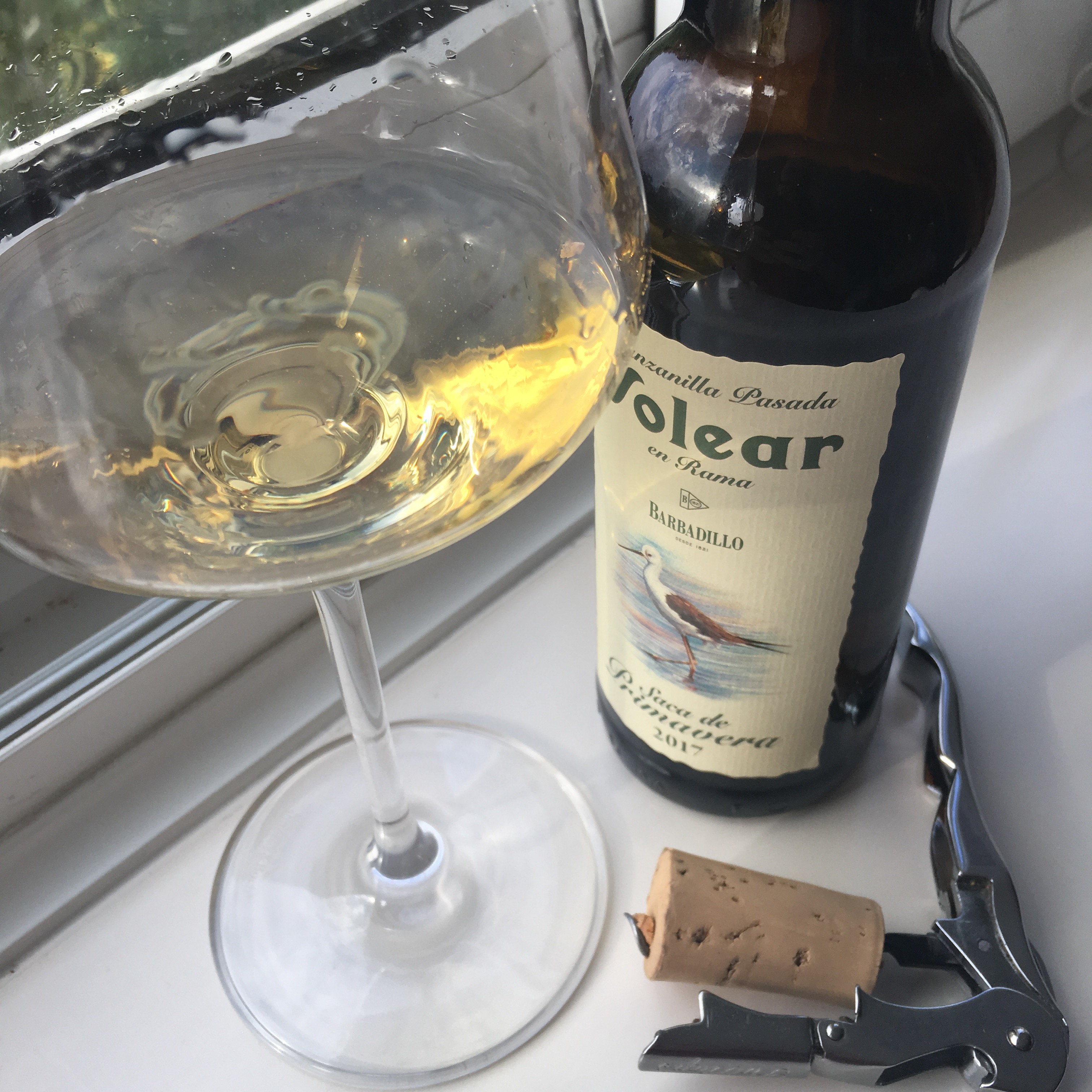
Manzanilla Solear en rama, Spring 2017

The latest from this fantastic series (a release every season since 1999) comes with a black winged stilt (cigüeñuela común) on the label.

It is a beautiful dark gold colour with maybe just a hint of green, and has a very very pungent nose (almost swimming-pool like in intensity) of salty iodine and sea herbs, almost like seaweed. On the palate it is just an explosion of sapidity, full of life, with really zingy, saline heat and spicey, peppery salad flavours.

An absolute belter – love these little bottles and this one seems to have come with a bit of extra oomph.


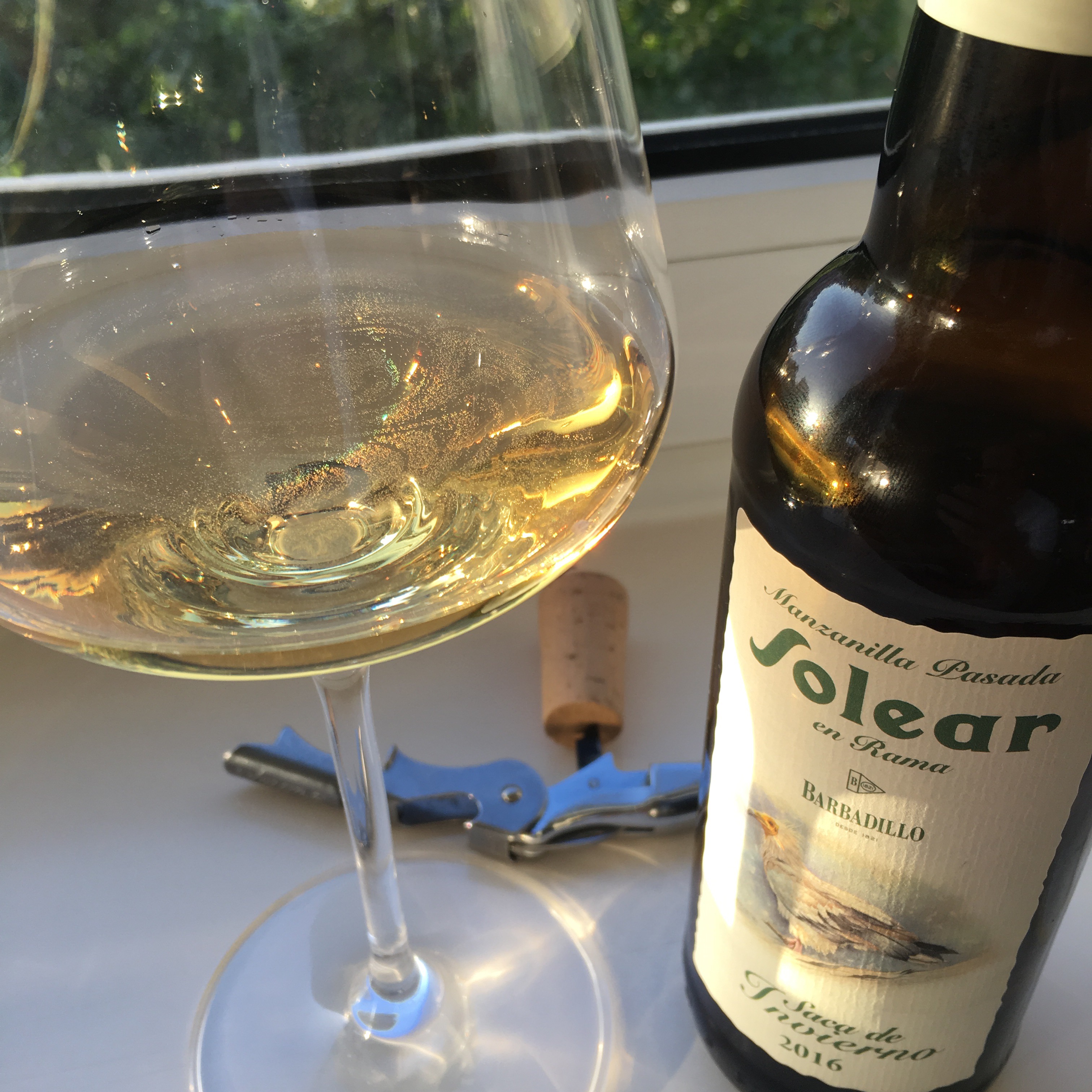
Solear en rama – Winter 2016


Although I fully understand the arguments in fabour of magnums, I also love these little bottles – just perfect for a pre prandial snifter. This one is full to the brim with delicious, characterful manzanilla and comes with a free gift – a tiny veil of flor (at least that’s what it looks like to this untutored eye. 


And just look at that photography too – through the neck of the bottle. Absolutely top drawer blogging tonight! 

Tio Pepe en rama, 2017

Other bodegas may have started earlier but noone puts more marketing heft into en ramas than the giant Gonzalez Byass. This was launched in an extravaganza here in Madrid a couple/few weeks ago (your correspondent was not invited) and no doubt around the globe. You have to give them their due. No one can match their distribution and they make full use of it, which must be for the greater good.

Even better, the subject is worth the attention. A very nicely made fino this one. Nice rich colour, green to slightly stewed apples and some haybales and salt on the nose, then a nice fresh almond/apple entry and spicey, salty finish on the palate. 

A top fino and a worthy ambassador. God speed! 

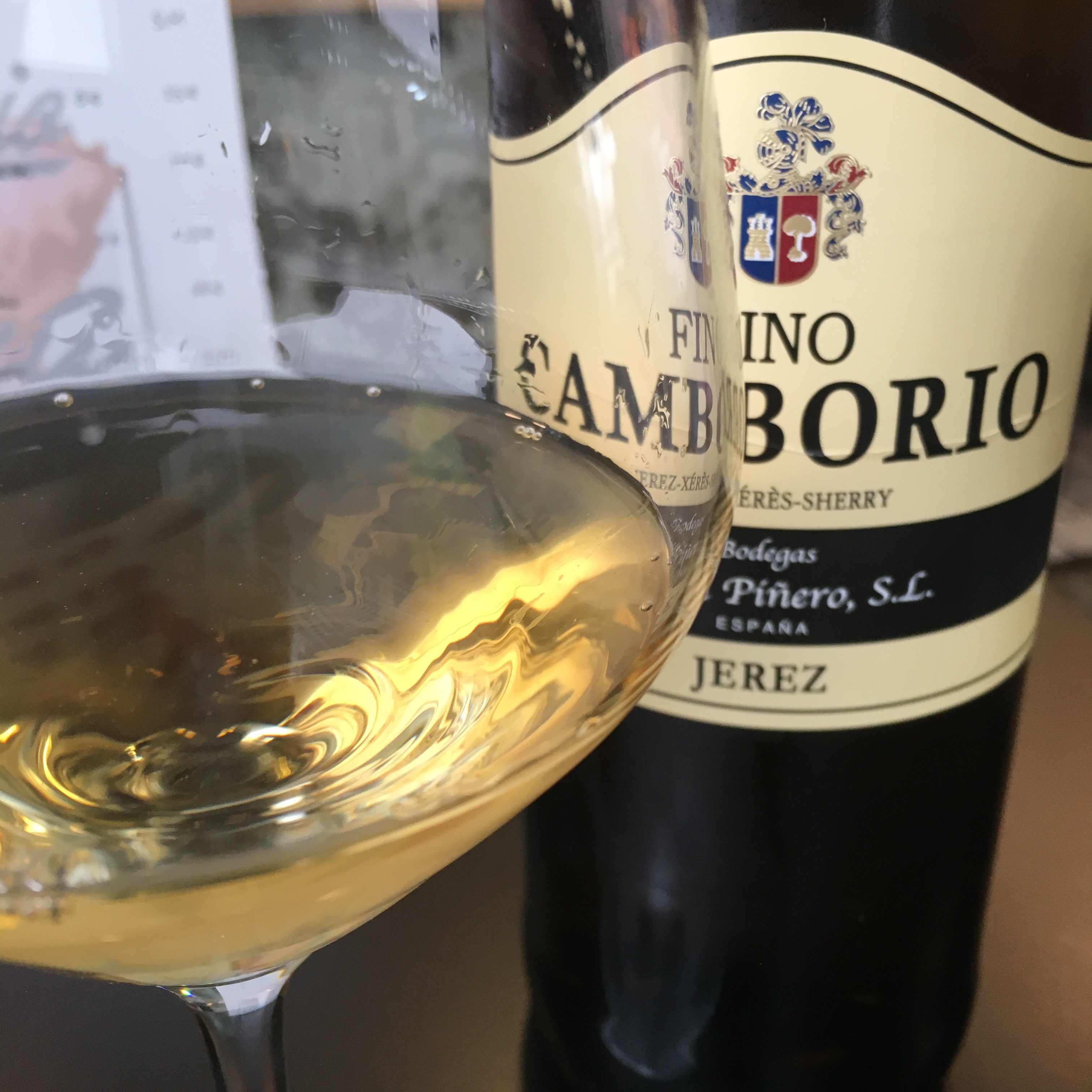
Fino Camborio

Not a great day today.  There were still some laughs (as there always are around David and Diego at Territorio Era) but in general my lunchtime mood was pretty sombre, despite an excellent lunch, the perfect company and this beautiful, full flavoured fino, which is sharp on the edges, zingy at the start and mineral in the finish and has a big, wide palate. Mood restorer indeed!


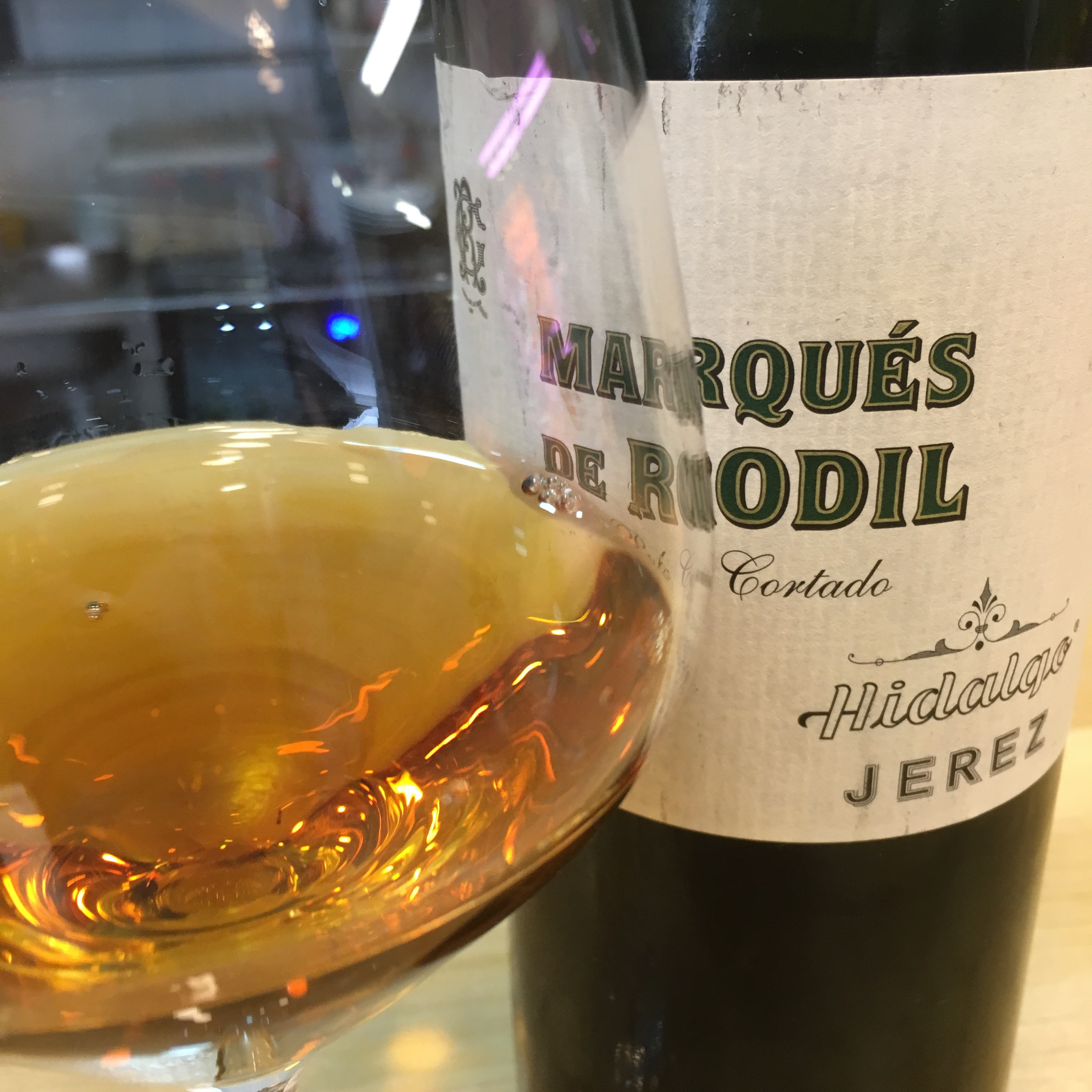
Palo Cortado Marqués de Rodil 

A beautiful palo cortado this from Emilio Hidalgo – balanced and super-elegant, almost a palo cortado fino.  Clear as a bell and between a very dark gold and a light amber, has a lovely clean, piercing nose with fine sawdust and hazelnut. Dry, saline and sharp on the palate, again with roasted hazelnut.

Just a delicious wine, that is easier to drink than it is to find. There are a lot of bodegas that can produce as much palo cortado as they need, but for whatever reason, Emilio Hidalgo can only make as much as there is – the word the last time I spoke to them was that there was no more for now – and for the foreseeable.

I had this in Territorio Era, but if they don’t have a sherry there, it isn’t anywhere. And I am really glad I had a chance to have a look at it again. The first time I tried this wine, the bottle I had was not right – probably because it had been in the bottle a long long time, and just could not shake off the reduction. Since then I had a glass that was right in Taberna Verdejo, that just sang with dark chocolate, and I also had a glass at the Salon de los Vinos Generosos, but I never had a chance to think about it on either occasion (yes, as incredible as it seems, some thought goes into these posts).

The other problem this wine has, of course, is the exceptional, superb quality of the amontillados from the same house. In fact the more I think about it, the more I wonder where this wine comes from. A fella has some investigating to do.

Amontillado Fino Agustin Blazquez 

The second of two very special wines served after an already brilliant tasting with Bodegas Tradición at Taberna Palo Cortado last night, this one was a homage to the star of the evening, Jose Maria Quiros, who had for a time worked at the legendary and now disappeared bodega of Agustin Blazquez. It was very generously opened by Paqui, who had already given up her evening to host us and had laid on the usual delicious tapas – I just wish I had a wine good enough to have reciprocated.

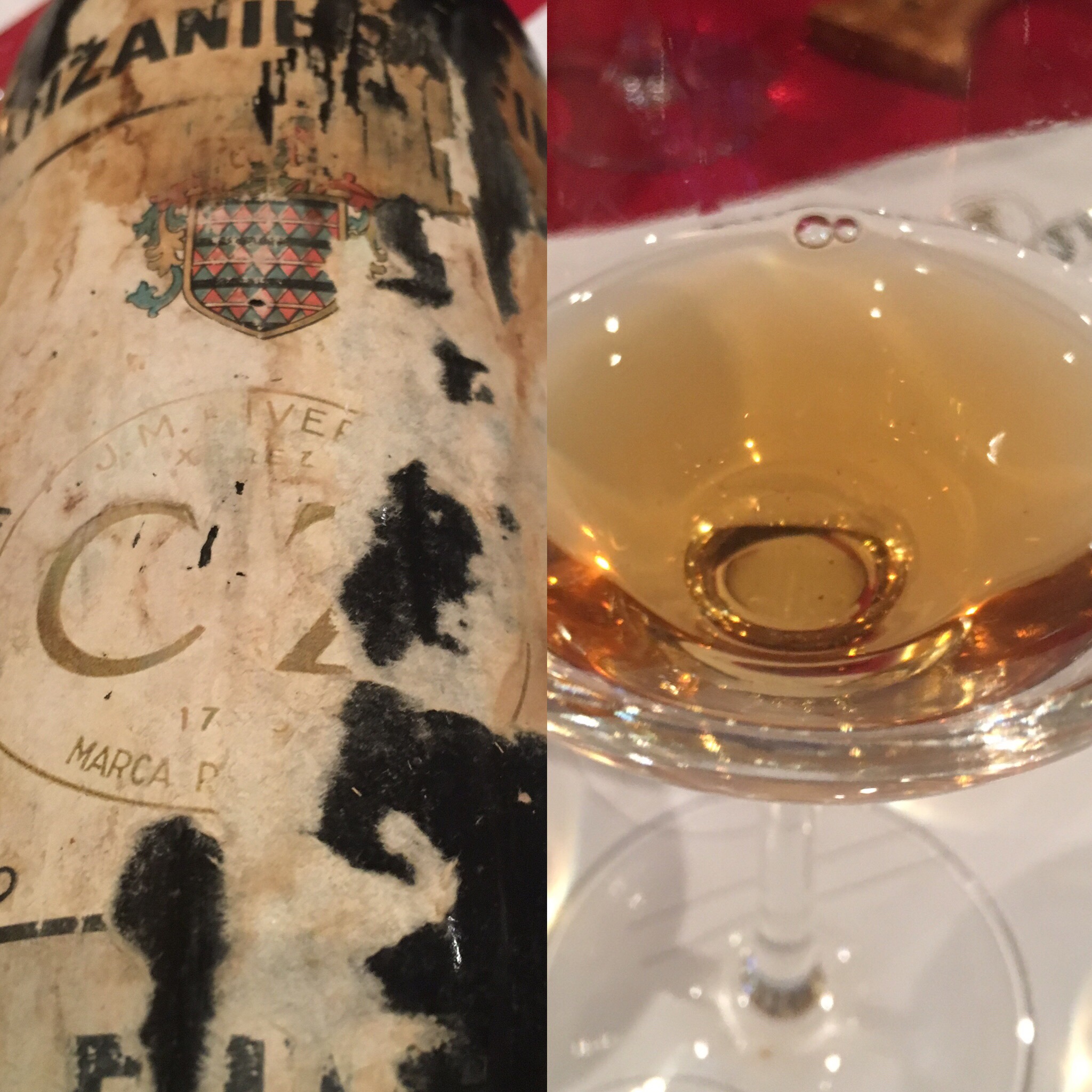
Because this wine was also top drawer. Estimated as being bottled in around 1950, it came from an original wooden case and was wrapped in original straw packaging (you can just see it above). The cork had not survived the passing of the years, or rather had been partaking a bit too heavily, which explains the debris in the glass above, but otherwise the wine came across as as clean as a whistle.

This would have started as an amontillado fino – probably not unlike the older finos that Tradición make today – and has probably gained some colour. As you can see, a lovely clear brown (interesting to me how similar it was in colour to the manzanilla of the same kind of age that we had tried just before). This had just a touch of reduction on the nose and aromas that were a bit more serious, like bitter almonds. Then on the palate again it was still compact and clean in profile. Not a big structure or punch but a little bit of acidity and a nice deep, almond to bitter almond flavour.

This must have been some wine when it was a young’un – and in many ways it still is.


Manzanilla CZ 

I went to a special tasting of singular wines by Bodegas Tradicion last night at Taberna Palo Cortado and after the official program there were some even more exceptional extras. The first was this Manzanilla CZ – the original brand of the Rivero family, current owners of Tradicion – which had no date but based on label and bottle must have been from the 1950s or maybe even earlier (or so the experts concluded last night anyway). It was brought by the massive legend and outstanding cameraman Abel Valdenebro.

Just look at that colour – evolved from a manzanilla, but not as evolved as some en ramas that are currently on sale (naming no names), and so bright and clear. It looks incredibly clean and appetising, and you get the same impression from the nose – slightly sweet of esparto grass, but by no means honeyed or nutty. It has wandered from the path of the manzanilla but I would place it as a manzanilla pasada, although it didn’t have quite the same saline punch as either.

Finally on the palate again clean and fresh, a compact profile with no dustiness. Not a big profile or an exuberant wine and not much structure left but a nice waxiness and an even better range of flavours across the palate, from a slightly sweet of esparto grass start through a warming salinity to only a slightly bitter finish.

This is what is known as growing old gracefully – a beautiful old wine. Many thanks Abel!

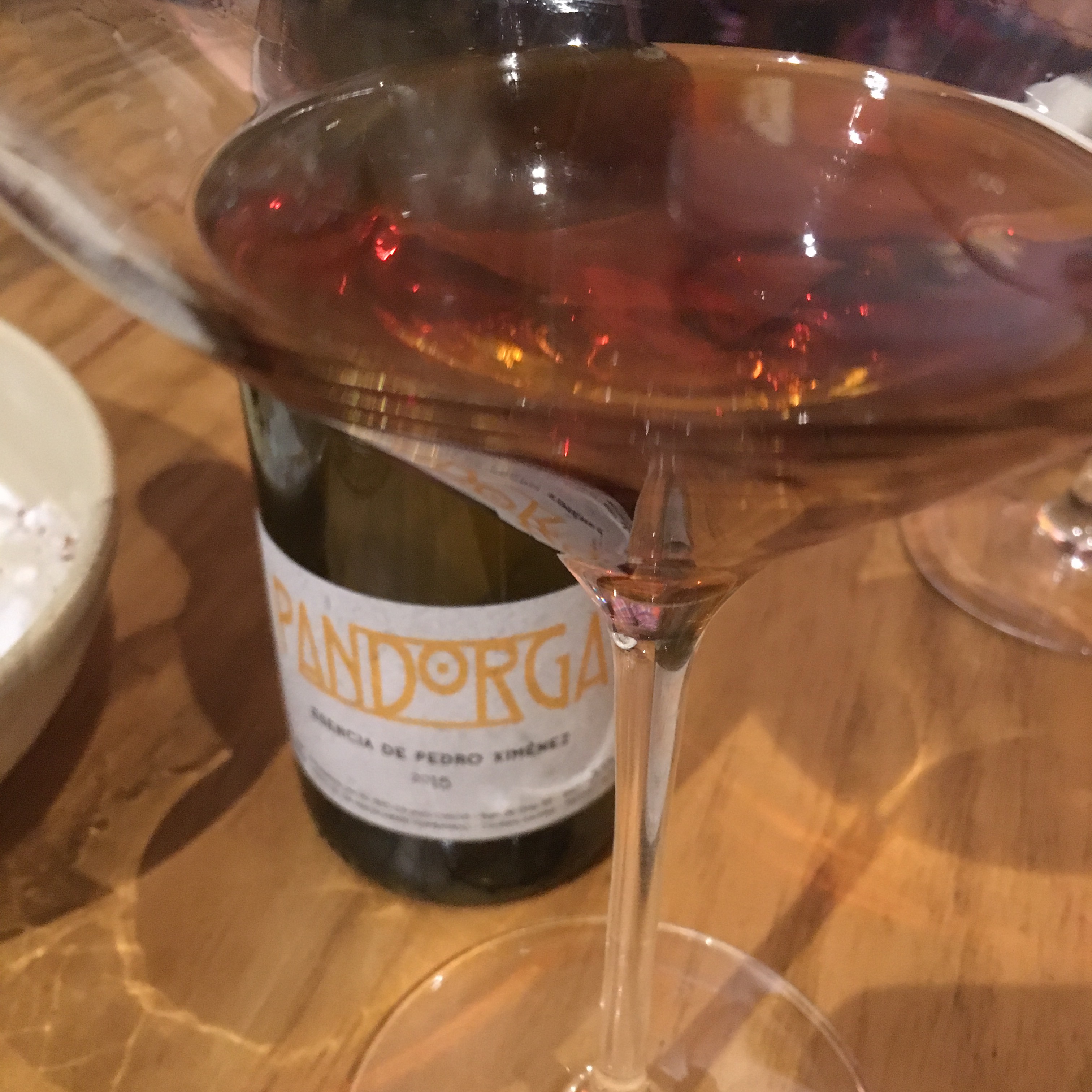
Pandorga 2015 – Essencia de Pedro Ximenez

Here is a wine you won’t see much of, if indeed it is a wine. 

It is the second edition of Ramiro Ibañez’s Pandorga pedro ximenez and, like the first, seeks to express the characteristics of the fruit and the añada – a young wine fermented in bota and no attempt to “correct” the effects of the growing season on the fruit. In most cases of industrial production a cool drying season might be corrected by more days of asoleo and fermentation at higher temperature, and a hot season with fewer days and more controlled temperatures. Ramiro’s approach is pro-cyclical: the effects of the cooler 2014 season given very little asoleo and accentuated by the naturally lower temperatures of fermentation. By comparison the hotter 2015 growing season meant more asoleo and a warmer fermentation. The result is an extraordinary, a tiny amount (and thus sold in tiny bottles) of nectar with 520g/l of sugar and only 5% alcohol – too little to allow it to be labelled wine. 

And if the 2014 was apricot jam this is fresh, ripe apricot juice. Just a touch of acidity to keep it honest, but the words that spring to mind are along the lines of ambrosia, nectar, sherbet and similar. 

Really an exceptional thing. I have my own tiny bottle at home, but we enjoyed this at the end of a sensational dinner at Angelita. (And what other restaurant can offer you wines as rare and unique as this?)