El Muelle de Olaso 2016

A dry white palomino wine from the Corregidor vineyard on Pago Carrascal.

Corregidor is the source of the two most exciting wines from Jerez at the moment – the Barajuela Fino and Oloroso – and this wine is the little brother of those two giants. It is made 80% from grapes collected/discarded while “clearing” the vines in the months prior to harvest and 20% from the mosto used for the Barajuela itself. And even better, there is a lot more of it: whereas the Fino and Oloroso are about as common as singing unicorns there are no fewer than 10,000 bottles of this. It is fermented in Bota de Jerez and then spends six months in stainless steel.

Curiously, despite coming from prime Jerez real estate the name of the wine is a reference to a landmark not of Jerez but of Sanlucar: el Muelle de Olaso, or Olaso dock. A pier built from concrete between 1911-22 on Bajo de Guia and used for many years by the shipping lines before being demolished in 2005. A symbol of Sanlucar’s past importance in exports for the region.

I have only had this in convivial occasions and it contributed significantly to each – a really fun wine. What strikes me is the relatively sparky acidity and the richness of the fruit on the palate. It is quite a lively lemon yellow color and has a really nice nose with almost tropical fruit like pineapple, then it is a big juicy mouthful but still fresh thanks to that sparkiness up front and a faintly mineral finish.

Very drinkable indeed – in fact maybe even better than that because this is a serious wine, and while I don’t often talk about prices on this blog this is cheap as chips – less than a tenner. No excuse for not getting stuck into this this summer people.

Manzanilla Pasada Maruja 


One of my favourite examples of one of my favourite styles of wine. From Juan Piñero in Sanlucar this is one of the older, more intense manzanilla pasadas around. In fact at a recent dinner I had the chance to try it against some other top examples and it blew them away (a great example of the advantage of opening several bottles at once, as if any excuse were needed).

It is a rich colour and has intense yeast, spice and herb aromas. Then on the palate searing, zingy salinity and savoury, spicey flavour, with just a hint of ftuitlike sweetness, like potatoes in a rich spicey tomato sauce. Hint of curry to it in fact. Then a finish that still sizzles. 

Just what I needed after a tough day. A beautiful wine.

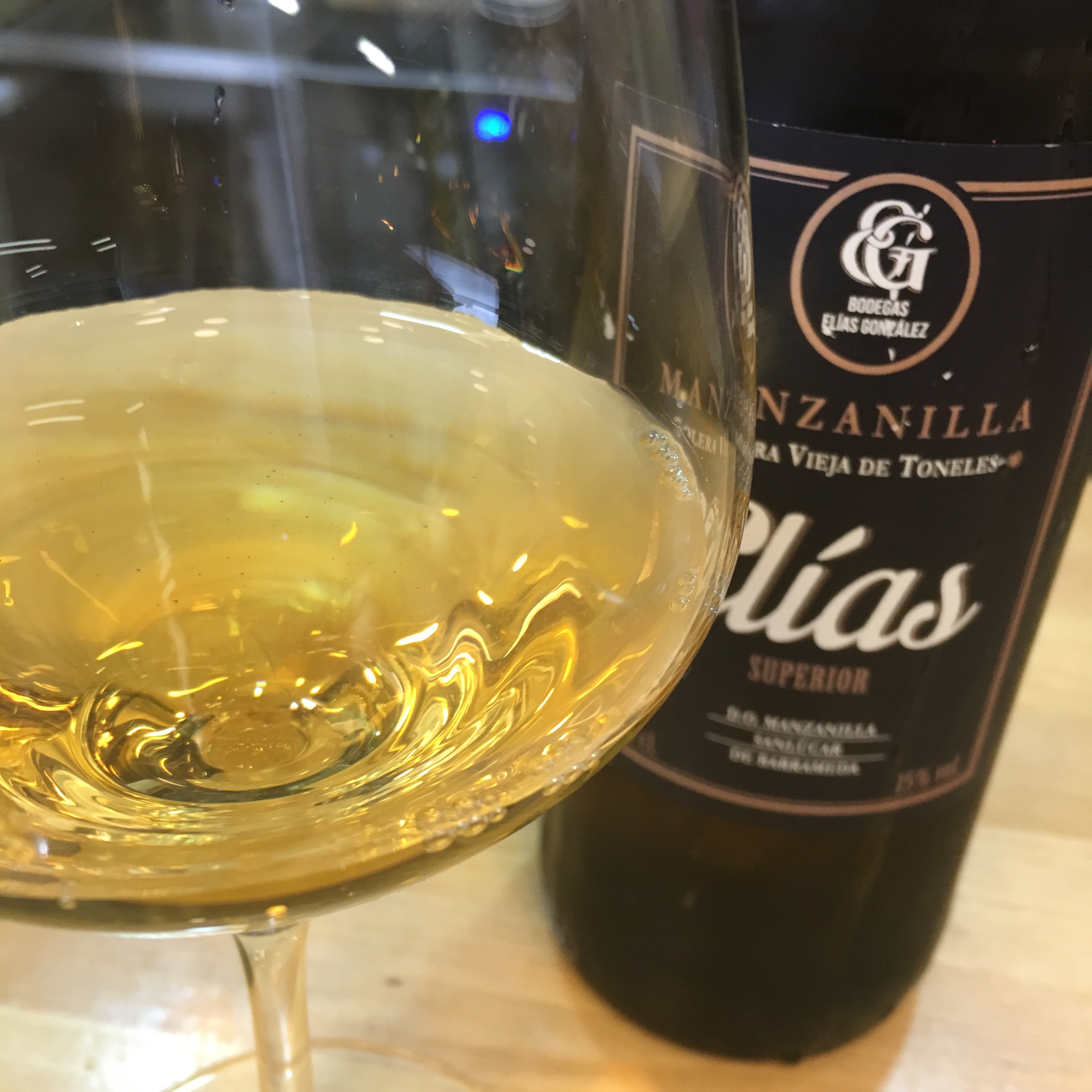
Manzanilla Elias Superior


According to the back label, this has the “flavour of a sunset over the Doñana plain, on the banks of the Guadalquivir river.” If you haven’t been there you won’t appreciate quite what a big call that is – one of the finest sunsets I have seen. 

And although this kind of wine lavel poetry normally leaves me inclined to resort to base prose on this occasion it can be justified (even if not forgiven) because this wine is cracking. The big brother of a manzanilla I tried for the first time recently this is a step up in salinity and intensity, with a deeper colour, more pronounced zingy salinity and flavours of slightly bitter burnt almonds and even a touch of liquorice root.

Absolutely cracking with some spicey patatas bravas at Territorio Era. 

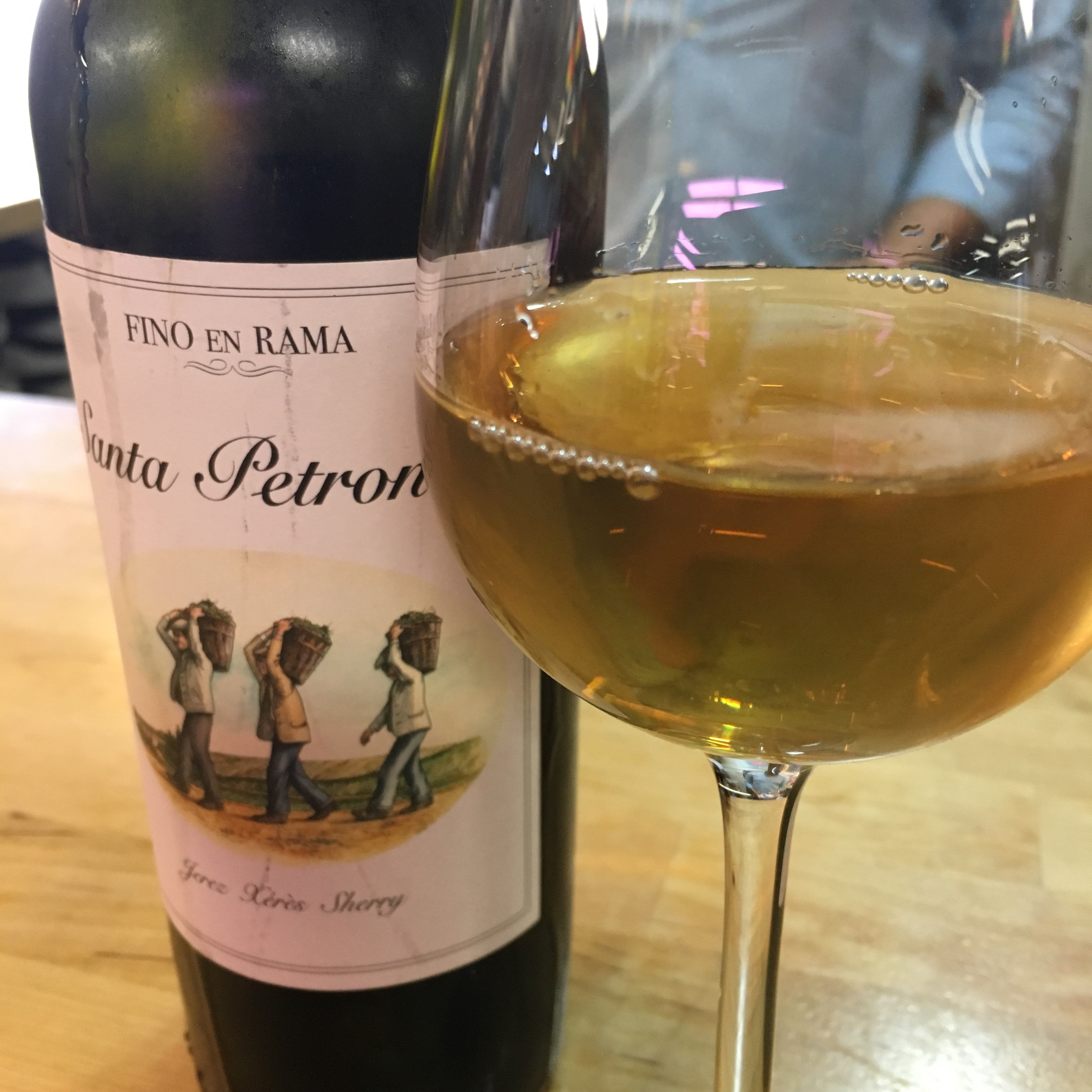
Fino Santa Petronila 

Santa Petronila is said to be the smallest bodega in el Marco de Jerez and it is certainly one of the newest. They also have a small but very vocal group of supporters, and seem to at least say the right things. 

Although the majority of their wine today is acquired from the cooperative, I gather they have a small vineyard and intend to vertically integrate over time. In that regard they are in the right place geographically – either in or near Macharnudo depending on who you listen to – and where they are well ahead is in the tourist side of the business. They give a great tour (maybe hence the passionate support) and you can even stay the night there. 
Most importantly, the wines have a bit of character about them. For my money this, the fino, is the strongest of their wines, but they are all worth trying.

And this glass of fino was a very nice way to start a bite of lunch in Territorio Era with my countryman Nick Drinkwater of Quaff Spain (and Devour Madrid). It is from a saca on December 3, 2016 but had evolved quite a bit in the nearly seven months since. The colour, as you can see, is a dark amber (somewhere between this one with three months in the bottle and this one with ten) then it has a big expressive nose on it with a touch of oxidation – hay bales, salty air, yeasty aromas and sweetish roast apples. A similar story on the palate too: nice crisp salinity, then a tasty mouthful of yeasty, crusty bread and roast apple with a long smoky, mouthwatering finish.

Funny looking back at those other tasting notes from three and ten months – based on the description I would say that this wine is right in the sweetspot. It certainly didn’t last long on the day.


Oloroso Pata de Gallina, Lustau/Juan García Jarana

I am a big fan of this wine and it is one of the great values available – really very cheap indeed for what it is, and very hard to resist when you come across a bottle.

It is a dark dark colour here and looks for all the world like one of these very concentrated olorosos but the nose doesn’t give you wood and leather but toffee, nuts burnt caramel and mineral smokiness. Then on the palate it is fatty and full bodied, even maybe to the point of being a little heavy, and it is full of flavour, with a nice acidic attack, nice caramel to burnt caramel flavours and a spicey and racey finish. Not too bitter and astringent, in fact quite a sticky sweet finish.

Hedonistic wine, even if the bottle is rather small.

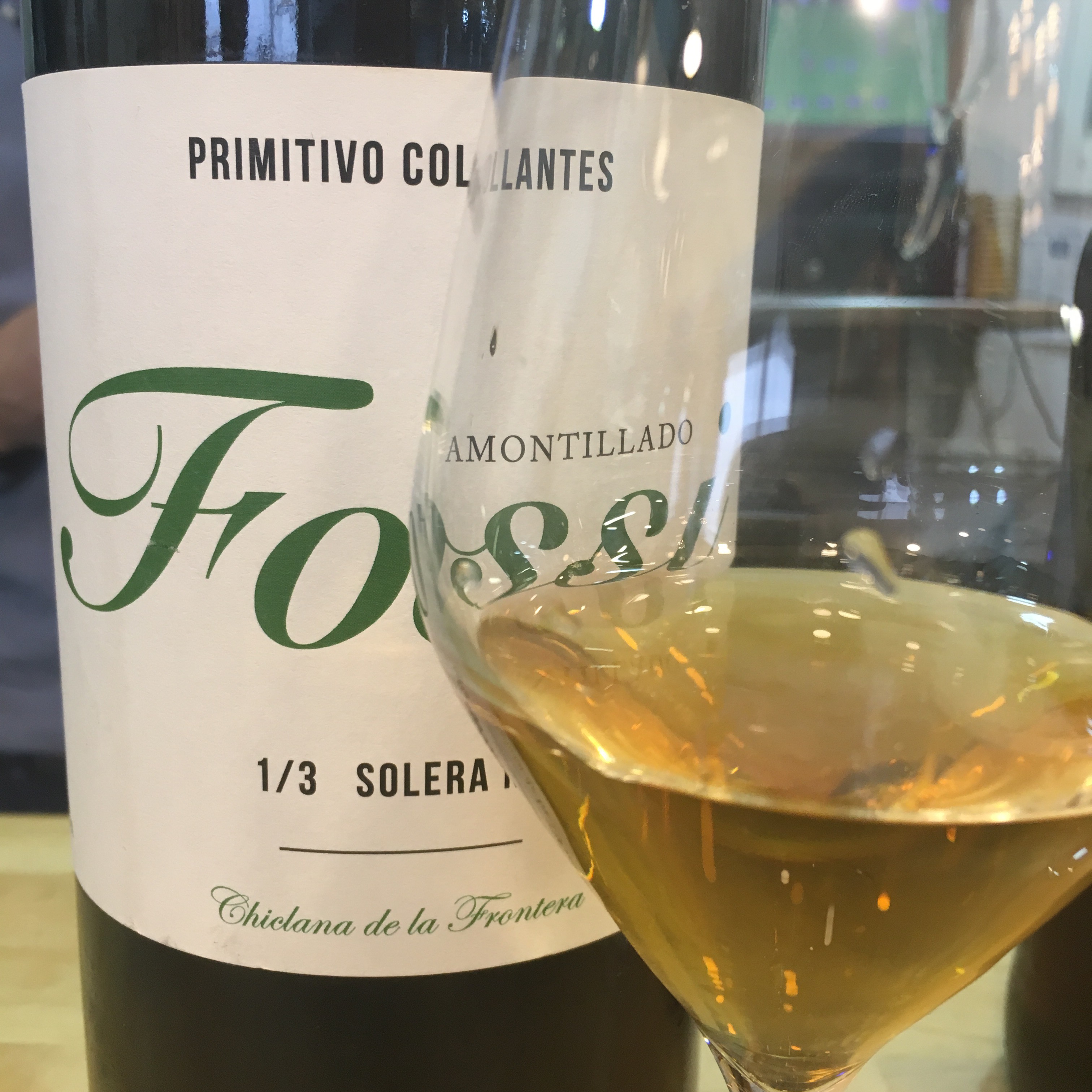
Amontillado Fossi 1/3 Solera No 

I have written many times about the Fossi – a lovely amontillado fino that is one of the most underrated wines around – but here we have a very special edition. This is a magnum drawn from a solera of three “Botas No”: botas that have been set aside for years, without sacas, and only refreshed to replace the angels’ share. (I am not sure how many of these magnums were produced but probably not many – I tried this at the bar of Territorio Era.)

The first thing I notice about the wine is the colour – to me it is a shade more amber/straw coloured, and less caramel-hued than the standard Fossi. On the nose it is punchy and on the palate too it strikes me as more of a missile – sharp and direct, more concentrated acidity and salinity, slightly less juice and caramel flavour. Very fine and elegant, a nice structure and profile. 

A more serious version of the standard but I could still drink bucketloads.  

Fino Capataz Solera de la Casa 

Although slightly out of order, after yesterday’s terrific lunch in Lua and after looking back at the archive this morning I couldn’t resist writing up my note of this top, top wine. (Not that the notes were much good. Yesterday’s lunch was one of those occasions when the conversation flowed even more emphatically than the wines, and between gulps and mouthfuls we touched on everything from geography, climate, soil types and harvest to branding and positioning, often in the same sentence. Frankly, I had better things to do than take notes.)

So it was confirmed that this is the unshaven version of the Fino Capataz of back in the day – by which I mean it is unfiltered and unclarified (although I remember the original as being pretty dark in hue in any event), and with a total of around 10-12 years of biological ageing.

On the nose this bottle has clear oxidative notes – from whence the nutty nose that I have always associated this wine I suppose – in fact almost fruity but with haybales too, like old apples packed in straw. Aftter the sweet and inviting nose it it impressively dry and punchy on the palate, a really concentrated sapidity and intense flavours, which start solid, then give way to nuts and then minerals, with a bit of a saline sting to the tail.

A really top fino. In fact a top wine in general.

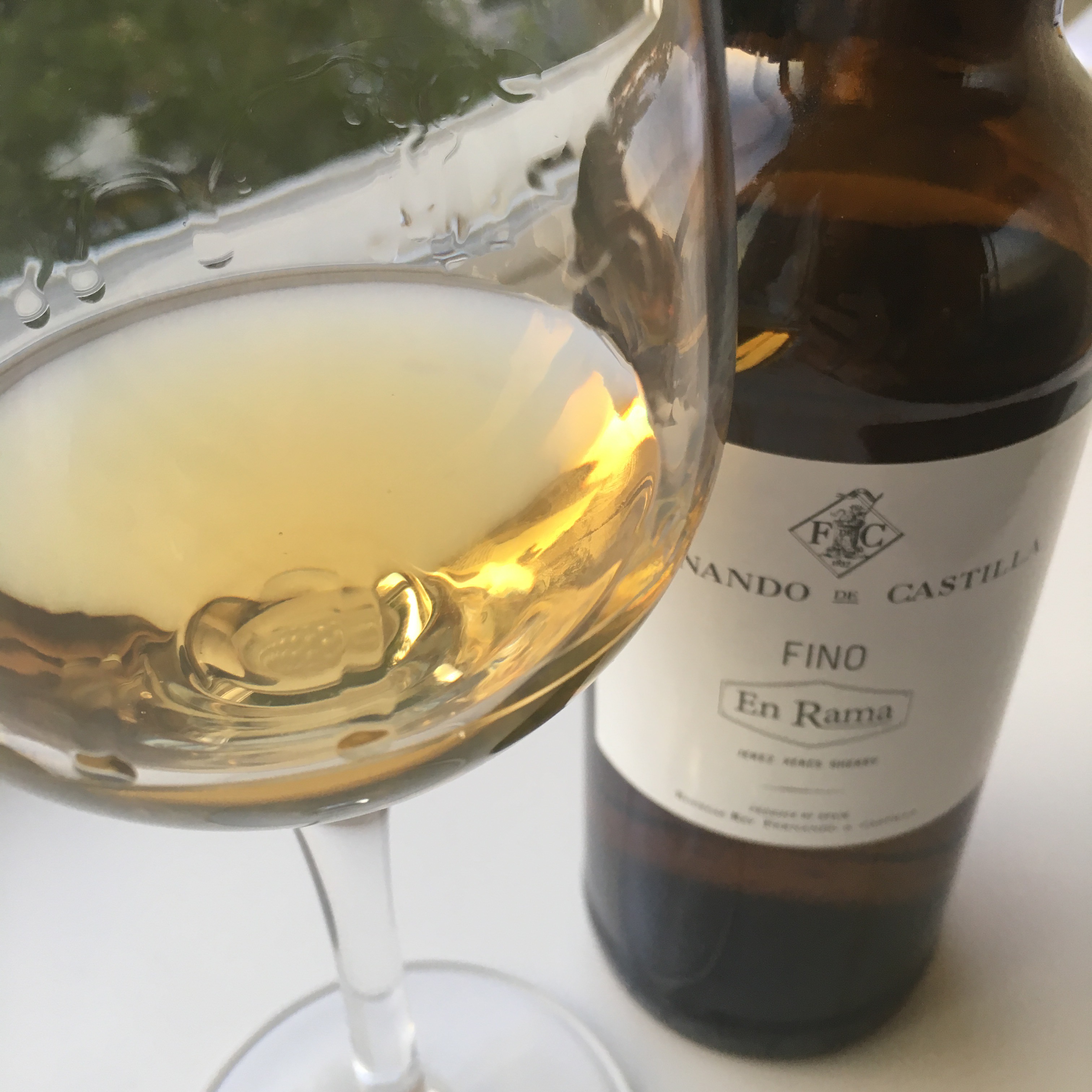
Fino en rama Fernando de Castilla, December 2015


Had another little bottle from late 2015 lately that I really enjoyed so when this appeared from the back of the fridge its days were numbered. 
A very likeable fino this with a nice dark straw colour, a really aromatic, haybale to almost ammonia nose, a pungent palate with a mouth watering start, apple to baked apple flavour and a stinging saline finish. 

La Bien Pagá

Lunch in Territorio Era and the chance to try yet another new wine from el Marco. This time, “La Bien Pagá”, a manzanilla pasada en rama from a single bota selected by the splendidly monikered “Hijos de la Albariza” (sons of the Albariza, a group made up of Juan Echanove, Pedro Hernandez and Xavi Saludes, founder of Vinoteca Tierra) from the solera of Goya XL at Delgado Zuleta (and named, I assume, for a classic song by copla legend Miguel de Molina).

Nice dark straw colour to it with just a hint of green maybe, and a subtle nose: not big haybales or roast almonds but aromas of sear air and the eponymous chamomile tea (manzanilla in Spanish), just a suggestion of sweetness. Then elegantly punchy on the palate – nice sharp, integrated salinity first up, then yeasty flavour with again a herbal tea-like sweetness, not quite the false fruit of some manzanilla pasada but not dry. That slight sweetness also hangs around into the finish, which isn’t excessively long but is fresh and pleasant.

A subtle, elegant and enjoyable manzanilla pasada. Not many bottles of this one around (I say that far too often) and worth looking for.

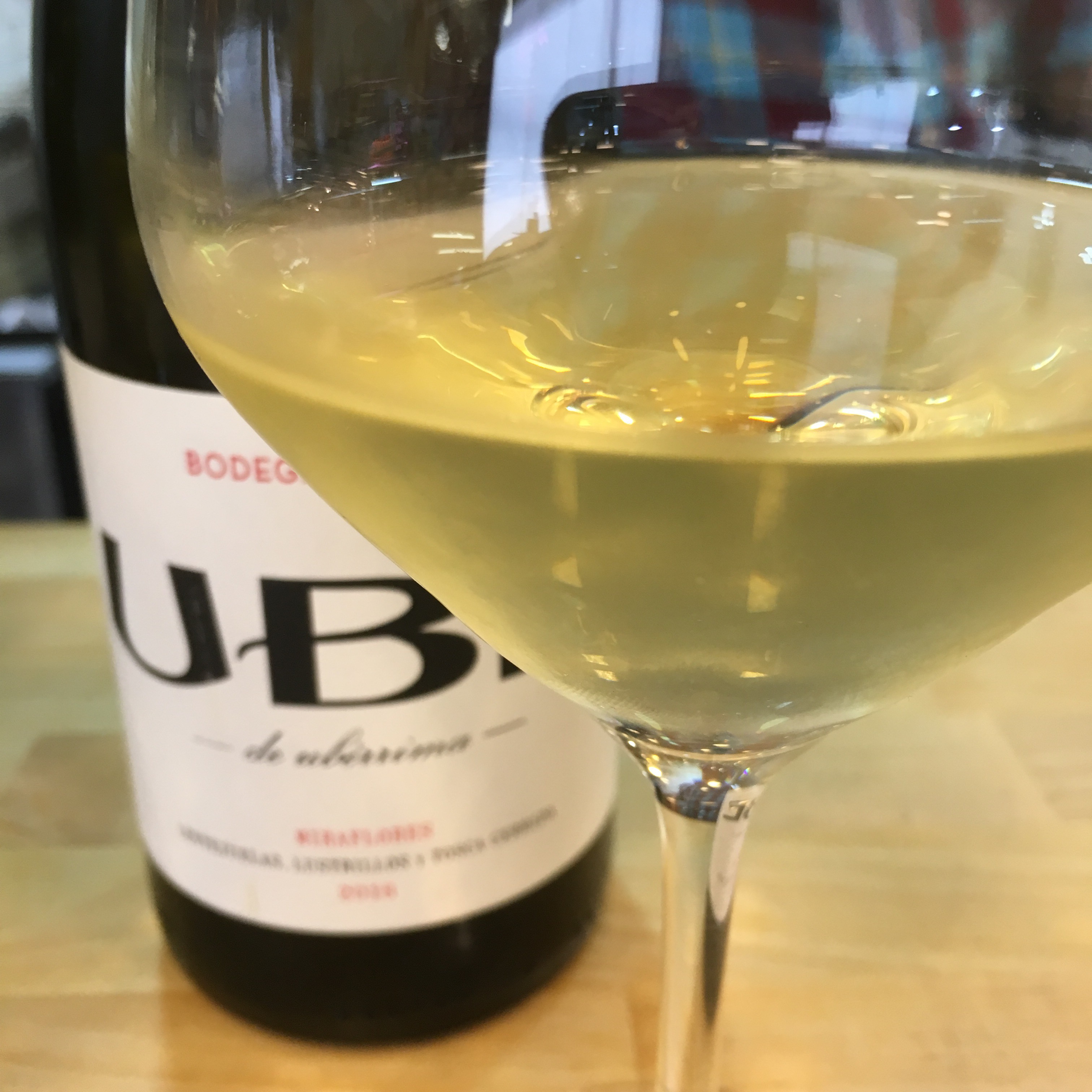
UBE Miraflores 2016

UBE (de Uberrima) is the white wine brand of Ramiro Ibañez’s Cota 45 and he now boasts not one but two wines, shortly to be three.

The first wine is now known as the Carrascal – after the pago in Sanlucar from whence it comes. It is wine from a specific vineyard of old vines and three kinds of palomino. This second wine is from neighbouring Miraflores, like Carrascal an atlantic pago (and probably the most famous of the Sanlucar pagos) and specifically from a combination of five selected vines in Miraflores Alto and Miraflores Bajo. (The third wine, due to be released in September, and is from palomino grown on Pago Mahina, a river influence pago with a huge concentration of diatoms.)

What they have in common, and this is no surprise coming from the creator of the Pitijopos and the manzanilla de añada, amongst others, is their focus on expressing vintage and terroir. Unfortunately they also have in common the fact that production is tiny: 1,000 bottles of each of the Carrascal and Mahina, 3,000 of this Miraflores.

The wine itself starts off as austere with minerals and then grows with herbal, vegetable characteristics. As you can see it is a pale, slightly greenish straw in colour. The nose is austere and mineral first with some savoury stewy herbs in the background like a kitchen far away. On the palate it is fine in texture, nice acidity first up and after that fresh start rather than fruit there is a herbal, almost meaty (in flavour) sapidity to it, fading to a fine finish with lots of minerals.

By comparison to the Carrascal 2015 (a different vintage and pago and a year longer in the barrel) it maybe has a touch less mineral edge, but even so it is a serious, mineral wine and no shortage of flavour.