La Ina de Domecq in Corral de la Moreria

I have only ever been to Corral de la Moreria a handful of times but each time the spectacular wines come thick and fast and it is hard to take it all in.

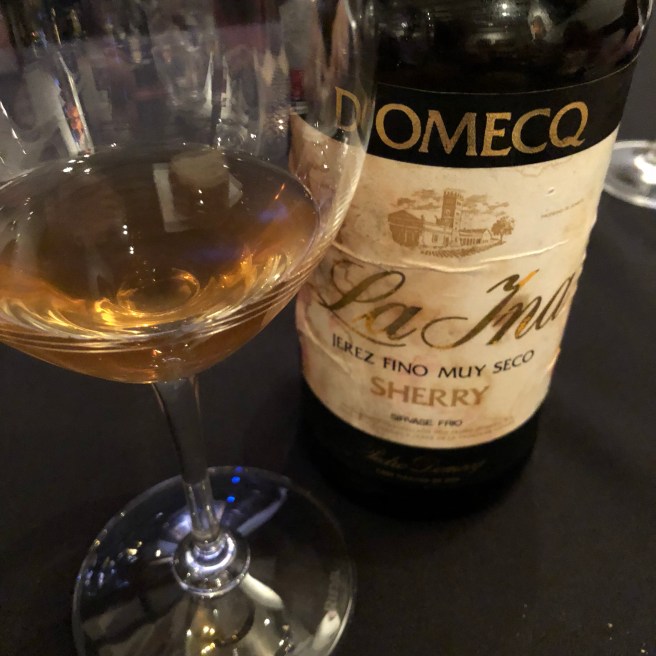
But this one, from the summer, stood out. A fino with a long time in the bottle, it had a beautiful softness to it – marshmallowy texture – and had lost some of its force, but still had enjoyable apply, nutty flavours and a remarkable clarity and profile.

A class, memorable old fino.

Fino Cruzado Las Botas

One of the highlights of the summer was getting to talk about the marquistas at no less a venue than Er Guerrita – reported in in a cracking post by Carmen Martinez de Artola – and here is a fine example of the marquista breed.

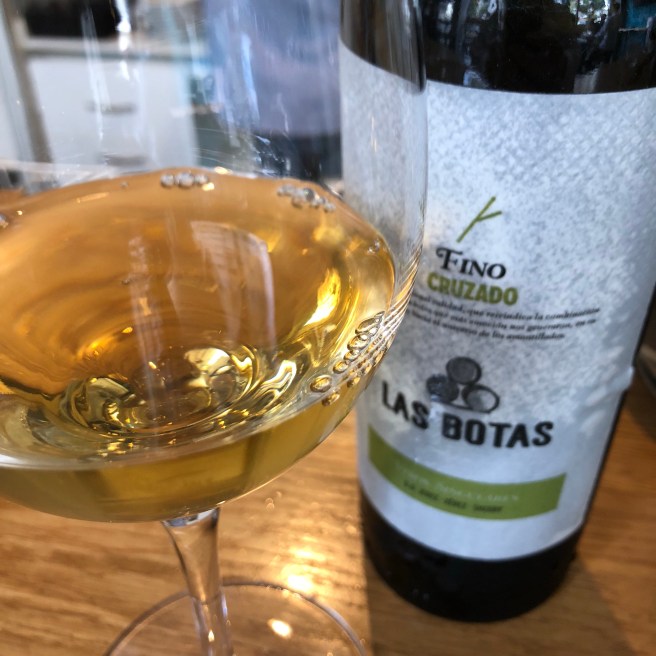
This fino was bottled by the guys at “Las Botas”, Cesar Velazquez and Raul Villabrille, and whereas I was originally told it was from botas selected from the Fino Señorita Irene at Bodegas Francisco Yuste I now gather that it is from Fino Camborio (as I had in fact first thought – since it was the first time I tried it).

Knowing that it is no surprise to find it nicely full bodied and thirst quenching (and at the same time mouth watering) stuff. Said to have an average age of ten years and to be on the crossroads between a fino and an amontillado. Not sure I would go as far as that, but this is near to my sweet spot for finos: enough age and contact with the cabecillas to make it slightly bitter on the nose and buttery in texture and plenty of flavour there. Flavours of almond to toasted almond and a long flavourful and fresh finish.

When we spoke at Der Guerrita one of the issues that came up was the difficulty for the new marquistas – like Las Botas to come up with original marketing propositions and it must be said that their denominations: “fino cruzado”, “manzanilla apartada” etc are a bit harder to understand than the magic numbers, for example.

Nevertheless the important thing is that they have done a good job selecting this – I will look out for the Yuste finos – and if they can sell it as well good luck to them.

Alvear Fino en Rama 2012 in Zalamero Taberna

The way I bang on about the new vintage finos coming out of Jerez you would think they were the pioneers but in fact it is not the case. Looking into this wine I discover that up at Alvear they have been producing single vintage finos since 1998 (a good few years before Williams & Humbert’s finos – at least as far as I know). In fact given the vocal supporters of Montilla Moriles I am surprised this hasn’t been pointed out to me before.

Anyway, you can see I am out of practice because I totally failed to note how long it had been in the bottle. It is obviously not long – five years or less and I would guess no more than four.

A beautiful The youthfulness is there in a bit of citrussy, grapey juiciness, but even so it has an almond nuttiness to it (I often find the almond more marked in px finos), and with the time in bottle (which I am guessing at two years) toasted notes. It is not as zingy as its big brother the Capataz, and in comparison big in the beam rather than fine and slippy, but still a fino in every respect and a fine one too.

So hail to the other place once again, and long live vintage wines!

La Panesa

A lot of stuff on this blog hasn’t aged well – when I started writing it only just over three years ago I was a little bit of a wide eyed novice. Everything was awesome, it was fun to be part of the team and I may not always have been the most discerning.

But there are a few things that have stood the test of time. A thousand or so posts later I can confirm I was dead right about La Panesa. It is pure class and absolutely superb. Savoury and toasty nose, sharply defined and elegant in profile, full in body and rich in flavours, from butter, nuts, curry and spices, with a mouthwatering finish.

A beautiful wine. Fashions come and go, class is permanent.

Lunch with Bodegas Tradicion in Taberna Palo Cortado

It is one thing to have an overdose of gainful employment and a backlog of posts, but it is quite another thing to fail to acknowledge an absolutely cracking lunch like the one I had with the guys from Tradición in Palo Cortado at the end of June.

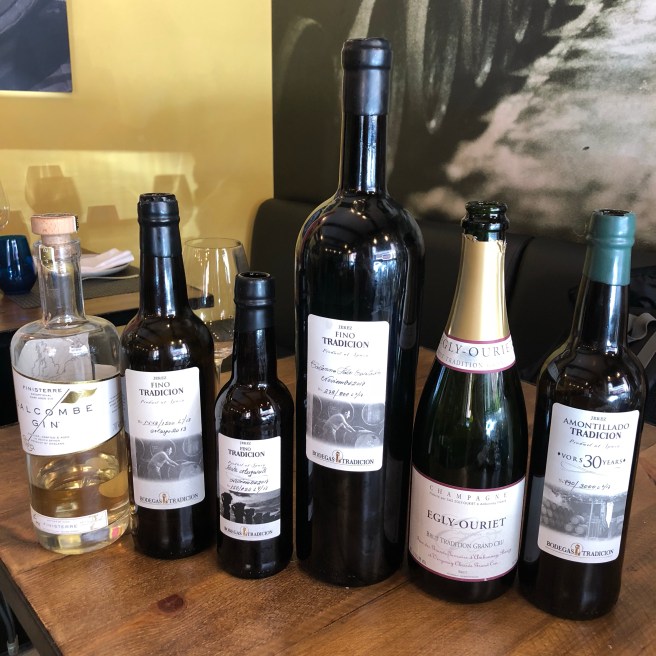
We kicked off with a “martini” made with Salcombe gin and fino and there were bubbles and a superlative Amontillado to finish, but the stars of the lunch for me were the finos that came in between. First and foremost a bottle of the May 2013 saca of the Tradición fino, a little bottle of the fino bottled for Mugaritz and a magnum of the November 2017.

Really fascinating to see that 2013 again. The only other time I had tried it was at a superb vertical tasting of all the sacas at Reserva y Cata in Madrid in November 2016 and even then I remember the complexity and additional dimension it had. A year and a half longer in the bottle and there was caramel softness to it, and a bitter almond and butter feel to the flavours. Really fascinating and almost enough to make me want to keep a bottle for a few years (if it were not for the ease with which the November 2017 were slipping down). One day I will invest in a cellar that is far enough out of reach to protect the wines from erosion.

For the time being all you can do is give thanks that wines like these are being made year after a year and at such a high level. It certainly makes for a brilliant lunch.


Two true Camborios

A glass of Camborio is always welcome, and getting your hands on two special bottles in quick succession is fortune indeed. It helps if you hang around in the right places (and el Corral de la Moreria is, for the record, the right place).

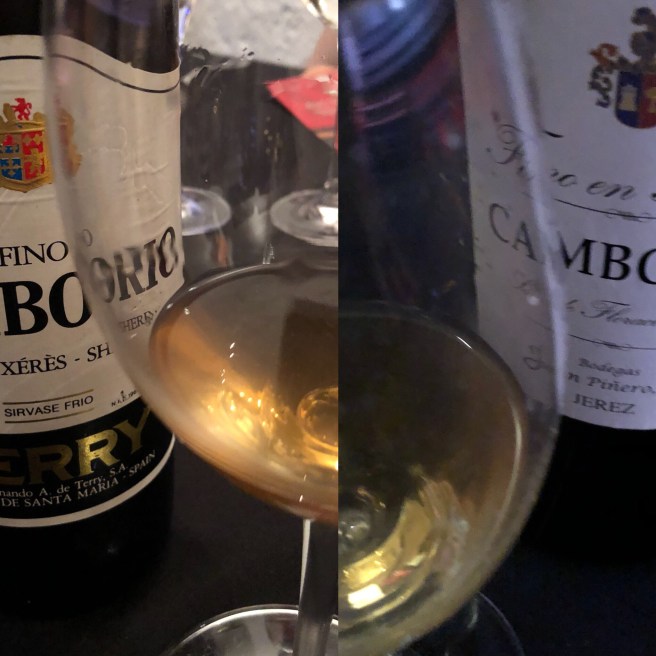
Here we have a Fino Camborio from the 1970s when the solera was owned by Terry, one of a series of superb older wines that we had at dinner before the summer. Hard to know how the fino made back then would have compared to the modern versions – there have been a few changes since then – but although the forty years or so in the bottle had taken away the fierce zing, softened it around the edges and thinned it out a little, to me it seemed familiar, and the aromas and flavours of yeast, roasted, bitter almonds and salt and pepper were all there. A classic old fino ageing gracefully.

Maybe not a fair comparison but only a day or so earlier and in the same select spot I was able to tuck into probably my favourite iteration of this great wine (so far): the en rama bottling of May 2017. The same rich colour and those same flavours but much more expressive in the aromatics of the nose, in the impact of the salinity, the intensity of the flavour and the length and sizzle of the salt and pepper finish.

Two lovely wines and a fascinating comparison (and call me ageist if you like, but give me the modern classic any day of the week).

Fino M Antonio de la Riva

Not my first glass of this or even my second but the first one I have had time to savour and write about. An old school, older fino from Balbaina Alta with a bit south of 10 years under the flor.

I first tried it back in February at the Cuatrogatos Wine Fest where it was a touch overshadowed by its magnificent big brothers the Oloroso and Moscatel but this is a class wine in its own right.

The colour is a beautiful, appetising rich old gold that puts you in mind of oxidation. The nose is also cracking: haystacks and rich roasted almonds, a really savoury nose. Then on the palate you get that classic combination of zingy salinity and roasted to bitter almond – a deep savoury flavour turning bitter at the end before a sizzling saline finish.

Really tasty, classy fino (and you can try it yourself at the bar of Angelita).

Lustau 3 en rama 2018

These were very generously sent to me by Lustau but be not afraid: this largesse will not affect the low standards of professionalism and objectivity for which the blog is barely known.

It is a terrific gift to receive. The 3 en rama set is a great idea by Lustau: three selected en rama wines from each of the three centres of el marco: Sanlucar (manzanilla), Jerez de la Frontera (Fino), and El Puerto de Santa Maria (Fino del Puerto). The wines are distinct and, in my limited experience, a good introduction to the characteristics of biological wines from the three centres.

The Manzanilla de Sanlucar de Barremeda is all fresh green slightly salty apples on the nose and the start of the palate, a nice bite of zing then again a fresh, apply finish. Very inviting indeed.

The Fino de Jerez de la Frontera is slightly more serious, more tangy vegetable than apple and a more intense, peppery zing. It seems to have more metals in the minerals more weight and a metallic tang on the finish.

The Fino del Puerto de Santa Maria is my favourite every year and yet again it stands out. It has a brilliant nose of sweet rockpools and is as complex on the palate – with sweet and herbal touches and a zingy, fresh finish. Really a top, top class fino.

The Williams 2009s in El Escaparate de Vallehermoso

It’s nice to discover new places and it’s nice to run into old friends, so you can’t argue with running into old friends in new places. These two wines – which I was able to enjoy yesterday at El Escaparate – are definitely old friends.

I first came across the 2016 sacas of these released as part of the Colección Añadas – in fact they were among the first añada (vintage specific) wines that I had tried.

The two have a lot in common: from the same palomino in the same vineyards in Añina and Carrascal (Jerez), aged for the same eight years in botas of american oak of 500 and 600L before the saca in April this year. The difference is that the fino was fortified to 15º after fermentation, allowing it to develop flor, whereas the oloroso was fortified to 18º and allowed to age “traditionally”. It makes for a great opportunity to compare and contrast the effects of the biological and oxidative ageing.

It is also really interesting to contrast the various sacas. The first saca was in february 2016 and there have been two or three before this one in April 2017, and it has been interesting to see how the fino, in particular, has changed over time.

It was always a rich, juicy fino with a touch of oxidation, but this one for me has gone over the top from fino to amontillado, with slightly less sharpness and caramel complementing the hazelnuts that, foe me, characterized this vintage. Just look at the colour of it for a start: it is barely distinguishable from the oloroso.

The oloroso too has changed: it always had a spirity, volatile heavy hazelnut nose but this one seems a little quieter by comparison – but maybe the bottle had been open a while, or maybe it was just the change in the fino that made them closer in character.

Two lovely wines, and absolutely perfect with the various delicious meats on offer at El Escaparate (they certainly did the job with Higinio’s finest breasts of Barbary duck and wood pigeon).
Fino Tradicion November 2017

Lunchtime in Media Ración and no better way to start than a glass of Tradición Fino. Any time I drink this it always takes me back to a memorable, unforgettable vertical in Reserva y Cata (already three sacas ago – none of which I have blogged about until now) and the overwhelming impression is of a series of wines that just gets better and better.

This is one of the top wines in the older fino bracket and has the big bones and solidity that 12 years under flor will create, but as with other wines from Tradición what sets it apart is not so much how old it is but how youthful it seems for its age. In color it is a rich gold, but nowhere near as dark as some younger wines, and while not as aromatic as some finos it has an impressively compact, clean profile to the nose. On the palate too, you get a good dose of roasted almond, particularly in these November sacas, but also fresh citrus notes (and a slight gooseberry bitterness). You have the impression that it is a wine that will age very impressively in the bottle (if it ever gets the chance).

A high quality fino, from a line of high quality finos. Must find myself those two missing sacas!