Maruja manzanilla pasada  

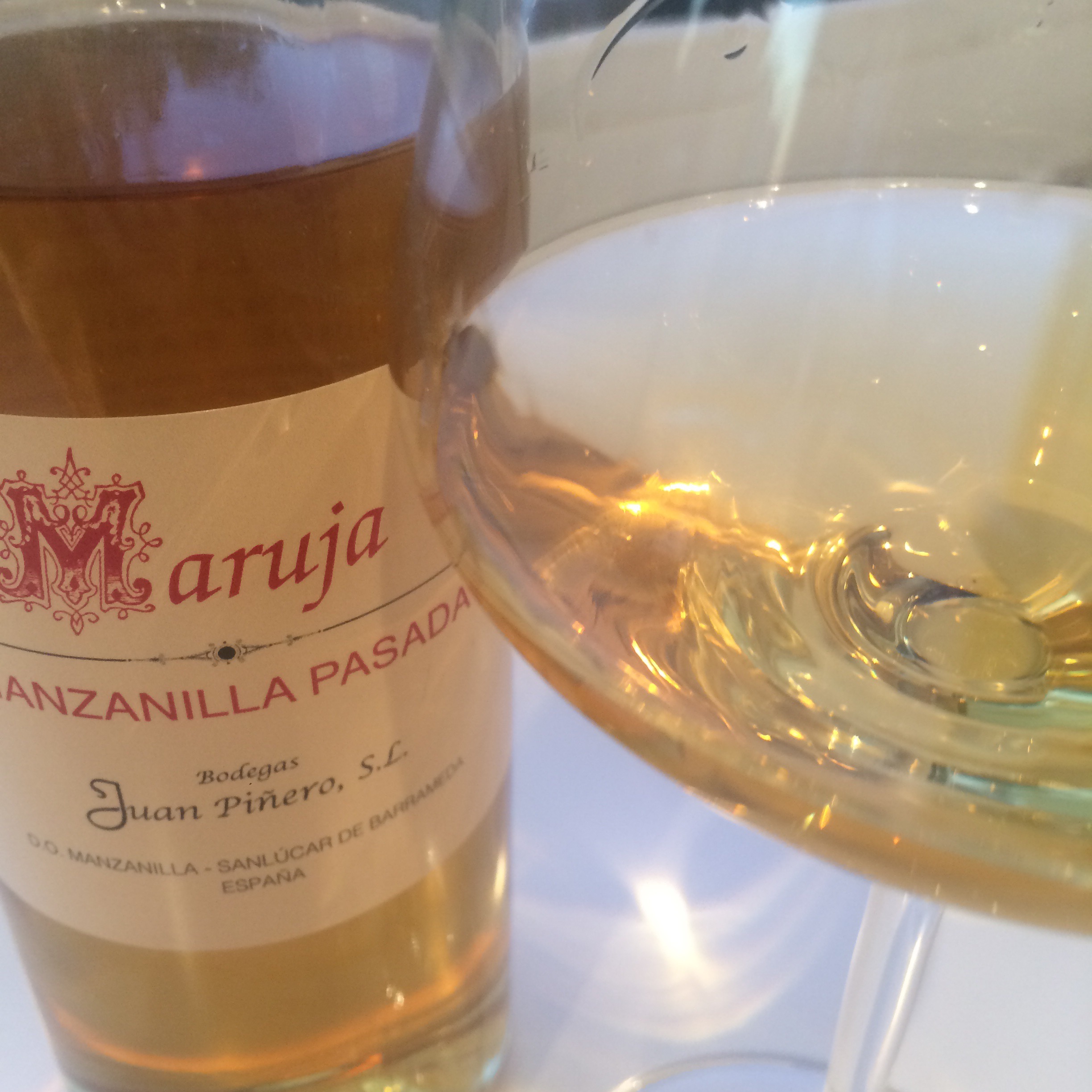
Intriguing label on this one – not a lot of information other than to say it has been under the flor only for a few weeks (the most favourable) per year. I am guessing this refers to the end of its time in the solera and, based on the fact that the Maruja manzanilla has an age under flor of 8-9 years I would guess that here we are looking at the last 1-2 years of a total of 10-11.

It has a rich, orange amber colour which it shows off in a clear bottle. I still have the dog end of a cold but even so this has a big, expansive nose full of yeast, apricot jam and sweet herbs (hay bales and salty oregano).

In the mouth it has an oily texture and a really intense, concentrated structure. A big yeasty opening of apricot jam (the home made kind that is nearly marmalade), really nicely integrated salinity and acidity and a long, long fruity, bready finish.

Really like it – a beautiful wine.


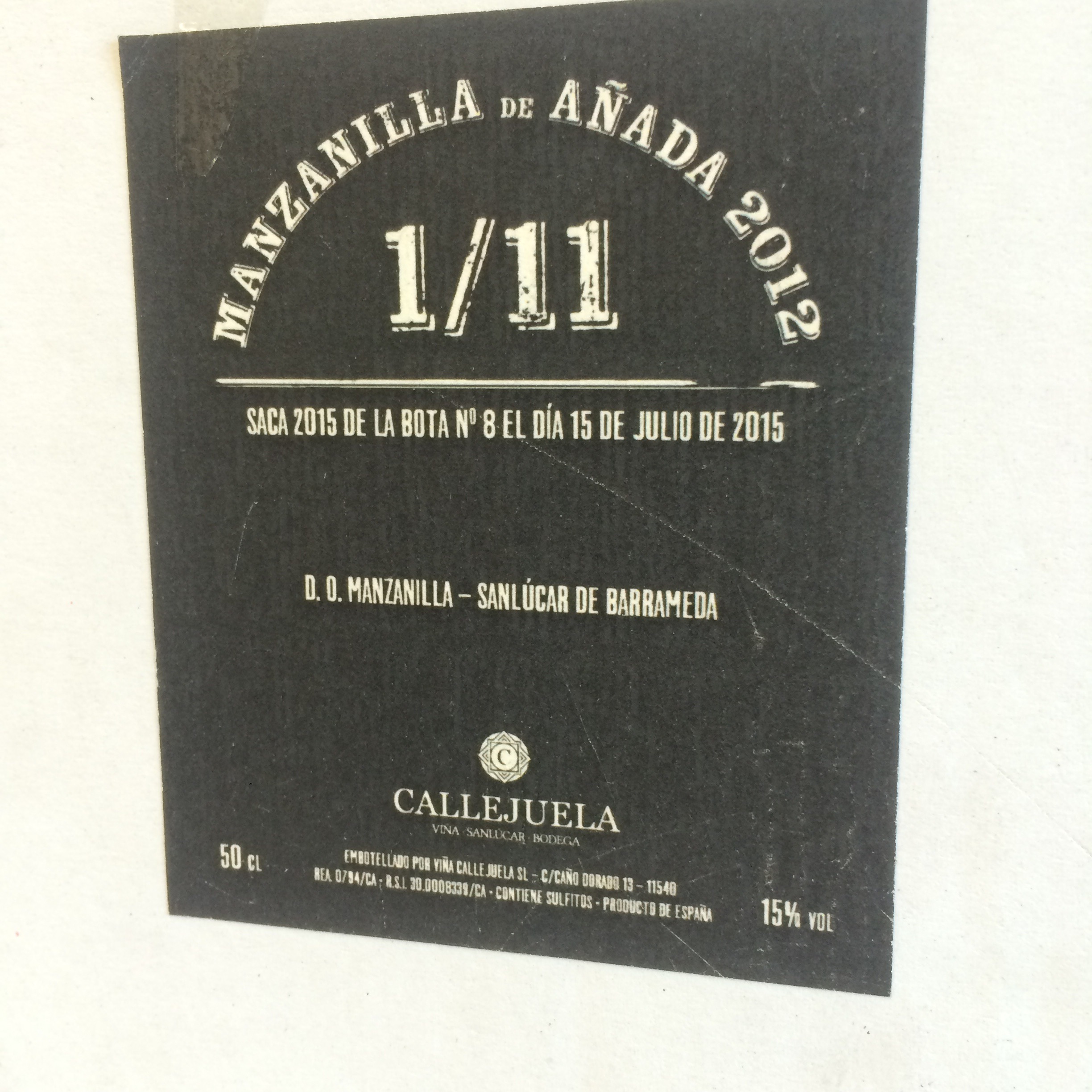
Callejuela Manzanilla de Añada 2012 1/11


It is no exaggeration to say that I am very excited about this parcel that just arrived courtesy of the Cuatrogatos wine club.

The wine comes from old vines on a pago called “El Hornillo” and the 2012 vintage was of historic quality. Due to the extremely high quality of the wine/must a decision was taken not to include it in the criaderas of the bodega. Instead, Ramiro Ibañez (he of the Encrucijado, referred to in past posts) decided these 11 butts were good enough to be bottled as vintage manzanillas.

The 11 butts have been set aside and are being “statically aged” – ie under flor but not in a solera. There is no mixing, even between these 11 butts.  Each year Ramiro will select one of the butts for bottling:  for this reason, this bottling is Butt 1/11 of 2012 and is expected to have a markedly biological character. However, the character of the successive releases (each one 800 bottles or less – with purchasers of the previous year’s vintage having a preferential right to future bottlings) will clearly be different, and it is likely that there will be more oxidation (although time will tell). The last butt will be bottled, if all goes well, in 2025.

This wine has just arrived and deserves a rest after its long journey. What is more, I have a cold, and cannot possibly do it justice right now. I will, however, report further, and probably at some length.

Lustau Añada 1997 Vintage Oloroso

Continuing on with my vintage obsession of today it is time to top and tail this note of this lovely oloroso abocado. I got this at the recommendation of Vila Viniteca – who have a great range of sherries and organize some top class tastings.

It is by Lustau and is surely one of the pioneers in this vintage sherry game. Sherry Notes has a fantastic write up that I cannot hope to match, so get over there for details.

The problem with finding a note like that is that it is hard to go on and make your own note – but anyway here are my own impressions.

I love the colour – a red brown that is clear if not quite crystalline. I love the nose too – brown sugar and raisins, burnt caramel, and alcohol, which comes over as close to the polish and pine needles of many a top class palo cortado.

It has a nice burnt taste to it too – I find it ever so sticky in texture but it has a nice balanced range of flavours. Nice acidity, big black treacle, burnt sugar, sweet spices, the afore mentioned pine needles, plum pudding (burnt raisins), even walnut skin nutty.

A good balance indeed – sticky but spicey.

Encrucijado MMXII – Part II (now part I)


After all the bombo I have been giving the vintages, the terroir and the doing of new things today I had to have another glass of this (I had attached a link here but the first blog post has been mistakenly deleted in what can only be a new personal best in blogging incompetence). This is after all a vintage (MMXII) it is terroir specific (although don’t ask me which) and it has some interesting cepage.

Specifically, it has six different grape varieties: 50% Palomino Fino and 10% each of Beba, Mantúo Pilas (aka “Uva Rey”), Perruno, Cañocazo and Mantúo Castellano, all of them believed to have been used traditionally in the production of the original “cortado wines”. They were hand harvested from plots up and down el marco, fermented in bota and then aged in the same bota for 20 months: 10 months under flor and then 10 months traditional ageing.

As I remarked in my now long lost post, I first read about this on Spanishwinelover and in an article by Paz Ivison on Elmundovino.com and was intrigued enough to pick up a bottle in Reserva y Cata. It is marked with a “cortado” and the name certainly conjures up the idea of palo cortados (as does the combination of biological and oxidative ageing), but this is unlike any palo cortado you would have tried before: it isn’t even old enough to be a fino and the different varietals really bring different characteristics.

In colour it is slightly more garish gold than I remember but it has the same delicate structure and butterscotch nose and flavours. Very fatty in the mouth and the buttery caramel flavours are very gentle but I think the first time around I underestimated the power and persistence of it. It is not a big profile but it is an intense flavour and lasts a long time.

I really like it more and more. Maybe the extra days open have given a touch more oxygen in a good way.

Cabinet reshuffle

Was hunting for a bottle of wine earlier this summer and ended up emptying the whole thing and restacking. Was a good intellectual challenge – getting the right combination of young on the bottom and old on the top (a 1994 vintage port and a 2000 St Emilion are young, but some 2009’s are already middle aged).

Came across some great memories as I worked. Some curiosities, some wines that were once fashionable, some interesting verticals and of course some wines that I treasure and am prepared to wait 10 or 15 years to open.

So what? I hear you ask. Well, going through here has made real to me how much the sherry business is missing by not differentiating by vintage. I realise that I am far from the only voice grumbling about this – and I don’t pretend to make much of a contribution here, butI still think it is worth sharing.

Vintages are, in fact, beginning to appear. I am in fact expecting to receive two bottles of the first ever single vintage, single vineyard manzanilla – about which I am unreasonably excited – and am already planning my way to “cellaring” it so as to have enough for future generations (no chance). I have also tried a couple of the Gonzalez Byass vintage Palo Cortados – the 1974 and the 1982, but they are expensive – as you would expect for a wine that my have been 40 years in the making – and, indeed, they are not really comparable with a vintage as we would normally understand it – precisely for that same reason.

On the other hand, as I already wrote in my piece about Equipo Navazos and their Magic Numbers, it is increasingly common to find dated bottlings and sacas, labels with average ages, specified botas and numbered editions, and even to get into debates about bottle ageing (Criadera wrote a good piece on this – and your servant also has attempted a more modest contribution).

In short: vintages are both more interesting and more expensive and must be worth exploring further. I am not saying no to soleras – you certainly should maintain miraculous creations like La Panesa, Inocente and others – but it would be great to see how much can be achieved by paying attention to the fruit, the harvest, the production of a specific vineyard.

These concepts are so central to wine making everywhere that it is surprising that this argument even needs to be made, and it is no surprise to me that the brightest lights around today are people that have been around the world making wine, like Willy Perez and Ramiro Ibanez, or have a passion for wine of very kind, as Juanma Martin Hidalgo (of Emilio Hidalgo) clearly does.
La Panesa 


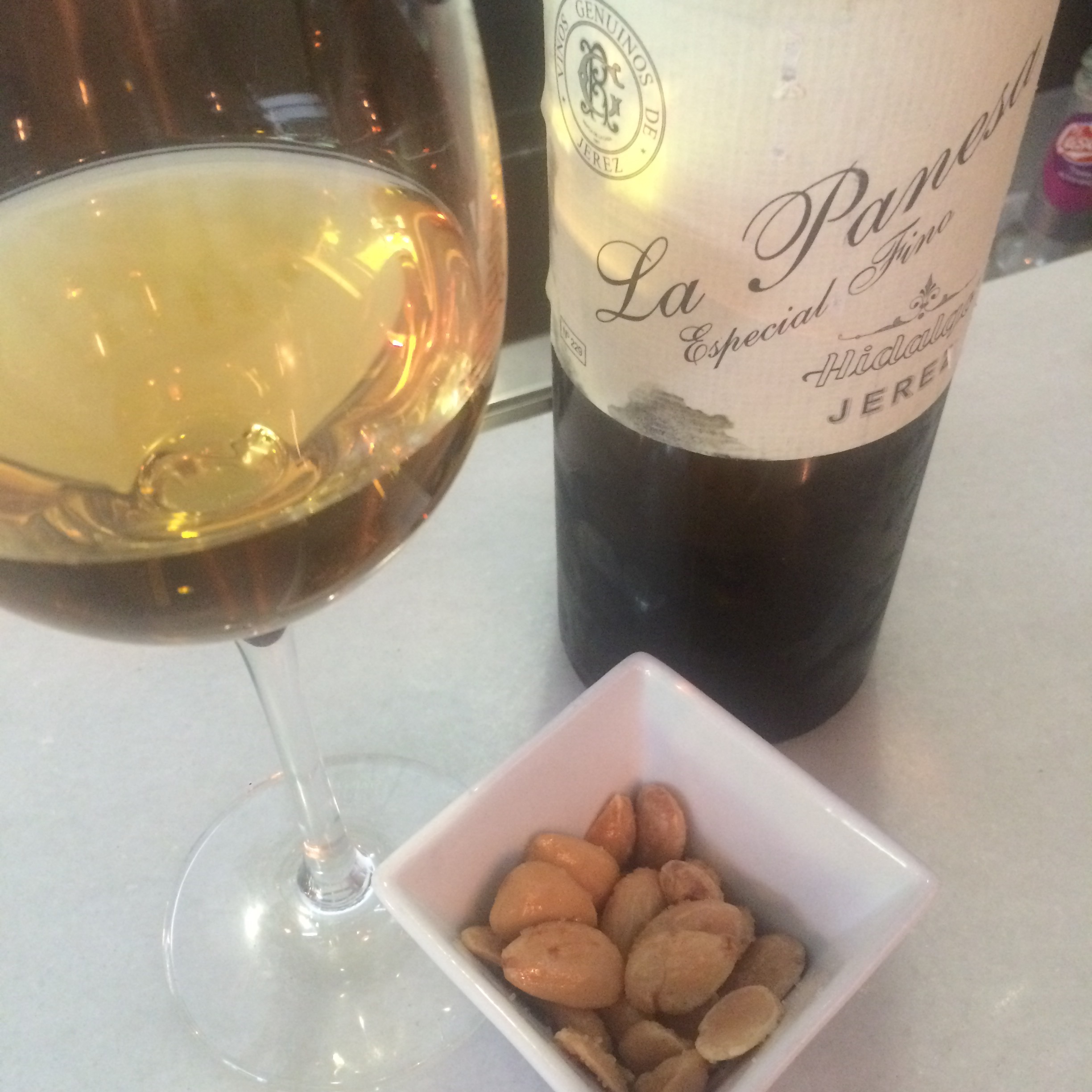
The weekend starts here – and what a wine this is. The legendary Emilio Hidalgo fifteen year old fino. It is a gorgeous dark gold colour and has a big nose full of yeast and haystacks, (this wine can sometimes be quiet but this glass is very expressive). Fatty in the mouth and then a sensational, intense roast almond and yeast as it crosses the palate. Intense and long but fine and elegant too. 

Emilio Hidalgo choose not to date sacas and bottlings but privately admit that different sacas have different personalities. Whatever, this wine is singing and is definitely one of the better examples I have tried. Really excellent.

La Bota de fino que va para amontillado 45 – Montilla 

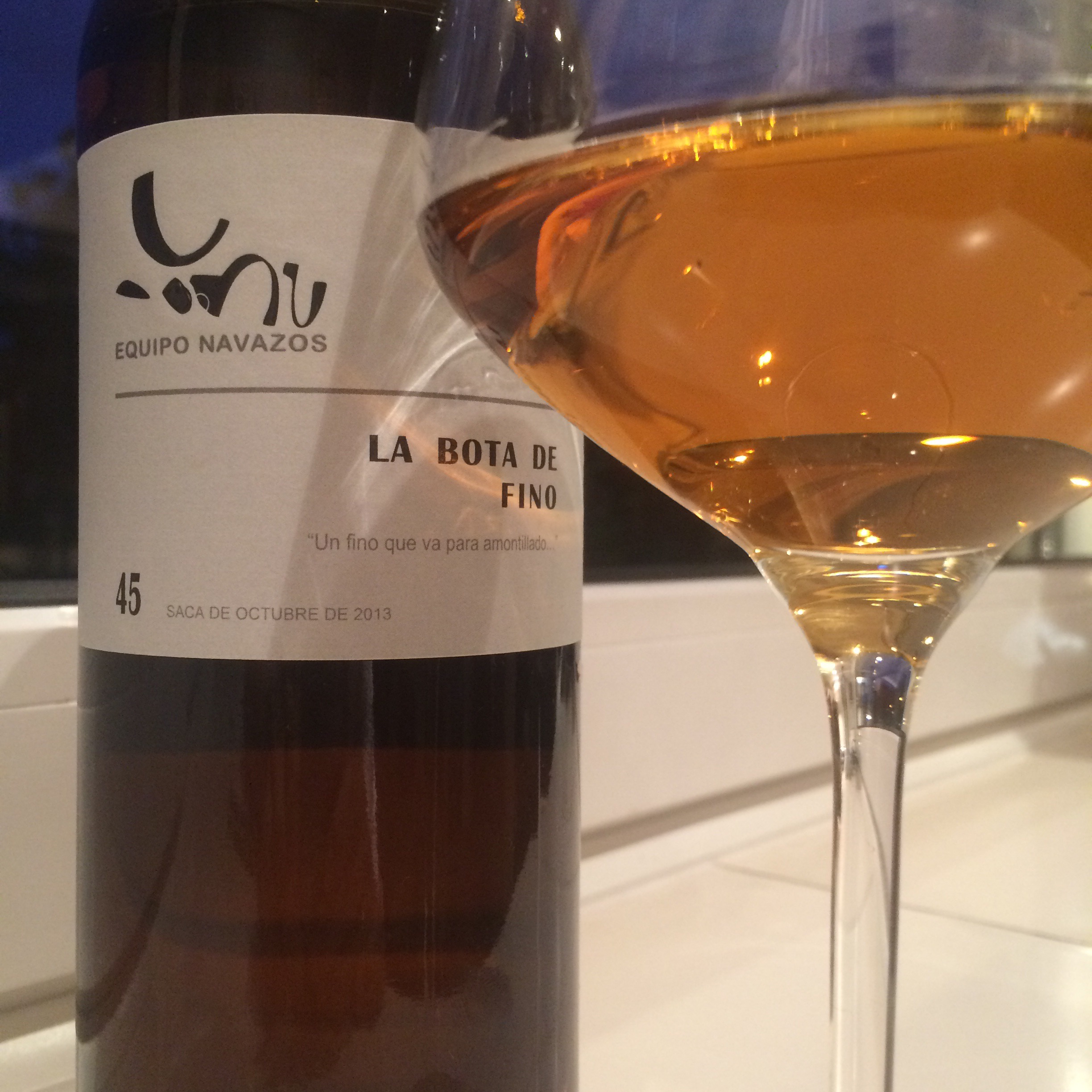
Another week, another magic numberThis one, the number 45, is a “fino on the way to amontillado” selected from Perez Barquero‘s Bodega Los Amigos in montilla. It is said to have an age of 20 years or so.

For an unfined, lightly filtered wine it is amazingly clear and a beautiful dark amber/caramel in colour. On the nose it is right in the sweet spot – as the team say, it is recognizably a fino with hay bales a plenty, but instead of fruit underneath there is nutty toffee and fresh pine needles.

On the palate it shows the full bodied fattiness of a pedro ximenez fino with a really slippy, rich texture. It is also rich in flavour – has a nice zingy start then a surprisingly intense, burnt, salty caramel which fades away to a sort of bitter nuttiness. Very tasty indeed.

Being very picky, it doesn’t seem to have the range and breadth of flavours of the absolute top wines but overall a beautiful looking, wonderfully aromatic and rewarding wine.

Forlong Blanco 2014 

  
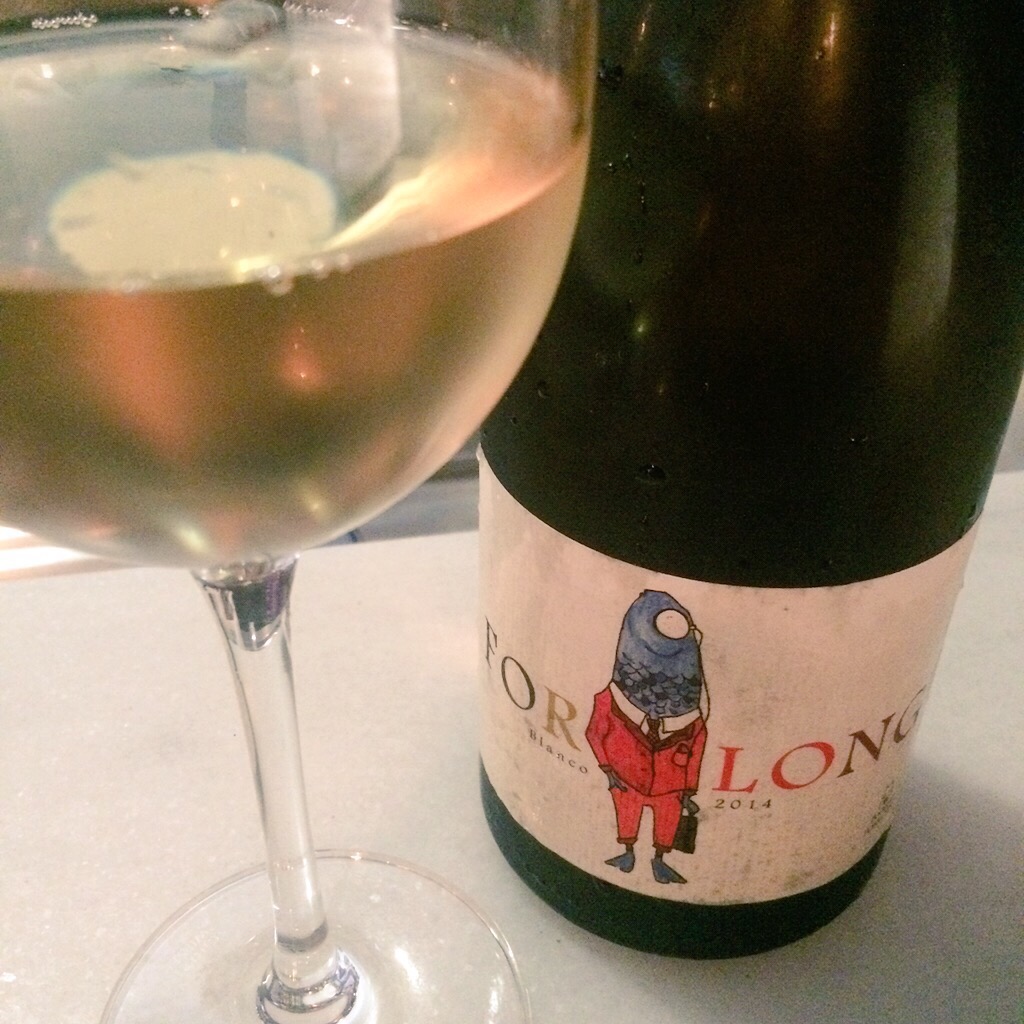
I like this I must say – a white table wine made from a blend of palomino fino and pedro ximenez in El Puerto made by some bright young things using unimpeachably ecological methods.

It is a pale goldish yellow in colour and very clear. On the nose it is fruity – a juicy apricot – and slightly mineral. On the palate too – and nicely balanced/integrated. 

A very nice drop indeed. 

Sherry flavours: umami


I like a nice sake but don’t drink it often – I was reminded I had this because the nose of the Alba Sobre Tabla the other day really reminded me of a sake both for its tropical fruit on the nose and it’s smooth, mellow character.

To be fair I may have exaggerated the similarities. Those descriptors were right in an impresionistic sense but as a wine there is no comparison: this Masumi Sake is really a fish of an entirely different kidney. The nose is fragrant with tropical fruits, the structure is soft like marshmallow and the flavour is that big, filling umami reminds me of a proper english baked rice pudding (with alcohol).

In fact, although the Alba first brought this to mind, the umami of this sake reminds me of the big, bready texture and character of biological wines.

Dialogo Jerezano (a Jerez conversation)

Wanted to preserve on this blog this excellent post by Pedro Ballesteros MW over on the Vila Viniteca blog – which is btw a great place to find great wine writing.

It is in Spanish and any summary I could do would not do it justice. To give you an idea, though, it is an imagined conversation between two friends in Jerez in a golden future 30 or more years from now, recounting (more in sorrow than in anger) the errors of the 20th Century and how sherry was saved from itself by the reintroduction of vintages, single vinyards, unfortified wines (amongst others). It combines history telling and analysis and nicely captures the optimistic mood and buzz that is around at the moment due to exciting new wines and projects (like the encrucijado I tried last week).  Will be interesting to see if he is right (I hope he is)!