Manzanilla de añada Callejuela 2012 – 1/11

So here we go – a wine I have been looking forward to tasting for weeks and one of the most exciting projects in sherrydom, as I wrote back when it first arrived. (I am going to try and be objective but I will be honest and admit that I just want this project and the guys behind it – including the Cuatrogatos Wineclub – to succeed for a lot of reasons.)

First impression – the colour. It is a solid looking, relatively dark gold (the clear bottle can play tricks on your mind and make you expect something slighly paler) and doesn’t seem to shine like an older wine can (this has, after all, been “only” three years under flor). Maybe a slight hint of green – maybe not.

The nose is a cracking mix of fruit and yeast – smells like fresh herbs, green tea (or even that german appley type tea) and apple/cider. Again, having read all about the old vines, the exceptional harvest and select fruit it is hard not to want to smell fruit here, but in the presence what seems more remarkable is how rounded and mellow the nose is: none of the piercing quality of some mostos/younger wines.

On the palate, it is big and voluminous in texture and, even in this day and age where one is accustomed to a 6 or an 8 year old manzanilla en rama, it has a great saline zingyness to it. It is compact and integrated and the fruit and fresh herbs are there in quantity: what it might lack in contours and definition it makes up for in flavour, and there is no sourness or bitterness in the finish.

Not the most elegant manzanilla (how could it be on such short notice?) but as fresh and full flavoured as it is fascinating. An excellent first instalment and I am really excited to see what this project will achieve.

Blind tastings and the many wonders of the sherry triangle

I have written elsewhere on this blog about the excellent Spanish website elmundovino as a great place to find high quality wine writing. In particular I find its historic archive of blind tastings an excellent resource. This week, though, their tasting of sherry wines (Jerez y mas allá – in english, “Jerez and beyond”) was a touch controversial.

For what it is worth, I didn’t agree with the assessment and scoring of several of the wines in the tasting, and I was surprised in particular by some of the tasting notes since they didn’t correspond to my own experiences and recollections (I had to go back and read my own to make sure). More importantly, some actual real experts took to twitter to express their difference of opinion, giving rise to a lively correspondence, some frank exchanges of views and some interesting philosophical contemplation (my favourite contribution was this great post by the guys at enoarquia).

More heat than light was shed overall. Understandably, there was quite a bit of steam being let off. However, some good points were made that set my sluggish neurons into a slow shuffle towards what I euphemistically describe as “thoughts”.

One issue that came up for debate was the old chestnut of blind tasting vs, non-blind tasting (fully sighted tasting? labels out? not sure what the term is). On this I think most agree that blind tasting is preferable, but I think it is also widely accepted that when wines are very different in character it is necessary to have at least some kind of sorting so that an opinion can be formed in context. This seems especially important point for the wines of the sherry triangle, which produces a greater variety of styles than any other region I can think of.

In fact the controversial tasting this week pushed the envelope even by these standards: there were wines of every kind including fortified and unfortified, red and white, still and sparkling and among the fortified wines manzanillas, manzanilla pasadas, fino, amontillado fino, cream and moscatel. I am not suggesting that the panel weren’t able to distinguish them, and I am certain that every care was taken in relation to the order of tasting, but I can’t believe that such a mixed bag provides the best context in which to evaluate a given type of wine. I myself have found that some excellent wines come across very differently in different formats, with some wines (in particular Equipo Navazos’ superb little palo cortados, for example) doing way better in “catas” when tasted against their similar peers.

Another issue that came up is the issue of the “unfortunate bottle”: the concern that in a blind tasting, the taster may not realize that the bottle he or she has tasted is not in condition since they do not know what to expect. Again, I think this can be a critical issue for sherry wines, and in particular in the case of some of the unfiltered or lightly filtered wines that featured in the tasting (I hesitate to use the word “natural” wines, but these are the product of miraculous biological processes that to my ignorant mind simply must be more fragile than your standard grape juice). Simply put, sherry wines are not as other wines and even at the very high end, some bottles come out better than others: I recently had a bottle of La Panesa that was notably more alive and exciting than most I have had. (Of course that could be a result of the saca, but an interesting blog piece by criadera highlighted the enormous differences in evolution of several bottles of an identical wine.)

Finally, and on the tasting notes I always remember a gem of a quote in a post by Jamie Goode on Wineanorak.com – “‘Writing about music is like dancing about architecture” – which I think very neatly sums up the issue. When we look at the case in point, that difficulty is made worse, once again, by the sheer variety of styles in the tasting. To extend the analogy, writing punchy little tasting notes for such a variety of wines must be like discussing different styles of architecture, engineering and geography using only tap shoes.

All in all, I believe the panel gave themselves an impossible task here and as a result got some scores and notes wrong. I for one hope that these wines get another chance – tasted blind by all means, but against comparable wines.

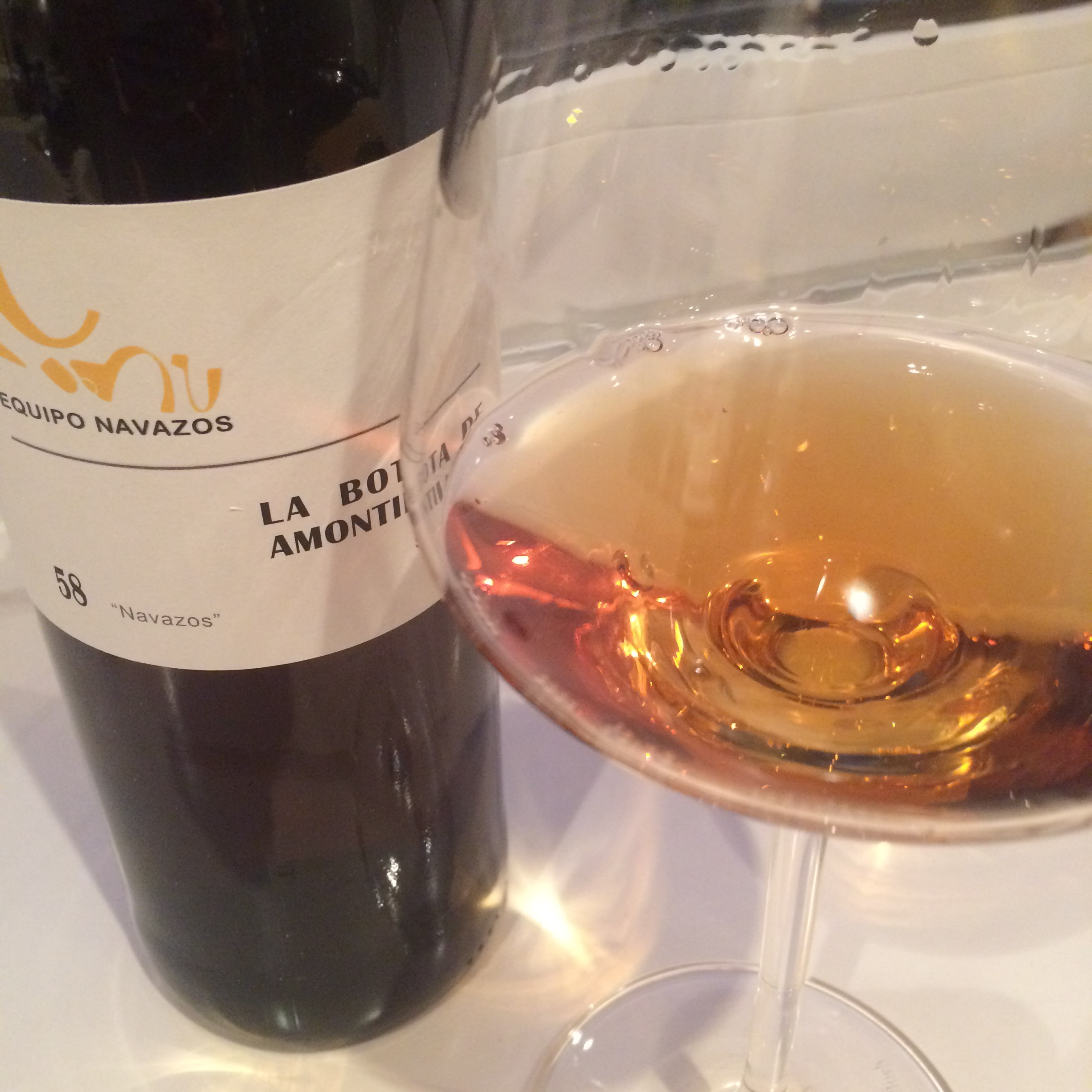
La Bota de Amontillado 58 – “Navazos”

Equipo Navazos release some exciting, top class wines, and when, as this week, the new releases are on offer from Coalla Gourmet then it is just too good an opportunity to pass up.

This wine is also right up my street. It is a new saca from the bota that gave us the luscious Bota 37 and it is tremendous. These Equipo Navazos wines often have fascinating back stories and this one is no different. The original botas were bought by Valdespino from Hijos de Raniera P. Marín (most famous for La Guita) and then topped up with unfortified manzanilla pasada – making it a “natural amontillado” with an average age of around 22 years.

The resulting wine is a gorgeous rich, dark amber colour – looks for all the world like the golden syrup I use to sweeten my porridge of a morning – and also has a slightly sweet nose of honey and caramel on top of hay bales (which takeover as the wine opens out) and spicey herbs. A really cracking nose for a 20 year old amontillado.

On the palate it goes the journey as they say – after the honey sweet nose at first it is dry, acidic/zingy and has an intensity and noticeably salinity, then it opens out into a  big structure of caramel and herbs and fades to a noticeably smokey, burnt sugar finish. It is long and delicious and slightly sticky.

Really excellent – the 37 was a lovely wine and the three years in those botas have only made it more interesting.

undertheflor around the world – 40 up

Worldmap

This wordpress app/platform (or whatever) is brilliant – I can blog with my iphone, it is quick and easy – and it has this cool statistics section that shows you, amongst all the numbers, where people are visiting from. I am not much taken by the statistics in general but I really love the map – it appeals to my inner Napoleon.

So today I am celebrating the fact that undertheflor reached its 40th country worldwide. A big one too: India, no less. I just love the idea that people in places as far apart as the Bahamas, Greenland, Russia, Hong Kong, Canada and Australia are having a gander and, who knows, maybe enjoying a drop or two of sherry.

La Bota de Fino 35 – Macharnudo Alto 

  
I haven’t had this for a while. A classic from Equipo Navazos

Love the colour – quite a dark brown  like old hay. The nose too is all hay bales and granary bread – an incredibly biological nose. 

It also has a great, bready, savoury flavour – nice balanced acidity and salinity. Not quite as intense and structured as some but flavourful and elegant. 

Very interesting pairing too. It was served in the superb Punto MX  with a mexican dish of roast tuetano (bone marrow) eaten in tortillas with a salsa and onions, chilli and lime- a  fatty, meaty, bready, spicey and citric combination. Great thing about sherry is that it can stand up to anything like this, and the savoury nature of the wine really worked. 


Punto MX


I have been to Punto MX, Madrid’s stellar and Michelin starred temple to Mexican cuisine, several times but never asked for the wine list. They have a famous line up of mezcals and tequilas that are frankly excellent.

Given my new responsibilities, however, I thought I would have a peek today and, low and behold, a good, if small, selection of sherries. Nice range of basic and high end finos and manzanillas and nice, well priced wines. Being critical, I am surprised, there is no room on here for amontillado, oloroso or PX. I love the acidity and structure of oloroso, in particular, with spicey food, and I could definitely see a PX doing a job against those spices too.

Have to say the serv ice was fantastic. I was in fact having lunch with a client so I tried to hold myself in a little, but the sommelier scented my interest and a glass of La Bota de Fino 35 – Macharnudo Alto appeared as if by magic. Will have to write about that separately – delicious.

Fernando de Castilla Antique Fino

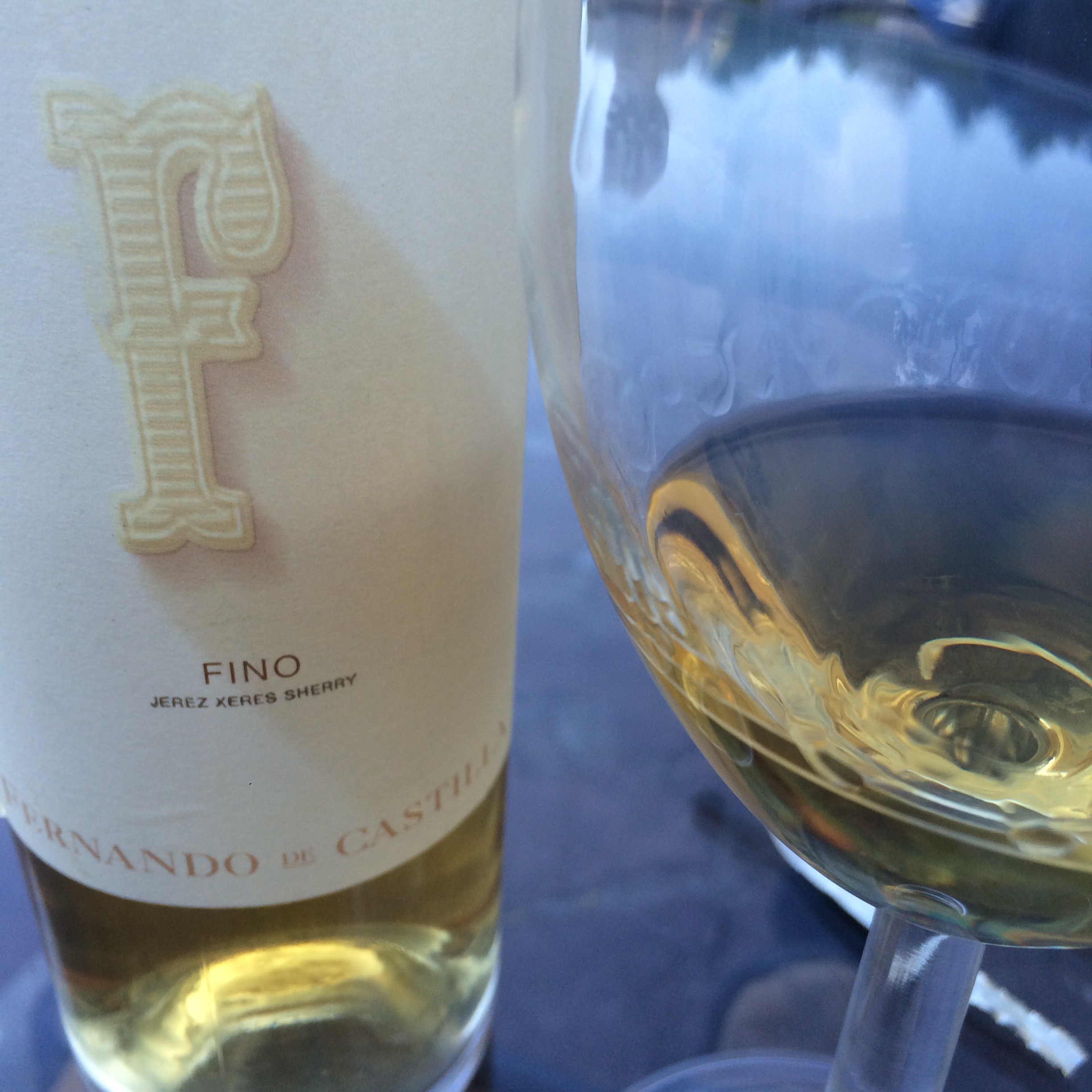
Last note on the sherries from a busy Saturday night is actually about the first wine up – a Fernando de Castilla Antique Fino that is one of my favourites.

I have to say that I was a bit surprised by this wine. In colour it was less toasted, more yellow gold than I had expected, and on the nose too there was a bit less of the cidery fruit than I associate with Fernando de Castilla. It was a much more yeasty aroma.

It showed a bit more of the fruit on the palate but again it was yeasty and slightly sour. Nicely integrated saltiness and intense in flavour, but not quite as harmonious as other times I have had this same wine.

Still, a nice bottle to kick off the evening.

La madre de Cariñena

I was dining with friends in near Calatayud yesterday and enjoying some really old Equipo Navazos palo cortados, when one of them made the observation that the palos reminded them of the “madre” (mother) in the cellar.

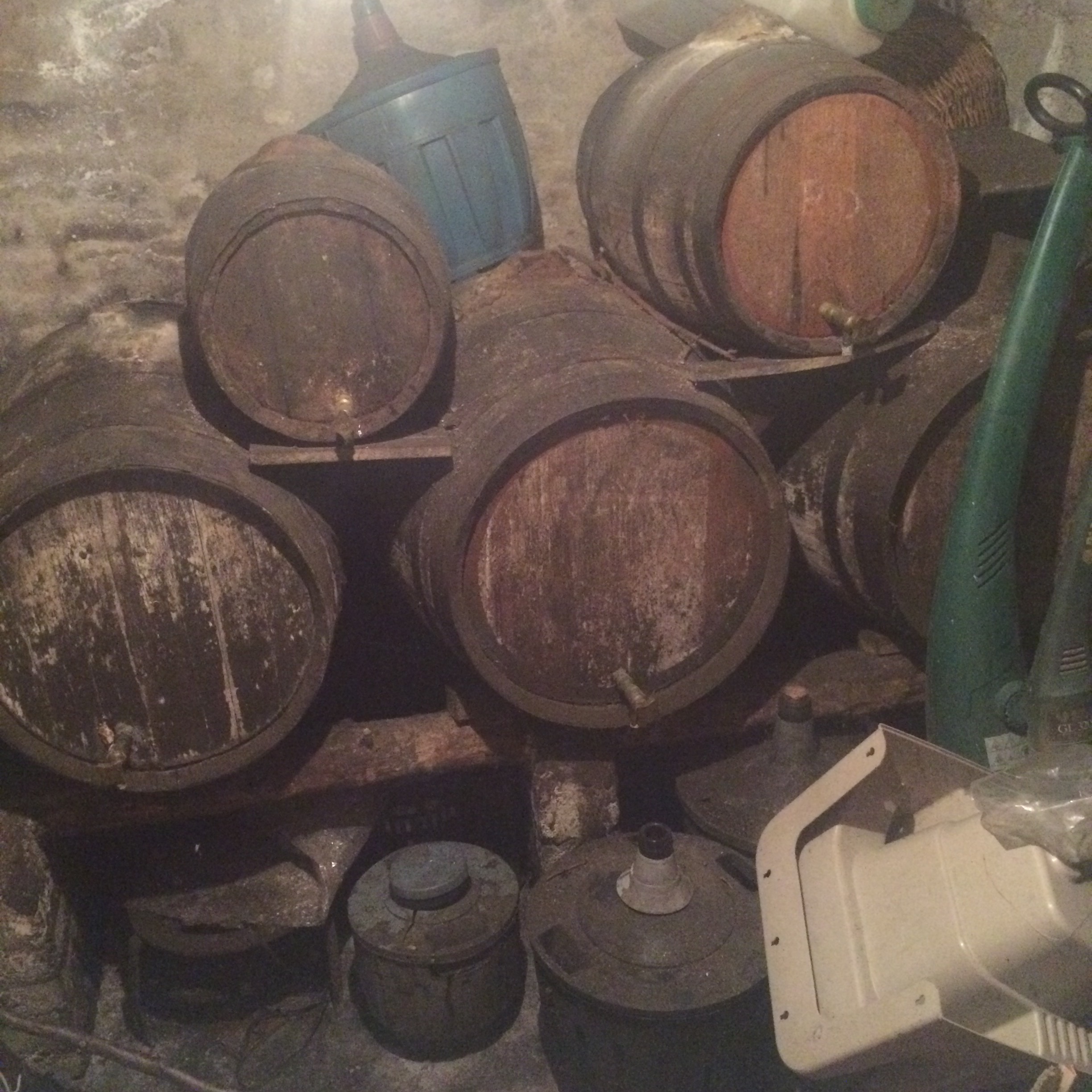
They referred to the contents of these barrels- traditional “pipas” (pipes) in the cellar that are generally refilled with local wine year after year. These barrels had apparently been bought by the grandfather of our host’s grandfather (and she was in her fifties) and were reckoned to have been in use over 100 years. Since the barrel is never quite emptied, the effect achieved is similar to that of a solera, and the older wine that remains in the barrel is referred to as the “madre”, said to give character to the incoming wine. On the other hand, when the barrels are left untouched for a period of time – as these had been – you get classic “traditional ageing” via oxidation and evaporation and what is left can become highly reduced/concentrated.

Two thimbles were produced and they were little eye openers. I am not 100% sure what the original wine was. Given the neighbourhood it was probably mainly garnacha, but my hosts weren’t certain and thought that over the years any number of wines could have been added to the barrel.  Nevertheless, both thimbles did indeed show a lot of the characteristics of the ancient palo cortado and amontillado we were drinking – the concentration, wood influence, and length. The similarities with the dusty old amontillado were particularly striking.

Evidently, there were differences as well, and the thimble on the left in particular still showed rich blackberry fruit flavours. Hard to recall exactly from memory, but the effect was similar to the Sereno rancio, albeit with a much much more pronounced concentration and reduction.

A really interesting thing to have tasted.

La Bota de Palo Cortado 47 

I have had mixed experiences with these but this time I loved this little gem of a palo cortado from Equipo Navazos.

As you can see, it was a deep chestnut red (like a very old port, I thought) and slightly murky (which I put down to a 250 km car journey in the morning), with a big nose. Smells for all the world like the furniture in a church – smokey, slightly sweet wood aromas.

Also very very woody on the palate. In texture it is not as rich as you maybe expect from such a potent looking wine and being critical, it is not just dry maybe excessively harsh and astringent at first – just an acid bomb first up. Get past the initial shock, though, and it broadens out and is massively long with notes of creamy chocolate and coffee and a very very persistent caramel finish. We tasted it alongside the last of the Bota de Amontillado 49 and it was notably full flavoured by comparison  – where the flavours of the 49 were tobacco, leather and dust this was all caramel, burnt caramel and nuts.

Went down a bomb on the night – even with a crowd that do not often drink sherry. Excellent.

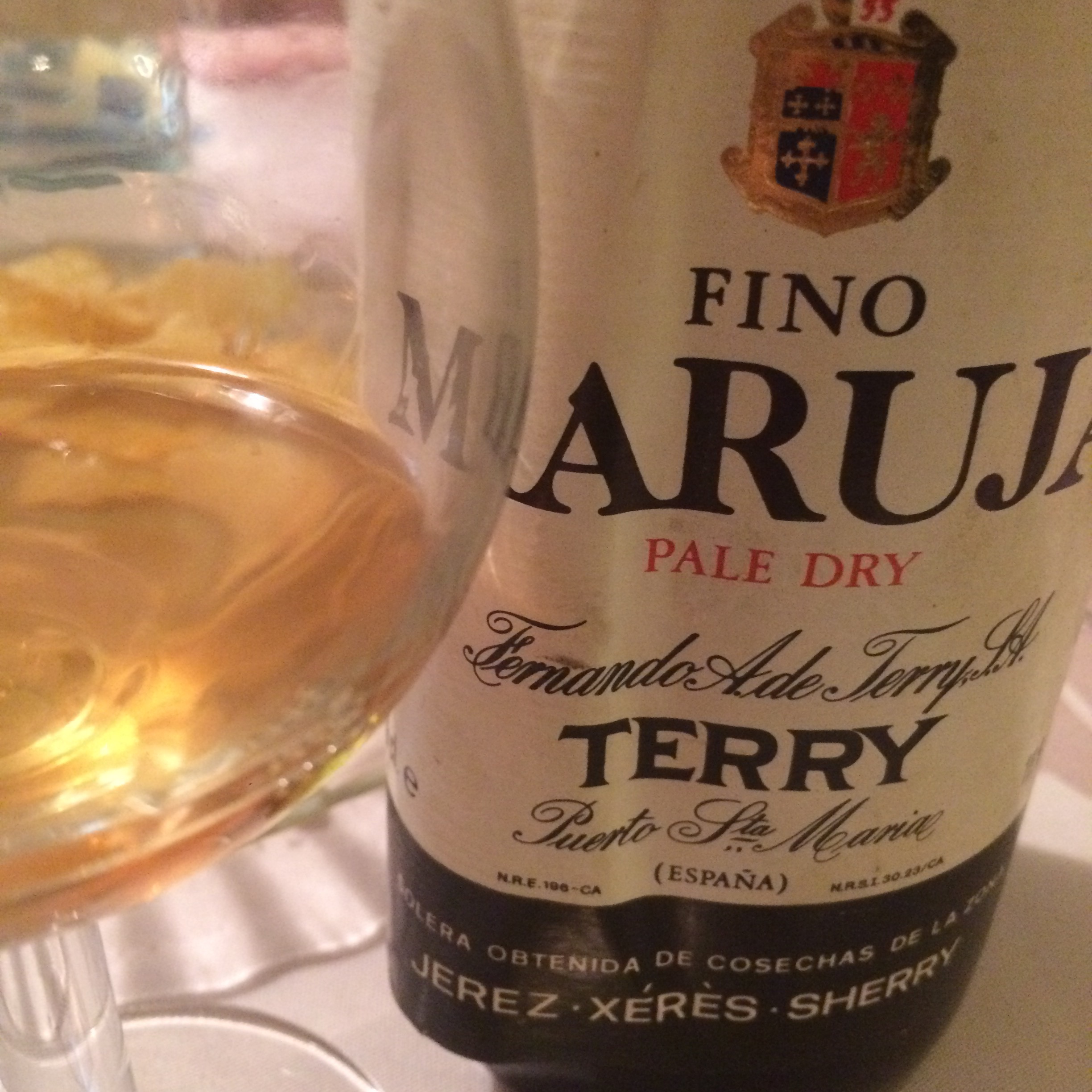
Terry Fino Maruja

A historic old bottle of fino that was produced at dinner last night. A really interesting opportunity to taste a wine that has been a long time in the bottle (although an experience that was somewhat lessened by a lack of information – noone had any idea of when exactly the bottle had been bought except that it was years before).

However old it was, it was a very pleasant drop, and it at least seemed as if the years had really knocked the edges off it. Golden in colour, creamy and nutty on the nose and again really soft, bready and nutty on the palate.

Very drinkable – if this is what bottle ageing can do to finos then I may have to squirrel some away (or look for some dusty oldies).