Una Palma

It’s a beautiful sunny afternoon in Madrid, day off tomorrow and snooker on the TV – time for a drop of temper restoring fino.  


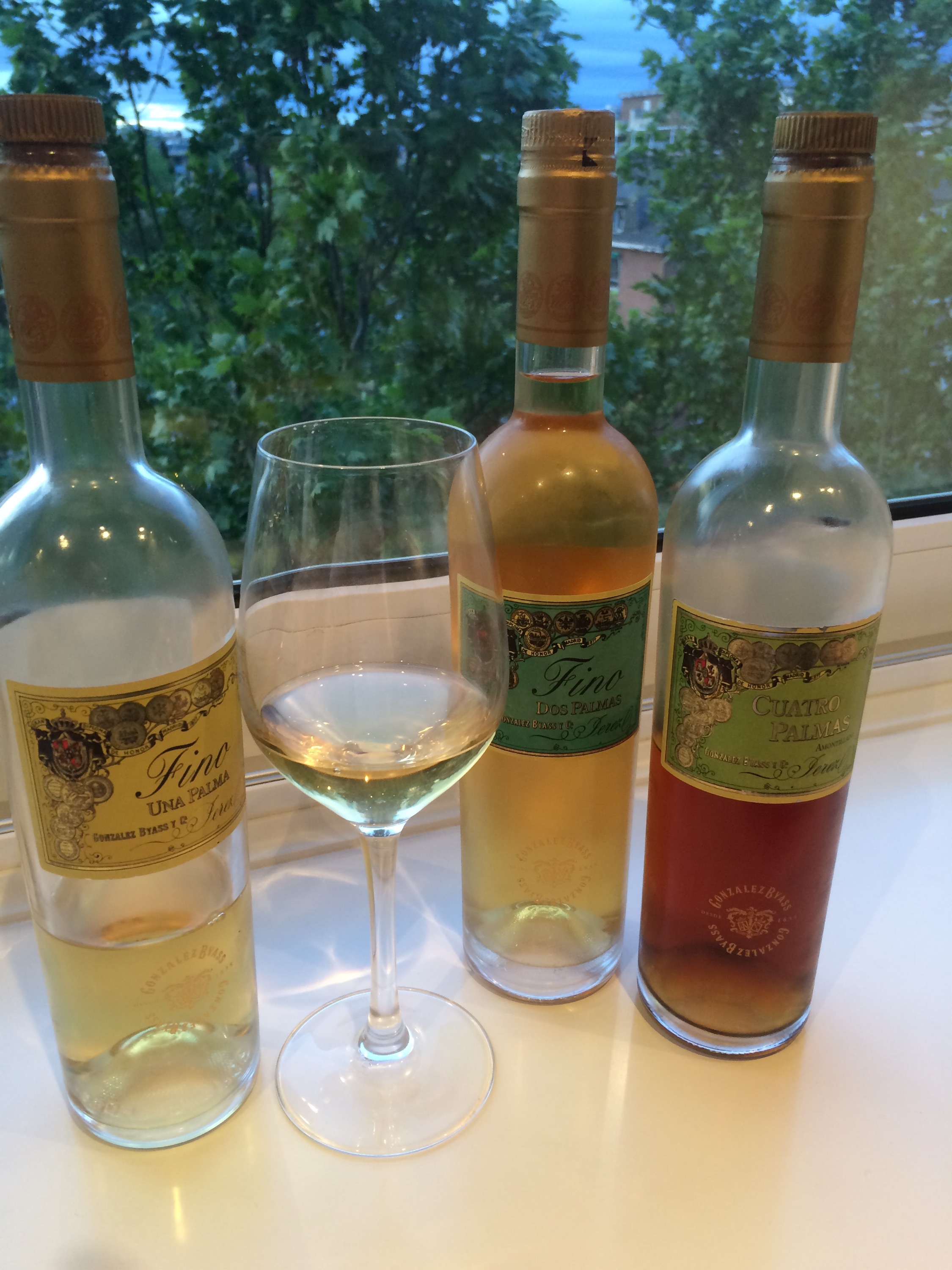
Fino Una Palma (literally, one palm) is the first of the range of four bottlings  selected by Antonio Flores, the superstar head winemaker at Gonzalez, which are named after the traditional barrel heiroglyphics used to indicate highly prized botas.

This one has been selected to represent the finos. It has an average age under flor of six years (compared to Tio Pepe’s five) and is an excellent example of the breed – a silky, fatty texture and it smells and tastes like the epitome of fino. Loads of minerals, nutty (raw, not roasted) and a slight hint of apple/citrus. It is a full bodied wine but probably works best a little cooler – say 9/10 degrees rather than 12/13. 

Here, in fact, is a nearly complete family photo – can’t believe I don’t have the Tres Palmas but you probably get the idea (yet another blogging fail)
  

Manzanilla pasada Pastrana

At the bar in Surtopia enjoying one of the classic manzanilla pasadas – and probably the most widely available. This is by Bodegas Hidalgo La Gitana one of the biggest and most important bodegas in Sanlucar (and not to be confused, under any circumstances, with Emilio Hidalgo in Jerez).

The “Pastrana” wines are the result of a plan hatched by Javier Hidalgo and Cristiano Van Zeller from Oporto. They are made from fruit from a single vineyard and there are two wines: the Manzanilla Pasada; aged for over 12 years, and the Amontillado Viejo, aged for even longer and which has therefore become an amontillado. “Pasada” literally means “past it” – at over 12 years this one gets more time to brew and, as the flor eventually gives up the ghost, a little oxidation.

As a result you get a much more intense manzanilla experience – not so much in the nose (I often find that the longer a wine spends under flor the less expressive it is in aromas) but on the tongue it is very potent. And it is potent. Has a nice easy entry and an almost oily mouthfeel then zingy salinity, intense bitter almond nuttiness, and a long, fresh finish.

It is absolutely perfect with these olives and if you like manzanilla you will love it.

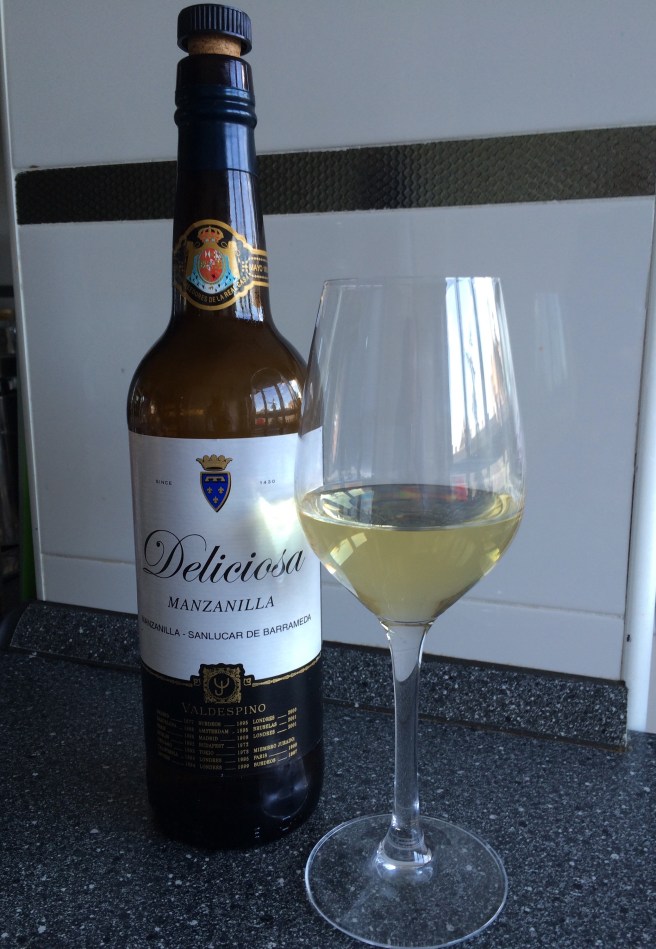
Manzanilla Deliciosa

Manzanilla Deliciosa, from Valdespino – does exactly what it says on the tin.


Valdespino are a fantastic bodega that make some classic wines – from their single vineyard “Innocente” fino to some real big beast olorosos.

This manzanilla is one of my favourites  – enough fruit, enough salinity, intense but balanced and refreshing. A real treat and seems absolutely at home in the spring sunshine.

And yet again, so cheap – about 10 euros a bottle – it seems a crime.

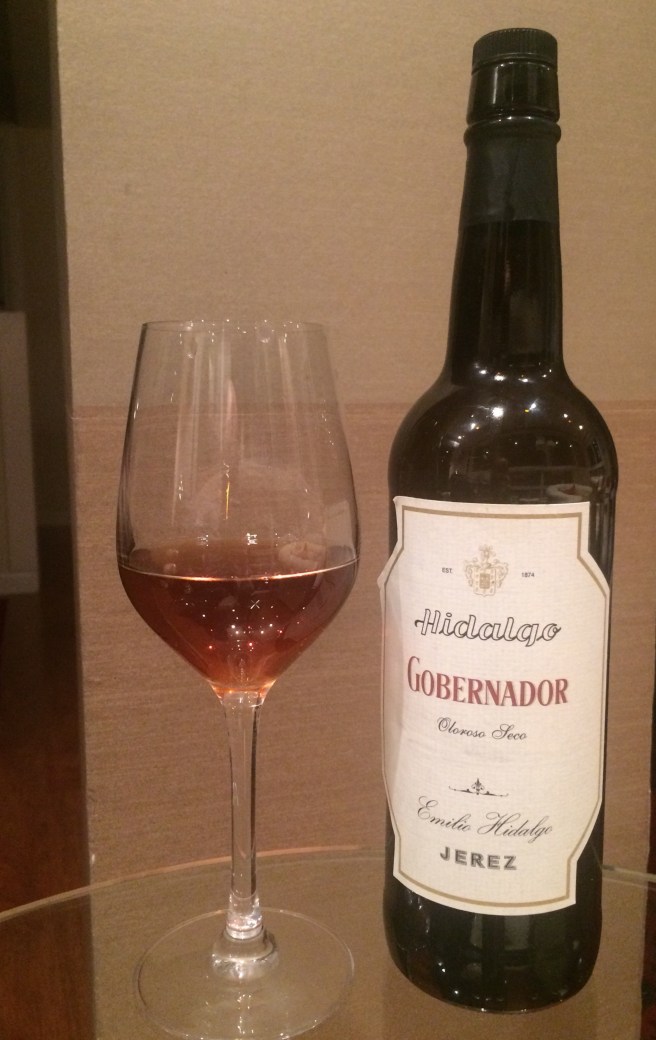
Emilio Hidalgo Gobernador

This guvnor is no mere big time charlie. It is el gobernador – the excellent dry oloroso from Emilio Hidalgo (they also make an exceptional oloroso – Villapanes – with more time in the barrel). 

 
A beautiful rich chestnut brown in colour, it has a nose of slightly burned/overtoasted almonds and is really quite overpowering when you take a sip. It is intense – these are wines you only need to sip – acidic, with a lot of strong nutty/caramel flavour and maybe a bit of alcoholic heat. It reminds me of the black treacle toffee my grandma used to make us when we were kids (except liquid and with alcohol). 

With its acidity and the caramel/nutty flavours it is an excellent accompaniment to anything savoury and it is also a ridiculously cheap wine – about ten euros most of the time. An absolute essential for any well stocked wine rack imho. 

Tio Pepe

It is cheap and ubiquitous and doesn’t get the credit it deserves. 

Tio Pepe in fact has just enough body and expresses the fruit of the palomino, sea air, and buried moisture of the albariza/fungal workings of the flor. It is a complex and enjoyable little wine. 

 It is also a product of patient ageing, constant labour, and miraculous biology:

  • The average age of the wine is around five years (as opposed to the three required by the Consejo);
  • Those years have not been spent idly loafing, but in a solera process requiring frequent tasting and selection; and
  • The flor that has been merrily chomping down the sugar and alcohol during that time is a naturally ocurring miracle almost unique to Jerez.

Let’s face it, you may drink more interesting wines from jerez but you probably won’t get many five year old, artisan made wines for five euros from other areas.