Corral de la Moreria: The greatest show on earth 

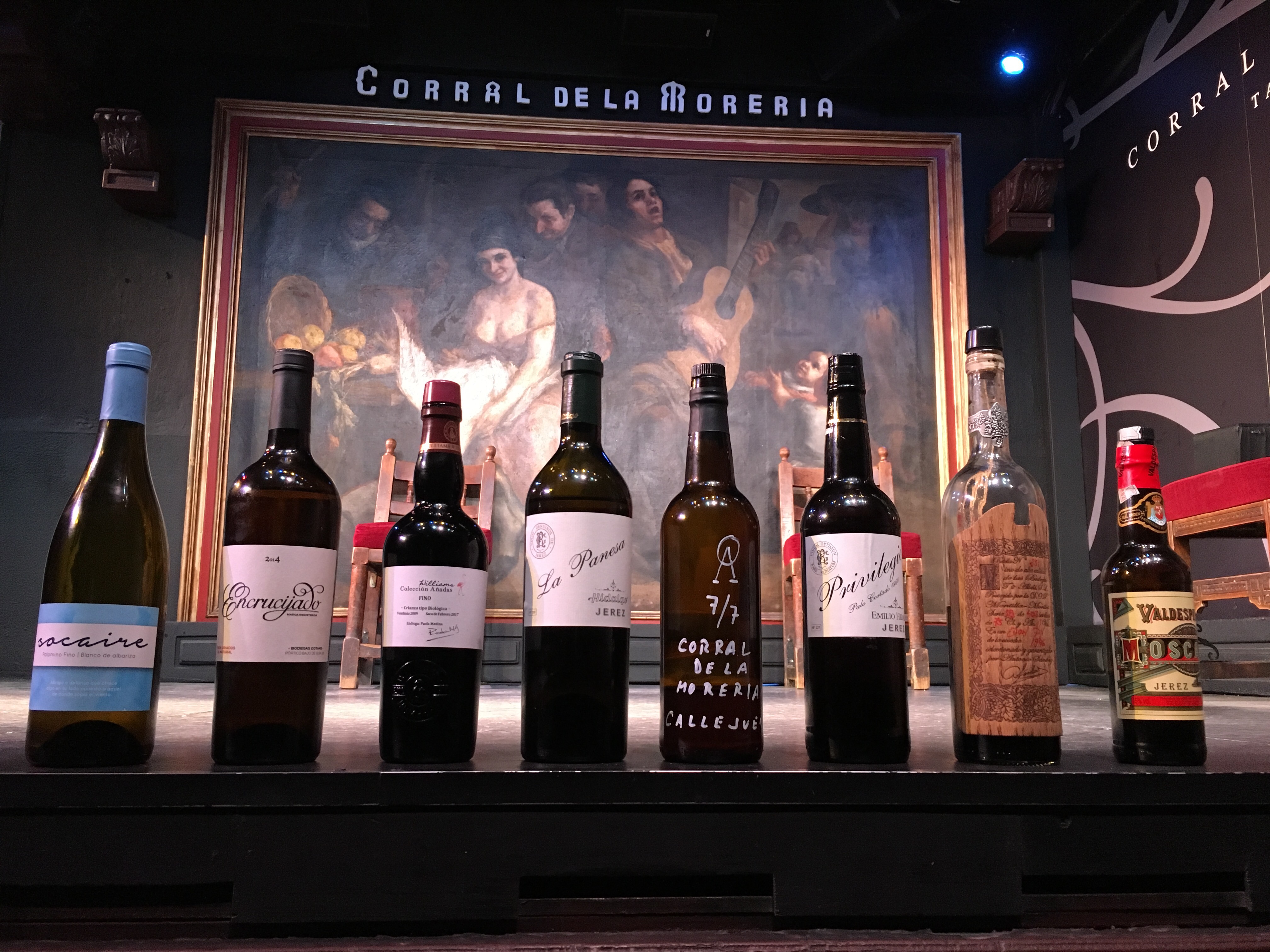
A magical evening last night at the Corral de la Moreria in every sense. I had seen flamenco before but this was a different level, in fact a different game altogether. While we watched we tucked into an absolutely first class dinner – including certainly the finest pigeon I have ever tasted – served with incredible efficiency and dexterity by waiters cunningly crouched down low so as not to obscure the view of the show. And the wines were not only individually outstanding – just look at that lineup – but perfectly matched. 

If anything it was just too much: my tiny mind could not take it all in. Even had I been able to follow everything that was taking place on stage and simultaneously appreciate the superb cooking, the wines were just excessive, culminating in a final three of Palo Cortado Privilegio, the 1946 Convento Don PX and the Toneles. How does a fella even begin to describe all that? 

An unforgettable experience. Really exceptional.

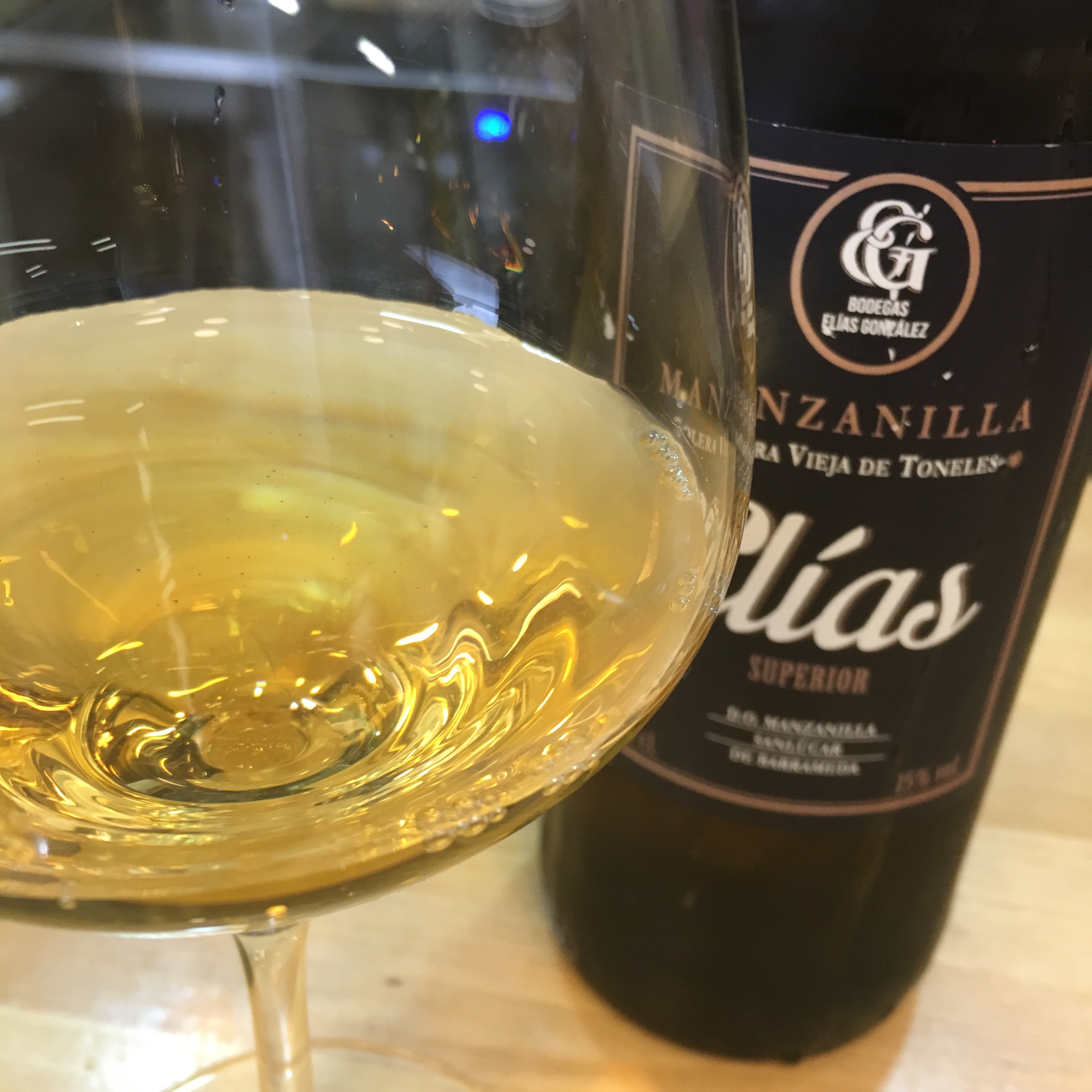
Manzanilla Elias Superior


According to the back label, this has the “flavour of a sunset over the Doñana plain, on the banks of the Guadalquivir river.” If you haven’t been there you won’t appreciate quite what a big call that is – one of the finest sunsets I have seen. 

And although this kind of wine lavel poetry normally leaves me inclined to resort to base prose on this occasion it can be justified (even if not forgiven) because this wine is cracking. The big brother of a manzanilla I tried for the first time recently this is a step up in salinity and intensity, with a deeper colour, more pronounced zingy salinity and flavours of slightly bitter burnt almonds and even a touch of liquorice root.

Absolutely cracking with some spicey patatas bravas at Territorio Era. 

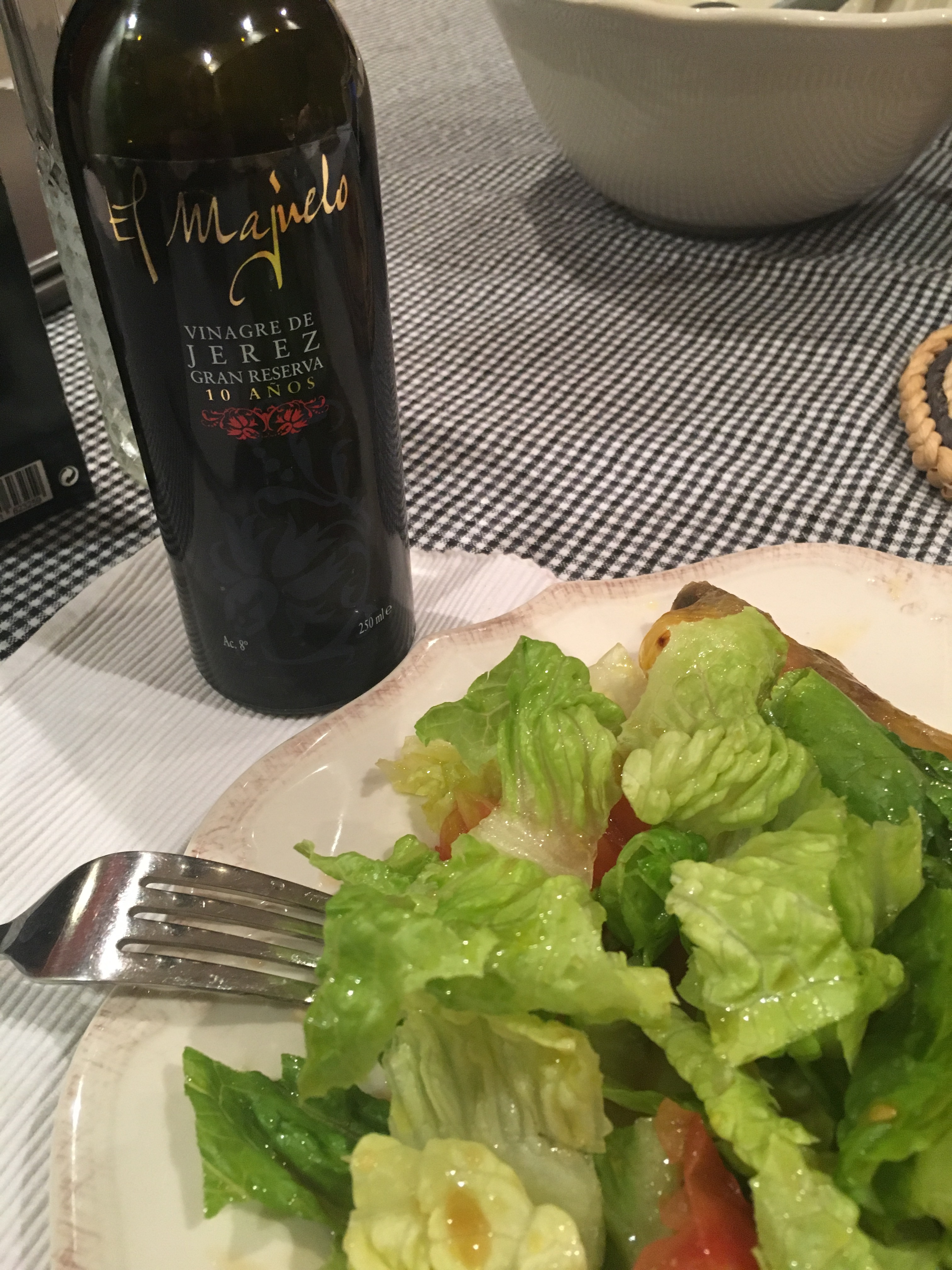
El Majuelo, Vinagre de Jerez, 10 años

This here is as different from your “vinegar flavoured condiment” that it is possible to get. This here, is the real thing.

A generous gift from a friend (searching on line to find out more about it I discovered how generous) this is a limited, numbered edition 10 year old “gran reserva” vinegar, here being utterly wasted on a mixed salad by the ignoramus responsible for this blog. (Having said that, ever since I have been wracking my tiny brain for suggestions of what dish is good enough for such a vinegar, with no luck so far).

How to describe it? Well it is to your standard white wine vinegar what a VORS oloroso is to a mosto – incomparably more intense. Full bodied and dark in color, it has the most unbelievable aroma (I knew I had made a mistake right away) and is even more incisive taste wise. A really intense experience.

Really worth looking out for this stuff – a really eye opener.


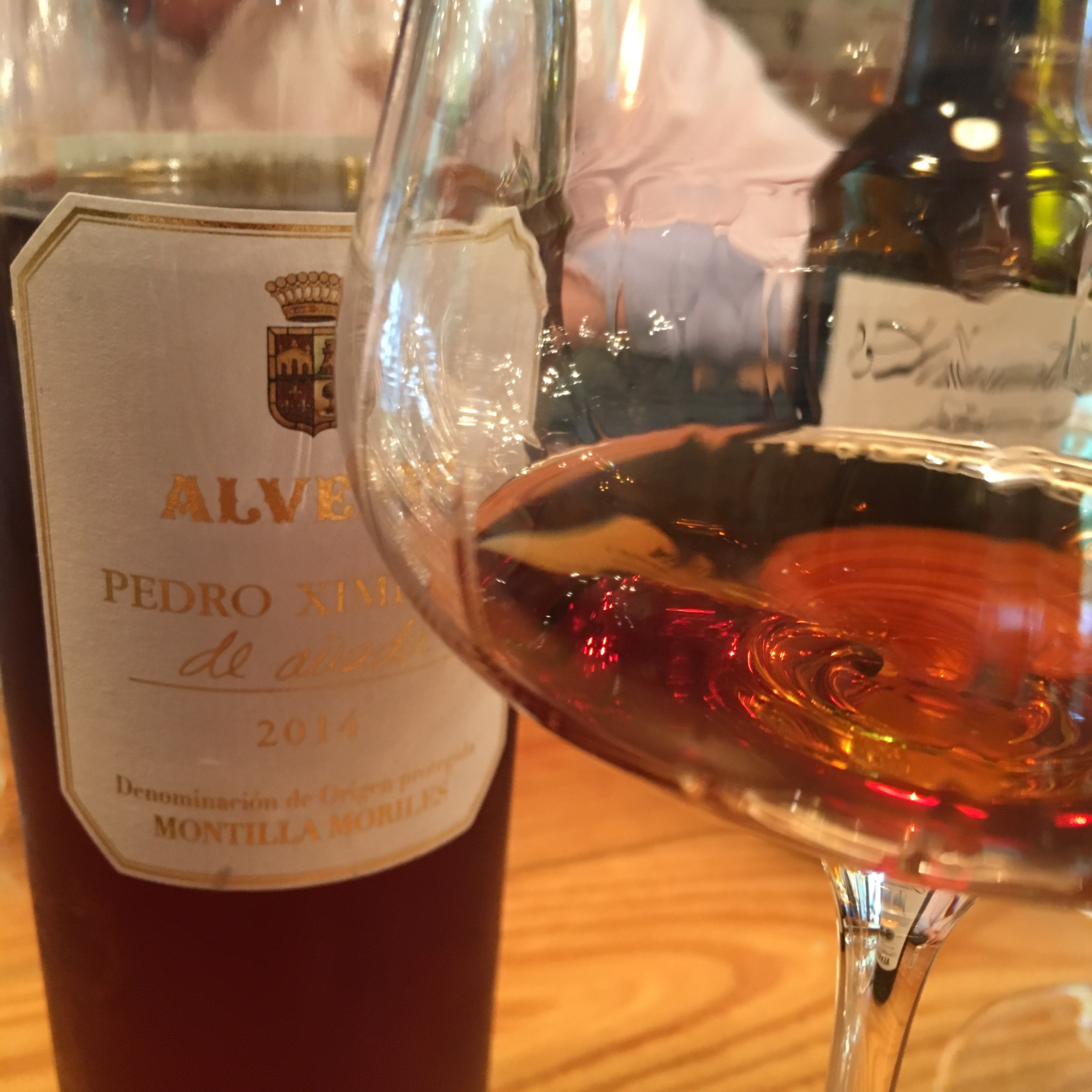
Dulce de Añada 2014

The last wine from a spectacular lunch with Bodegas Alvear a couple of weeks ago was this fantastic sweet wine. 

It is a dulce de añada, a sweet wine made from pedro ximenez from the 2014 vintage. Grapes that have spent 7-14 days on the pasera, been pressed through capazos and then aged in tinajas. 

It is really top class. A rich hazelnut in colour, clear as a bell and extremely appetising, it has a nose that in addition to sultana fruit has smokey aromas and even cigarrette tobacco.

On the palate at first it seems all fruit with beautiful clarity and freshness – the harvest conserved in alcohol as they say. But then you notice the nice acidity and the sharp mineral freshness to it. Then at the finish it is salty and white pepper spicey. Makes it light and fresh over all – you would never guess that this was 16% or had 400 grammes of sugar per liter. 

A fantastic end to a fantastic lunch. One of the best sweet wines I have ever tried. 

Lacum Listán Dulce 2014


A sweet wine from palomino fino (listán Sanluqueño) that I was first told had been aged in Sanlucar in old oloroso barrels but I have since been corrected – inox all the way.

I have only ever had a couple of sweet palomino wines and haven’t really warmed to them. (In fact to be honest I am not the biggest fan of sweet wines in general.)

This has a nose of sweet tomatoes and a nice mineral, sweet herb sweetness on the palate. It has a nice texture and isn’t over the top in sugar or alcohol, but for me lacks a bit of acidity up-front and has a slightly sticky bitterness – like biting tomato seeds – on the finish. Comes across as a bit heavy and a bit two ended – no real shape to it. 

File this one under interesting. 

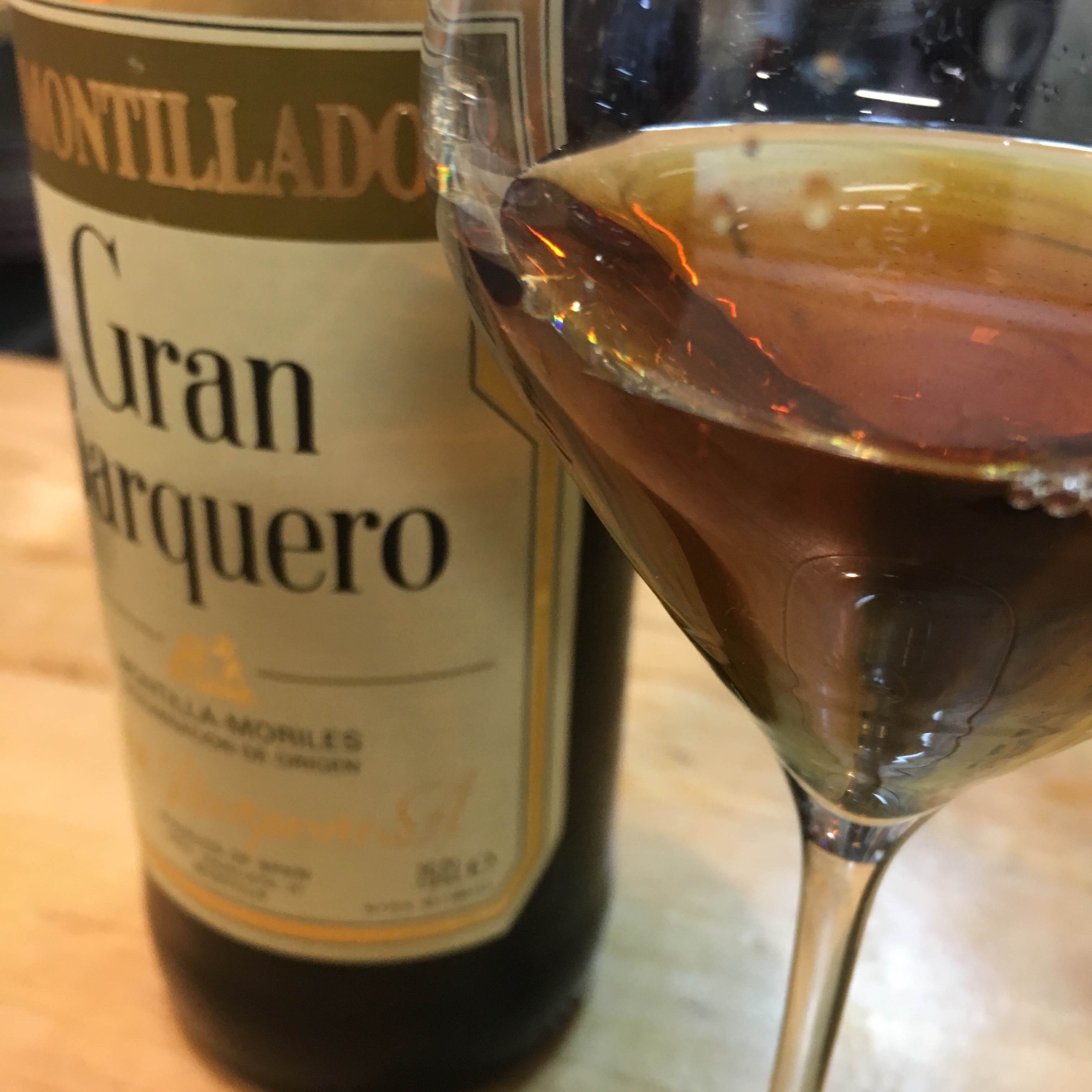
Amontillado Gran Barquero, from 1996

In Territorio Era they have anything you might like to try, and these days you cannot sell these bottle-aged wines quick enough – the punters lap them up. I am not so sure, and this wine is a  good example of what makes me leary of them.  

The Gran Barquero amontillado is, in my view, one of the great wines, light and supple but structured, punchy and creamy caramel. But this one here has had 21 years in the bottle – and in my mind the first question is where? Label looks like it has had a fair bit of sun, or did they not use green back in the 90s? 

Whatever the reason is, the wine shows its age. A texture that has lost its creaminess and become a little bit dusty, and whereas the modern amontillado is all caramel and toffee this is woody and a touch bitter.  

Manzanilla de Añada 2012, 3/11 

Another day, another vintage wine from el Marco. If only it were so. In fact the wines from el Marco that are differentiated by vintage tend to be the exception and this, in particular, is absolutely exceptional.

I have written about this project often – here is a bit of a compilation – and have been looking to this third bota keenly. The difference between botas one and two was marked – the additional year of flor turning a wine that was still fresh and fruity into something noticeably sharper – and while not as dramatic, the step up here is also noticeable.

Unless it is my imagination (or the light, or my eyes, or the warmup drinks) but the colour seems to have lost the touch of green that the first bota had and the gold has become just a touch older. Then on the nose it has definitely gained some sea air – a saltier presence there, which is backed up on the palate, where it has gained volume and backbone from the salinity.

Most importantly though it still has that lushness of fruit – has maybe retained a little bit of glycerol and the flavours are towards old golden delicious apples (the ones that have lost their green and turned yellow). The flavour has also gained something in intensity.

I appreciate that not many people get the chance to try this and it is a real pity – it is fascinating to see the difference that each year in bota makes (granted that the botas will evolve slightly differently). I only hope my notes give an idea of the process. In any event, three down now, only eight to go (to the vertical in 2025).


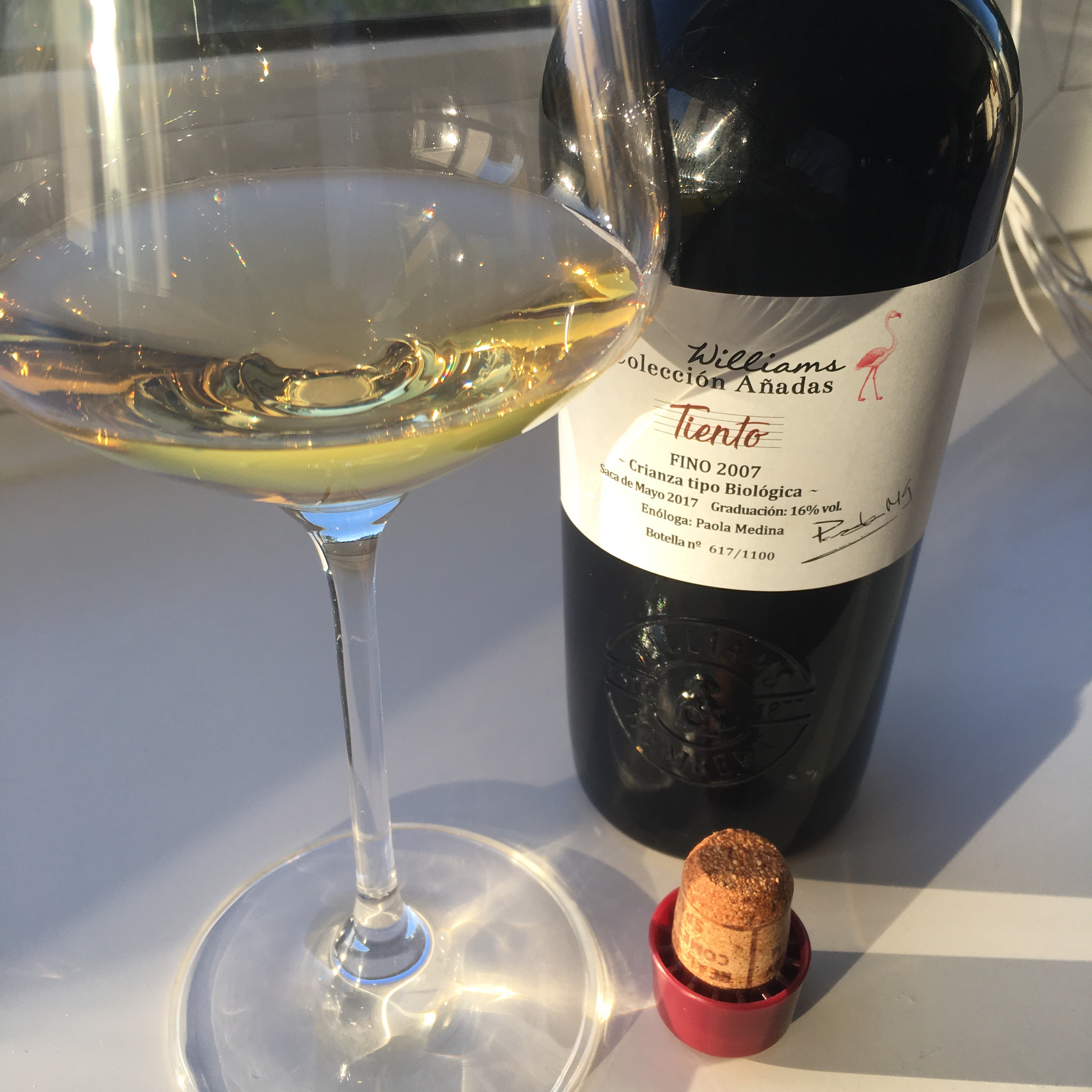
Williams Colección Añadas “Tiento” Fino 2007 


The Williams & Humbert 2006 Fino was a pioneer, the first vintage fino I ever tried, and one of the finest too. It was followed by the fantastic Colección Añadas and happily now by this new release, complete with the stylized Williams’ bottle and a flamenco inspired brand name (tempt, as in temptation), with future releases likely to be similarly monikered.

It is not quite the same style as its elegant predecessor. The 2006 had just over eight years of static biological ageing but this one nearly ten, and I feel you can sense a little more oxidation. It is slightly darker in colour, slightly more potent in alcohol and has more sweetness in flavour.

But like the 2006 it has a wine-like fruit and texture that sets it apart from your solera finos, and in common with the other wines from the Colección a racey, spirity character. It is lush and tasty, not as aggressively saline as some solera wines and that touch of oxidation and acidity makes its finish sweet and spicey.

Excellent stuff, full of character and personality. An excellent vintage, you might  say.

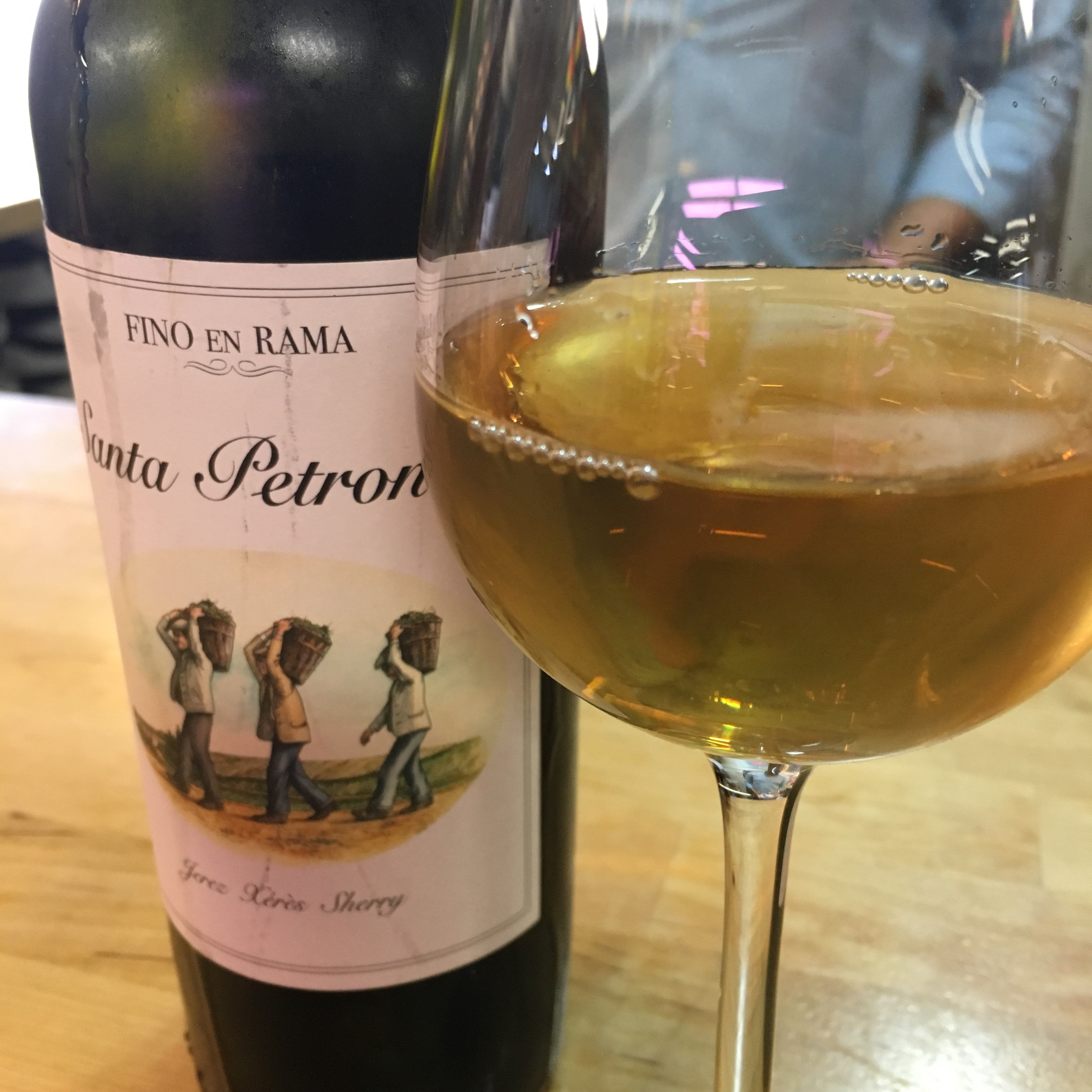
Fino Santa Petronila 

Santa Petronila is said to be the smallest bodega in el Marco de Jerez and it is certainly one of the newest. They also have a small but very vocal group of supporters, and seem to at least say the right things. 

Although the majority of their wine today is acquired from the cooperative, I gather they have a small vineyard and intend to vertically integrate over time. In that regard they are in the right place geographically – either in or near Macharnudo depending on who you listen to – and where they are well ahead is in the tourist side of the business. They give a great tour (maybe hence the passionate support) and you can even stay the night there. 
Most importantly, the wines have a bit of character about them. For my money this, the fino, is the strongest of their wines, but they are all worth trying.

And this glass of fino was a very nice way to start a bite of lunch in Territorio Era with my countryman Nick Drinkwater of Quaff Spain (and Devour Madrid). It is from a saca on December 3, 2016 but had evolved quite a bit in the nearly seven months since. The colour, as you can see, is a dark amber (somewhere between this one with three months in the bottle and this one with ten) then it has a big expressive nose on it with a touch of oxidation – hay bales, salty air, yeasty aromas and sweetish roast apples. A similar story on the palate too: nice crisp salinity, then a tasty mouthful of yeasty, crusty bread and roast apple with a long smoky, mouthwatering finish.

Funny looking back at those other tasting notes from three and ten months – based on the description I would say that this wine is right in the sweetspot. It certainly didn’t last long on the day.


The Wines of Alba Viticultores Revisited 

A fantastic lunchtime tasting yesterday with a few good friends at Wine Attack. The subjects were the wines of Alba Viticultores and to an extent the occasion was a return to a similar tasting a year or so ago.

There were of course differences. That first tasting was the first time I and my colleagues really got to grips with these wines, and there was a sense of freshness and discovery that it would be impossible to repeat. But there were also similarities: some of the wines we tasted yesterday were in fact the same wines with more time in rima, and others were only subtly different to the wines we had tasted before.

There was also a return to one of the big topics of conversation around the wines of Alba Viticultores: their price. These tend to be, by the standards of the sherry region, relatively expensive (roughly €15-€40). However, it strikes me as curious what a big issue this seems to be for those who have been involved in the two tastings (particularly since I paid for the wines on both occasions). First, they are hand made, largely natural, small production wines. Second, if the wines sell then I am not going to argue with the prices (and they certainly seem to, – it is certainly not easy to get them). In fact, to me it is almost preferable that the wines are scarce and that the bubbles have similar price points to grower producer champagnes, for example.

More importantly, the tasting was a confirmation of the quality of the wines. The seven wines were generally excellent, a couple of them were really excellent, they prove that with the right care you can indeed make sparkling and unfortified white – and even rosé – wines with palomino, and all down the list there was a demonstration of palomino fino’s ability to express terroir and vintage.

And it was also a lot of fun. The food and snacks laid on by Antonio, Carlos and the team at Wine Attack were first class, the surroundings could not have been more congenial – sitting around a big kitchen table in the back room – and there was even more laughter than wine. Despite the detailed discussion of Manchester music and dancing greats down the ages I even managed to take a few notes, which I will write up shortly, but for the time being, many thanks to everyone for coming along and my compliments once again to Alba Viticultores for some cracking stuff.