The sherry shpectrum

There are dry sherries and sweet or sweetened sherries and a lot of types of each. This photo is from an introductory tasting at Gonzalez Byass and is not comprehensive but gives an idea of the styles.

Fino – front left (Tio Pepe) the young (or not) and pure, 3 years or more under flor and totally dry. Can be made from palomino or pedro ximenez – when the solera is in Sanlucar it is known as manzanilla (and will have a more floral, saline character).

Amontillado – behind the fino (Viña AB) is saucy, a few years with flor and a few (or a lot) without.

Oloroso – to the right of the fino (Alfonso) is mellow and oaky, made purely by oxidative/traditional ageing (no flor at all). Again, can be palomino or px. 

Pedro Ximenez – behind the oloroso (Nectar) is a sweet wine made from raisined grapes of the same name. Unbelievable fruit and sugar bomb.

Cream – behind the amontillado (Solera 1847) is generally an oloroso blended with some px (this one is about 75/25). This is the wine beloved of Miss Marple. There is also a “pale cream” (Croft) which I believe involves moscatel.

Then (at the back) we have the big boys from GB’s range: the Del Duque (very old amontillado); the Apostoles (a very old palo cortado with just a touch of px); Matusalem (very old sweetened oloroso); and Noe (very old PX).

But as I said, this is not the full range – there is also a palo cortado (Leonor), Tio Pepe en rama, four exquisite selected wines known as  Palmas (“Una Palma”, “Dos Palmas”, etc) and, when the mood takes them, some single vintage palo cortados that are frankly amazing.

En rama: for keeps?

Literally, “on the vine” an “en rama” is an unfiltered, unclarified wine that was originally intended to reproduce the taste of traditional wines drunk fresh, straight from the barrel.

Most major bodegas now release finos and manzanillas en rama, the most widely available being the Tio Pepe and Barbadillo finos en rama and the Solear and Barbiana manzanillas. (If you are able, you really need to find sherry out of a barrel – in Jerez itself or in La Venencia in Madrid.) The en ramas tend to have more body than the standard releases and for me they seem to express a little more of the bakery flavours.

Perhaps paradoxically, en ramas also lend themselves to bottle ageing, where they are said to subtly grow in complexity and structure. (Being cynical, what lends itself to bottle ageing is really the label, since it has a date on it.)

This one is a 2006 Williams & Humbert. It has oxidized a little and although for me the mosto (the original palomino wine from which the fino is made) is a little muted, it is well balanced, mellow and long.

To be honest I am undecided on the relative merits of bottle ageing vs not. Ageing may accentuate the “florpower” but I feel that the fruit and freshness suffer a little – and these wines are so dry fruit and freshness are valuable qualities. Further study is clearly required. 

So squirrel them away if you must – or crack them open and have at it. I probably tend to the latter, although I am keeping some back just in case.

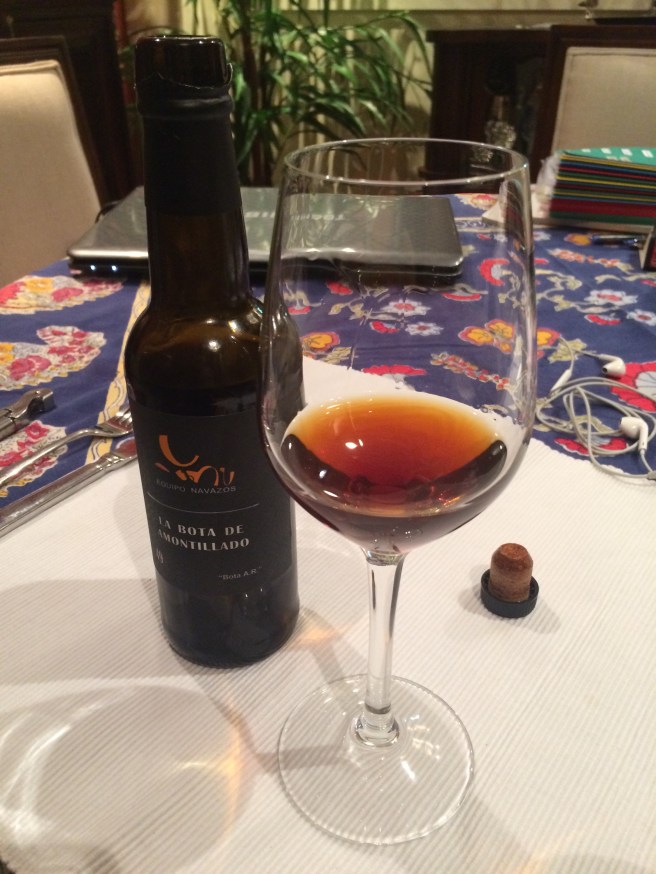
Equipo Navazos

Equipo Navazos (Team Navazos) originated as a group of enthusiasts who would visit bodegas in search of the “special” soleras and even individual botas and has evolved into a label that has played a huge role in bringing fine sherry wines to the attention of the wine drinking public worldwide.

They still sniff out prize “botas” from classic bodegas but now they release them for sale in numbered bottlings – they are now in the high 50s – some of which are cracking wines – like this little beauty. (In fact the first wine that really made me sit up and take notice of sherry was an Equipo Navazos Palo Cortado.)

It is a gem of a formula. They have released a wide variety of different wines across every category (even inventing new ones, if you believe everything you hear) and with a clear emphasis on characteristics and quality. By numbering the releases, they also create vintages/scarcity – explicitly recognizing that wines do evolve differently over time, permitting comparisons of development through bottle ageing and, lets face it, appealing to the trainspotter/collectionist type of wine buff.

There is, of course, a downside. If every bodega were to separate the prize barrels, the rump would inevitably decline, while the major beneficiaries of the scarcity may not be the makers but rather the stockists: already bottles of low number Navazos wines can be obtained from opportunists at greatly inflated prices. In their exuberance they can also, maybe, get it slightly wrong: some of the releases are more interesting than enjoyable, while some can be accused of being “test tube wines”, ideal for blind tastings but a little over the top for a dinner party.

There is no doubt, though, that Navazos have made a great contribution to promoting interest in fine sherry wines in critics and winelovers worldwide and in leading the charge towards distinctive, select bottlings. Their heart is in the right place and their work is of a very high quality. If you find some, buy it!

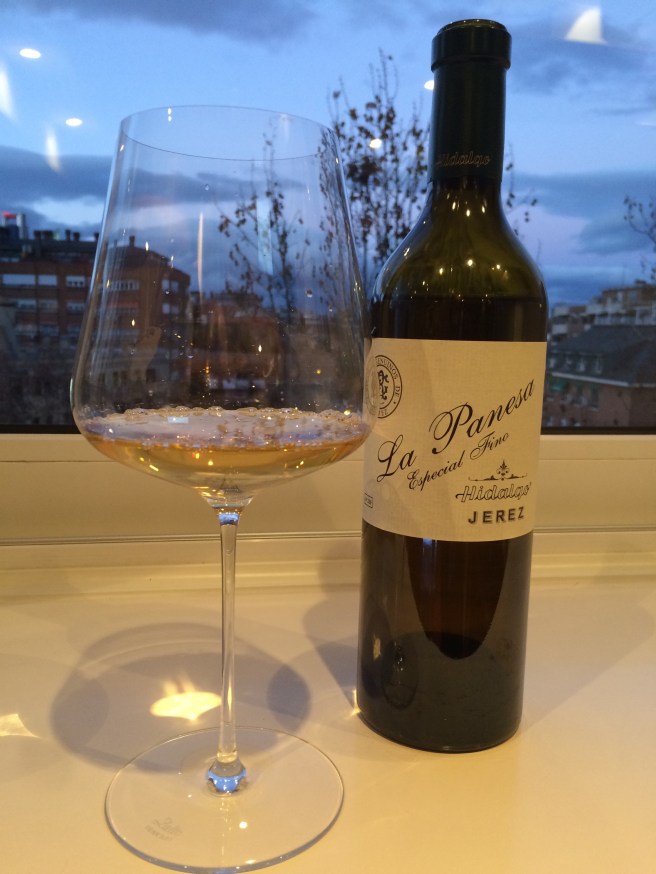
La Panesa

Fino does not come any more serious than La Panesa, the supreme example of what biological ageing can do. The wine has spent an average of 15 years under the flor and is just immense. (This is surely the technical limit – I am not aware if any other wine aged as long under flor.)

The nose can seem quiet – I like to decant or at least give it a good swirl – but it repays the effort with a lot of aromas. The apples are no longer the green cider jobs of the mosto but the oldest of winter fruit, packed away in wooden crates and surrounded by almonds and undergrowth, to name just three. In the mouth it is velvety, full bodied and flavourful – with layers of toasted almonds, bakery flavours and a distinctively vegetable power and zing.

Overall a remarkable wine and one, I think, that any aspiring sherry connoisseur should have on hand at all times.

Tio Pepe

It is cheap and ubiquitous and doesn’t get the credit it deserves. 

Tio Pepe in fact has just enough body and expresses the fruit of the palomino, sea air, and buried moisture of the albariza/fungal workings of the flor. It is a complex and enjoyable little wine. 

 It is also a product of patient ageing, constant labour, and miraculous biology:

  • The average age of the wine is around five years (as opposed to the three required by the Consejo);
  • Those years have not been spent idly loafing, but in a solera process requiring frequent tasting and selection; and
  • The flor that has been merrily chomping down the sugar and alcohol during that time is a naturally ocurring miracle almost unique to Jerez.

Let’s face it, you may drink more interesting wines from jerez but you probably won’t get many five year old, artisan made wines for five euros from other areas.