Solear en rama – Saca de Verano 2015 

  
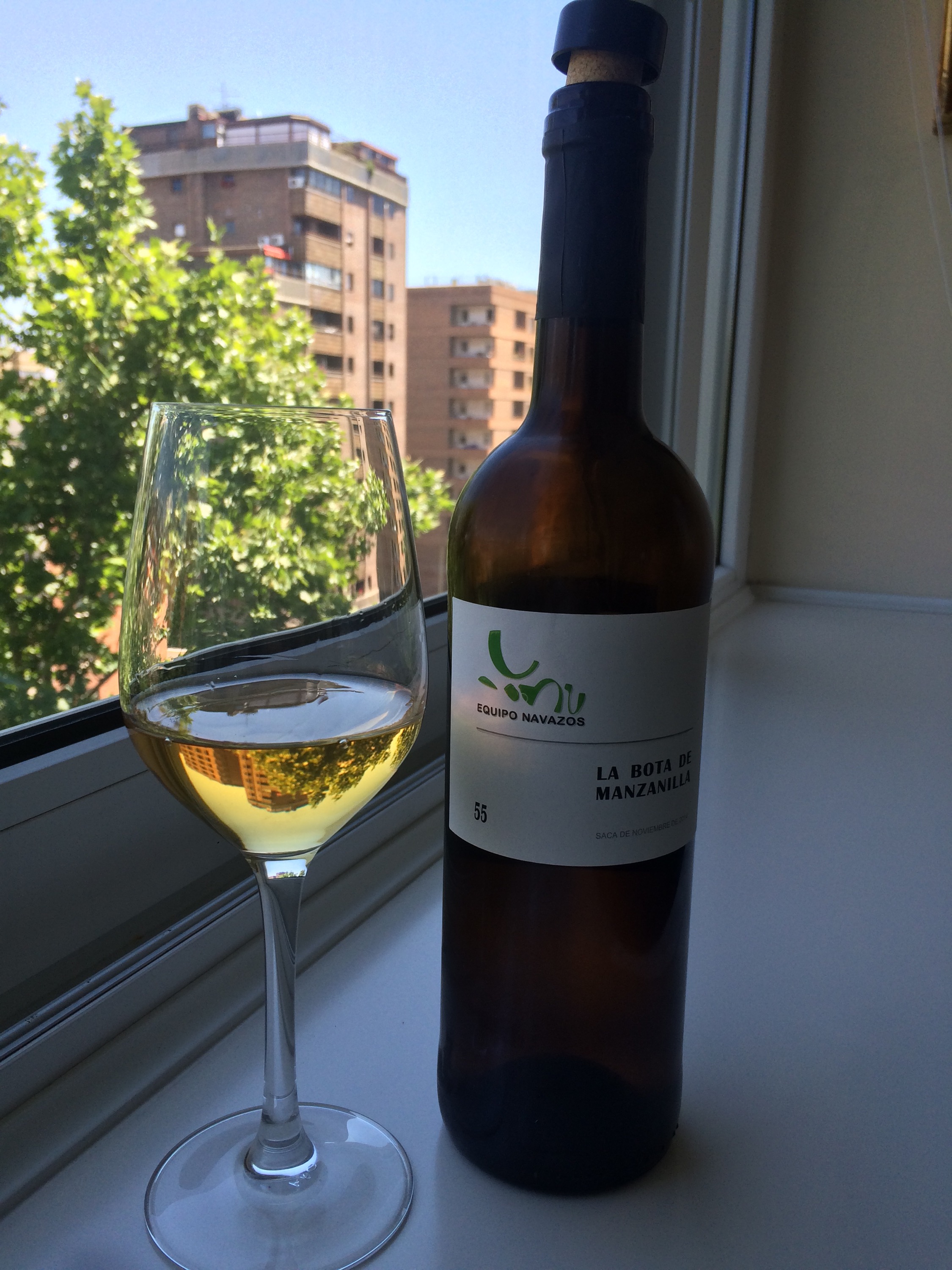
There she is – this summer’s drawing of unfiltered Solear, seen here soaking up some rays on my bookcase (purely for photographic purposes). 

The colour is gold with the merest suggestion of green. On the nose it is very aromatic – well past chamomile tea and into salty herbs. I always think these manzanillas smell like sand dunes covered in wild flowers and this is no exception. 

In the mouth it is saline and pungently herby, really a forceful mouthfull. I find this one just a little bit bitter and spicy – a green, raw olive type bitterness – and really not juicy (unlike last winter), more of an aromatic, dry herb flavour than anything. Really a racy little wine. 

Solear en rama – Saca de Invierno 2014

  
I really enjoy these little bottles of juicy, zingy, herby manzanillas. At least part of the appeal is the dinky little bottle – this is a wine you can drink without spending all night over it.

It has a nice gold colour and warm hay bale aromas. Then it is oily in texture, saline and herby. Dry but fruity – or maybe toast vegetable sweet.  Really enjoyable. 

Cata de Palo Cortados en Enoteca Barolo

A good friend made it possible for me to attend this and it was a cracking event.

The title – “Palo Cortado – the most mysterious sherry wine” – suggested a bit of blarney but in the end nothing to worry about – maybe a bit of blarney but overall a good, punchy and knowledgeable introduction with some interesting nuggets and some key background facts on each wine – a well prepared and well conducted tasting.

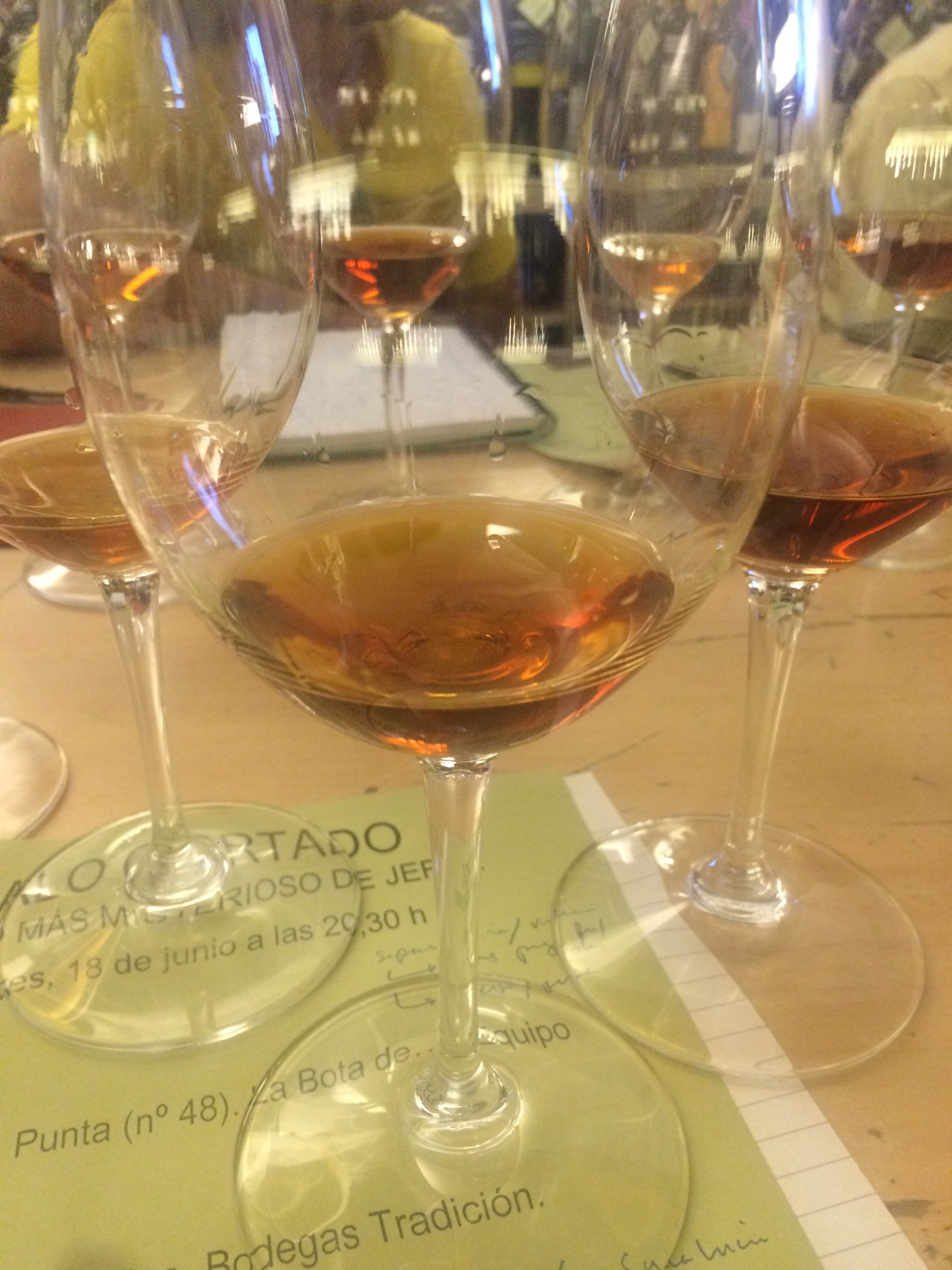
We started with Obispo Gascon – by Barbadillo in Sanlucar (on the left below). The colour is an orange amber/chestnut – absolutely crystal clear. It wasn’t super expressive in the nose – salty with a bit of sweet pastry. On tasting the salinity is nicely integrated and it is maybe not creamy but a little oily, with flavours of caramel to burnt caramel – and very long. Nice start. (16/20)
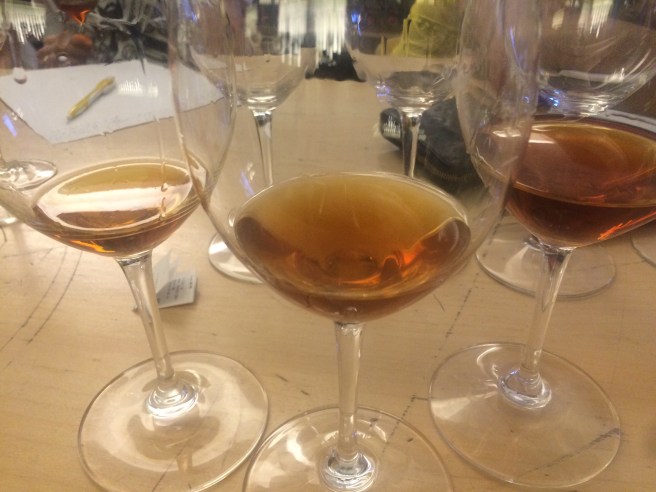
Next up was the Tradicion – seen here between the Obispo and the Gutierrez Colosia Viejisimo. Similar in shade  to the Obispo Gascon although not as crystal clear – a suggestion of cloud. More nutty on the nose – more almond pastry/bakewell tart rather than the honey pastry of the Obispo and not the same noticeable salinity (this lad is from Jerez). Noticeable acidity in the mouth and it is full of darker caramel flavours – maybe a little bitter/burnt in the aftertaste. Always notice the structure of this wine and it has a nice, savoury, nuttiness to it. (17/20)

The Gutierrez Colosia is called “very old” and it looks it. It was at least a shade darker than the other two – but crystal clear – and again a little bit of sea air on the nose (this fella is from Puerto de Santa Maria). Also a bit of yeast on the nose – a more vegetable sensation. Big and rich on the tongue and it has that old fruity christmas cake taste to it, caramel flavours, baked orange, a suggestion of nuts. Really full in body and maybe a touch more width/breadth than the other two. Lovely wine. (18/20)

Next up – Roberto Amillo Espiritus de Jerez. In colour it is a little browner and my glass – in fact the bottle – was a little cloudy. A bit less expressive on tje nose. On the tongue it not as rich and on the palate it is acidic, spicey and sharp with flavours of walnut tending to walnut skin. For me not as rich and structured as the Tradicion or the Viejisimo – a racy, spicey glass though. (15/20)

The fifth wine (middle of this picture) is the Equipo Navazos 48. Deep bright red in colour – light ruby and a really distinctive nose – a bit of the diesel, varnishy garage forecourt smell, with bitter orange and minerals and even lactic notes (cheese rinds). I can understand it not being everyone’s cup of tea on the nose but in the mouth it is fabulously rich, with a whole new range of flavours. You get dark chocolate and tobacco, the jammy marmalade, and of course the nutty toffee. I found it a really expressive, rich wine and a little extra dimension on the palate compared to the others. (18/20)

Finally, on to the Cardenal by Valdespino, an old school palo cortado made from wines that stepped off the “true path” of the Fino Inocente (and therefore all from the Macharnudo Alto pago). In colour it is another dark one – chestnut brown. Then a salty, iodine in the nose, and burnt caramel for me (but others reckon yeast). In the mouth it is enormous – treacly, maybe even too concentrated. The range of flavours is not quite as wide as the 48 – absolutely massive and relatively balanced even if possibly not as multifaceted as the Navazos wine. A magnificent wine no doubt. (18/20)

Overall favourite: the Equipo Navazos 48 – just for the range of aromas, flavours and notes – but this was a superb range of palo cortados and an excellent event.

Fino Dos Palmas 

The second of the hand selected “palmas” range (see the Una and the  Cuatro) by Antonio Flores at Gonzalez Byass this is an eight year old, en rama big brother of Tio Pepe (5 years) and Una Palma (6).

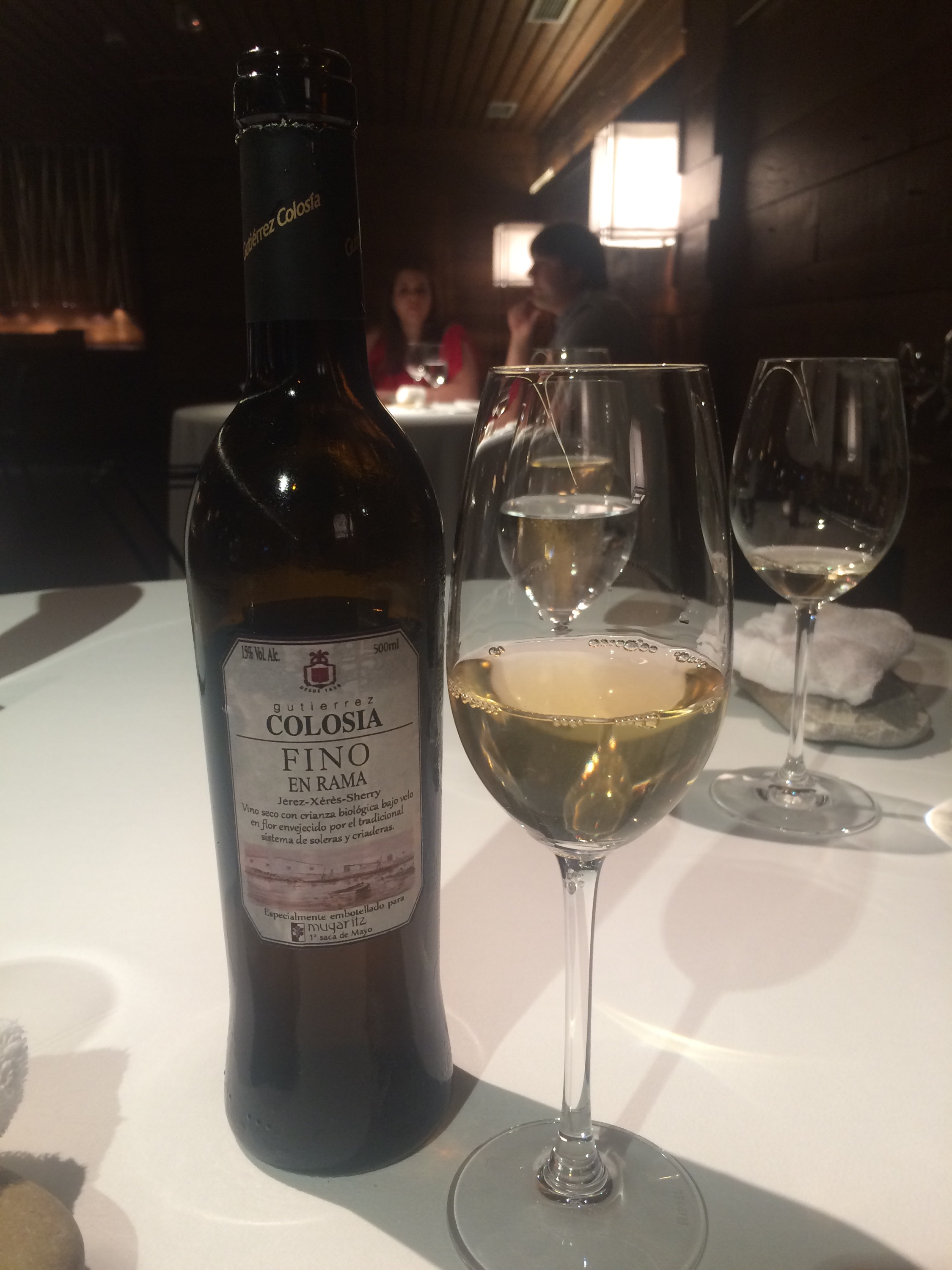
A nice rich yellow gold in colour (would have been a better picture had there been sun today) and a smooth but powerful yeasty or hay bale aroma – maybe just a little bit of olive juice and alcohol in the air too.

In terms of mouthfeel it is rich but not too oily. On the palate I don’t find it very expressive – it is a big solid, very well integrated packet of flavour and very long. The flavours are vegetable verging on fruit and to me the salinity is very harmonious. Did I mention how long it is?  I wrote those last three sentences (finger by finger on an iphone) and this one since my last sip and it is still there, hanging around.

For me, if there is anything that truly characterizes these Palma bottlings it is that they are tidy wines – well balanced and organized, and they keep their shape well. You would say they are not as flamboyant in any attribute as some wines on the market but this is quality, no doubt.

As for this Dos Palmas, it is a style of wine – an older fino – that has its detractors because it seems to fall between two stools. It is neither a fresh young fino (Una Palma) nor a caramelized, zingy amontillado (Tres Palmas). I think on the whole I would tend to agree – unless you go really old (like the incomparably massive, complex giant that is La Panesa) it is hard for these wines to have a really distinctive voice.

Having said that, there is a lot to be said for tidy elegance and there is no doubt that this wine has that bit of extra body. Must be ok because it is nearly gone already.

Monteagudo Amontillado at Taberna Verdejo

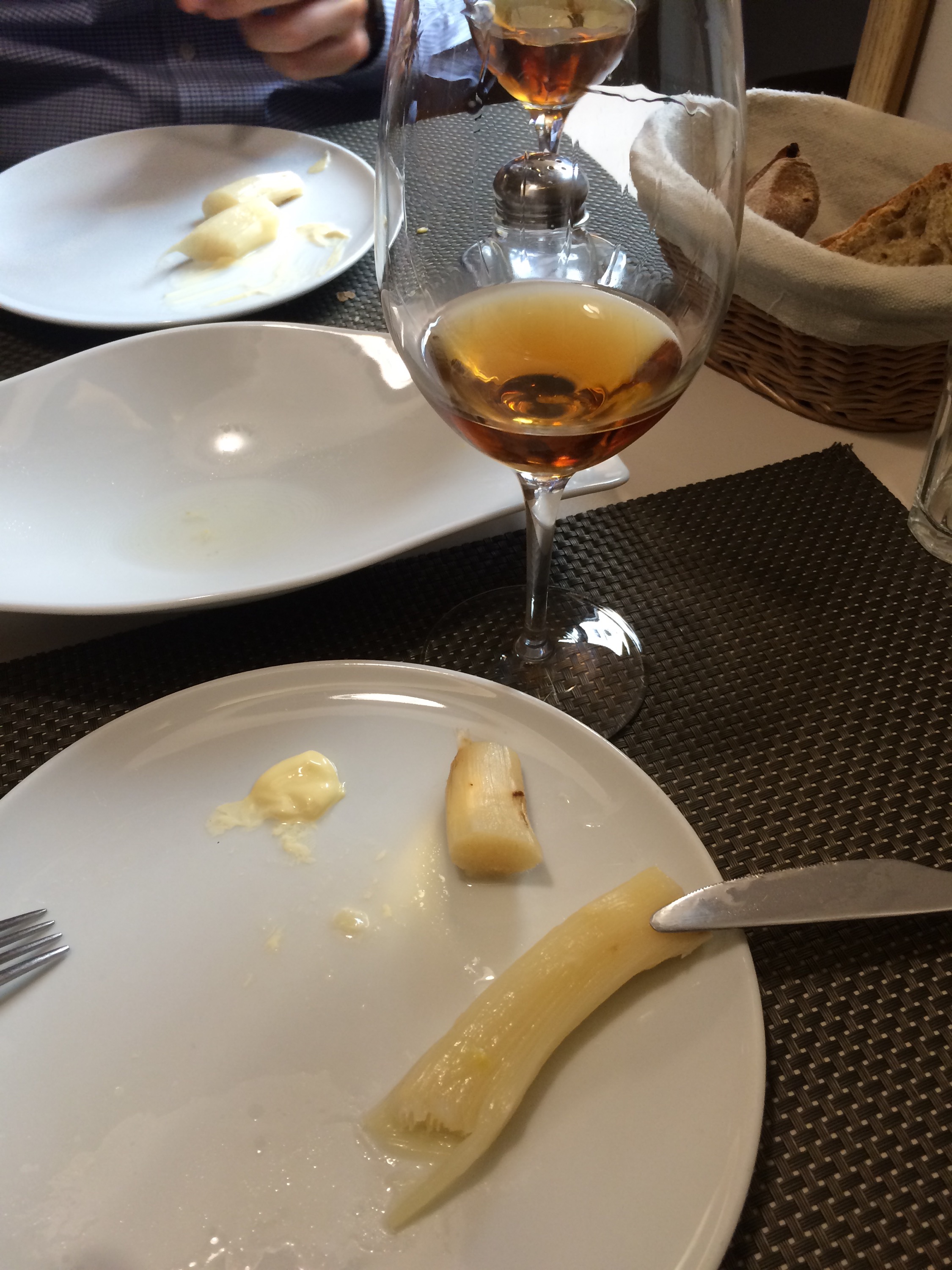
A lovely mellow amontillado Monteagudo (Delgado Zulueta) seen here with the remnants of white asparagus and smokey mayonaise with which it matched beautifully.

In fact this was only the second of three sherries of a great lunch in one of Madrid’s top sherry venues: Taberna Verdejo.

We started with a Sanchez Romate Fino Perdido and fried piparras, then this amontillado/asparagus combo, then a Gobernador Oloroso with sweetbreads with spring onions and a stew of callos, pata y morro to finish.

Lovely wines, first class food and great pairings if I say so myself. You just can’t beat an old fino with green peppers and asparagus, the amontillado was caramel mellow and could cope with both asparagus and sweetbread and the oloroso with the callos – just a sure fire winner. Curiously, these callos are less spicy and more meaty than the average and the oloroso accompanied them all the way – such a versatile wine.

As an added bonus I bumped into Antonio Barbadillo of Sacristia AB fame.

La Bota de Manzanilla 55


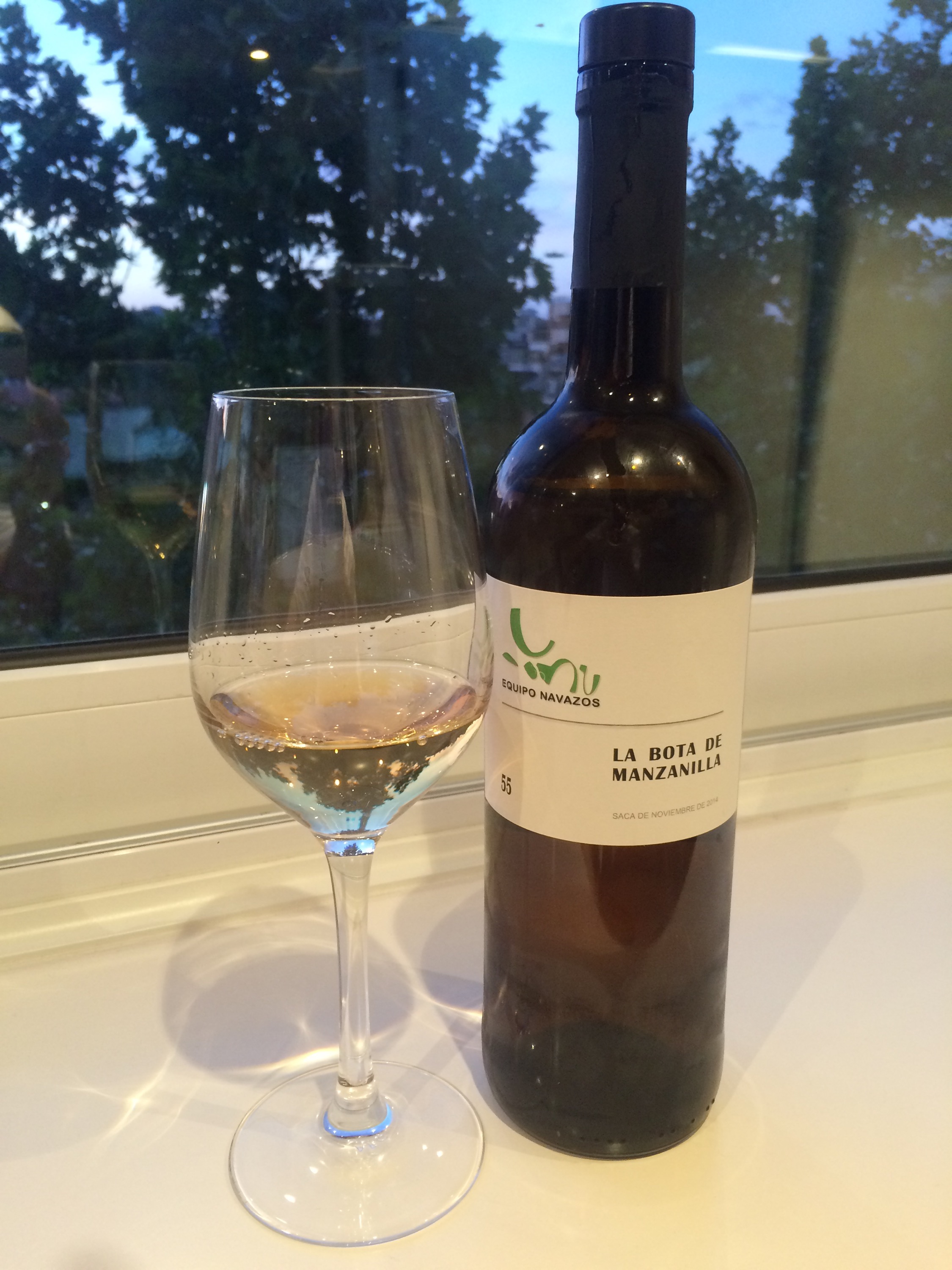
Credit where it is due, this effort from Equipo Navazos is top drawer and a great pick me up after a tough day: manzanilla Monday indeed. 

It is a pale straw colour and very fragrant (the first time I had it in fact I sniffed it out it from my host’s glass across the room) with aromas of beach grass and the drying sand of the dunes, with a bit of fruity alcohol – a calvados or something – underneath

On the palate it is silky smooth and oily, and it is fresh but full of salty, mineral and dried herb flavours. Delicious stuff. 

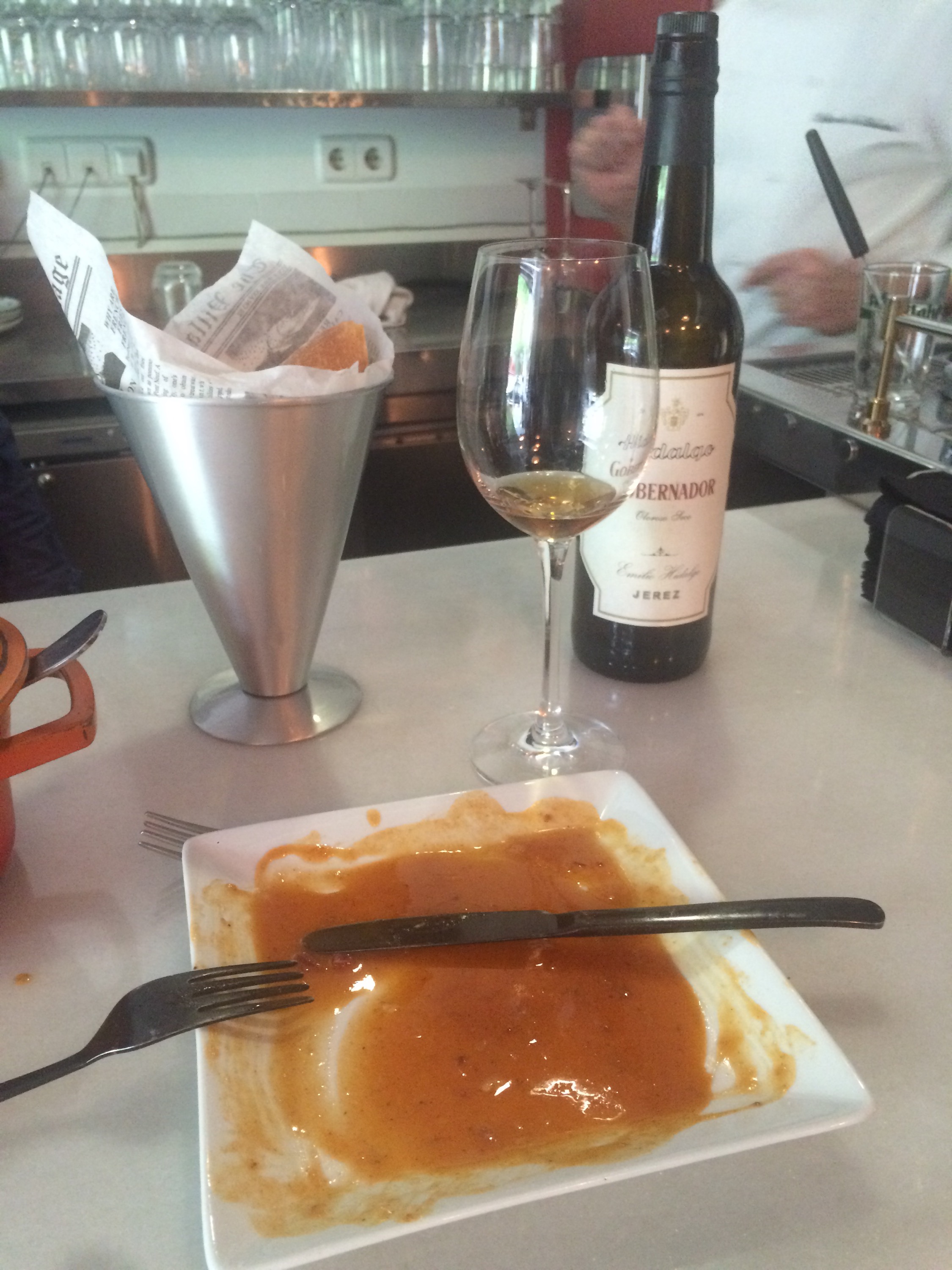
Gobernador with Callos in La Chula

Again, my blogging skills let me down – you will just have to imagine there are some callos on that plate. (In fact for non madrileños it may be worth, given the total absence of photographic evidence, clarifying that here we are talking Madrid’s typical offal stew: chunks of a cow’s stomach, cheek and feet accompanied by chorizo sausage and morcilla blood pudding, cooked very slowly with paprika, tomato, spices and garlic. The fat and gelatin of the tripe and bits and pieces combines with the other flavours to make one of the most hedonistic of stews, and the spice of the paprika lifts it onto another level.)

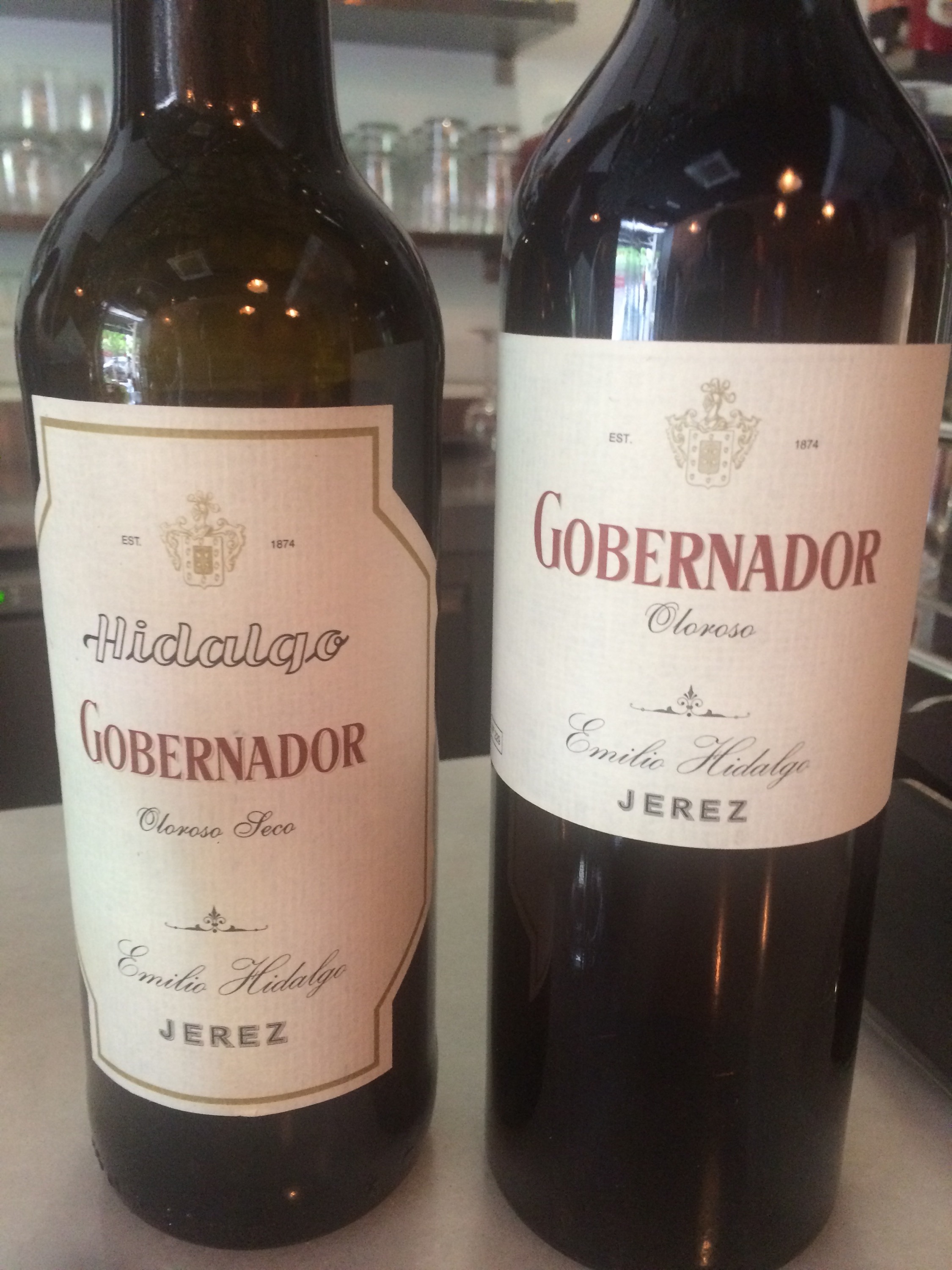
In any event, with the Gobernador oloroso they  were superb. The spicey heat of the callos and the acidic, alcohol heat of the wine seem perfect together, and the fine, dry flavours of the wine are a perfect foil to the fatty, sticky flavours of the tripe. In fact it is one of those magic pairings that seems to make both legs longer – the oloroso seems to bring out flavours of the callos and vice versa. Really great stuff which I recommend trying any time you can.


La Guita 2009, 2011, 2014

2014 on the left, 2009 on the right – just look at the colours. It is immediate on the nose, and on the palate too.

We started with the 2014 and it was light, fresh, dry, fruity, saline and refreshing – a lovely drop (15/20). Next stop was the 2009 and the oxidation was really interesting. The fruitiness had become nuttier – it had maybe lost a little of its freshness while gaining a bit of power (16/20). Last, the 2011, which unsurprisingly had gained some complexity while maintaining more of the fruit and lightness of the 2014 (16/20).

Not sure which is “better” but they really are different wines and it was an excellent experiment (made possible, it must be said, by the guys at Coalla Gourmet who somehow got their hands on the 2009 and 2011). My own favourite was the 2011 – maybe I will have to keep some en ramas after all.