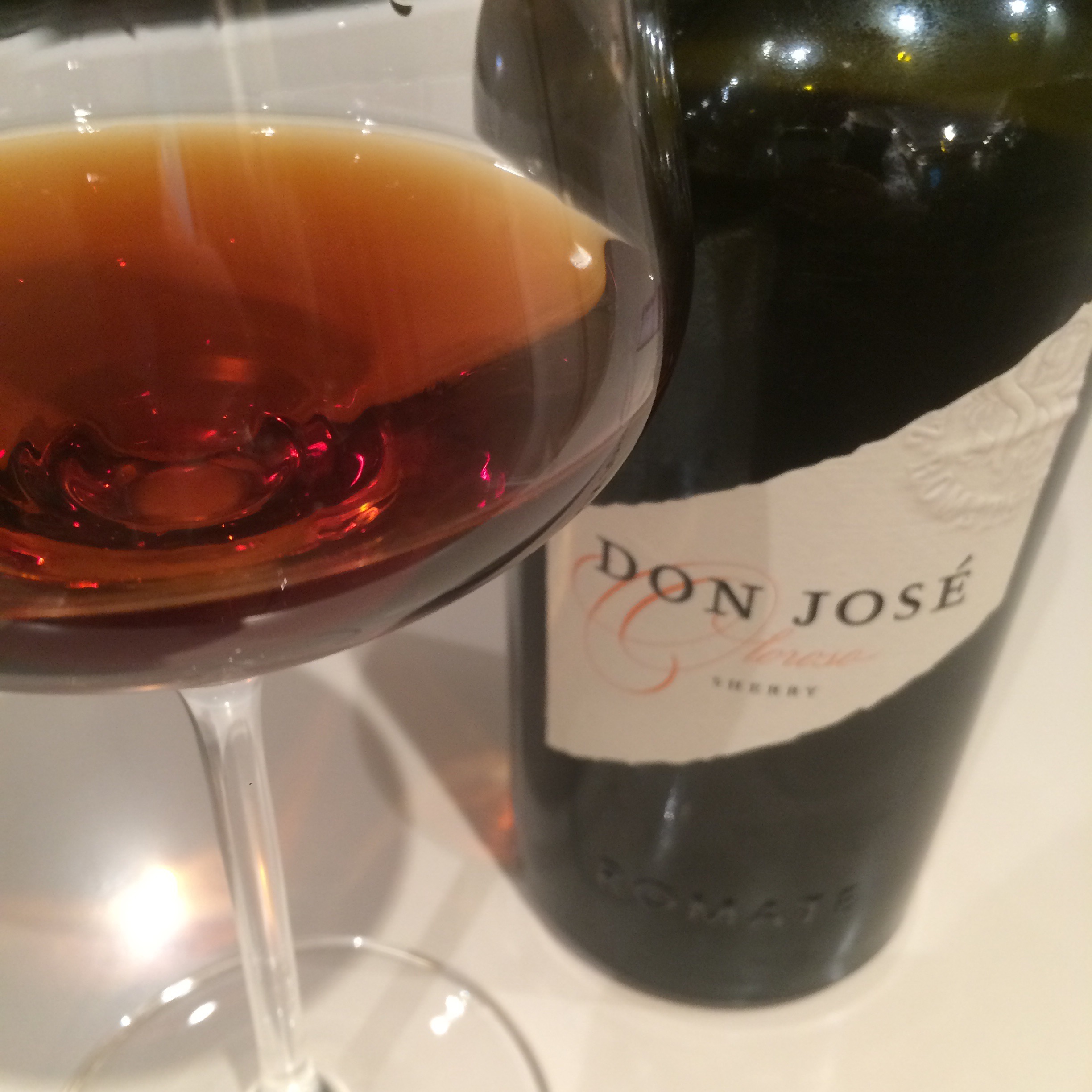
Romate Don José

  
The last of my notes on this range of wines (after the Amontillado, the Palo Cortado and the flight) this is the oloroso. Again a “reserve” with an average age of 15 years+. 

It is a deep reddish brown like a fresh conker and has a very flavourful nose of old apple sauce and caramel. On the palate it has a nice spicey astringency/acidity and flavours of  brown sugar and a long long finish of burnt christmas cake. 

I like it a lot – maybe a little astringent and not a big range to it but a really solid wine. (Funnily enough I like it more than I did when tasted against its Brethren recently – seemed to suffer by comparison.) 

Alba Confitero Metodo Ancestral 2014

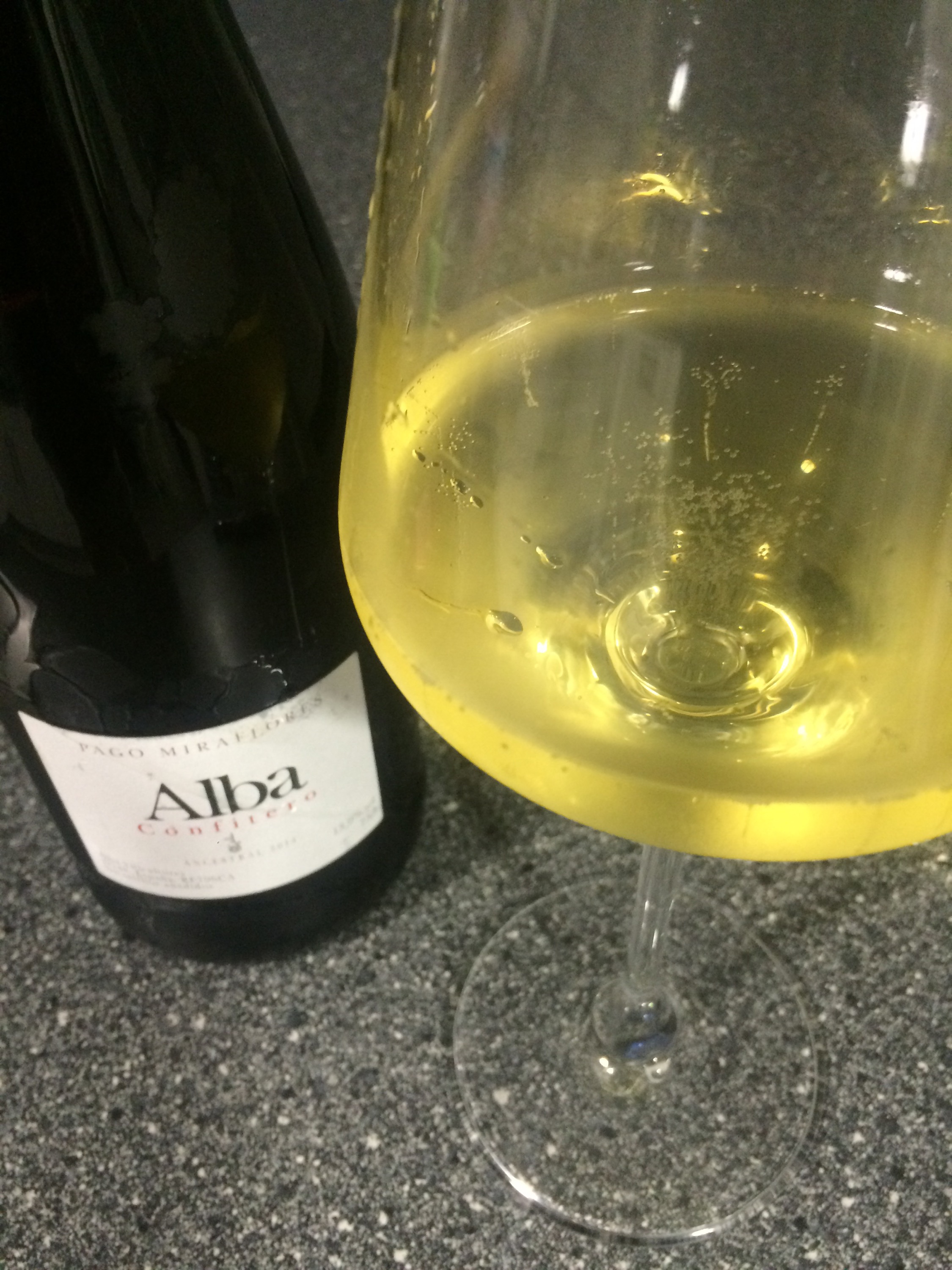
This is quite something – a 100% palomino from the “Confitero” vines in Pago Miraflores that has been made into sparkling wine by the “ancestral method” (essentially, fermentation in the bottle using its own sugars and yeast).

It is a lively gold in colour – a hint of green. A nice nose of cider apples, citrus and minerals, cheese, even.

Not the longest lasting stream of bubbles – second glass has come out foamy more than anything. (Another mini bottle rant here – this bottle came with a beer cap which made it impossible to open without losing some – not sure if these last two issues are related.)

On the palate it is dry but there are the same fruit flavours of other palomino creations – apple verging on pineapple, turning to a bitter tonic flavour at the finish.

Romate Regente palo cortado 

This is the special reserve range palo cortado from Romate in jerez, with an average age of over 15 years. 

It has that lovely chestnut colour that is typical of a palo cortado. It also has the smokey honey-ginger notes on the nose.

On the palate it is zingy, gingery, caramel but saline and spiced. Not as finely structured, long or broad as some but a very nice palo cortado. 

Fernando de Castilla Antique Fino

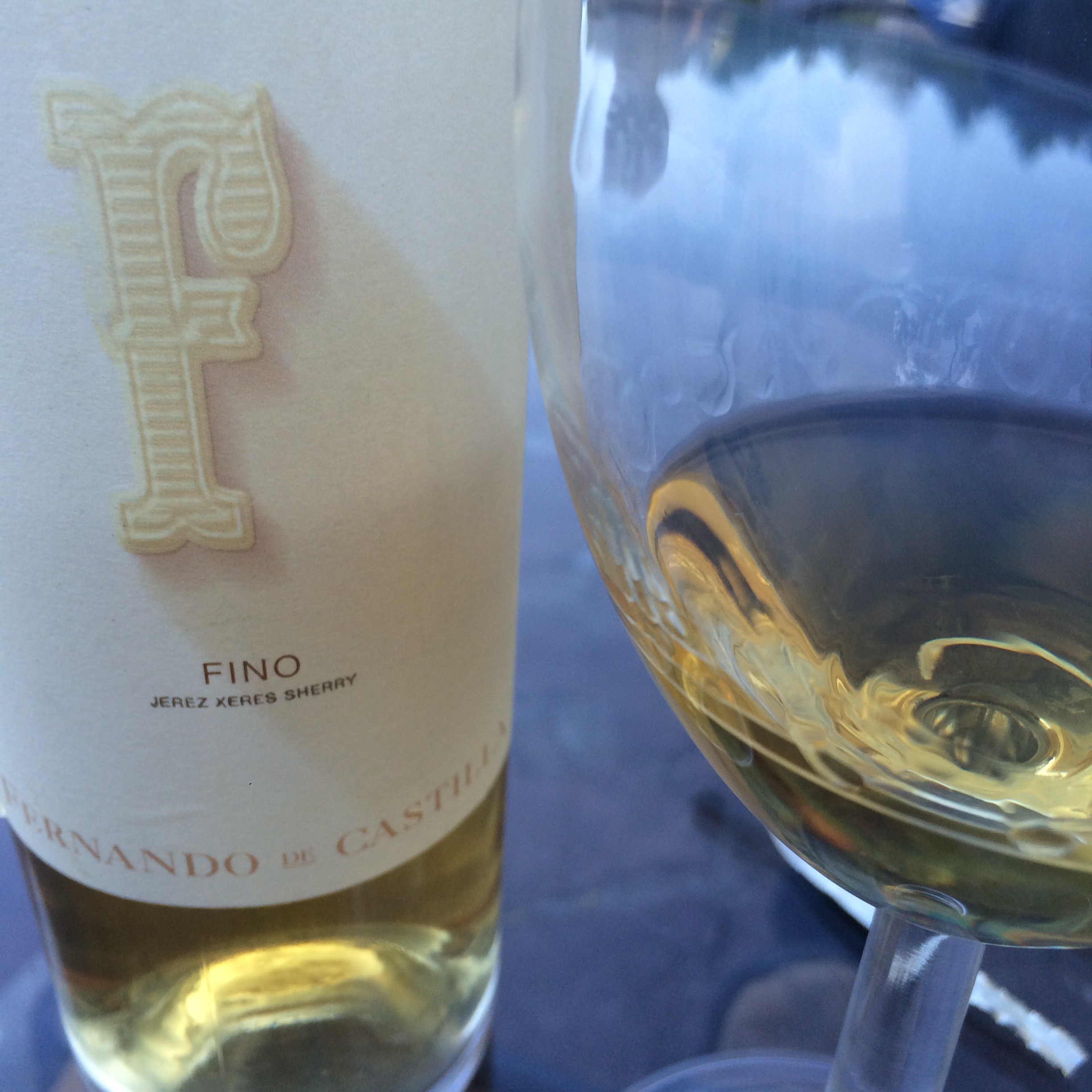
Last note on the sherries from a busy Saturday night is actually about the first wine up – a Fernando de Castilla Antique Fino that is one of my favourites.

I have to say that I was a bit surprised by this wine. In colour it was less toasted, more yellow gold than I had expected, and on the nose too there was a bit less of the cidery fruit than I associate with Fernando de Castilla. It was a much more yeasty aroma.

It showed a bit more of the fruit on the palate but again it was yeasty and slightly sour. Nicely integrated saltiness and intense in flavour, but not quite as harmonious as other times I have had this same wine.

Still, a nice bottle to kick off the evening.

Forlong Blanco 2014 

  
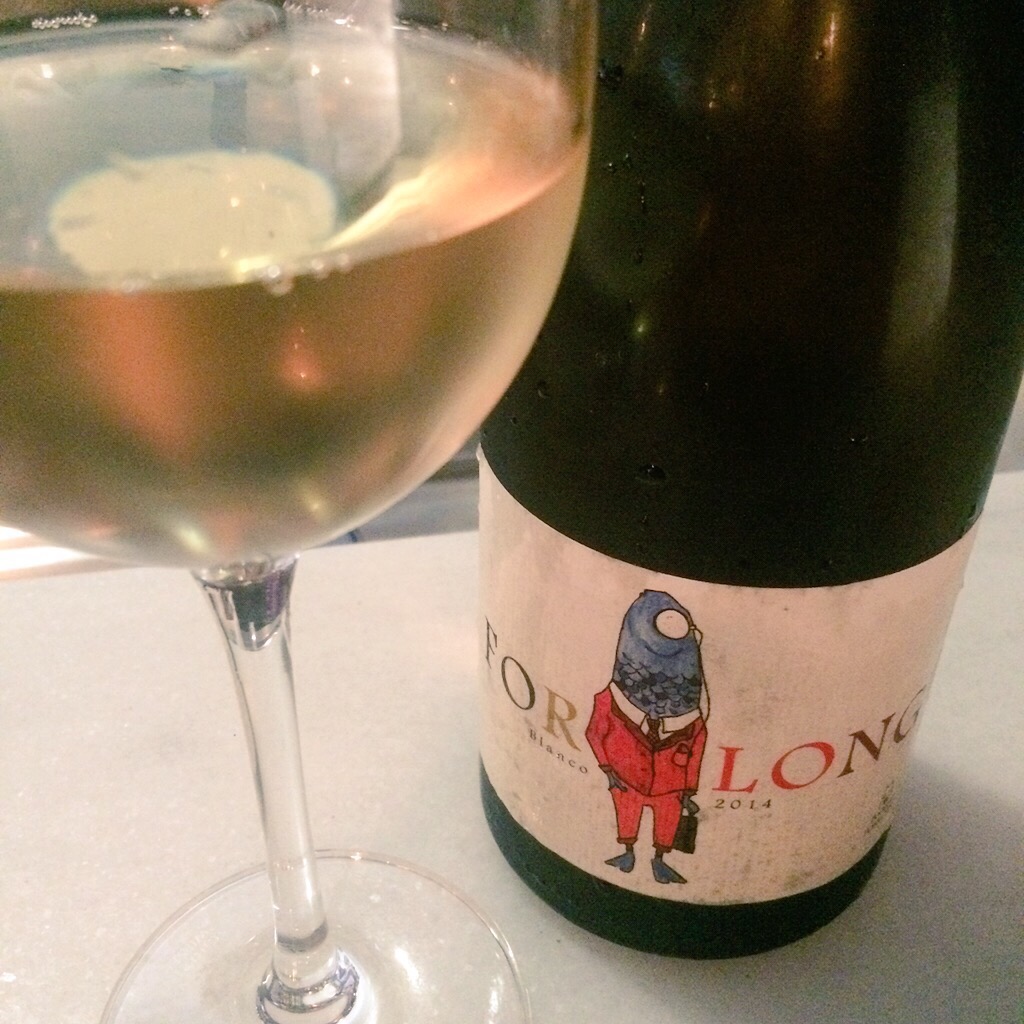
I like this I must say – a white table wine made from a blend of palomino fino and pedro ximenez in El Puerto made by some bright young things using unimpeachably ecological methods.

It is a pale goldish yellow in colour and very clear. On the nose it is fruity – a juicy apricot – and slightly mineral. On the palate too – and nicely balanced/integrated. 

A very nice drop indeed. 

Manzanilla Atalaya


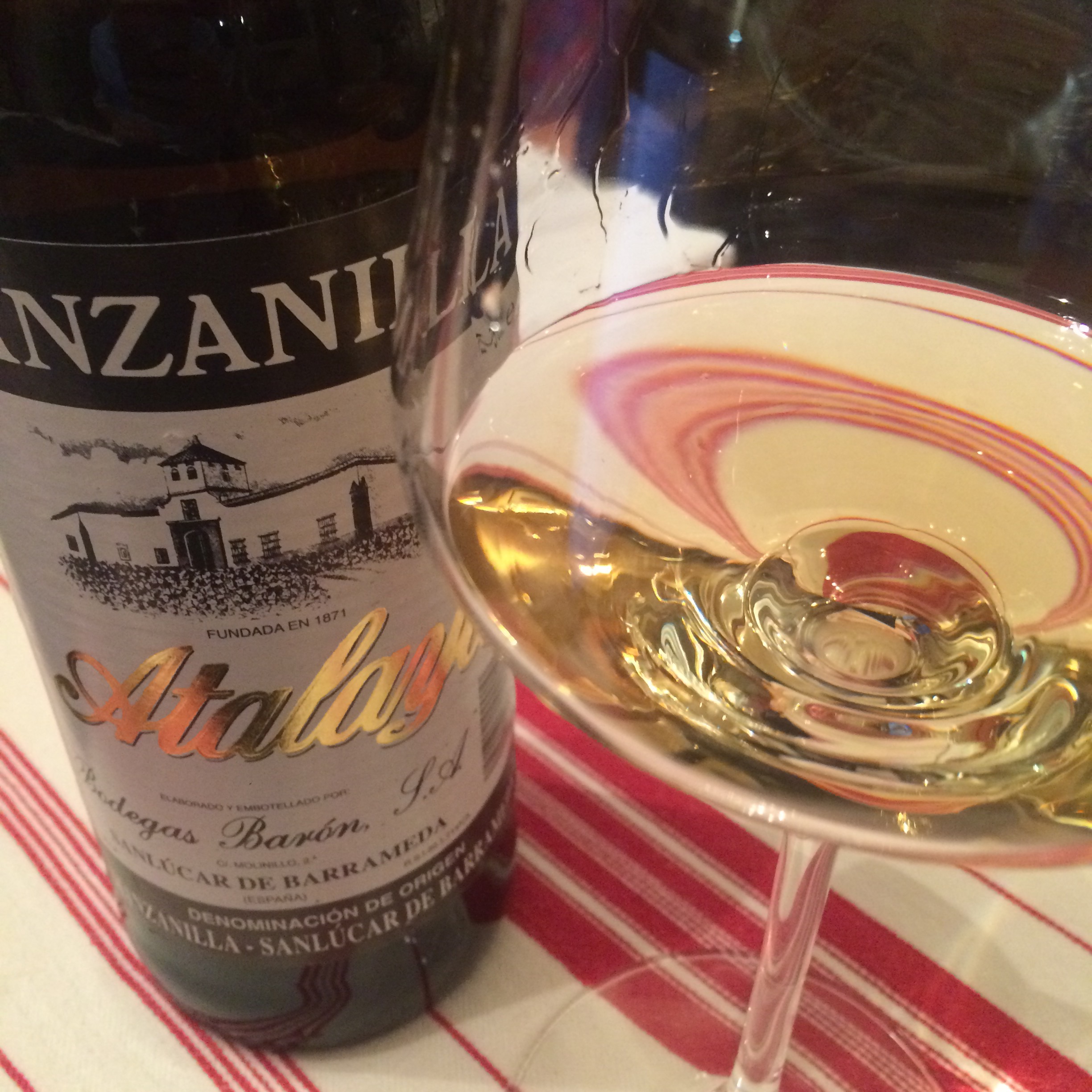
A manzanilla from Bodegas Baron – a brand that has survived the recent makeover but this one has the older label.

It has a richer colour than some manzanillas and is very herbal indeed – well beyond chamomile tea and towards spinachy weeds, even a bit of curry. Quite salty and more than anything else, it is incredibly mineral – it reminds me a bit of a Loire white (don’t ask me which) with that whiff of empty fish tank/wet gravel.

Salty on the palate too – salty and juicy. One of the bigger manzanillas and it definitely has the taste of must. When i first opened this a few days ago I thought it had been a few years too many in the bottle but maybe I was being a little harsh – there is a little bit of oxidation there but on a second drinking I am enjoying it more/finding it more harmonious.

A very nice drop in fact – very interesting nose indeed.

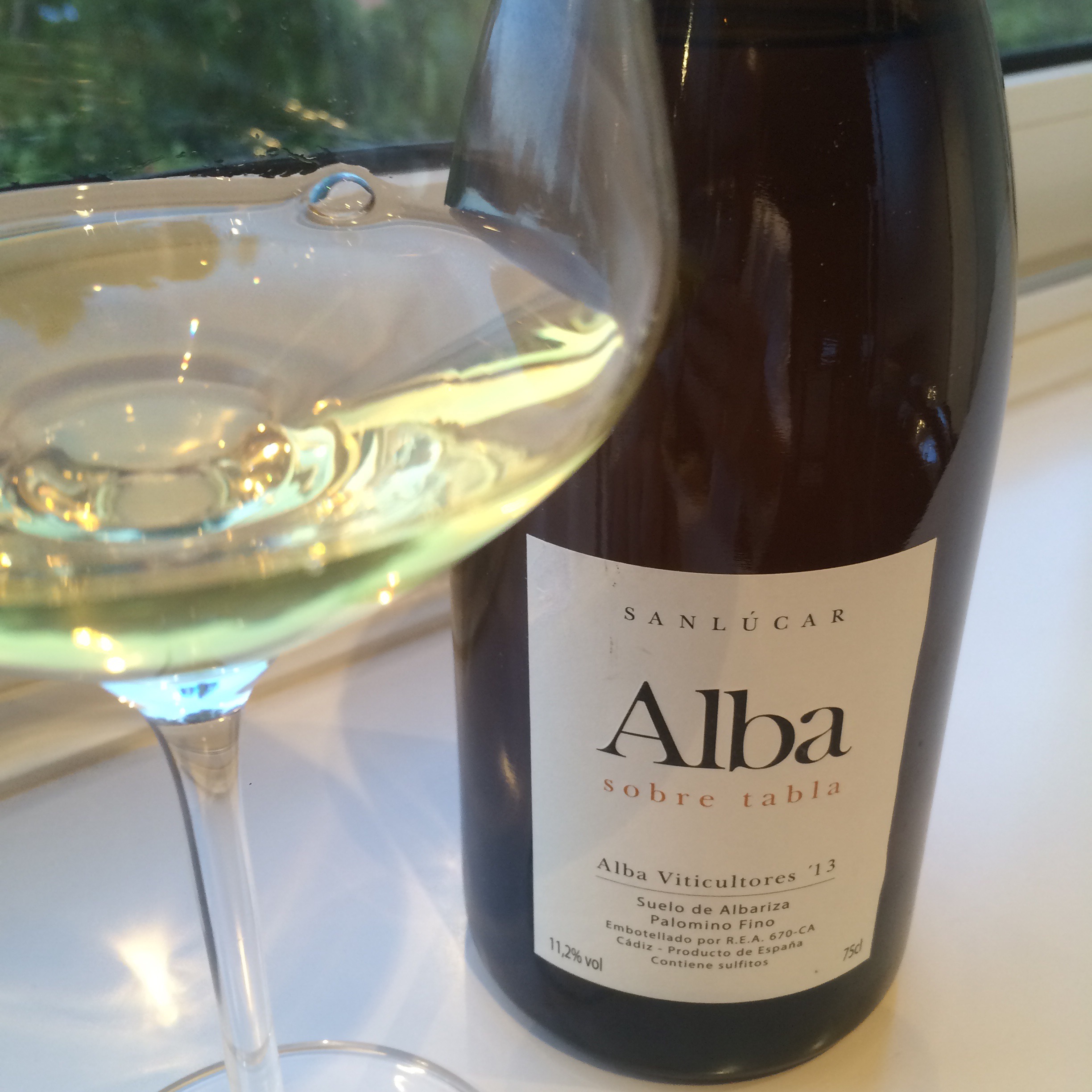
Alba Sobre Tabla 2013 – Lot I 

This is wine from palomino that I bought as a wine of the week from the discerning chaps at Coalla Gourmet.

Frankly there is a lot I could say about it if I were a proper journalist. It is made by four real live wires who probably deserve a post themselves (like this one by Paz Ivison) it is from Sanlucar, and its name refers to the “sobretablas” – the stage in the production of sherry at which the must is tried and its fate is determined (fino to the left, oloroso to the right, etc). I love comparing the way wines are labeled and here we have a pretty straightforward one, but I find it interesting that they mention on the label the “Albariza soil” which is characteristic of the sherry triangle – when you see that you wonder what they are trying to tell you about the wine. Another feature of the bottle markings is also nice – this is a wine made in two lots, and the bottles are marked “I” and “II” on the base with what appears to be albariza soil.

Anyway, I am not a real journalist so on with my drinking.

First, it is a beautiful colour – a light yellow gold – and the nose is delicious. It has aromas of juicy sweet apples but also tropical fruit like pineapple and even banana – reminds me of a very fine daiginjo sake.

On the palate it doesn’t quite live up to the awesome nose. It is softer than a lot of the palomino white wines and has that nice fruit but seems a bit undercooked/jammy/mushy almost like a natural cider from the North of Spain(nothing at all like a strumpy or anything you would get in a pub in the UK, I hasten to add). I find it a little on the gentle side acidity wise – it comes but it comes late. As a result I find it just a touch heavy.

Love the nose and real potential here just lacks a bit of structure.

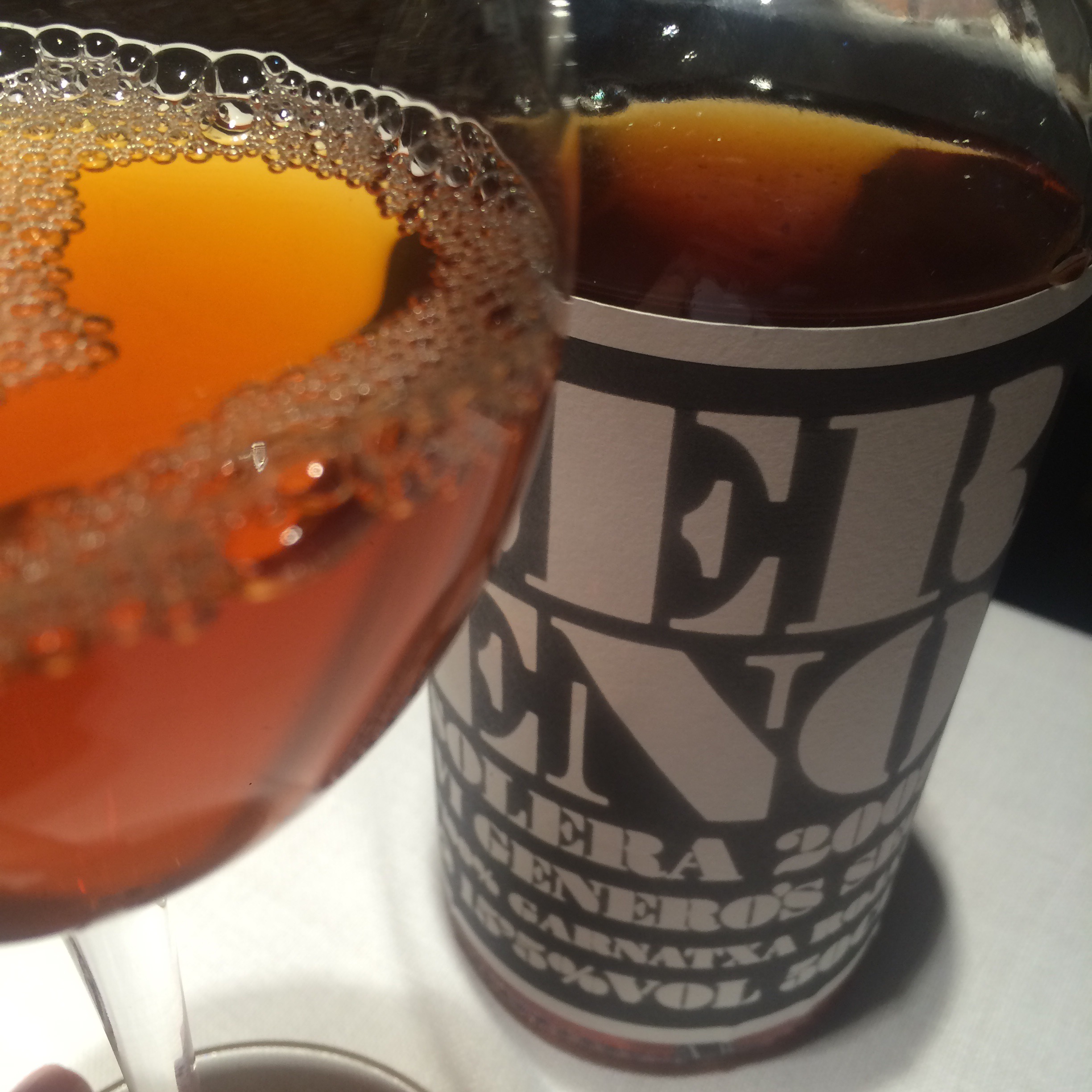
Sereno Solera 2009

  
In Alabaster at lunchtime you get a lot of things – you get top class fish (today sardines, anchovies and hake), you get stylish surroundings and great service, but most of all you get Fran and Oscar – two of the best maitres/sommelieres you could ever hope to come across.

Years ago Oscar used to give me Equipo Navazos in the low numbers before I knew what it was and I met Fran for the first time socially at Sherryfest, when we were both tasting Emilio Hidalgo: these boys reallly know their sherry. So when they suggest a fortified wine from Catalunya (Amporda, to be slightly more precise) you definitely give it a go.

This is a 2009 red garnacha “rancio” – has literally been allowed to oxidize like an oloroso (not sure for how long) and the result is very interesting. It is a red brown in colour and has a fine, red fruity nose to it – very elegant beak.  

On the palate it was dry but something that struck me was the absence of salt and iodine (it seemed less serious as a result) and the lack of volume – the sense of buttery oil and bread. The flavours of barrel and oxygen were there – caramel and treacly fruit in a pretty interesting range of flavours, and the finish was as easy as the nose – nice and light. 

Overall a very accessible sup, but while  I liked it I just don’t think it had the all around depth of character and complexity of a sherry. More interesting to me was the fine quality of it – something you would associate with a very good amontillado or palo. Are we making oloroso with the right grapes? It is an interesting (if impertinent) question. 
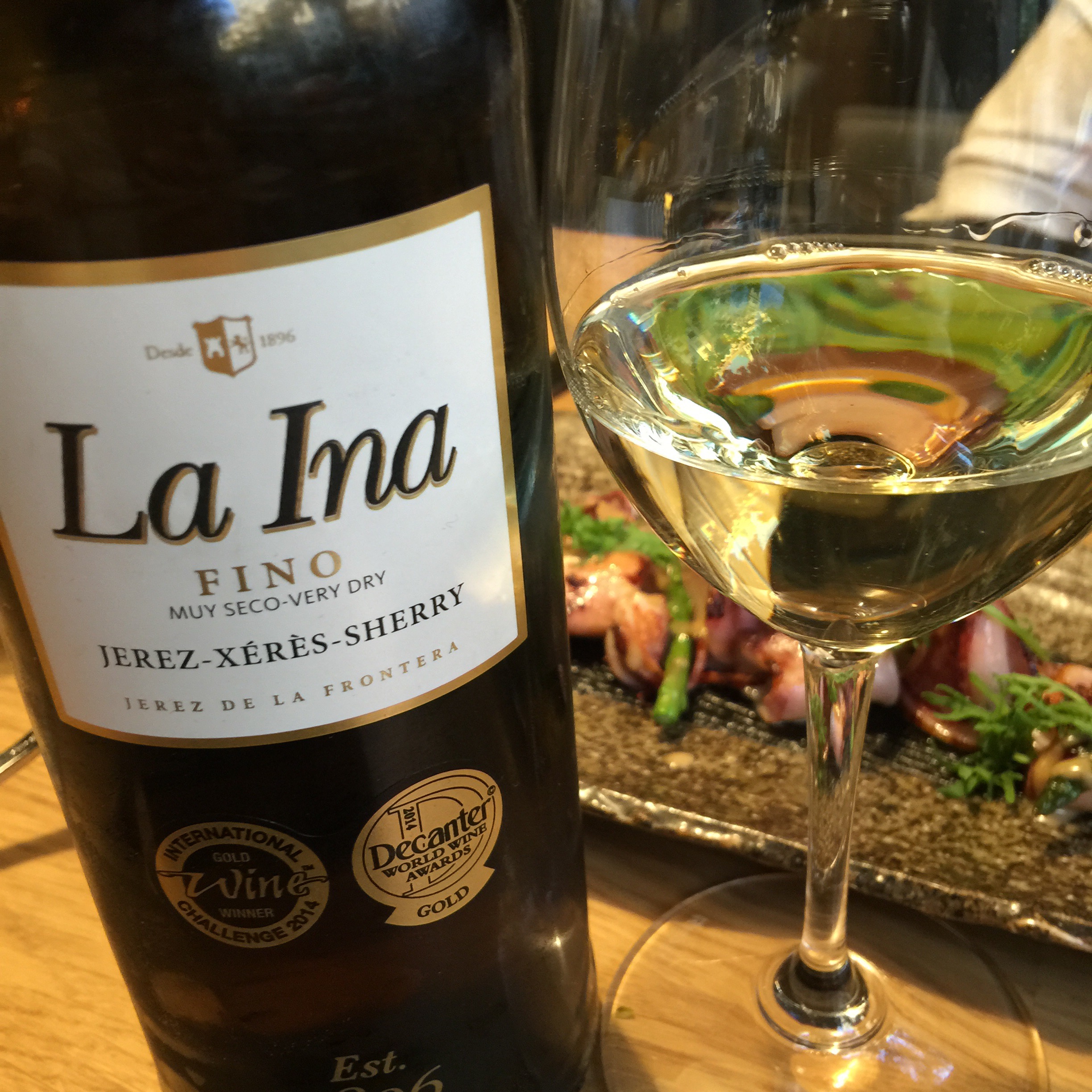
La Ina 

  
A couple of good looking medals on the front of the bottle there and this is indeed very drinkable. One of the more widely distributed finos, so I have tried to pay special attention. 

Not a remarkable colour – a clear amber – and a relatively muted nose as well, but quite a rich one, with nutty, salty and fruit aromas – you can definitely detect the mosto in the faint cider notes. 

It is also a little quiet on the palate, salty and even slightly tart at first but once you let it swirl around you start to get nutty bread and then maybe apple sauce, fading away to a dry finish. 

Very nice indeed.