Gran Barquero Oloroso

This is a highly drinkable abocado (almost dry – just a hint of sweet)  pedro ximenez oloroso by Perez Barquero of Montila Moriles.

As you can see it is a beautiful orangey chestnut in colour. On the nose it is sweet, rum and raisin icecream. Then in the mouth a lovely mellow structure of aged, roasted caramel. I really find that PX works well in an oloroso – its glycerol richness in the mouth really complements the flavours. Conversely, of the PX wines olorosos or amontillados work better, imho, than finos due to their structure – the PX just doesn’t seem able to carry off the subtleties of fino like palomino can.

If I were to criticize (and I might as well while we are here) it would be that PX oloroso’s don’t quite develop as much acidic zing as their palomino cousins from Jerez (in fact there is probably a little leas intensity in general). This wine has a nice buzz to it and is a fine accompaniment to lamb chops but might not handle a really mature steak or spicey callos.

The only other criticism is that it is absurdly easy to drink – which in a 19 proof beverage is a recipe for a hangover!

Xixarito Oloroso

I am all over these funky labels from Bodegas Baron – love it.


The wine inside is tasty too – a mellow, meaty oloroso with a lot of (dry) burnt brown sugar and not too much acidity or alcoholic heat. Maybe a little bit underpowered, if one was going to be critical, but full of black treacle flavour. Went superbly with a meaty stew. 

All in all a really enjoyable glass of wine and one of the more drinkable olorosos around. 

Gobernador with Callos in La Chula

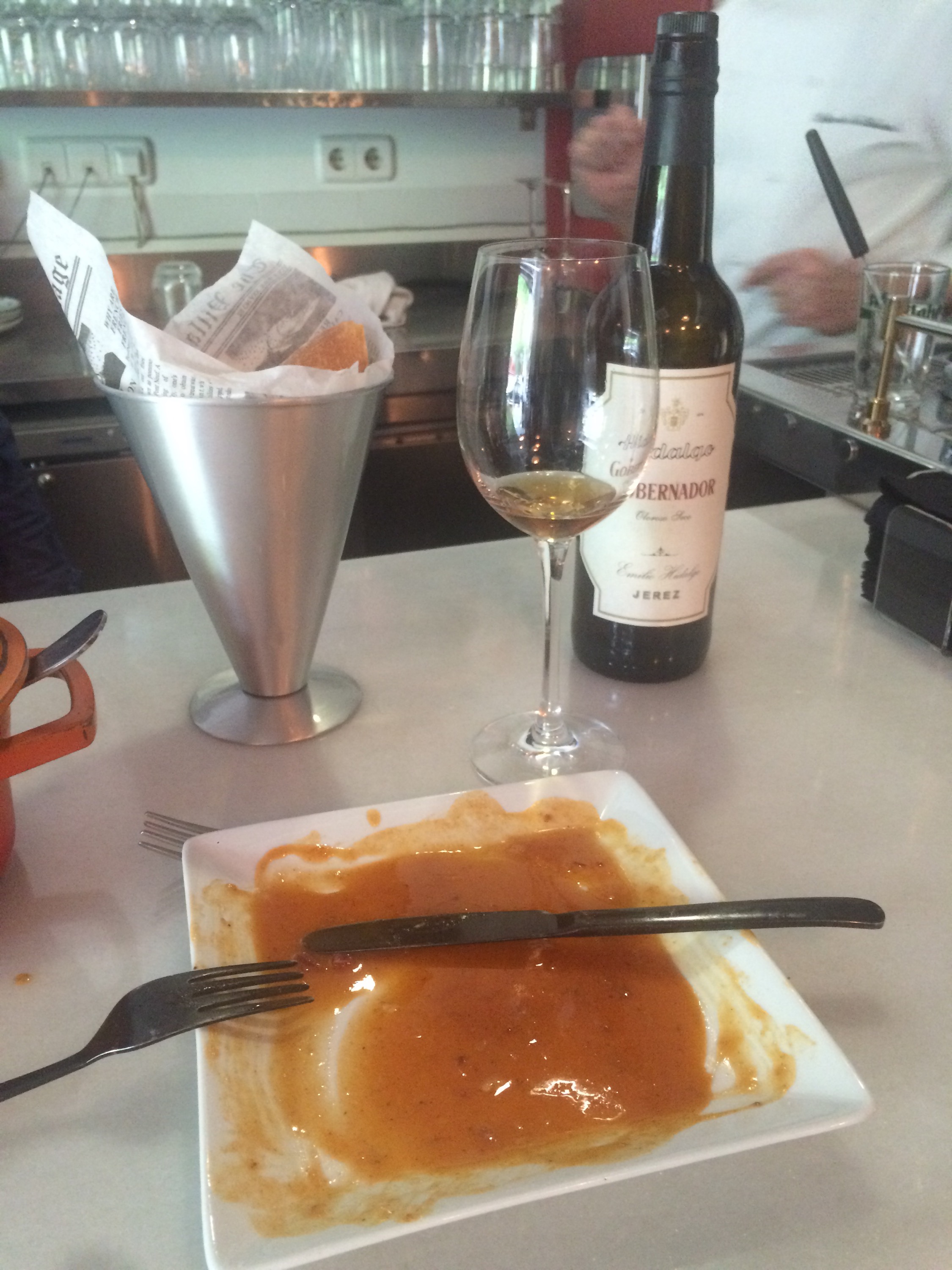
Again, my blogging skills let me down – you will just have to imagine there are some callos on that plate. (In fact for non madrileños it may be worth, given the total absence of photographic evidence, clarifying that here we are talking Madrid’s typical offal stew: chunks of a cow’s stomach, cheek and feet accompanied by chorizo sausage and morcilla blood pudding, cooked very slowly with paprika, tomato, spices and garlic. The fat and gelatin of the tripe and bits and pieces combines with the other flavours to make one of the most hedonistic of stews, and the spice of the paprika lifts it onto another level.)

In any event, with the Gobernador oloroso they  were superb. The spicey heat of the callos and the acidic, alcohol heat of the wine seem perfect together, and the fine, dry flavours of the wine are a perfect foil to the fatty, sticky flavours of the tripe. In fact it is one of those magic pairings that seems to make both legs longer – the oloroso seems to bring out flavours of the callos and vice versa. Really great stuff which I recommend trying any time you can.


Oloroso Asuncion

 
This is a 100% pedro ximenez oloroso from Montilla Moriles – specifically, from Alvear – one of the big, top class bodegas from up there. 

On the nose it is sweet and alcoholic, has a lot of the raisiny goodness you would expect from a PX and some baked (english) Christmas cake smell. There is indeed a bit of sweetness and a little bit of burn on the palate – it is a good 19% proof and probably has a touch of the sweet stuff, but the flavours are between caramel and raisins. 

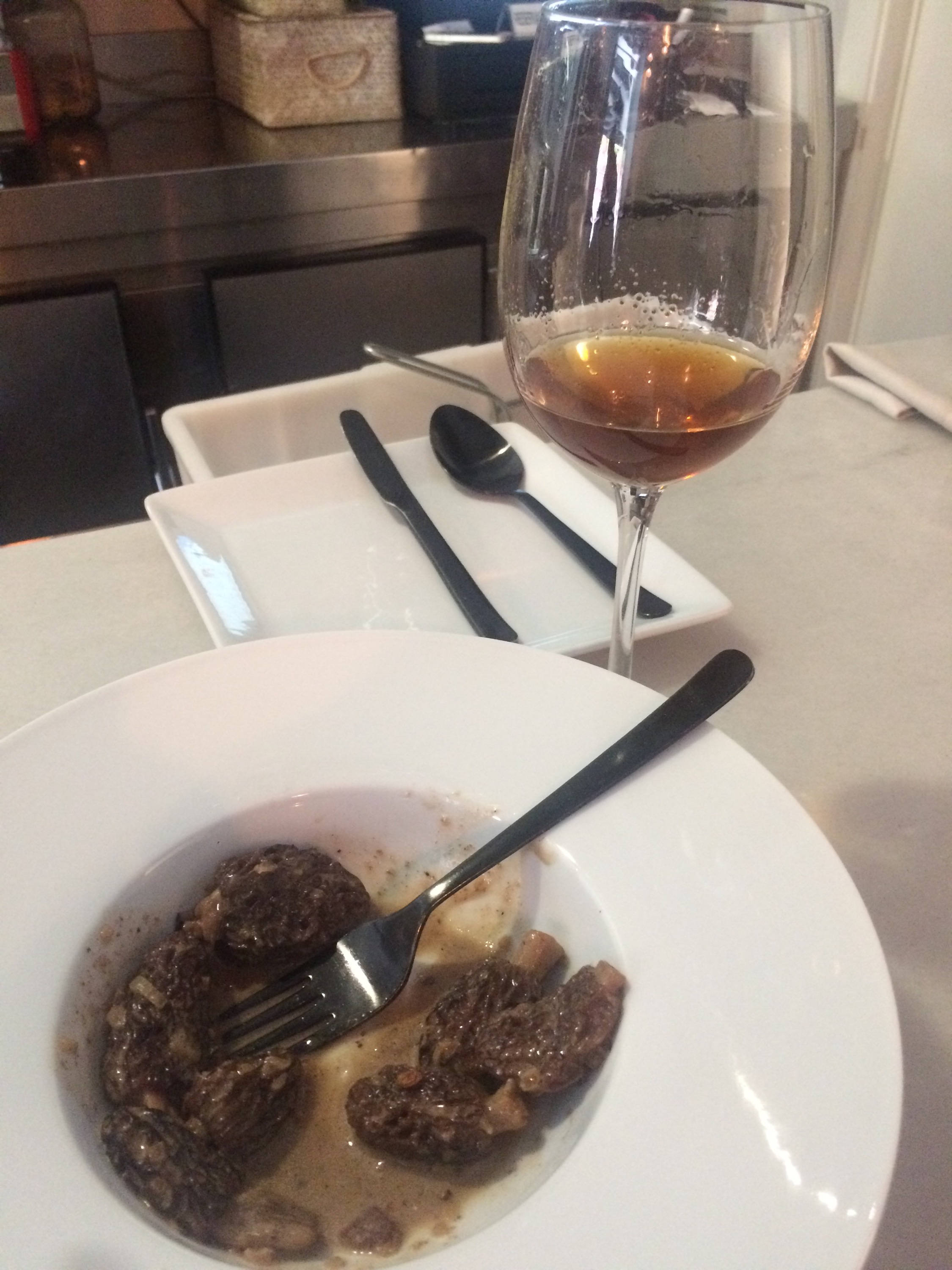
A lovely drop – here I had it with some colmenillas (morels) in a foie and port sauce (I had already piled in – sorry about that) but maybe it was a little sweet (and maybe not acidic enough). This wine would probably be perfect on its own or with a good book. 

Emilio Hidalgo Gobernador

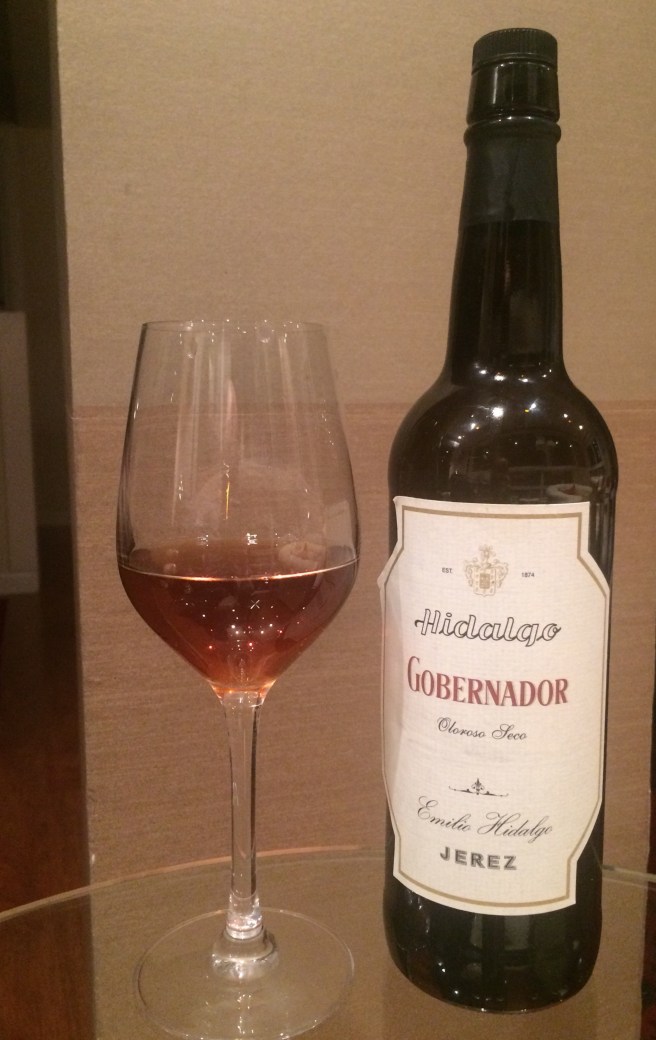
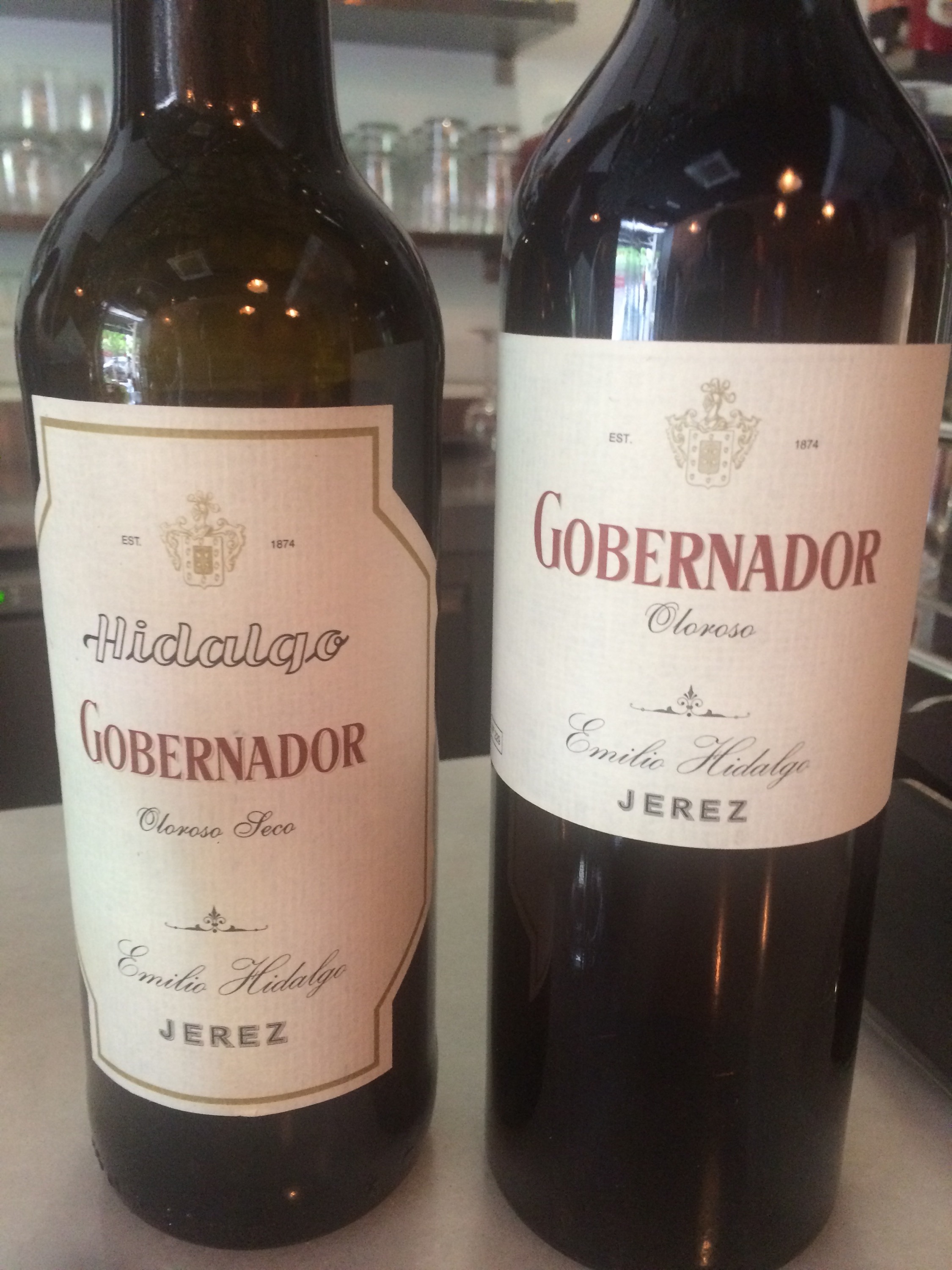
This guvnor is no mere big time charlie. It is el gobernador – the excellent dry oloroso from Emilio Hidalgo (they also make an exceptional oloroso – Villapanes – with more time in the barrel). 

 
A beautiful rich chestnut brown in colour, it has a nose of slightly burned/overtoasted almonds and is really quite overpowering when you take a sip. It is intense – these are wines you only need to sip – acidic, with a lot of strong nutty/caramel flavour and maybe a bit of alcoholic heat. It reminds me of the black treacle toffee my grandma used to make us when we were kids (except liquid and with alcohol). 

With its acidity and the caramel/nutty flavours it is an excellent accompaniment to anything savoury and it is also a ridiculously cheap wine – about ten euros most of the time. An absolute essential for any well stocked wine rack imho. 

PX 

Pedro Ximenez – the grape allegedly brought to Spain by the templar Pieter Siemens and primarily used in Montila Moriles – is the raw material for some massive, raisin intense desert wines which can repay serious study. As they age (traditionally) the residual sugar increases but so does the acidity and the barrel really helps integrate sugar, acid and alcohol producing wines that paradoxically come across as lighter  and more refined. Emilio Hidalgo’s 90 year old Santa Ana must be tasted to be believed. 

More generally there are some pretty interesting things being made with PX these days. This is a dry oloroso from Equipo Navazos which is excellent – the texture and mouthfeel of the PX really lends itself to the flavours of an oloroso. 


In fact PX is used in the full range of finos, amontillados, palo cortados and everything in between (and indeed some very dangerous brandies). They are interesting, although to my mind not all of them work as well as the oloroso: I just don’t feel you get as many flavours or as much expression in the finos and lighter oxidized wines when compared to their palomino based rivals.

Nevertheless, it is another example of the many dimensions of Jerez – a fino style wine could be a fino (palomino), a manzanilla (palomino) or a fino (px) – one of these days I should organize a lineup.