Sacristia AB Manzanilla – segunda saca 2013

It is the colour of regal old gold. Fresh open it is not as aromatic as I expected – haybales but a little muted. Also a little muted on the palate – not at all the intense herbal flavours I remember.

Not sure what to make of this. Has it tired out or merely gone to sleep? Am going to stick it back in the cabinet and try again tomorrow.

Day 2: Still the same colour (obvs). Still not very fragrant – hay bales but in the distance. On the palate it is a little livelier – not intense as such but flavourful, with yeast, saltiness and maybe a hint of cider apples.

In fact as the evening is going on it seems to be opening up more and is an elegant sup overall – not a blockbuster but nice enough.

El fino que va para amontillado vs Solear en Rama


The hay bales on the manzanilla made me wonder how they would compare to this little beauty that I have had open for a while and which, from memory, had those yeasty aromas in bags, but the comparison is more revealing than I thought.

Next to the manzanilla the fino is a little muted on the nose, but on the palate wow – the px fino is a big juicy raisin in hay bale clothing. It has that salty zing ok, but it is much less savoury, more fruity and the word is rich.

Two really high class wines, but I am a palomino boy based on this.

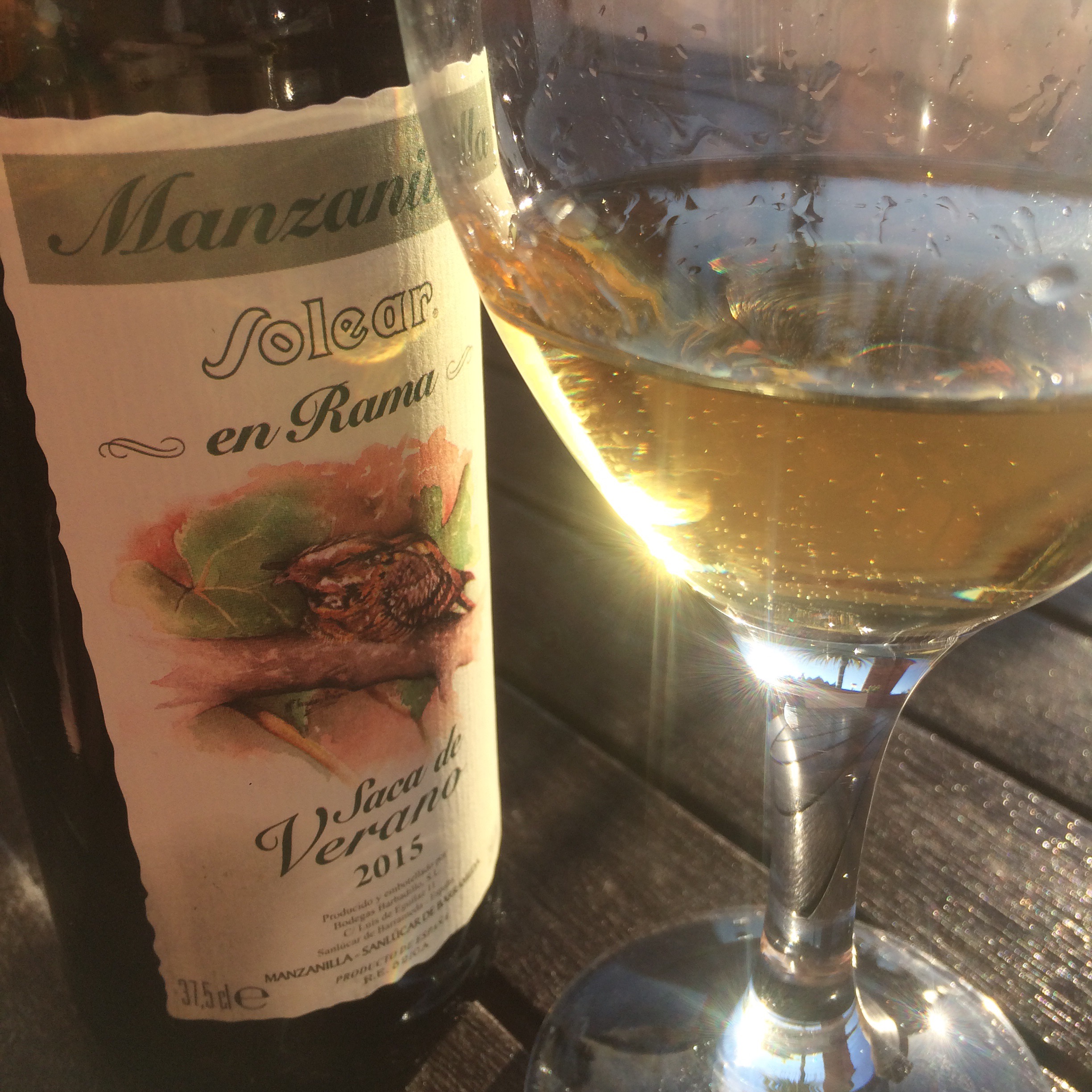
Solear en rama – Saca de Invierno 2014 

  
Nothing helps transition to the weekend better than a manzanilla, and since the winter is drawing in here in Madrid (ok, it is 20 degrees C but a bit breezy and leaves are definitely falling) this winter edition feels appropriate.

It certainly hits the spot. A beautiful gold in colour it is hay bales and herbal tea on the nose, and then salty, intense and juicy – a real mouthfull of savoury fruit/sweet roast veg. 

Love it. 

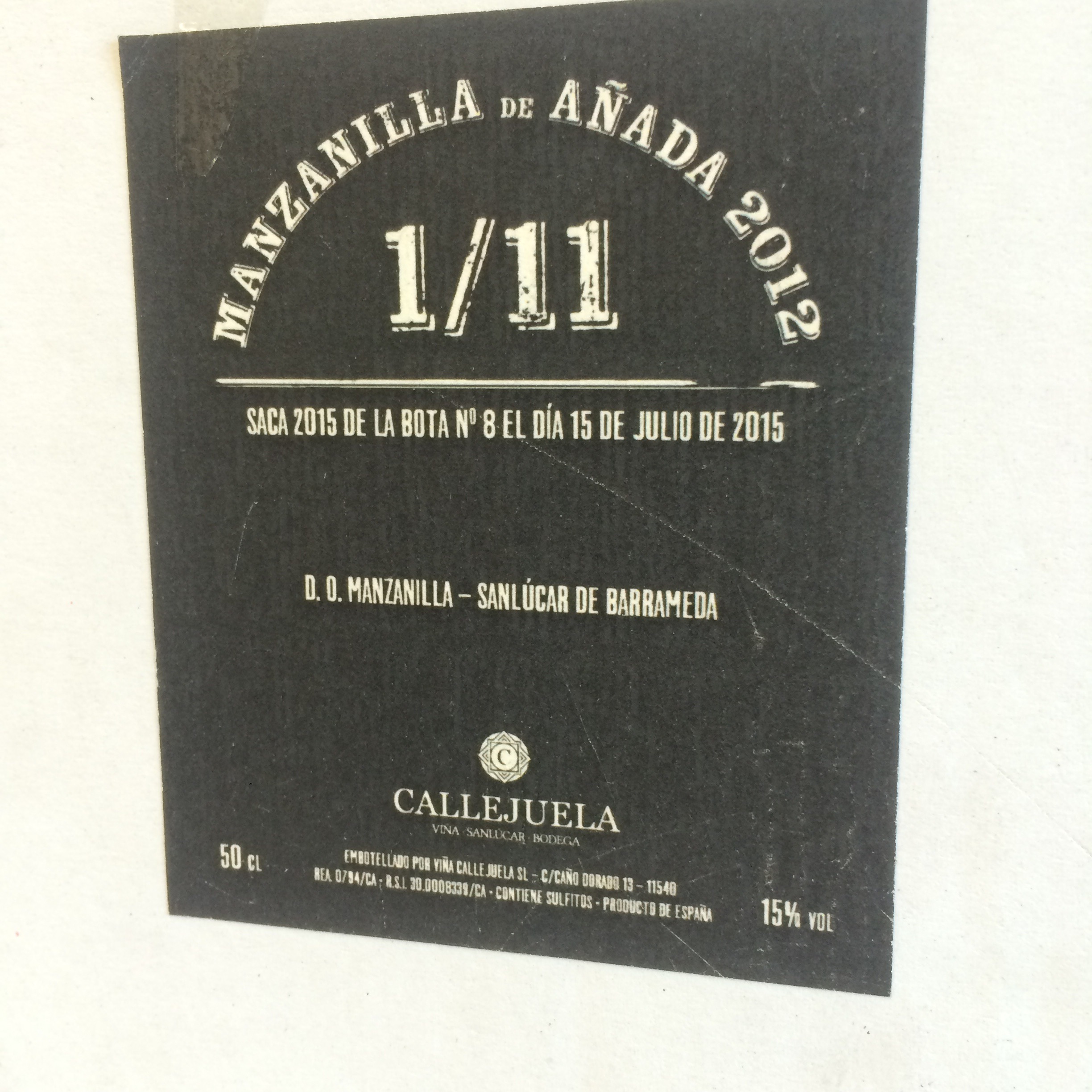
Manzanilla de añada Callejuela 2012 – 1/11

So here we go – a wine I have been looking forward to tasting for weeks and one of the most exciting projects in sherrydom, as I wrote back when it first arrived. (I am going to try and be objective but I will be honest and admit that I just want this project and the guys behind it – including the Cuatrogatos Wineclub – to succeed for a lot of reasons.)

First impression – the colour. It is a solid looking, relatively dark gold (the clear bottle can play tricks on your mind and make you expect something slighly paler) and doesn’t seem to shine like an older wine can (this has, after all, been “only” three years under flor). Maybe a slight hint of green – maybe not.

The nose is a cracking mix of fruit and yeast – smells like fresh herbs, green tea (or even that german appley type tea) and apple/cider. Again, having read all about the old vines, the exceptional harvest and select fruit it is hard not to want to smell fruit here, but in the presence what seems more remarkable is how rounded and mellow the nose is: none of the piercing quality of some mostos/younger wines.

On the palate, it is big and voluminous in texture and, even in this day and age where one is accustomed to a 6 or an 8 year old manzanilla en rama, it has a great saline zingyness to it. It is compact and integrated and the fruit and fresh herbs are there in quantity: what it might lack in contours and definition it makes up for in flavour, and there is no sourness or bitterness in the finish.

Not the most elegant manzanilla (how could it be on such short notice?) but as fresh and full flavoured as it is fascinating. An excellent first instalment and I am really excited to see what this project will achieve.

Callejuela Manzanilla de Añada 2012 1/11


It is no exaggeration to say that I am very excited about this parcel that just arrived courtesy of the Cuatrogatos wine club.

The wine comes from old vines on a pago called “El Hornillo” and the 2012 vintage was of historic quality. Due to the extremely high quality of the wine/must a decision was taken not to include it in the criaderas of the bodega. Instead, Ramiro Ibañez (he of the Encrucijado, referred to in past posts) decided these 11 butts were good enough to be bottled as vintage manzanillas.

The 11 butts have been set aside and are being “statically aged” – ie under flor but not in a solera. There is no mixing, even between these 11 butts.  Each year Ramiro will select one of the butts for bottling:  for this reason, this bottling is Butt 1/11 of 2012 and is expected to have a markedly biological character. However, the character of the successive releases (each one 800 bottles or less – with purchasers of the previous year’s vintage having a preferential right to future bottlings) will clearly be different, and it is likely that there will be more oxidation (although time will tell). The last butt will be bottled, if all goes well, in 2025.

This wine has just arrived and deserves a rest after its long journey. What is more, I have a cold, and cannot possibly do it justice right now. I will, however, report further, and probably at some length.

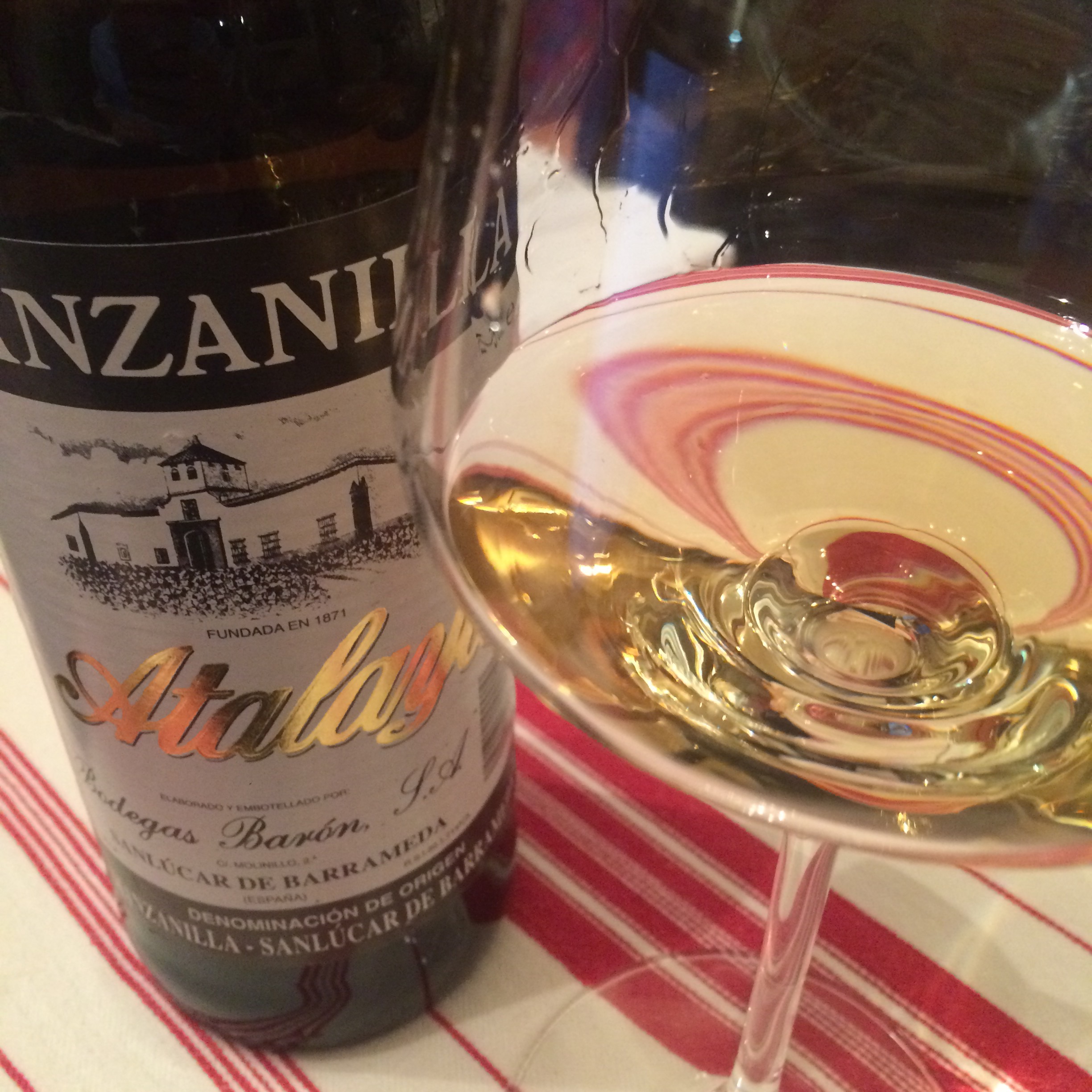
Manzanilla Atalaya


A manzanilla from Bodegas Baron – a brand that has survived the recent makeover but this one has the older label.

It has a richer colour than some manzanillas and is very herbal indeed – well beyond chamomile tea and towards spinachy weeds, even a bit of curry. Quite salty and more than anything else, it is incredibly mineral – it reminds me a bit of a Loire white (don’t ask me which) with that whiff of empty fish tank/wet gravel.

Salty on the palate too – salty and juicy. One of the bigger manzanillas and it definitely has the taste of must. When i first opened this a few days ago I thought it had been a few years too many in the bottle but maybe I was being a little harsh – there is a little bit of oxidation there but on a second drinking I am enjoying it more/finding it more harmonious.

A very nice drop in fact – very interesting nose indeed.

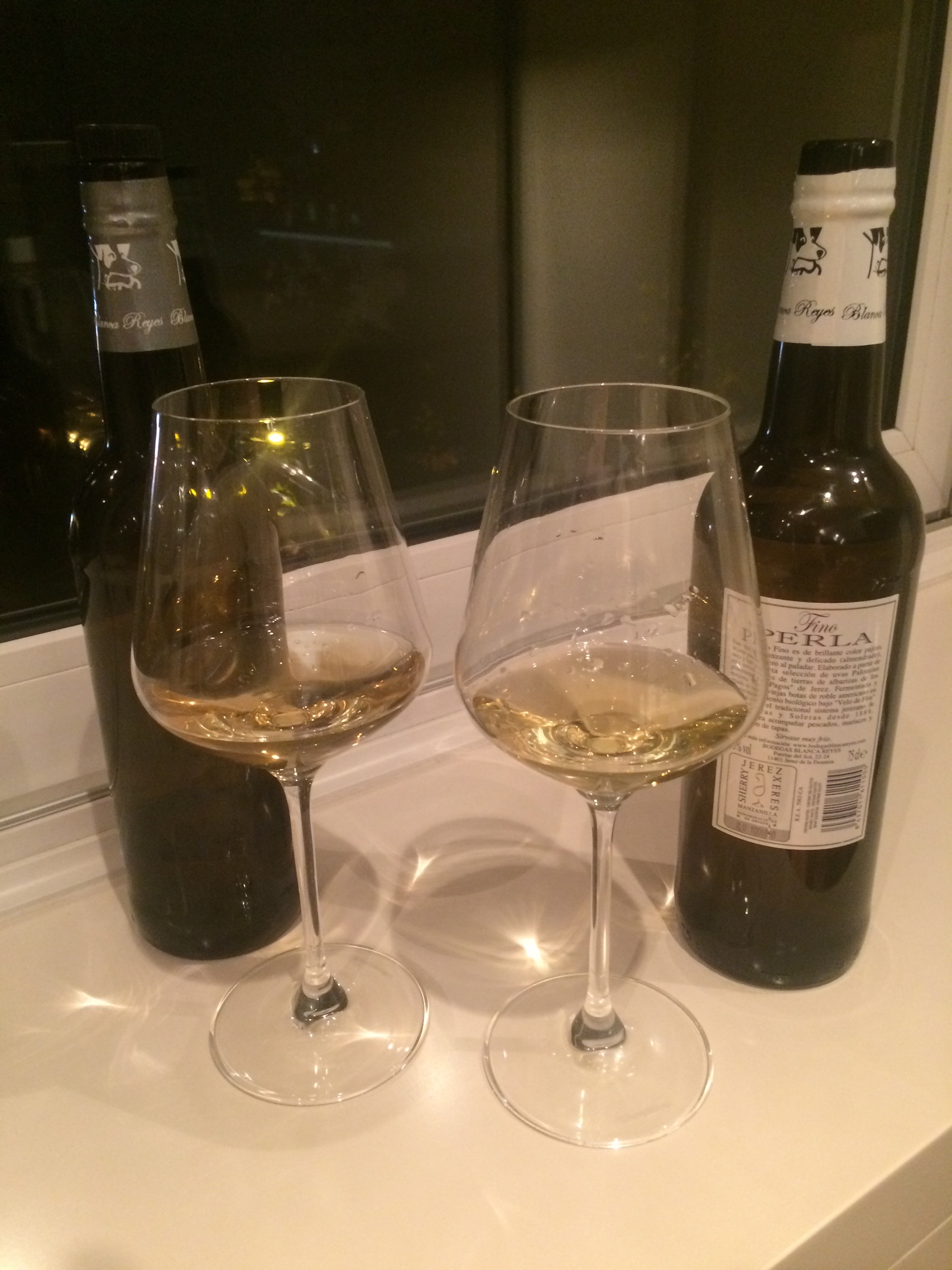
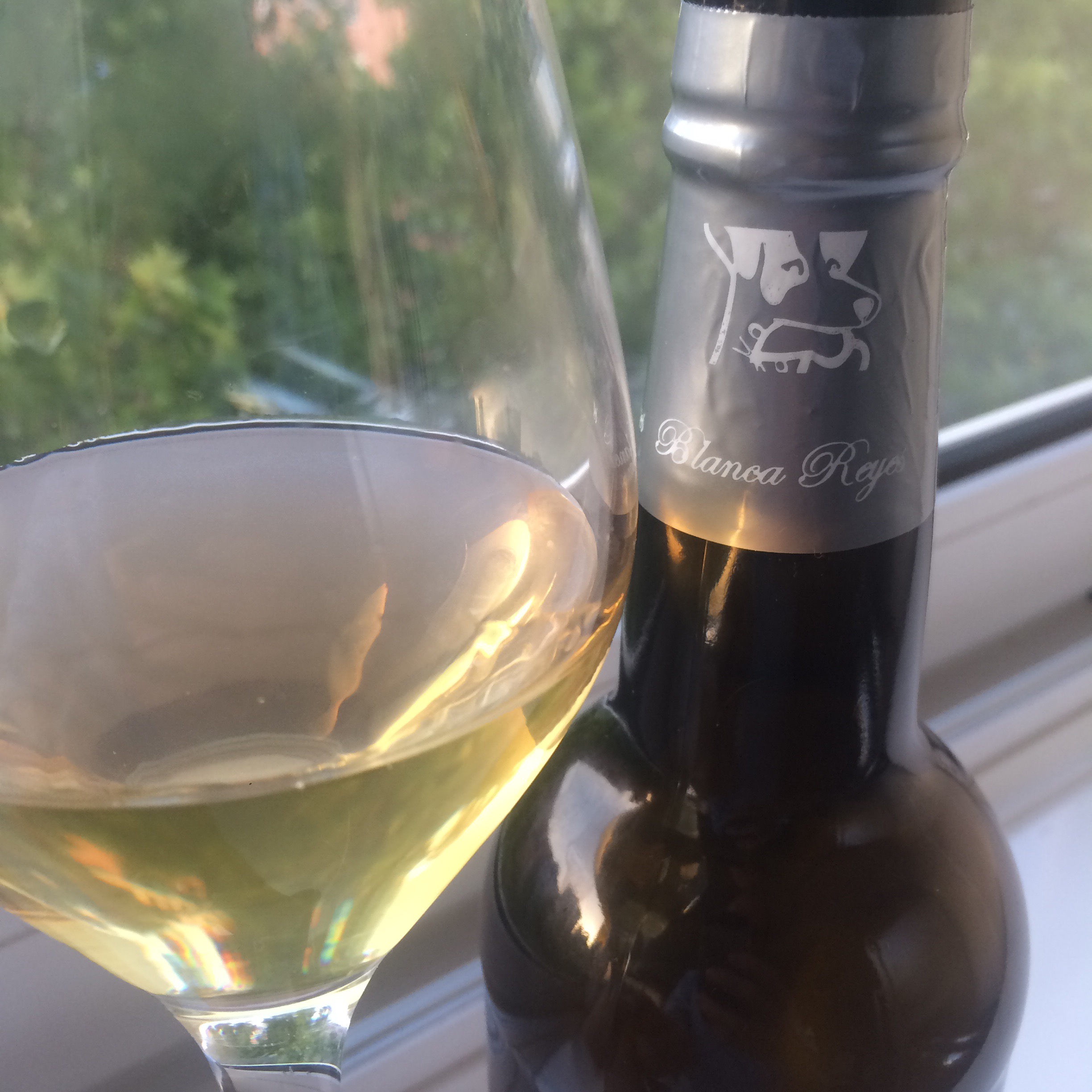
Blanca Reyes manzanilla or fino?

  
It had to be done – was about to polish off the manzanilla when I realized I had a bottle of the fino lurking.

Amazing difference in aroma – the fino is all yeast, hay bales, and wood shavings, and by comparison the manzanilla smells as sweet as pineapple juice. The colours too are a good two shades apart – although the manzanilla has been open a couple pf weeks.

On the palate the differences are not as pronounced – the manzanilla is a touch softer and less buttery, maybe not quite as dry. 

Really interesting experiment – hard to choose between these two but I think I would go fino – seems a bit more robust. 

Blanca Reyes manzanilla en rama – again

  
Manzanilla Monday in full effect here with this bottle of juicy, full flavoured manzanilla en rama. This has been open a couple of weeks and if I were to criticize it has maybe gone slightly sour in the nose  – but it is still big and aromatic, with juicy, yeasty flavours and a long finish. 

Really good – would probably advise drinking this fresh open, but it is big enough to handle being open a while.