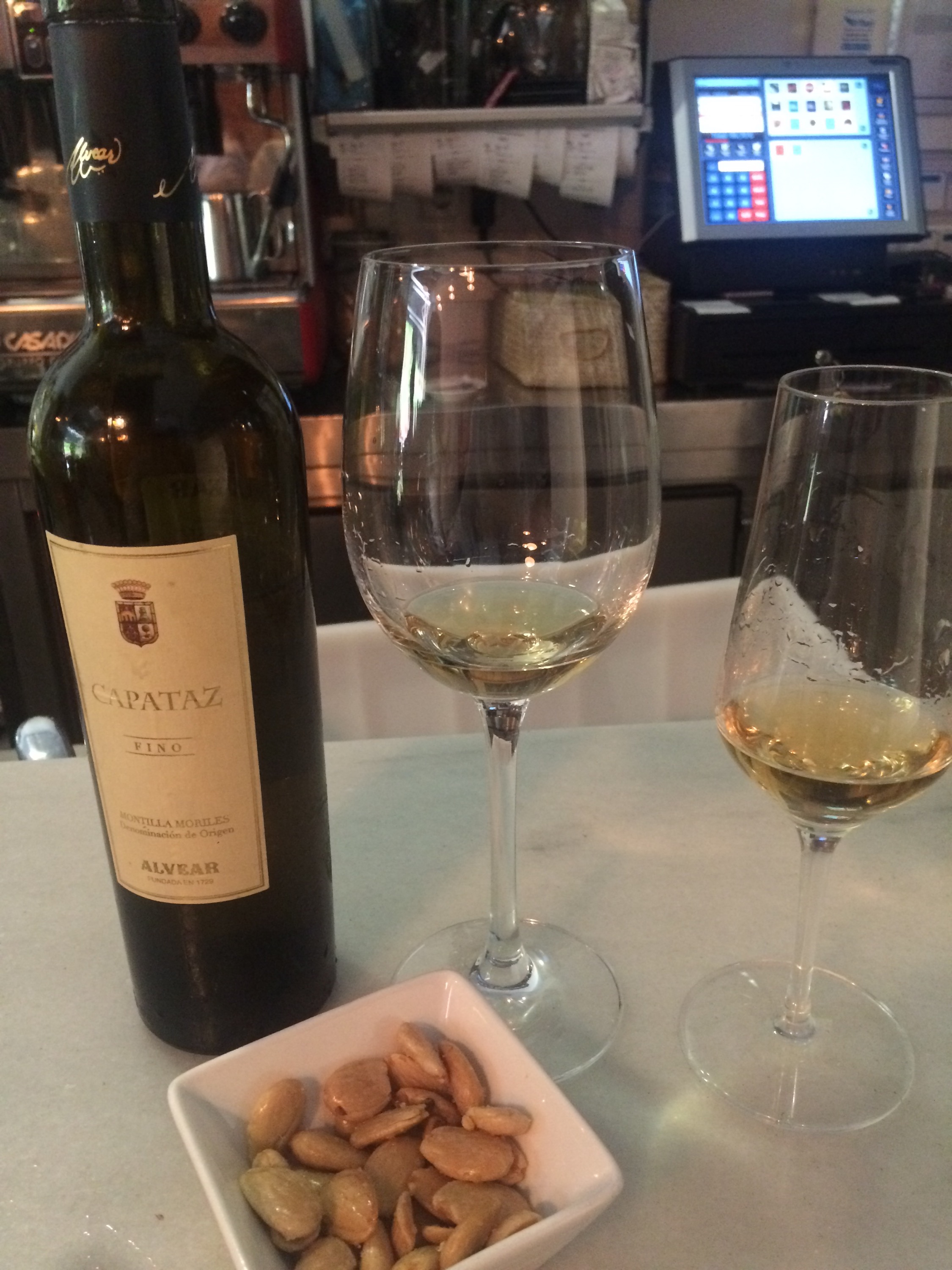
Fino Capataz: awesome with steak tartare


Loving this capataz fino – so nutty. Not a great combination with these garlicy grilled razorclams but good enough.

With the steak tartare (with chopped hazelnuts) though the combination is remarkable – the sherry spices up the palate and makes the tartare seem much livelier in every sense. It makes it spicier and brings out a lot of flavours – the tartare seems saltier, nuttier, meatier, and you really notice the savoury spring onion. On top of all that enhancement, you also get a mushroom/truffle flavour from the combination.

Interestingly you also get more alcohol from the fino – almost as if it loses its other flavours to the meat. A really superb pairing though. To try the original get down to La Chula.
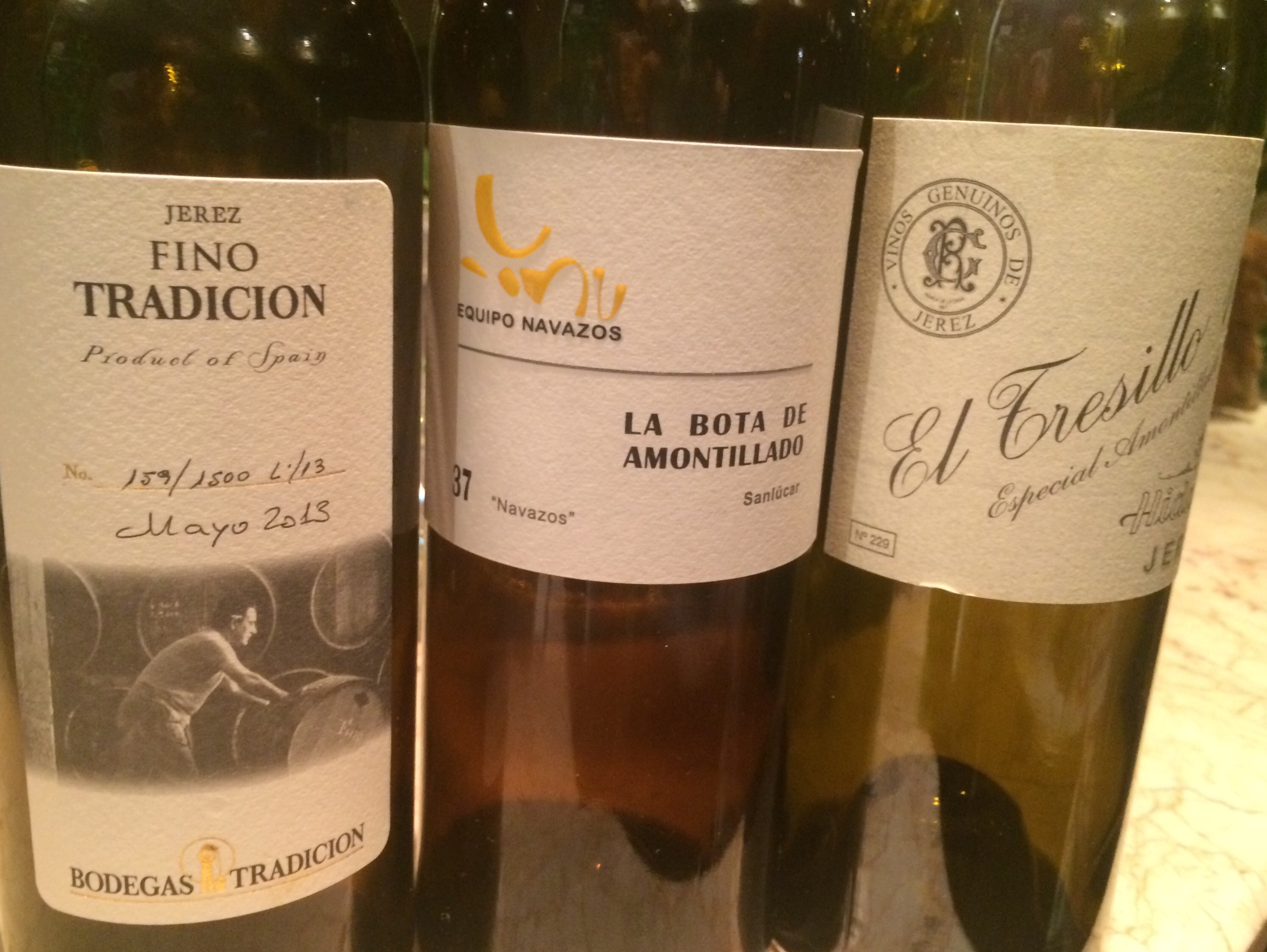
Three amigos

  
This could be a poster for Jerez 2.0 – the two new kids on the block and Emilio Hidalgo, making wine so old school it seems new school.

Not quite in order, first you have to admire Equipo Navazos – they find and make some serious wines (this Amontillado is a real gem). The guys behind it are real enthusiasts and among the greatest experts around – one day I will post up some of their writings. More than that almost, with their marketing master strokes such as the magic numbers (my favourite is number 34) they seem to have dragged the whole DO out of the shade and blinking into the bright lights of international critics and collectors.

You also have to admire both the chutzpah and the ideals of Tradicion – a bodega that is younger than some of the wines it sells and is dedicated to the most ancient wines but wonderfully modern in every other way. Dated, numbered bottles that look so traditional you know they are bang up to the minute and on the bottom line, yet more seriously nice wines. The VORS amontillado is one of my very favourites and they too are doing as much as anyone on the marketing side – a great bodega to visit  and a great presence at every major event. My hat off to them. 

That just leaves Emilio Hidalgo. It was at a Hidalgo tasting that my sherry spark was kindled into something bigger and a later trip to the bodega sealed the deal. I honestly think that La Panesa and the 1874 are world heritage wines (the Privilegio Palo Cortado and the Santa Ana are utterly ethereal), Villapanes is awesome and even el Tresillo, Gobernador and the Fino are at the top end of their categories. It is sherry as it ought to be.

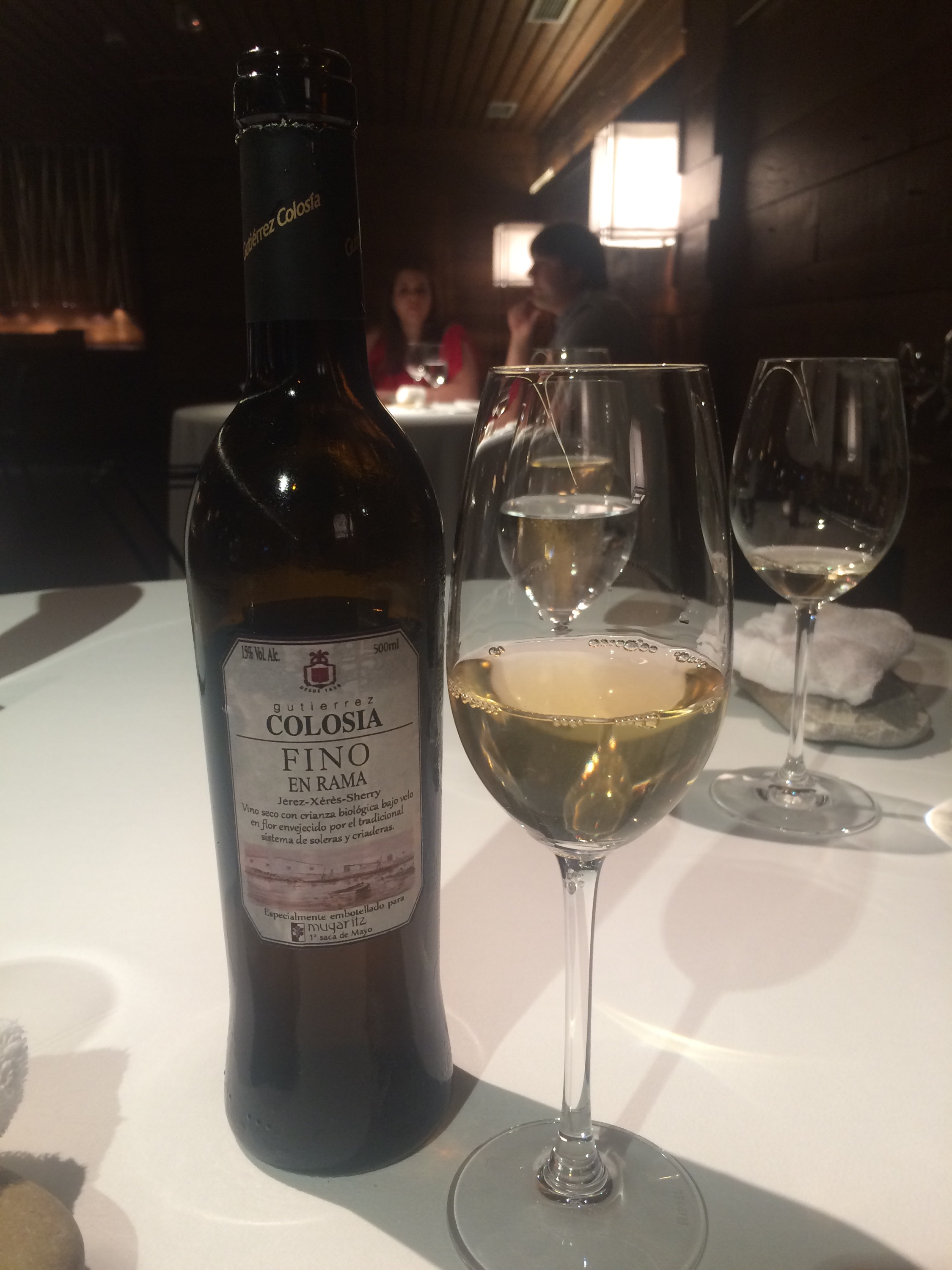
La Panesa revisited


A couple of weeks ago I was a little carried away with all this sherry blogging and, not content with having a bottle of Fino Tradicion open, I also cracked open a bottle of La Panesa.

Two weeks later, it is pretty amazing. Fresh open I sometimes find La Panesa a little cold on the nose but this seems livelier – hay bales and dry herbs. It is also spicey in the mouth, saline, with maybe a suggestion of mosto and a lot of umami and savoury almonds and nuts. I love it – it is awesome.

Fino Tradicion revisited

  
A couple of weeks open and this is definitely a shade darker, a notch more mellow and, if anything, even more enjoyable. 

It seems a little less expressive of fruit in the nose than a couple of weeks ago and softer in feel and on the palate – less citrus on the front end but still a savoury middle and a finish that reminds me of comte cheese. 

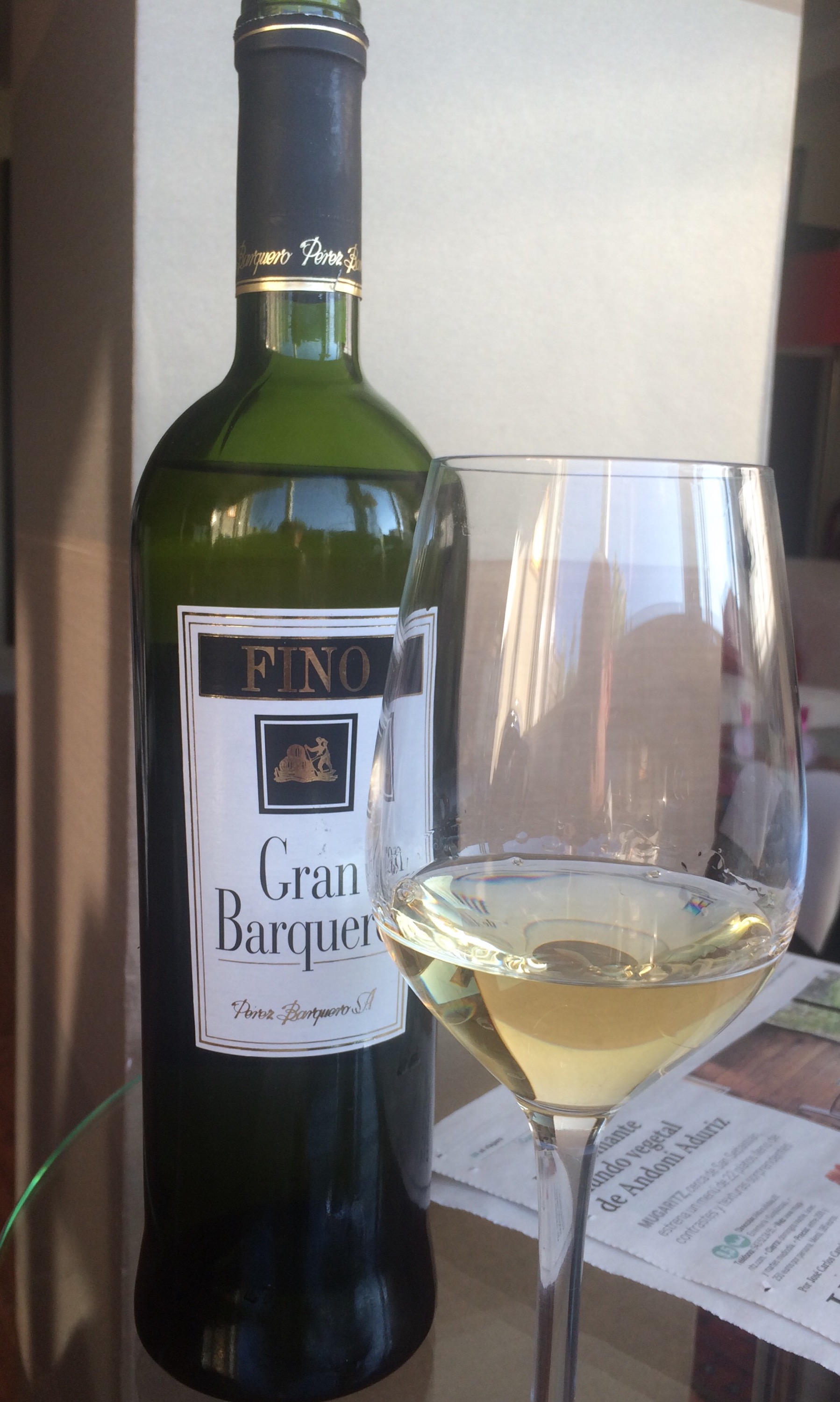
Gran Barquero Fino


As a friend pointed out this week, I am on a bit of a pedro ximenez spree at the moment. After enjoying the Oloroso and the Capataz I couldn’t resist opening this fino. Like the Capataz it is Montilla Moriles and 100% pedro ximenez, has been under the flor a good while (8-10 years I have read) but it is quite a different wine. 

It is paler, clearer in colour and, as always, clear as a bell. On the nose it is quite grapey with some nuts and herbs – thyme and so on. It is full bodied and solid in the mouth but the glycerol of the px is not that noticeable. The flavours are tremendous – salty dry grass, yeasty bread, dying away to unsalted almonds – just a hint of edge to it but a lovely soft finish – hardly a trace of bitterness. A really nice, drinkable fino.

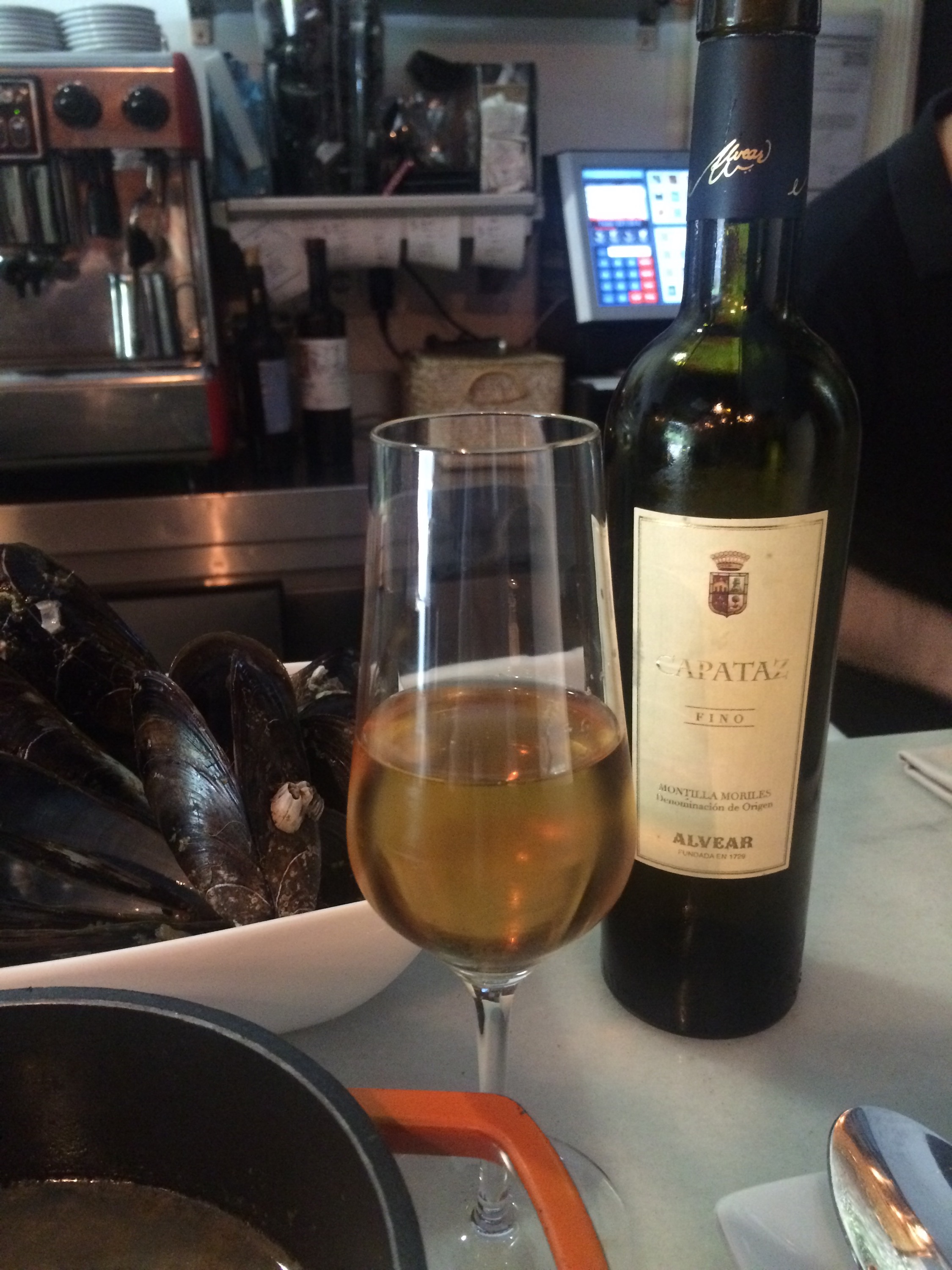
Fino Capataz

A native of Montilla Moriles and made from 100% pedro ximenez this is not strictly speaking a sherry. However, with upwards of 6 years under the proverbial flor it is a classic, dry, nutty fino (seen here with the remnants of some very fine mussels in my watering hole of choice – La Chula).

It is a dark, old gold colour and seems a bit quiet on the nose – even when switched to a more conducive vessel (and the bigger glass is better – just a better swirl, more surface for the wine to cling to I suppose).

It is surprisingly fine and salty in the mouth – not as full in texture as many px finos. In fact the first time I had it blind I thought it was a manzanilla. Flavourwise too there is very little fruit – all nuts, salt and olives. In the finish there is a lovely, fleeting sensation of creamy butter (or maybe olive oil mayonnaise or something).

I really love it – this is a top drawer drop.

La Panesa


The ultimate adult wine – so intense, dry, monumental. It may be my imagination but this one feels just slightly more oxidized than I expected – a touch more sweetness on the nosse and the palate. There is no doubt about the vegetable yeasty power and intensity of it, however, or the dark roasted, salty almonds in the finish. The word epic was invented for wines such as this.

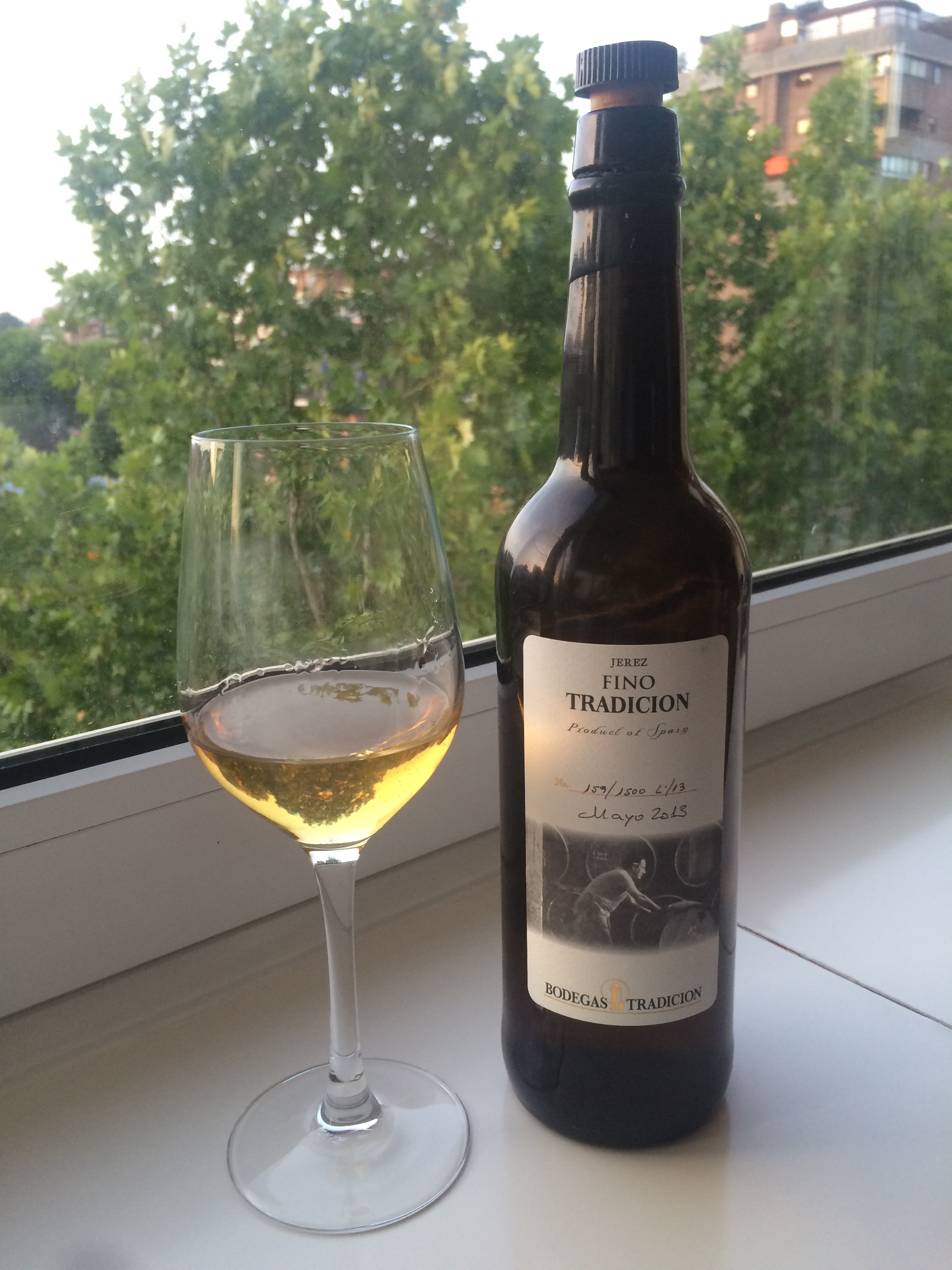
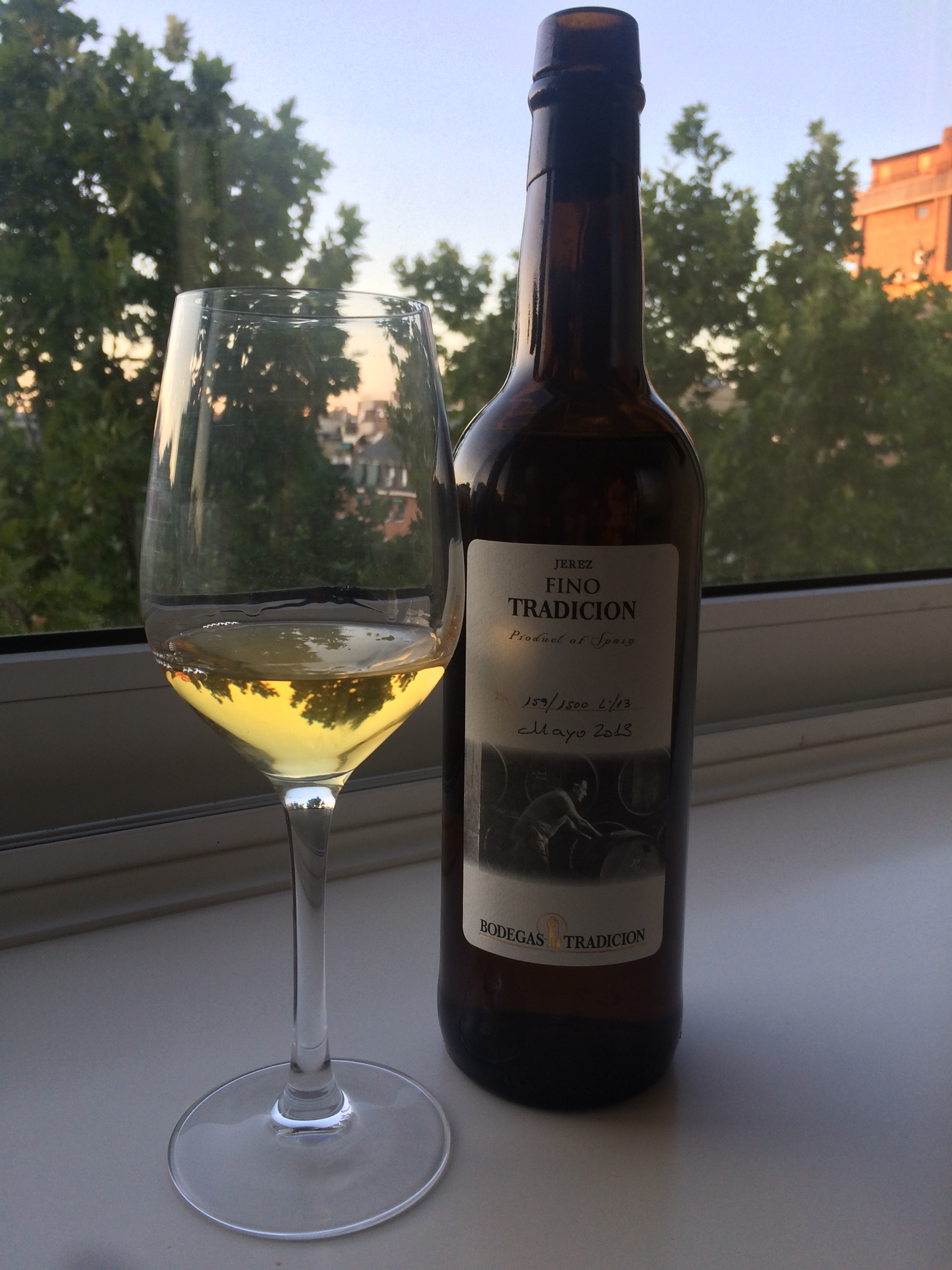
Fino Tradicion may 2013

This is a fino by Bodegas Tradicion, one of the new stars (by the name alone you can guess it is a relatively new winery) of Jerez.

Tradicion started out focussing on VORS wines – oloroso, amontillado and palo cortados. The release of this fino – of which this is the first saca – is more recent, and in keeping with their other wines it is a high spec fino with a long time under the flor, no serious filtering etc. As befits a modern producer, the saca is dated and the bottle is numbered – it is wine made with enthusiasts in mind.

It is an amber gold in colour. In the nostrils it has the haybale of the yeast but also really has the aromas of the mosto – somewhere between grapey, half fermented cider and incontinent feline. In fact it smells a little like a jura wine – a lot of grapefruity citrus and a hint of cheese rind. The Jura-like sensations continue on the tongue – a lot more fresh fruit than dried fruit, and the yeast seems raw and fresh not nutty or bready. Despite all those years under flor it seems young and full of fruit – with a little roast almond savoury.

The old and the, er, equally old

Thought it would be interesting to pour sniff and sip side by side. 

On the left, the Inocente, on the right, the Number 54. The number 54, with its dusky colour, stronger hay bale aroma and notes of oxidization looks and feels like an oldy and it is indeed 10 years old. The Inocente is paler, fresher and fruitier and is … 10 years old! 

This is a real revelation for me – I knew about Inocente’s single vineyard palomino – from the classic pago macharnudo alto. I also had the idea that it was one of the great traditionally produced wines, but I must admit to surprise at the average age. 

There is a clear difference in colour and in nose – but side by side it is clear there is no difference in intensity. The flor on the big oak barrels of the Inocente has clearly not eaten away as much fructose and has prevented the air getting to the wine – it gives a new meaning to the name in fact – but it has been doing its magic nonetheless. 

The caramel sweetness and herby aromas and body of the 54 are attractive and probably make it slightly more of a wine than the inocente, but they are not the product of mere age – rather selection, oxidization and the almost en rama bottling.

In fact when you consider the price difference I feel like I have seriously under appreciated the Inocente. This must surely be one of the cheapest 10 year old classics you can buy.