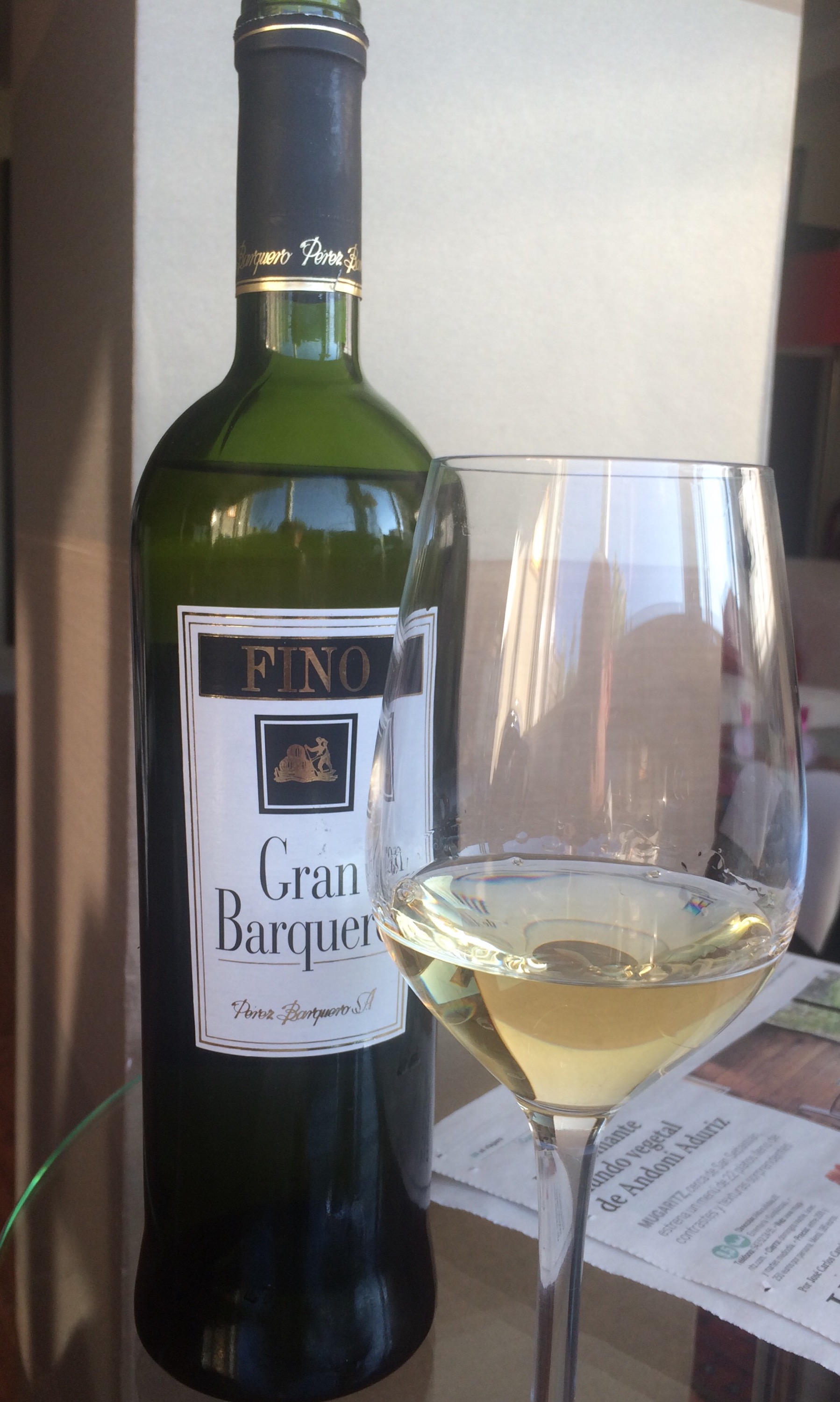
Gran Barquero Fino


As a friend pointed out this week, I am on a bit of a pedro ximenez spree at the moment. After enjoying the Oloroso and the Capataz I couldn’t resist opening this fino. Like the Capataz it is Montilla Moriles and 100% pedro ximenez, has been under the flor a good while (8-10 years I have read) but it is quite a different wine. 

It is paler, clearer in colour and, as always, clear as a bell. On the nose it is quite grapey with some nuts and herbs – thyme and so on. It is full bodied and solid in the mouth but the glycerol of the px is not that noticeable. The flavours are tremendous – salty dry grass, yeasty bread, dying away to unsalted almonds – just a hint of edge to it but a lovely soft finish – hardly a trace of bitterness. A really nice, drinkable fino.

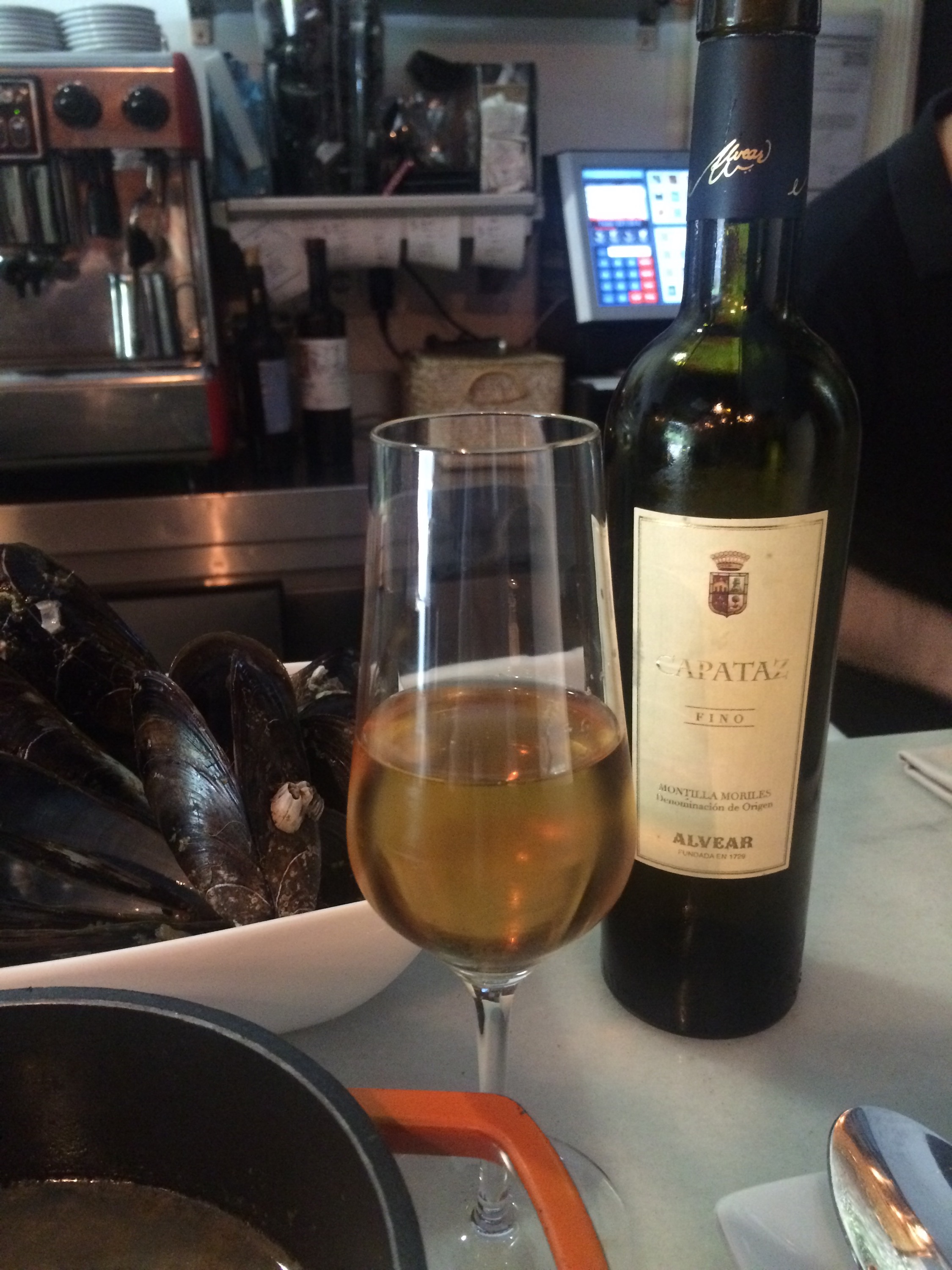
Fino Capataz

A native of Montilla Moriles and made from 100% pedro ximenez this is not strictly speaking a sherry. However, with upwards of 6 years under the proverbial flor it is a classic, dry, nutty fino (seen here with the remnants of some very fine mussels in my watering hole of choice – La Chula).

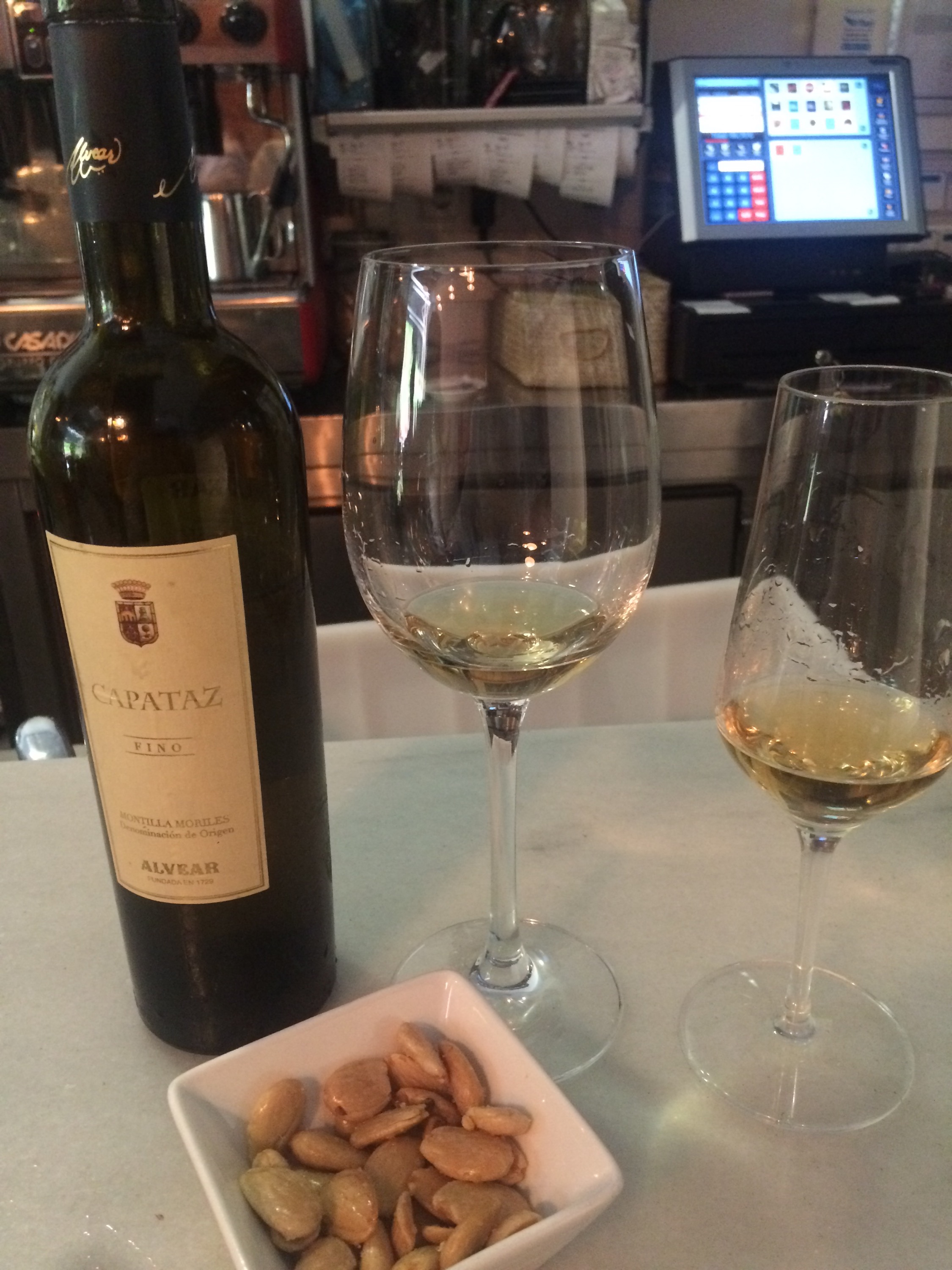
It is a dark, old gold colour and seems a bit quiet on the nose – even when switched to a more conducive vessel (and the bigger glass is better – just a better swirl, more surface for the wine to cling to I suppose).

It is surprisingly fine and salty in the mouth – not as full in texture as many px finos. In fact the first time I had it blind I thought it was a manzanilla. Flavourwise too there is very little fruit – all nuts, salt and olives. In the finish there is a lovely, fleeting sensation of creamy butter (or maybe olive oil mayonnaise or something).

I really love it – this is a top drawer drop.

La Panesa


The ultimate adult wine – so intense, dry, monumental. It may be my imagination but this one feels just slightly more oxidized than I expected – a touch more sweetness on the nosse and the palate. There is no doubt about the vegetable yeasty power and intensity of it, however, or the dark roasted, salty almonds in the finish. The word epic was invented for wines such as this.

Gran Barquero Oloroso

This is a highly drinkable abocado (almost dry – just a hint of sweet)  pedro ximenez oloroso by Perez Barquero of Montila Moriles.

As you can see it is a beautiful orangey chestnut in colour. On the nose it is sweet, rum and raisin icecream. Then in the mouth a lovely mellow structure of aged, roasted caramel. I really find that PX works well in an oloroso – its glycerol richness in the mouth really complements the flavours. Conversely, of the PX wines olorosos or amontillados work better, imho, than finos due to their structure – the PX just doesn’t seem able to carry off the subtleties of fino like palomino can.

If I were to criticize (and I might as well while we are here) it would be that PX oloroso’s don’t quite develop as much acidic zing as their palomino cousins from Jerez (in fact there is probably a little leas intensity in general). This wine has a nice buzz to it and is a fine accompaniment to lamb chops but might not handle a really mature steak or spicey callos.

The only other criticism is that it is absurdly easy to drink – which in a 19 proof beverage is a recipe for a hangover!

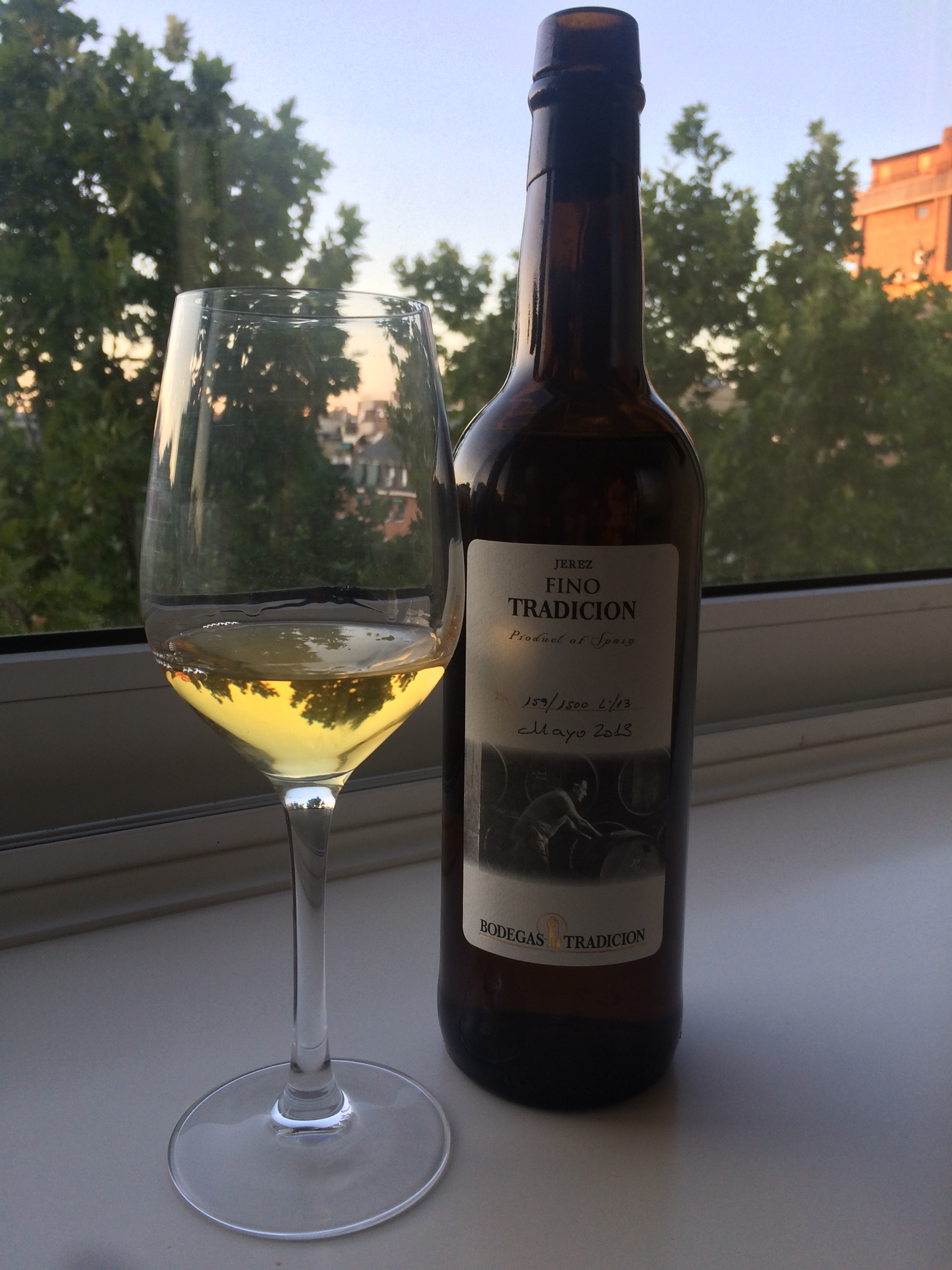
Fino Tradicion may 2013

This is a fino by Bodegas Tradicion, one of the new stars (by the name alone you can guess it is a relatively new winery) of Jerez.

Tradicion started out focussing on VORS wines – oloroso, amontillado and palo cortados. The release of this fino – of which this is the first saca – is more recent, and in keeping with their other wines it is a high spec fino with a long time under the flor, no serious filtering etc. As befits a modern producer, the saca is dated and the bottle is numbered – it is wine made with enthusiasts in mind.

It is an amber gold in colour. In the nostrils it has the haybale of the yeast but also really has the aromas of the mosto – somewhere between grapey, half fermented cider and incontinent feline. In fact it smells a little like a jura wine – a lot of grapefruity citrus and a hint of cheese rind. The Jura-like sensations continue on the tongue – a lot more fresh fruit than dried fruit, and the yeast seems raw and fresh not nutty or bready. Despite all those years under flor it seems young and full of fruit – with a little roast almond savoury.

Cata de Palo Cortados en Enoteca Barolo

A good friend made it possible for me to attend this and it was a cracking event.

The title – “Palo Cortado – the most mysterious sherry wine” – suggested a bit of blarney but in the end nothing to worry about – maybe a bit of blarney but overall a good, punchy and knowledgeable introduction with some interesting nuggets and some key background facts on each wine – a well prepared and well conducted tasting.

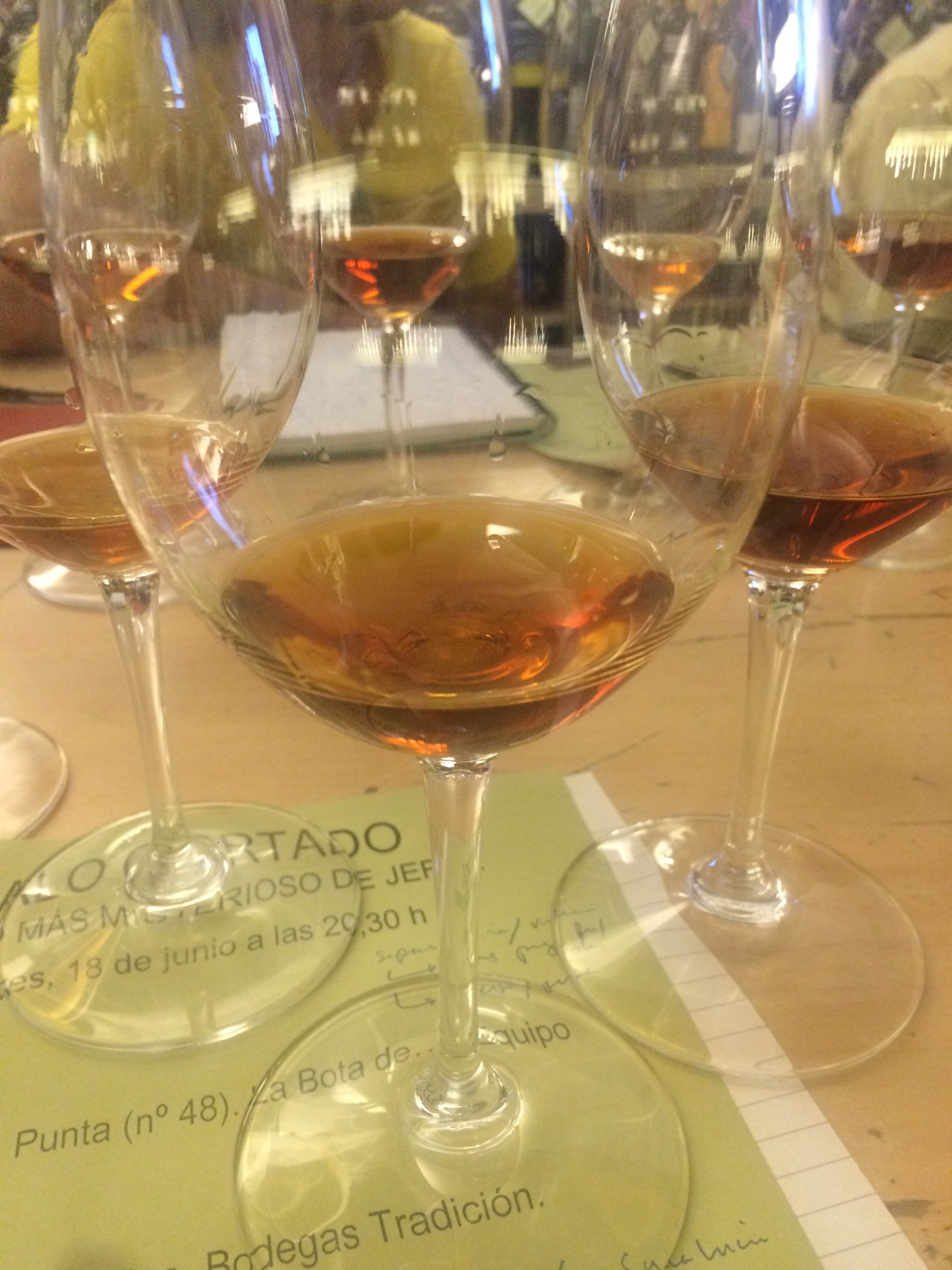
We started with Obispo Gascon – by Barbadillo in Sanlucar (on the left below). The colour is an orange amber/chestnut – absolutely crystal clear. It wasn’t super expressive in the nose – salty with a bit of sweet pastry. On tasting the salinity is nicely integrated and it is maybe not creamy but a little oily, with flavours of caramel to burnt caramel – and very long. Nice start. (16/20)
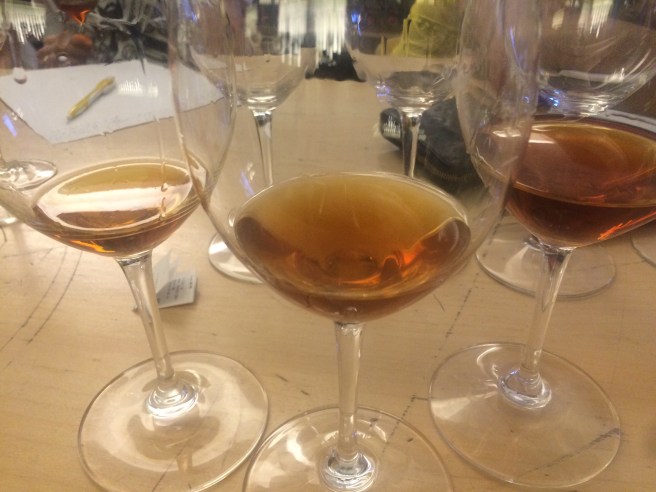
Next up was the Tradicion – seen here between the Obispo and the Gutierrez Colosia Viejisimo. Similar in shade  to the Obispo Gascon although not as crystal clear – a suggestion of cloud. More nutty on the nose – more almond pastry/bakewell tart rather than the honey pastry of the Obispo and not the same noticeable salinity (this lad is from Jerez). Noticeable acidity in the mouth and it is full of darker caramel flavours – maybe a little bitter/burnt in the aftertaste. Always notice the structure of this wine and it has a nice, savoury, nuttiness to it. (17/20)

The Gutierrez Colosia is called “very old” and it looks it. It was at least a shade darker than the other two – but crystal clear – and again a little bit of sea air on the nose (this fella is from Puerto de Santa Maria). Also a bit of yeast on the nose – a more vegetable sensation. Big and rich on the tongue and it has that old fruity christmas cake taste to it, caramel flavours, baked orange, a suggestion of nuts. Really full in body and maybe a touch more width/breadth than the other two. Lovely wine. (18/20)

Next up – Roberto Amillo Espiritus de Jerez. In colour it is a little browner and my glass – in fact the bottle – was a little cloudy. A bit less expressive on tje nose. On the tongue it not as rich and on the palate it is acidic, spicey and sharp with flavours of walnut tending to walnut skin. For me not as rich and structured as the Tradicion or the Viejisimo – a racy, spicey glass though. (15/20)

The fifth wine (middle of this picture) is the Equipo Navazos 48. Deep bright red in colour – light ruby and a really distinctive nose – a bit of the diesel, varnishy garage forecourt smell, with bitter orange and minerals and even lactic notes (cheese rinds). I can understand it not being everyone’s cup of tea on the nose but in the mouth it is fabulously rich, with a whole new range of flavours. You get dark chocolate and tobacco, the jammy marmalade, and of course the nutty toffee. I found it a really expressive, rich wine and a little extra dimension on the palate compared to the others. (18/20)

Finally, on to the Cardenal by Valdespino, an old school palo cortado made from wines that stepped off the “true path” of the Fino Inocente (and therefore all from the Macharnudo Alto pago). In colour it is another dark one – chestnut brown. Then a salty, iodine in the nose, and burnt caramel for me (but others reckon yeast). In the mouth it is enormous – treacly, maybe even too concentrated. The range of flavours is not quite as wide as the 48 – absolutely massive and relatively balanced even if possibly not as multifaceted as the Navazos wine. A magnificent wine no doubt. (18/20)

Overall favourite: the Equipo Navazos 48 – just for the range of aromas, flavours and notes – but this was a superb range of palo cortados and an excellent event.
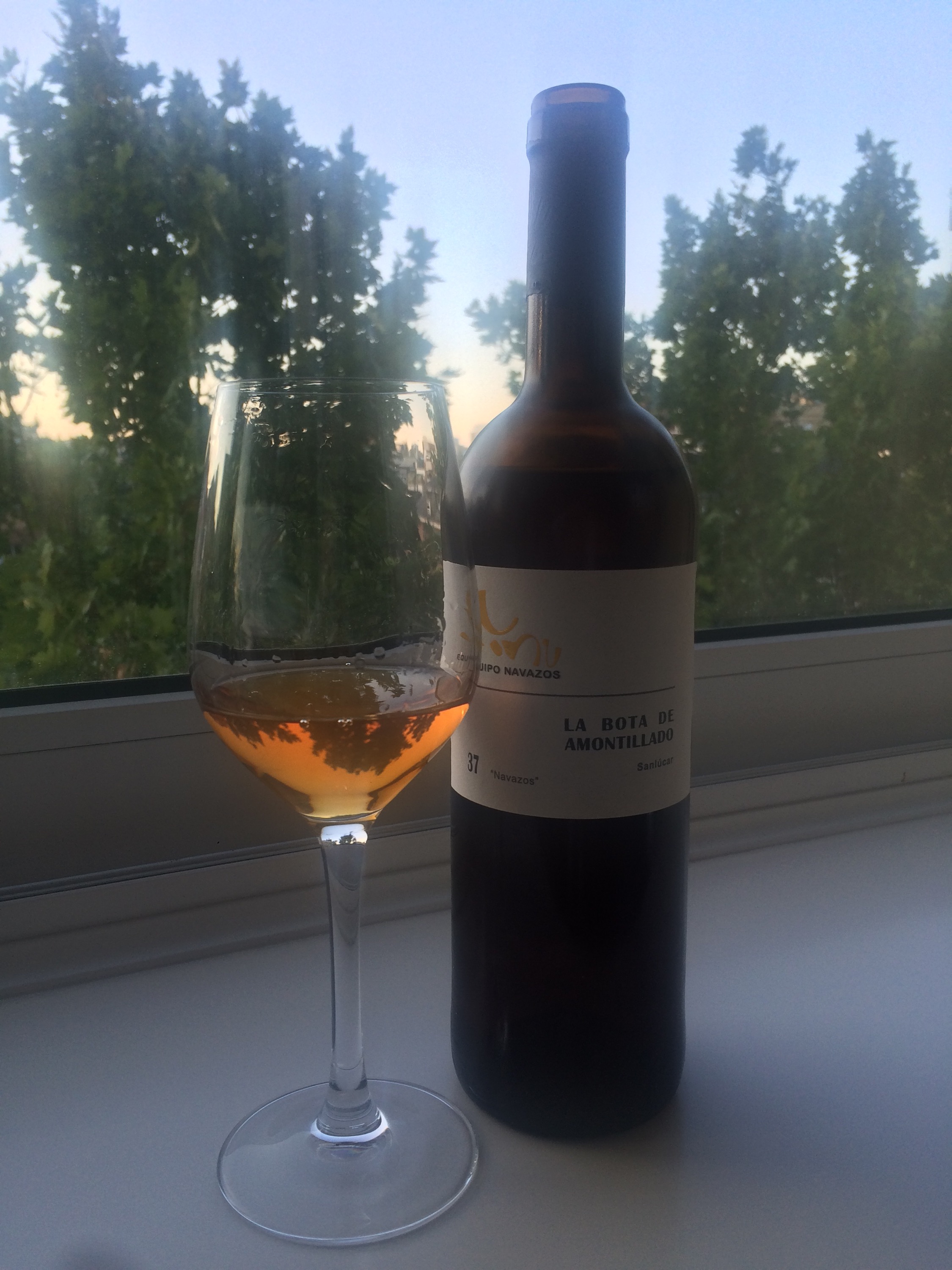
La Bota de Amontillado 37


An old favourite this and a beauty. 

A lovely colour to it – a reddish honey. There is honey on the nose too – slightly salty honey. The salinity is noticeable on the palate, too – it isn’t as sweet as honey, with notes of burnt caramel and a salty, bready intensity. A serious wine. 

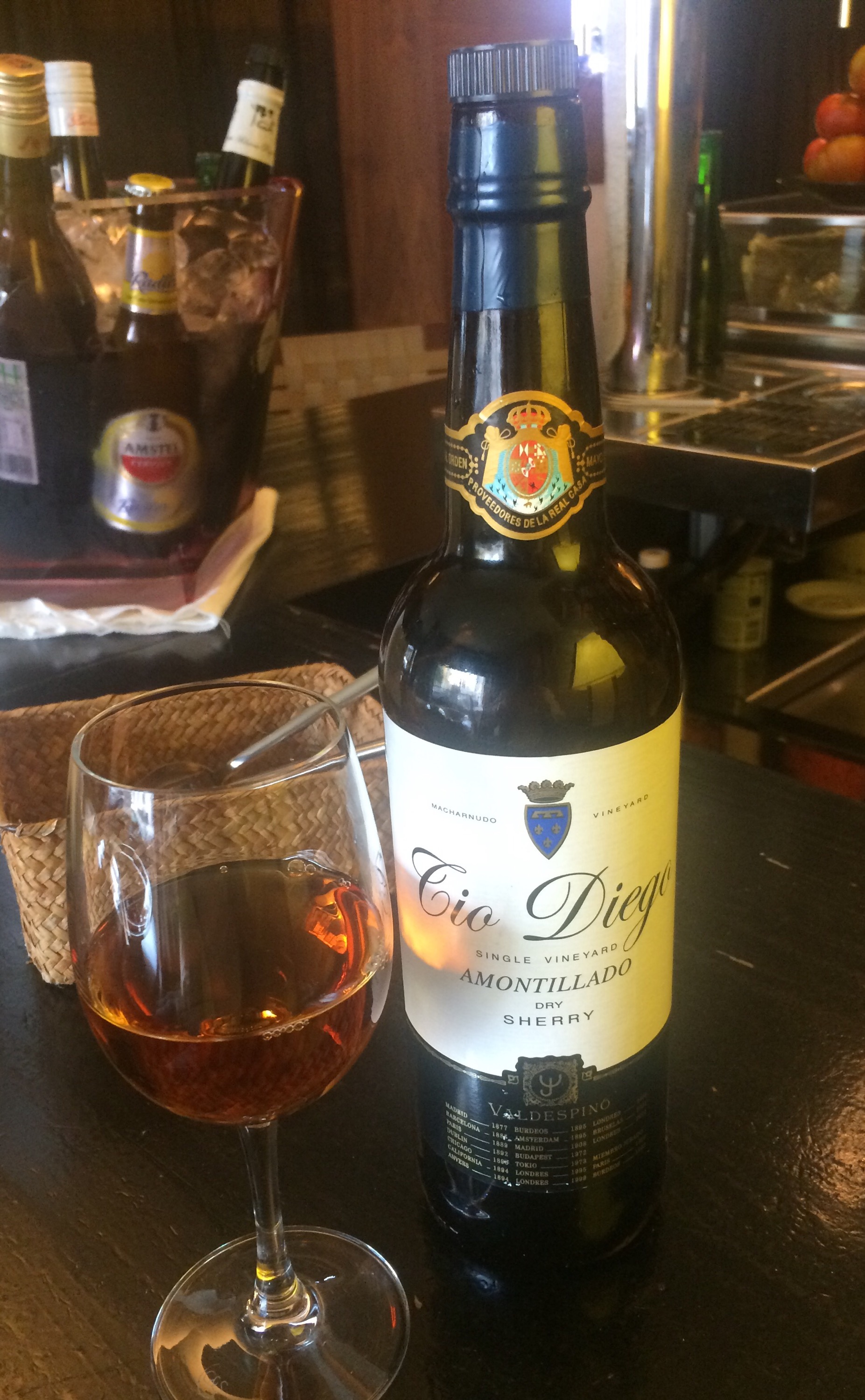
Tio Diego

Still in Surtopia and making full use of the opportunity.  


This is a classic amontillado from Valdespino and in a sense is the uncle (Diego) of the Inocente fino. It is a dark, old brass orange in colour and as clear as a bell. On the nose there are aromas of caramel and cream, and it also creamy in the mouth – a very lush feel to it. On the palate the first flavour is caramel, followed by bitter citrus – marmalade – and some nice acidity and spice at the back end. Very (too) drinkable. 

Manzanilla 11540


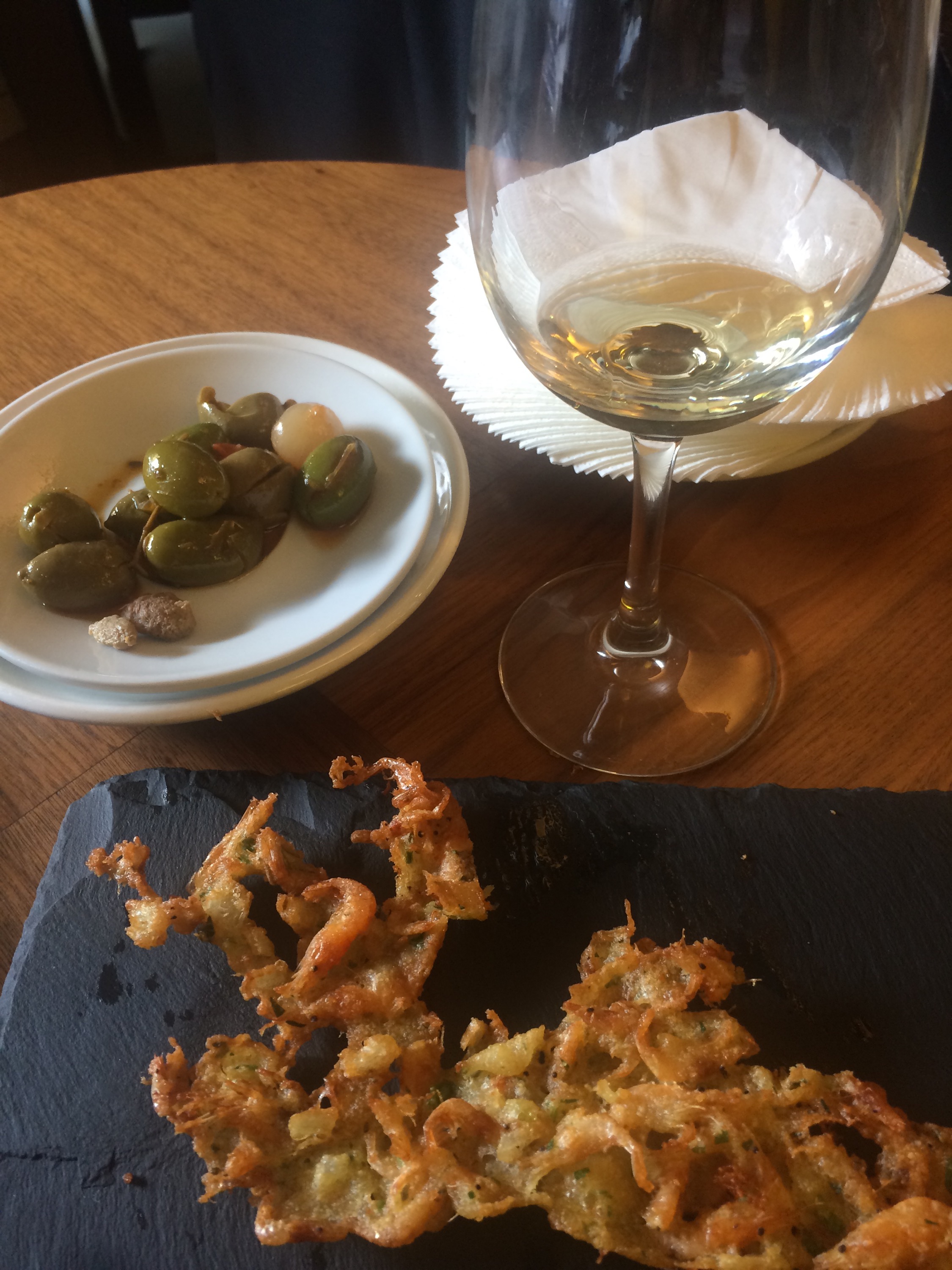
On a visit to Surtopia and despite their having no fewer than 19 manzanillas y finos por copa, the star of the show is this, the 11540 – a special bottling for the house. It is a very smooth, well integrated manzanilla – more fruit than hay bales, very pleasant rich mouthfeel and very nicely integrated salinity. Was absolutely cracking with this tortillita de camarones.